





 Portuguese
  English
  Spanish
  2 min of reading
  0 comments



With the Suspension of Chevron’s Operations, Brazil Can Supply Demand of Up to 77 Thousand Barrels per Day, Benefiting PRIO, Equinor, and Brava Energy
The recent decision by the United States government to halt Chevron’s operations in Venezuela is shaking up the oil market. The measure forces the American giant to seek alternatives to maintain supply for its refinery in Pascagoula, Mississippi. And guess who might benefit? Brazil.
Since 2023, Chevron has operated in Venezuela under special licenses, allowing the import of heavy oil into the United States. This operation resulted in exports of approximately 230 thousand barrels per day. However, with the revocation of these permits, the company now needs to find substitutes to maintain its operations.
Heavy oil from Venezuela is essential for some U.S. refineries, which rely on this type of raw material for their operations. With the ban, Chevron and other companies need to seek alternatives in the global market, opening up space for new suppliers.
-
Offshore industrial demand in Macaé skyrockets with the recovery of oil and gas and could grow by up to 396% by 2026 in the Campos Basin.
-
Offshore industrial demand in Macaé surges with the recovery of oil and gas and could grow by up to 396% by 2026 in the Campos Basin.
-
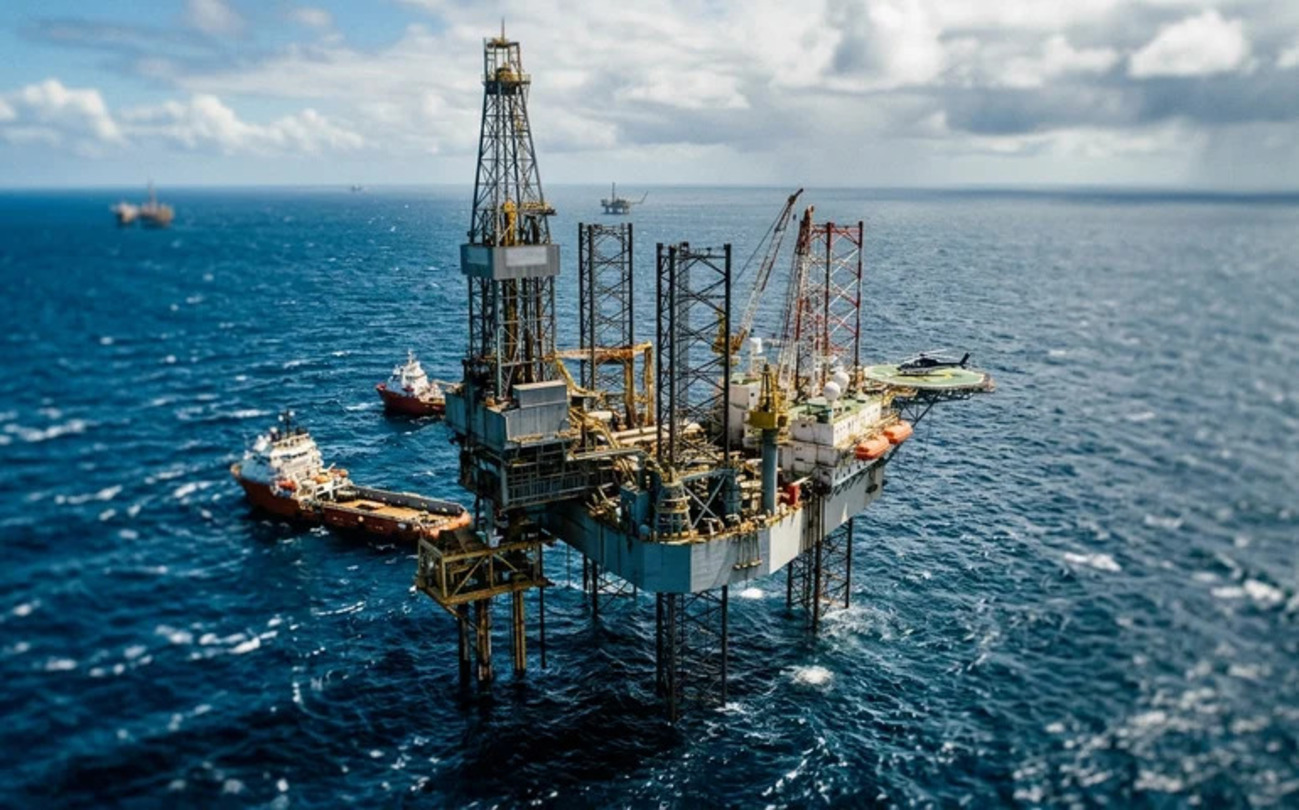
Brazilian giant expands borders in the Southeast: Petrobras confirms new oil discovery in ultra-deep waters in the pre-salt of the Campos Basin.
-
Alert in the global energy market: Severe tropical cyclone hits the coast and disrupts gas production at major plants in Australia, threatening global supply.

Opportunity for Brazilian Oil: A Strategic Window
With Chevron’s need to find new sources of heavy oil, Brazil emerges as a highly competitive option.
Brazilian heavy oil production primarily occurs in offshore fields. This type of oil fits the profile desired by Chevron, making Brazil a viable alternative to supply part of the demand left by Venezuela.
Geographical proximity is one of Brazil’s advantages. The logistics of exporting to the U.S. are cheaper than those from the Middle East, for example. Brazilian oil faces fewer tariff risks compared to Mexican products, making the country even more attractive to Chevron.
Who Are the Biggest Beneficiaries in Brazil?
Some Brazilian oil companies may reap the benefits of this change in the global landscape.
According to InfoMoney, if Brazil absorbs a third of Chevron’s demand, about 77 thousand barrels per day could be sourced from domestic producers. Companies like PRIO, Equinor, and Brava Energy have heavy oil fields, such as Papa-Terra, Atlanta, and Peregrino, that match the profile sought by Chevron.
Currently, heavy oil is traded at a discount compared to Brent, often over US$ 10 per barrel. An increase in demand could reduce this discount, improving producers’ margins. Bradesco BBI estimates that a decrease of US$ 1 in this discount could raise the value of Brava’s shares by R$ 1 and PRIO’s by R$ 2.









-

-

2 pessoas reagiram a isso.