





 Portuguese
  English
  Spanish
  4 min of reading
  0 comments


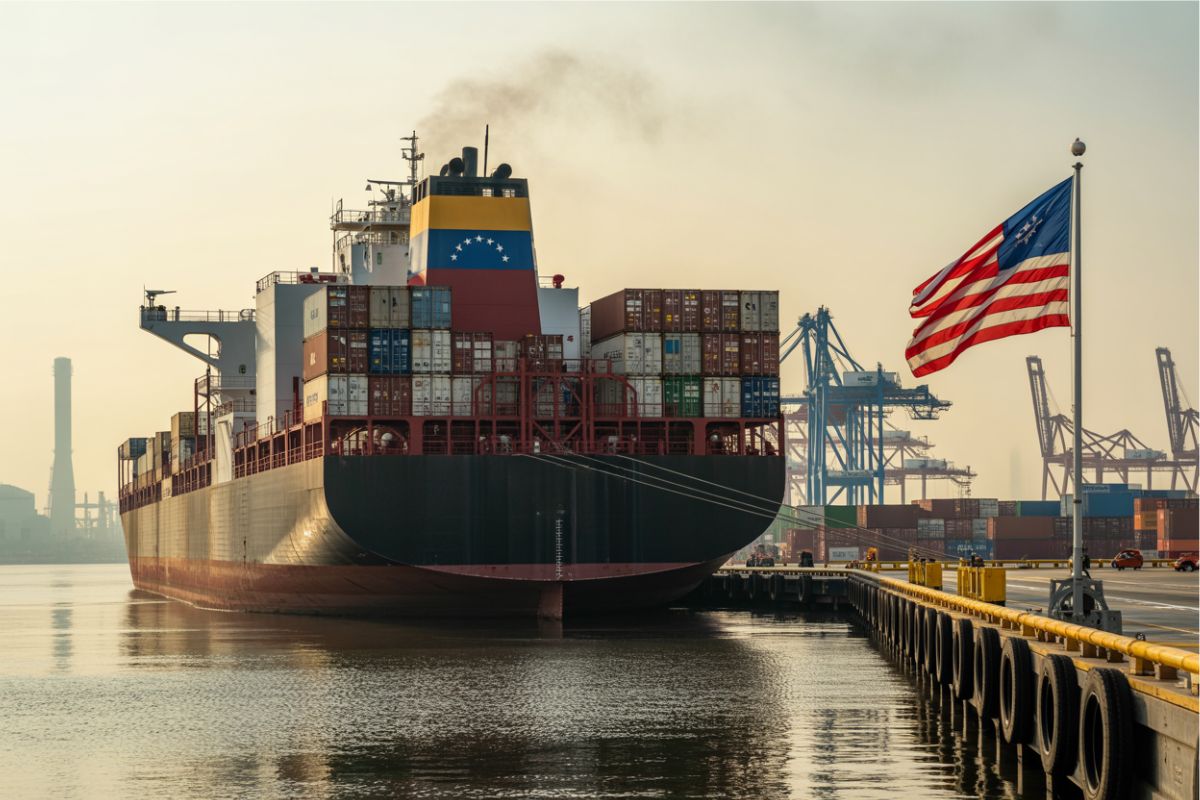
Despite Hostile Rhetoric Against Maduro, The U.S. Has Resumed Buying Oil From Venezuela. In August, Caracas Exported Over 900,000 Barrels/Day, Revealing The Irony Between Political Warfare And Business
It is curious how international politics loves ironies. While the United States government continues to label Nicolás Maduro as a dictator, threatening Caracas with sanctions and even rehearsing speeches about “military actions” in South America, the economic reality shows a different scenario: U.S. refineries are receiving more and more barrels of Venezuelan oil.
The official enemy, after all, is also an indispensable energy supplier.
The Rhetoric of War
In recent years, the White House has spared no criticism of Venezuela. Economic sanctions have been intensified, assets abroad from PDVSA frozen, and at times of higher tension, U.S. authorities even spoke of “all options on the table,” insinuating military operations.
-
A major turn in the Justice system suspends tax increases and directly impacts oil and gas companies in Brazil by affecting costs, contracts, and financial planning, leaving uncertain what could happen to the sector if these costs had increased.

-
Brava Energia begins drilling in Papa-Terra and Atlanta and could change the game by reducing costs in oil while increasing production and strengthening competitiveness in the offshore market.
-
Petrobras surprises the world again by announcing a new discovery in the pre-salt with excellent quality oil.
-
Offshore industrial demand in Macaé skyrockets with the recovery of oil and gas and could grow by up to 396% by 2026 in the Campos Basin.

Washington has never stopped pointing to Caracas as a regional threat, associating Maduro’s government with political repression and humanitarian crises.
But the contrast is glaring: while the rhetoric strengthens, the numbers show that energy dependence speaks louder. And it is measured in barrels per day.
The Surge in Exports
According to data compiled by the agency cited by CNN Brazil, in August Venezuela exported over 900,000 barrels per day, the largest volume in nine months.
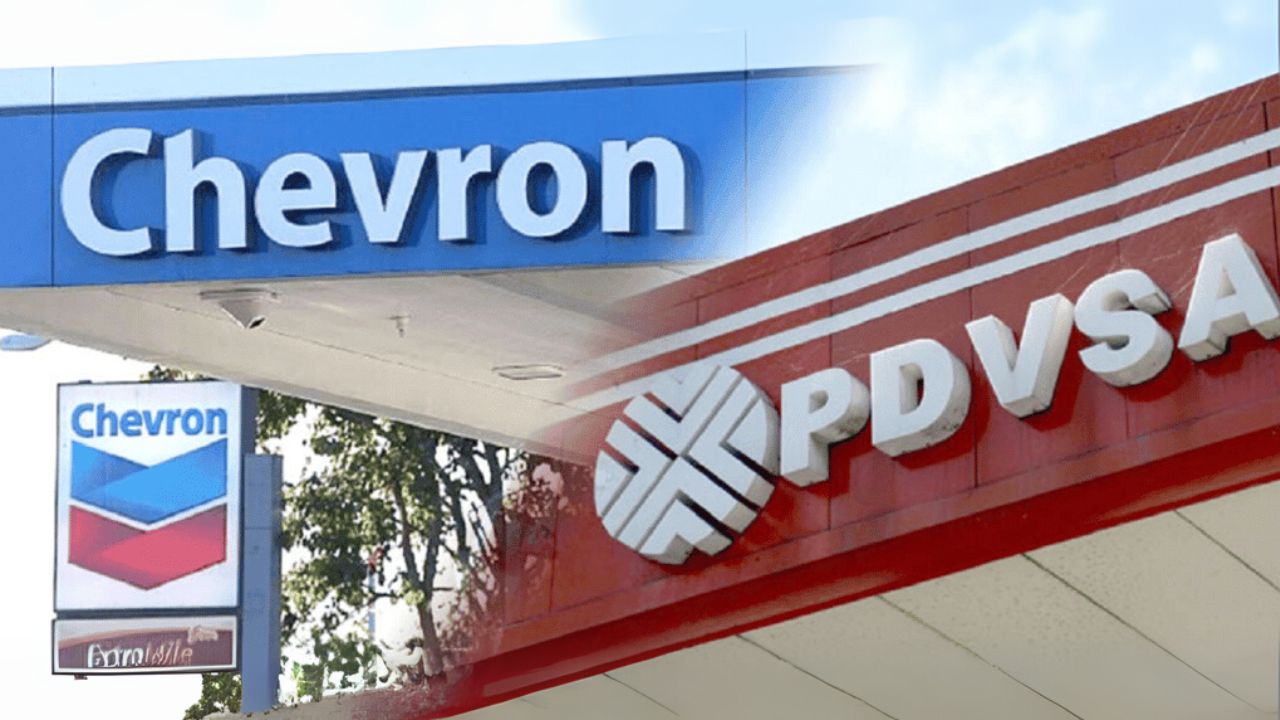
This surge was primarily driven by sales to the United States, thanks to the Treasury Department’s authorization for Chevron to resume operations in the South American country.
The shipments from Chevron, which were halted for four months, began crossing the Caribbean again and reached U.S. refineries.
The result was a 27% increase in Venezuelan exports compared to July. China remains the largest destination — about 85% of the total — but the U.S. is once again a significant buyer, receiving over 60,000 barrels per day.
Even Cuba, with about 29,000 daily barrels, appears on this energy chessboard.
When Oil Speaks Louder
It is true that Washington tries to mask the situation by arguing that operations with Chevron “do not strengthen Maduro’s regime,” but rather ensure the survival of U.S. companies.
However, in practice, Venezuela’s cash flow is benefiting again from the sales.
Moreover, Caracas has been diversifying. In August, the country exported 275,000 metric tons of derivatives and petrochemicals, the highest volume since May.
The Orinoco, the heart of Venezuelan production, operated without significant interruptions, ensuring stability.
To support the process, Venezuela imported nearly 100,000 barrels per day of light crude oil and naphtha — diluents used to make its heavy crude oil exportable.
In other words: the country buys inputs to continue selling while simultaneously increasing its influence in international markets.
The Strategic Irony
And here is where the contradiction becomes headline-worthy with heavy irony: the United States, which often speaks of the “progressive isolation” of Venezuela, is also responsible for financing part of the survival of chavismo with its oil purchases.
The Venezuelan barrel fuels pickup trucks in Houston and keeps Gulf refineries operational, precisely those designed to process heavier oil.
In other words: while diplomatic speeches paint Caracas as an enemy, the U.S. energy sector prefers to see it as a strategic commercial partner.
It is the old geopolitical maxim: there are no eternal friendships, only enduring interests.
The Barrel Is Worth More Than The Rhetoric
For Maduro’s government, the return of exports to the U.S. is a reason for silent celebration. For the White House, it is a pragmatic necessity.
In the end, those filling their gas tanks in Miami or New York will hardly worry about the diplomatic contradiction.
On the global chessboard, oil remains the most valuable piece. Not even rhetorical conflicts or military threats can disrupt the logic: where there is demand, there will be business.
And so, in 2025, Washington continues to attack Caracas from the UN microphones, while filling its tanks with Venezuelan oil.
The irony could not be greater: the enemy that is promised to be defeated is the same one that ensures that the United States keeps its lights on and its engines running.
In the end, the rhetoric may be heated, but the barrel — that, indeed — continues to reign supreme.









-

Uma pessoa reagiu a isso.