





 Portuguese
  English
  Spanish
  4 min of reading
  0 comments



US Hits Strategic Blow Against Syrian Conglomerate Accused of Financing the Iranian Revolutionary Guard and Houthi Rebels in Yemen. With Sanctions Targeting Companies, Individuals, and Vessels, the Measure Promises to Disrupt Oil Routes and Increase Tensions in the Middle East. The Impact Could Redefine the Geopolitical Landscape of the Region
A significant diplomatic and economic move has put the Middle East and the international community on alert this Thursday (14).
The United States has announced a series of economic sanctions against companies, individuals, and vessels linked to a powerful Syrian conglomerate.
The measure, according to the U.S. Department of the Treasury, aims to dismantle a financing network involving the Iranian Revolutionary Guard and the Houthi rebels active in Yemen.
-
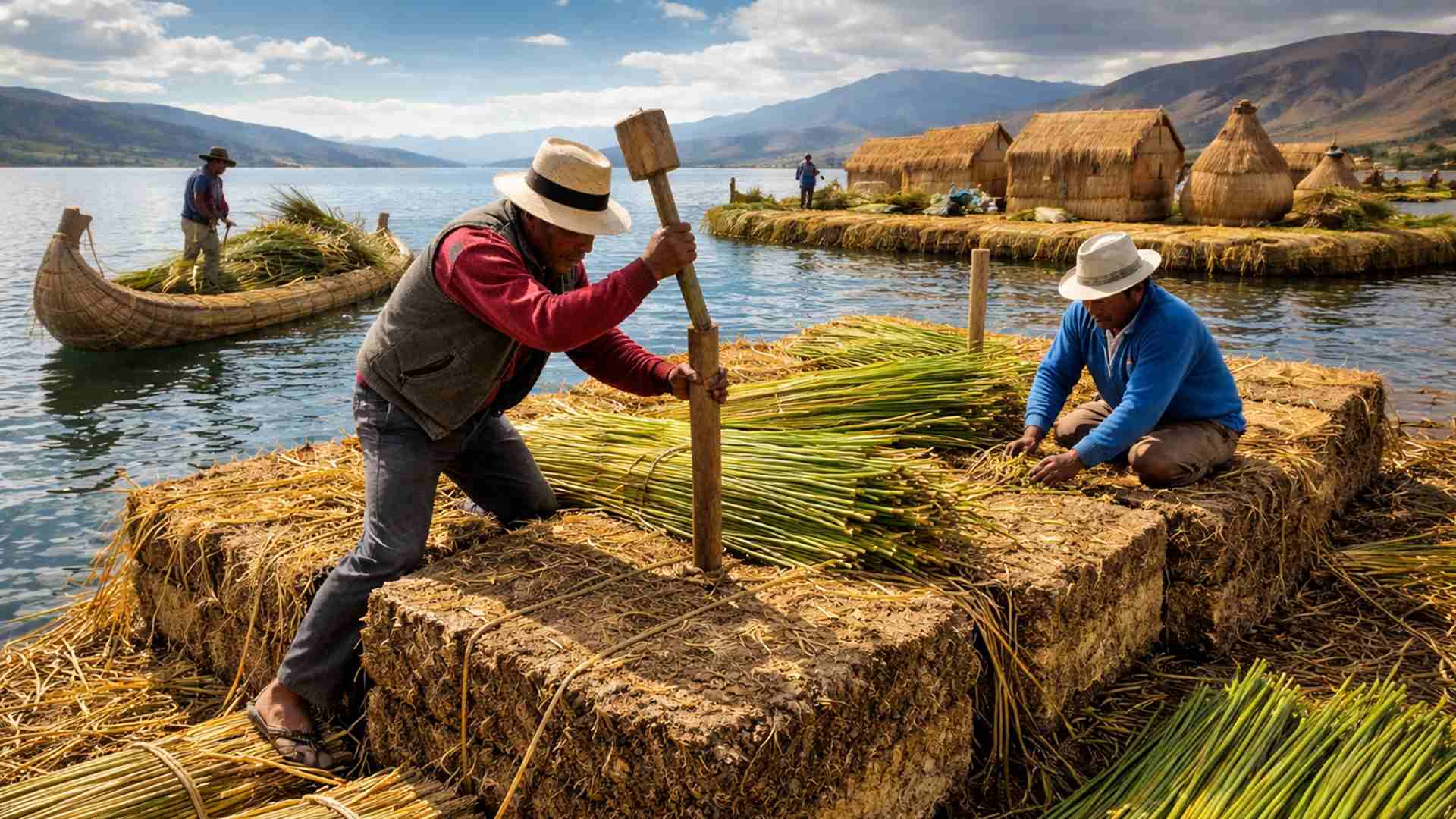
How to build a floating island from scratch with reeds, giant blocks, and stakes in the lake in a process that needs to be repeated almost every day.
-
A forgotten cord on the floor of a basement in Vienna leads a plumber to a box containing 30 kilograms of gold with Mozart’s face, hidden before World War II. The treasure, worth 2.3 million euros, was just centimeters away from a worker who ignored the sign a day earlier.

-
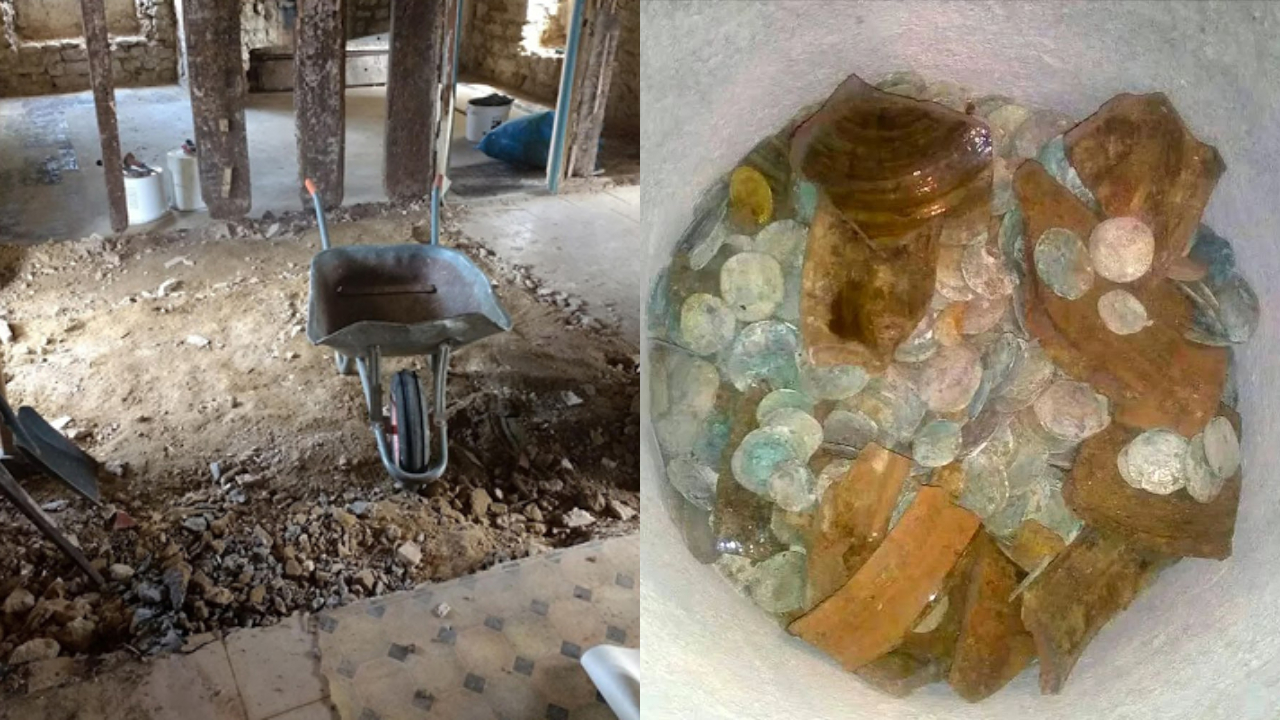
A couple buys an old chalet, breaks the kitchen floor for renovation, and finds over a thousand coins of gold and silver hidden since the English Civil War over 4 centuries ago.
-
Rigid bags with their days numbered: new trend prioritizes comfort in 2026.


The sanctions add more tension to a region already marked by geopolitical conflicts and diverse interests. But what is behind these new American measures, and how do they affect regional and global players?
The U.S. Treasury Operation
At the heart of the sanctions is the Syrian company Al-Qatirji, accused by the U.S. of being a key player in financing destabilizing groups.
According to the Treasury Department’s statement, the company generated hundreds of millions of dollars in revenue for the Quds Force, a special unit of the Iranian Revolutionary Guard, and for the Houthis, through the sale of Iranian oil.
The Treasury highlighted that the oil was sold to both Syria and China, in operations that circumvented international restrictions.
Bradley Smith, an official from the Treasury Department, stated that Iran has increasingly relied on partners like Al-Qatirji to sustain its “destabilizing activities” and expand its influence network in the region.
The Thursday action targeted 26 entities, including companies, individuals, and vessels directly linked to Al-Qatirji.
It is worth noting that the company was already under scrutiny from the West, previously sanctioned for facilitating fuel transactions between the Syrian regime and the Islamic State, in a scheme involving adversarial actors on the international stage.
Quds Force: The Armed Wing of Iranian Diplomacy
The Quds Force, associated with the Revolutionary Guard of Iran, is known as the country’s frontline in overseas military operations.
Overseeing groups like Hezbollah, Hamas, and the Houthis themselves, the group is accused by several countries of fueling conflicts in the Middle East through financial, military, and strategic support.
In the specific case of the recent sanctions, the focus is on the role of the Houthis in Yemen. This group, which controls part of Yemeni territory, has been at the forefront of a devastating civil war against forces aligned with the internationally recognized government, supported by Saudi Arabia.
The Quds Force is said to have used Al-Qatirji to provide financial and operational support to the Houthis, further escalating the crisis in the region.
Global Impact: The Targets and Repercussions
By targeting such a central economic conglomerate as Al-Qatirji, the U.S. signals that it intends to choke off the funding sources of its adversaries in the Middle East.
The sanctions are expected to hinder the flow of resources and the trade of oil, as well as complicate maritime transport for the listed vessels.
These measures affect not only the Syrian regime, which relies on trade partners to maintain its operations during the civil war, but also countries like China, one of the main buyers of Iranian oil.
Although China has not been a direct target of the sanctions, involvement in transactions with Al-Qatirji could generate friction with Washington.
Furthermore, the move strengthens the U.S. alliance with its partners in the Persian Gulf, particularly Saudi Arabia and the United Arab Emirates, who have an interest in curbing Iranian influence in the region.
Syrian Context: A Stage of Complex Alliances
The regime of Bashar al-Assad in Syria is another crucial element in this equation. Since the outbreak of the Syrian civil war, the government has been accused of seeking controversial alliances to remain in power, including transactions with extremist groups.
The partnership with Iran and its Revolutionary Guard is central to the regime, both militarily and economically.
Al-Qatirji, already previously sanctioned, has been identified as an intermediary in several of these transactions. With the new sanctions, it is expected that pressure on Assad’s regime will increase, forcing the government to seek alternatives to sustain its weakened economy.
What Lies Ahead?
The U.S. sanctions are part of a broader strategy to economically isolate adversaries in the Middle East and reduce sources of instability in the region.
However, critics point out that these measures may have a limited impact, as sanctioned countries often find ways to circumvent economic restrictions.
It remains to be seen whether the U.S. will be able to prevent networks like Al-Qatirji from continuing to operate, or if the sanctions will only escalate international tensions without tangible results.







Seja o primeiro a reagir!