





 Portuguese
  English
  Spanish
  4 min of reading
  0 comments


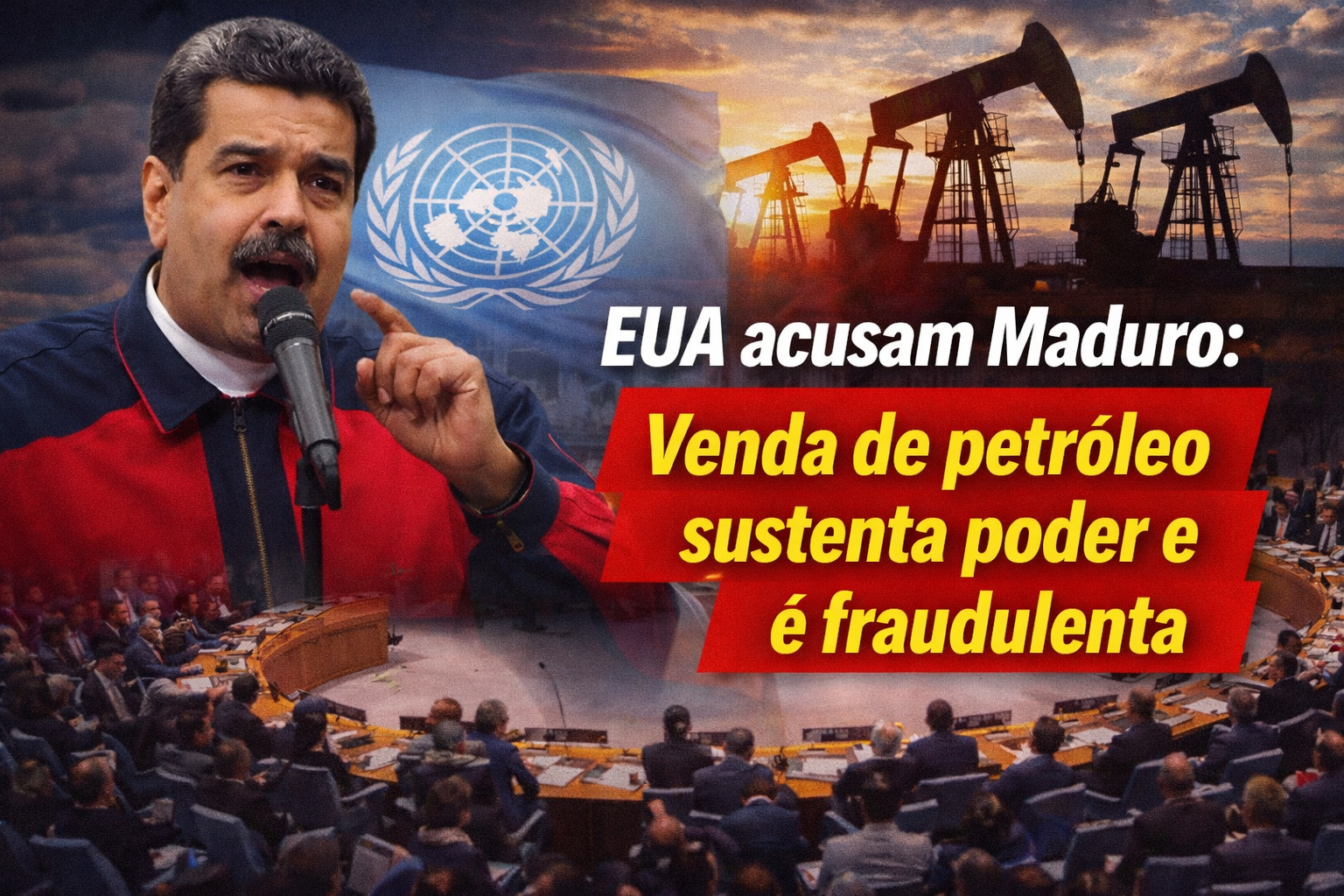
US Says At UN That Oil Allows Maduro To Maintain Power Through Fraudulent Claim And Promises Tougher Sanctions.
The United States accused Venezuelan President Nicolás Maduro of using the sale of oil as the main tool to sustain a fraudulent claim of power.
The statement was made on Tuesday during a meeting of the UN Security Council in New York. According to Washington, the ability to generate resources from Venezuelan oil allows the Maduro government to remain in command and finance criminal activities, which will motivate even tougher sanctions.
According to the US, the goal of the measures is to deprive the Venezuelan government of the financial means that sustain both the political regime and illegal structures associated with drug trafficking. Thus, American foreign policy places Venezuela back at the center of international debate.
-
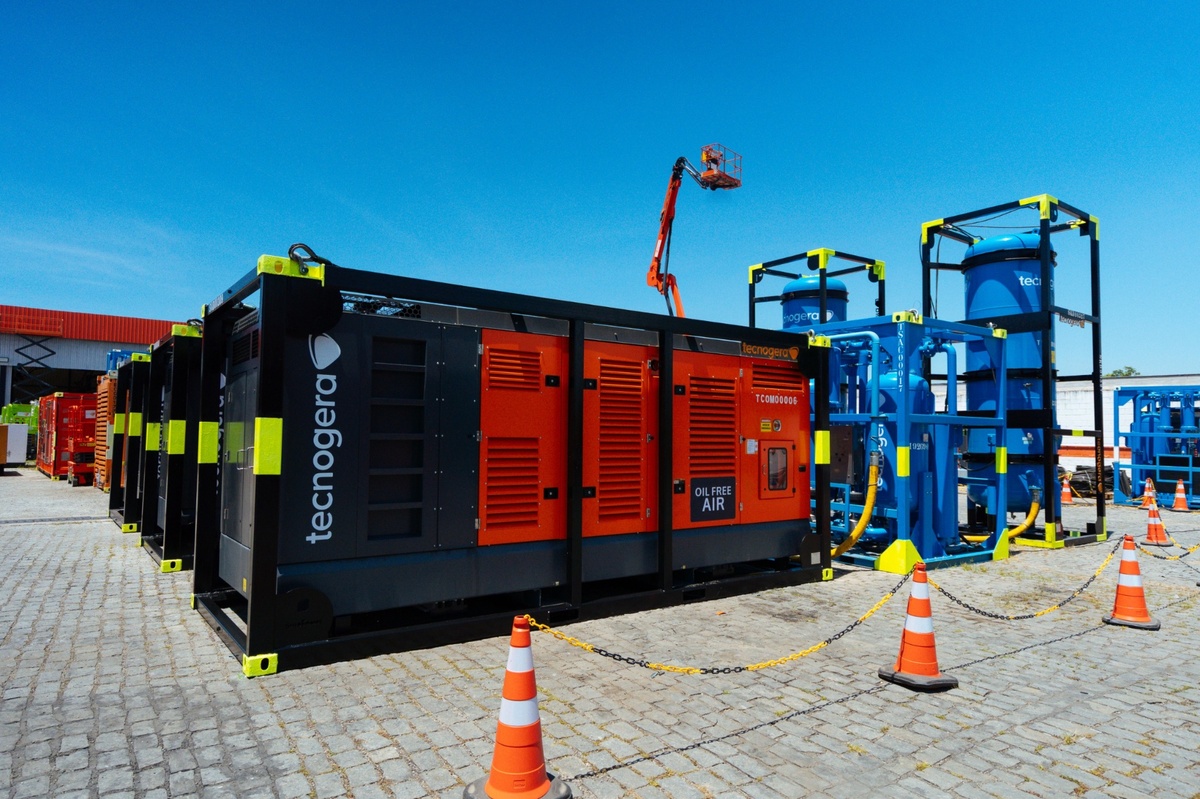
Offshore industrial demand in Macaé skyrockets with the recovery of oil and gas and could grow by up to 396% by 2026 in the Campos Basin.
-
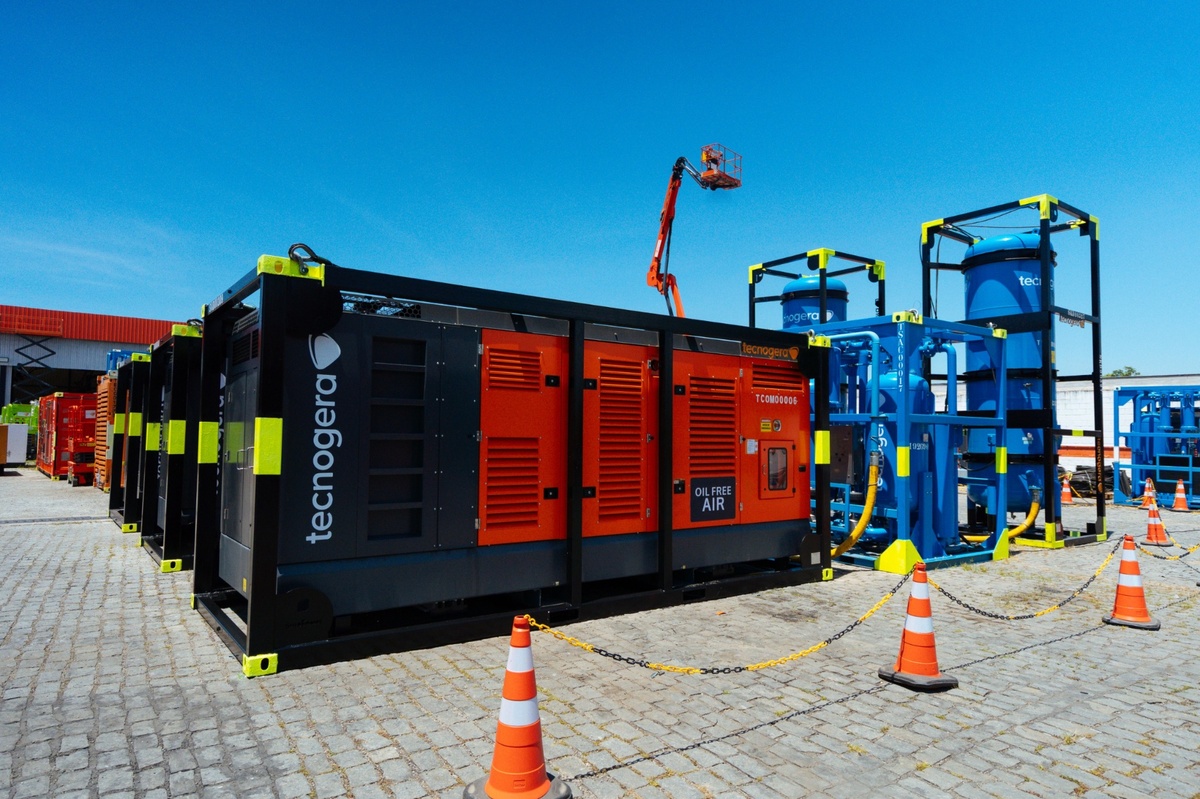
Offshore industrial demand in Macaé surges with the recovery of oil and gas and could grow by up to 396% by 2026 in the Campos Basin.
-
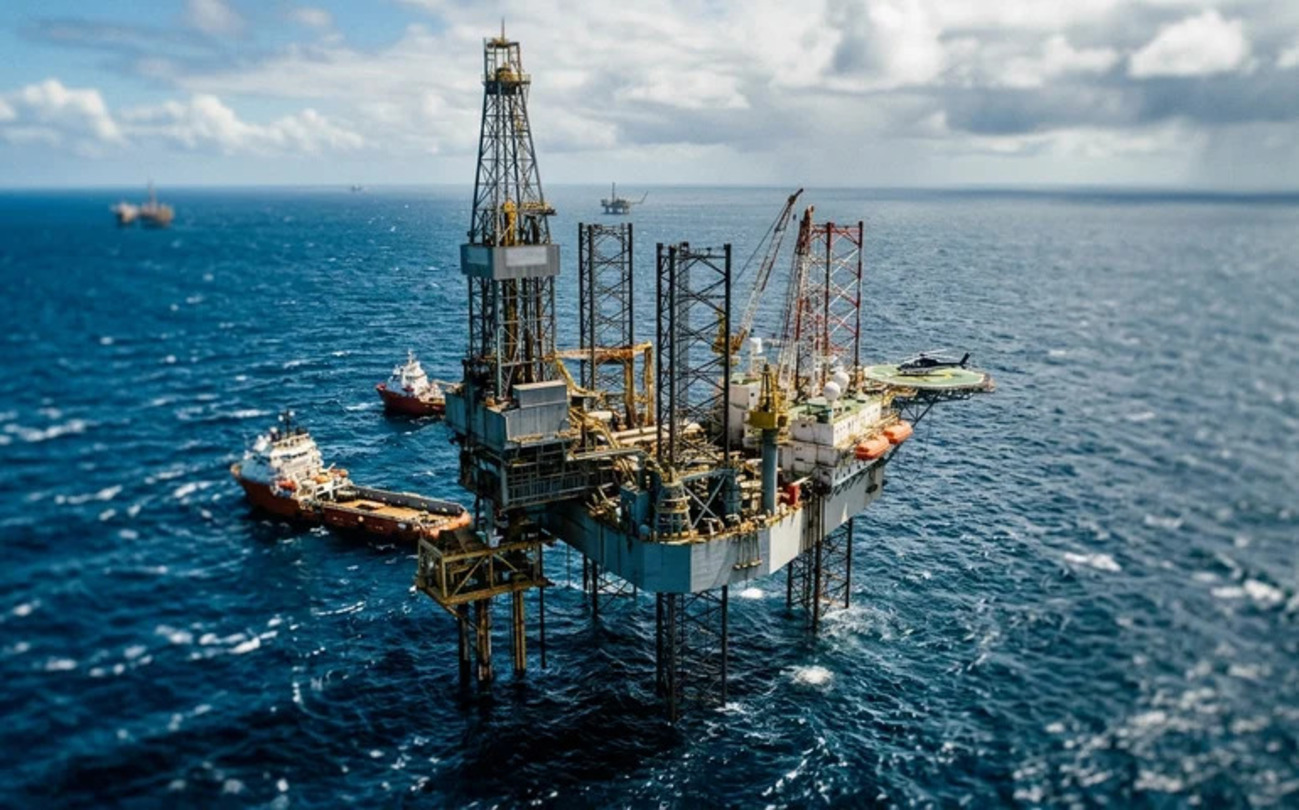
Brazilian giant expands borders in the Southeast: Petrobras confirms new oil discovery in ultra-deep waters in the pre-salt of the Campos Basin.
-
Alert in the global energy market: Severe tropical cyclone hits the coast and disrupts gas production at major plants in Australia, threatening global supply.
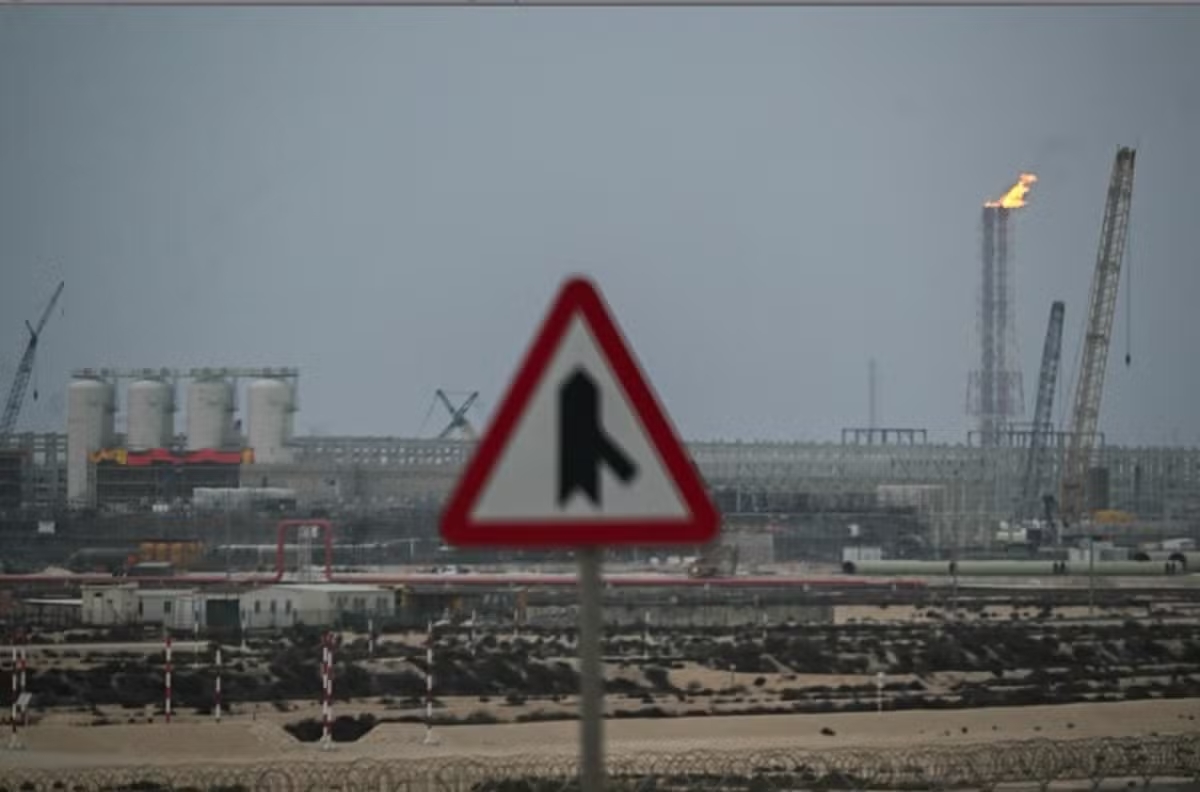

Oil At The Center Of Maduro’s Power Strategy
During the Security Council session, the US ambassador to the UN, Mike Waltz, stated that control over oil is critical for Maduro’s retention of power. For Washington, the exploration and sale of this energy resource serve as the economic foundation of the regime.
“Maduro’s ability to sell Venezuelan oil allows for his fraudulent claim to power and his narcoterrorist activities,” the diplomat told the council of 15 members. This statement reinforces the US view that oil serves not only as an economic asset but also as a political instrument.
Therefore, by targeting the oil sector, the United States aims to weaken the financial core that supports the Venezuelan government.
Sanctions As The US Response To The Venezuelan Government
According to US representatives, the sanctions will be imposed and enforced “to the fullest extent.” The stated goal is to prevent resources derived from oil from being directed to illegal structures, such as the so-called Cartel de Los Soles, which the US cited as an organization linked to drug trafficking.
Additionally, Washington asserts that restricting the financial flow is a way to politically pressure the Maduro government. Thus, the sanctions are not limited to the economic sphere but act as a diplomatic and strategic tool.
Meanwhile, the US emphasizes the need for international cooperation to ensure the measures are effective.
UN Security Council Joins The Debate
The American position was presented directly to the UN Security Council, the forum responsible for discussing threats to international peace and security. By bringing the issue to the UN, the US seeks to broaden international support for the sanctions.
On the other hand, the debate in the council often involves disagreements among member countries, especially when economic sanctions directly affect the civilian population. Nonetheless, Washington insists that the focus of the measures is the government, not the Venezuelan people.
This distinction has been central to American diplomatic discourse.
“The People Of Venezuela Deserve Better,” Says US Government
During the meeting, the United States highlighted the human impact of the Venezuelan crisis. In a straightforward tone, the American representative stated: “The people of Venezuela frankly deserve better.”
This phrase was used to reinforce the narrative that the sanctions aim to weaken the government and not exacerbate the suffering of the population. According to the US, Maduro’s continued rule exacerbates the economic and social crisis in the country.
In this way, Washington tries to justify its foreign policy as a defense of democracy and the rights of Venezuelans.
Fraudulent Claim To Power And International Legitimacy
For the US, Maduro’s continued command of Venezuela does not reflect the popular will. The term fraudulent claim appears as a central element of the American discourse, indicating that Washington does not recognize the political legitimacy of the current government.
Moreover, the use of oil as a source of resources would reinforce, according to the US, a cycle of power based on illegal financing and political repression. This reading supports the strategy of economically isolating the Venezuelan government.
Thus, the dispute over legitimacy transcends national borders and acquires an international dimension.
Geopolitical Impacts Of Venezuelan Oil
The oil of Venezuela remains a strategic factor in global geopolitics. Even with a decline in production over recent years, the country still has one of the largest reserves in the world.
Therefore, any restriction on the sale of Venezuelan oil generates effects in international markets and diplomatic relations. The US assesses that limiting these sales is essential to reduce Maduro’s influence.
Meanwhile, allies and critics closely monitor the developments of the sanctions.
International Pressure Is Expected To Continue
The US statement at the UN indicates that pressure on the Maduro government is expected to intensify in the coming months. Washington relies on economic isolation as a way to weaken the regime.
At the same time, the debate over oil, power, and political legitimacy remains at the center of international discussions. For the US, cutting access to energy resources is crucial to dismantle what they classify as a fraudulent claim to power.
Thus, Venezuela continues to be one of the main focuses of American diplomacy on the global stage.









Seja o primeiro a reagir!