





 Portuguese
  English
  Spanish
  3 min of reading
  0 comments


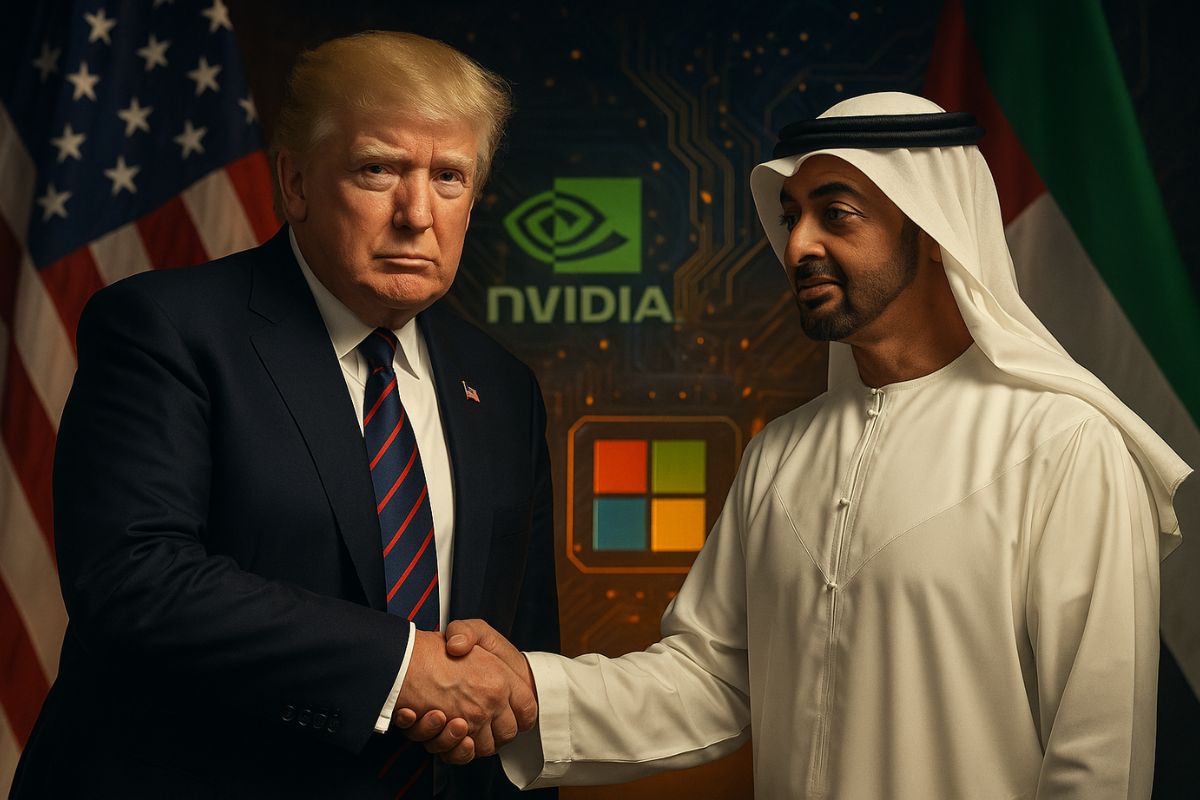
United Arab Emirates and USA Announce Investment with Nvidia and Microsoft.
In a strategic turn with global repercussions, the USA and United Arab Emirates announced an alliance to lead the new economy driven by artificial intelligence. The partnership was formalized during a visit by Donald Trump to Abu Dhabi, where the Stargate Project was presented, considered the largest AI center in the world outside American territory.
The initiative will be funded with billion dollars from the Gulf and will have technical and logistical support from companies like Nvidia and Microsoft, along with other giants in the industry. The campus will house state-of-the-art data centers, laboratories, and infrastructure dedicated to training AI models, consolidating the region as a new global technological power.
USA: How the Gulf Wants to Replace Oil with “Compute”
The collaboration between the USA and the Gulf represents more than just an investment in technology; it signals a shift in data diplomacy. According to experts, the region aims to move from being merely an investor to offering cloud computing infrastructure, chips, and energy to the world, especially to western companies.
-
A new Brazilian shopping center worth R$ 400 million will be built in an area equivalent to more than 4 football fields, featuring 90 stores, 5 cinemas, a supermarket, a college, and parking for 1,700 cars, potentially generating 3,000 jobs.

-
Larger than entire cities in Brazil: BYD is building a 4.6 km² complex in Bahia with a capacity for 600,000 vehicles per year, but the discovery of 163 workers in conditions analogous to slavery has shaken the entire project.

-
With an investment of R$ 612 million, a capacity to process 1.2 million liters of milk per day, Piracanjuba inaugurates a mega cheese factory that increases national production, reduces dependence on imports, and repositions Brazil on the global dairy map.
-
Brazilian city gains industrial hub for 85 companies that is equivalent to 55 football fields.


The provision of high-performance computing, referred to as compute, is seen as the new oil. The comparison is not exaggerated: just as fossil fuels powered the economy in the 20th century, access to computational power is becoming the strategic resource of the 21st century. And the Gulf wants to be at the center of this mechanism.
Who Are the Protagonists Behind the Alliance?
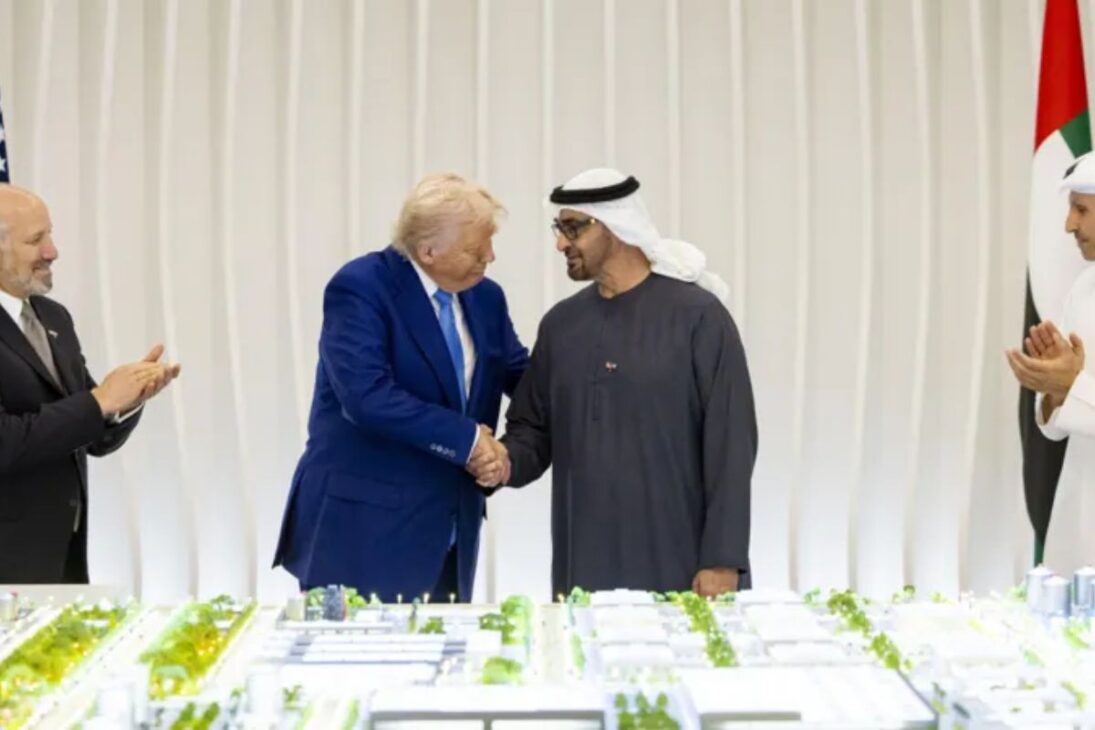
The Stargate project will be built in the United Arab Emirates with support from the state-owned G42 and operated in part by Khazna, which currently controls 29 data centers in the country. The partnership also includes companies like OpenAI, Cisco, Oracle, and SoftBank, which will utilize the infrastructure to train advanced artificial intelligence models.
Behind the scenes, the movement also aims to contain China’s technological advancement, especially from Huawei and the new generation of chips and AI developed on Chinese territory. By closing agreements with the USA, Gulf countries take a clear step to integrate into the American ecosystem, which is globally dominant in chips, software, and algorithms.
The Role of the USA and the Symbolism of Trump
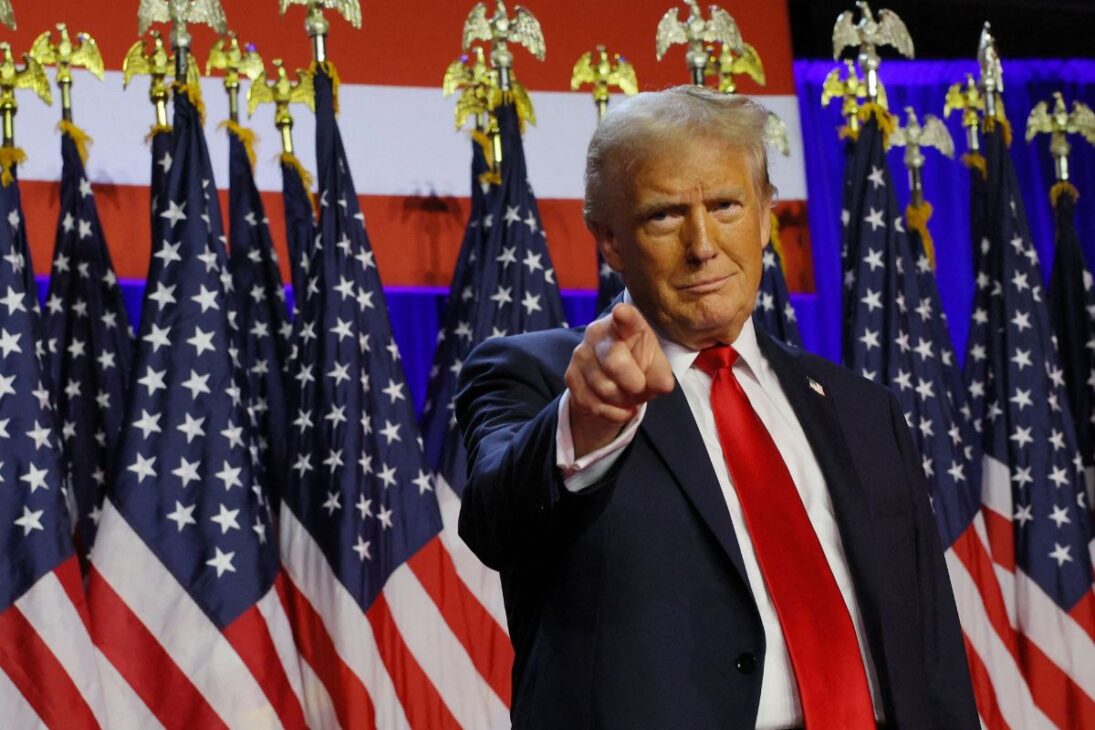
The presence of Donald Trump at the official announcement of the campus carries significant symbolic weight. The president appears as a facilitator of a geopolitical and technological alliance, reinforcing the bond between the two blocs and expanding American influence in the Middle East now focused on the digital sector, no longer on energy.
According to sources consulted by BBC, the United Arab Emirates assessed that despite China’s rapid evolution in AI, the USA still leads in chip infrastructure, applied research, and the startup ecosystem, making them preferred partners for this new phase of technological industrialization.
Saudi Arabia Also Joins the Game
While the United Arab Emirates seal partnerships with the West, Saudi Arabia is not left behind. The sovereign fund PIF recently launched the company Humain, with plans to create “AI factories” equipped with hundreds of thousands of Nvidia chips. The goal is clear: to ensure an active presence in the post-oil economy.
The Saudi movement adds to the growing competition for leadership in global artificial intelligence infrastructure, with more and more countries trying to secure autonomy and prominence in new strategic sectors.
Do you believe that “compute” will indeed replace oil as the central geopolitical resource? Should Brazil seek prominence in this scenario? Share your opinion in the comments.








Seja o primeiro a reagir!