





 Portuguese
  English
  Spanish
  5 min of reading
  0 comments


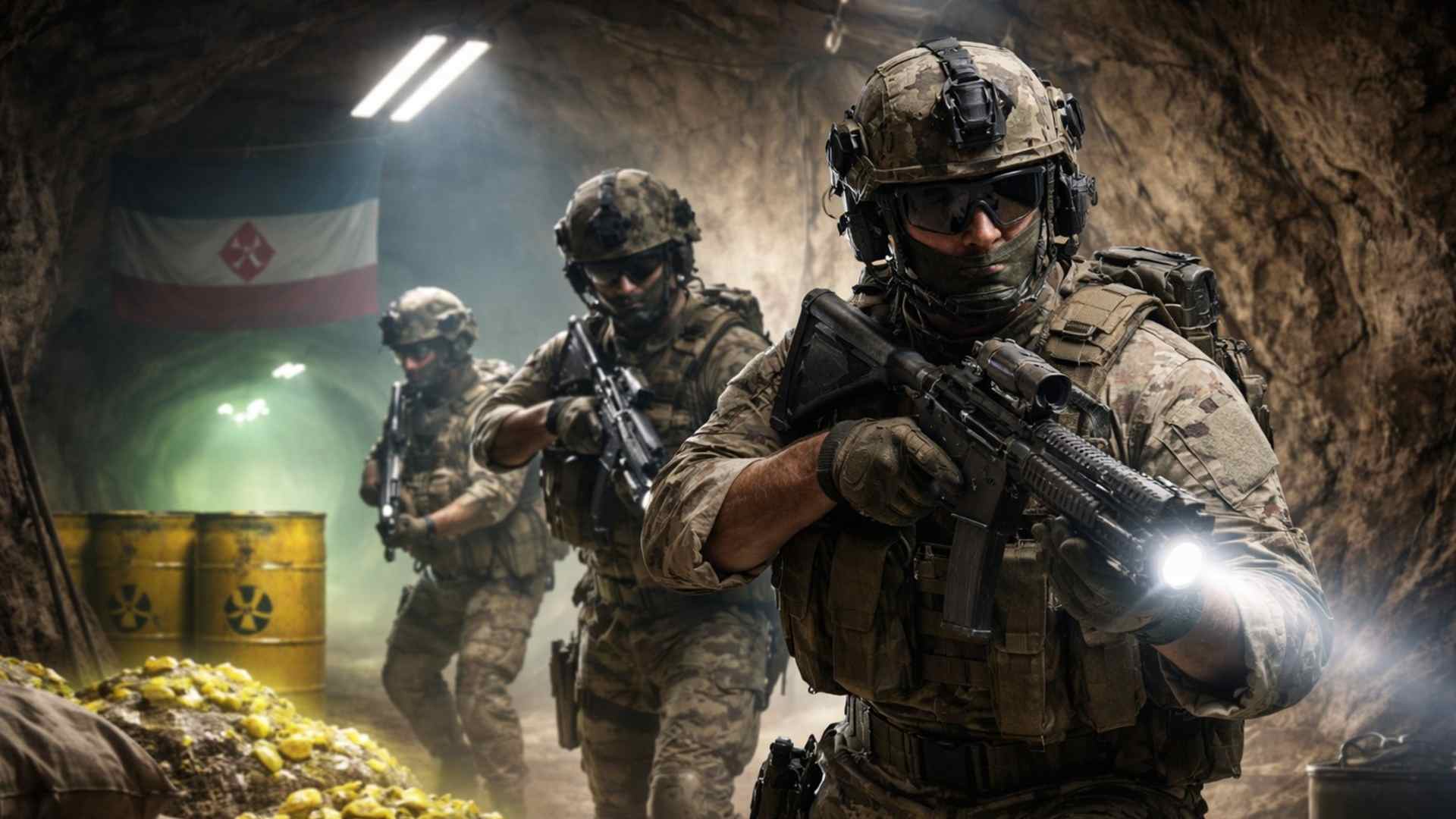
Discussions Between The United States And Israel Evaluate The Possibility Of Sending Special Forces To Secure Control Of Iran’s Nuclear Arsenal, Which Includes About 450 Kilograms Of Uranium Enriched To 60%, Material That Could Reach Military Levels In A Few Weeks And Generate Up To 11 Nuclear Bombs If It Achieves 90% Purity.
The United States and Israel are discussing sending special forces to secure control of Iran’s nuclear arsenal, including about 450 kilograms of uranium enriched to 60%, if the war escalates to a stage where ground operations can be safely executed.
The possibility of mobilizing special forces to deal with Iran’s nuclear arsenal emerged in discussions between U.S. and Israeli officials, according to four sources with direct knowledge of the conversations. The measure would only be considered at a later stage of the conflict.
Preventing Iran from obtaining a nuclear weapon is one of the declared war objectives by President Donald Trump. In this context, the stock of 450 kilograms of uranium enriched to 60% is considered a central element.
-
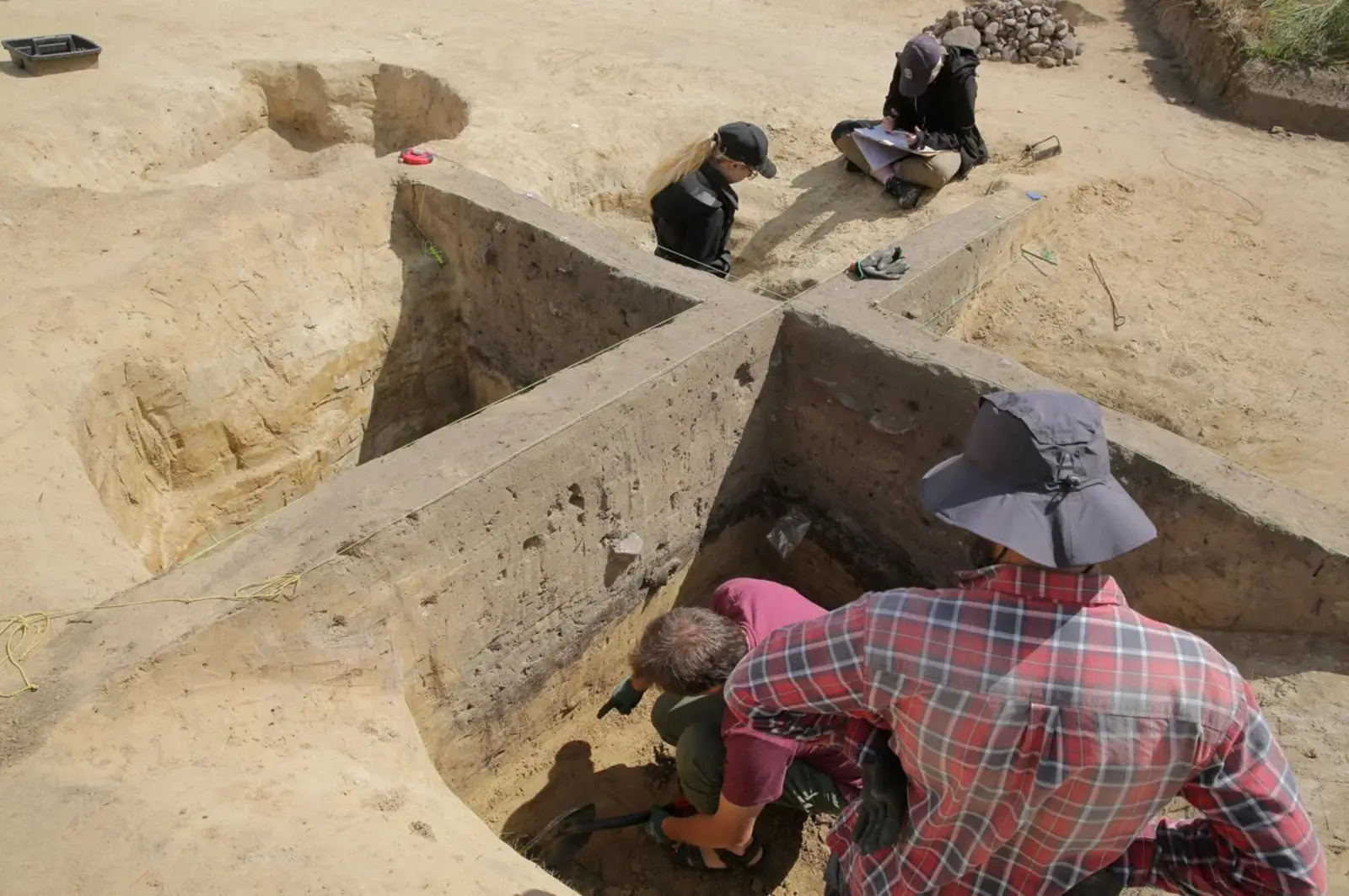
Archaeologists find lost medieval city in Poland with a central square, cemetery, forge, and more than 500 buried artifacts.
-
A massive warm air mass stretched from Brazil to near Antarctica and caused something that almost never happens: lightning and thunderstorms in Ushuaia, in the Falkland Islands, and in the South Georgia Islands.

-
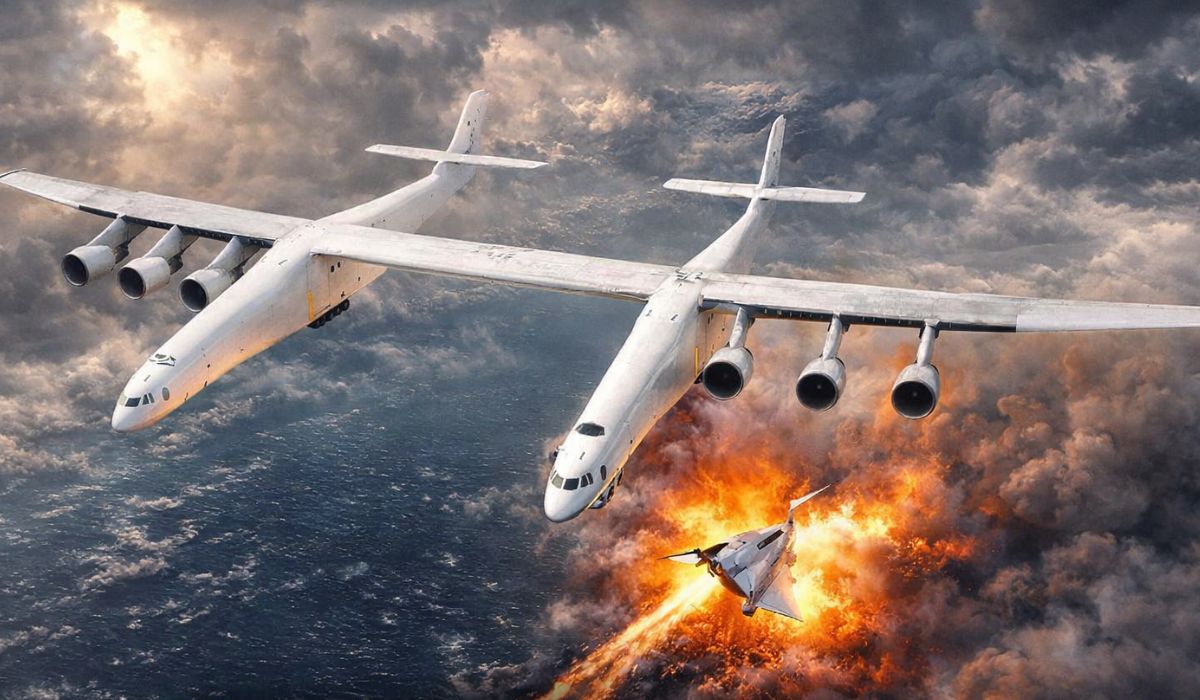
Larger than a football field, with a wingspan of 117 meters, six Boeing 747 engines, and a capacity of 250 tons, the Stratolaunch Roc turns the sky into a gigantic hypersonic launch ramp and accelerates the way the U.S. tests weapons from Mach 5 to Mach 10.
-
Neuralink, the company specialized in brain chips founded by Elon Musk, announced that it intends to implant thousands of brain chips thanks to large-scale production.


According to officials, this material could be converted into military-grade uranium in a matter of weeks. If the entire stock were enriched to 90% purity, there would be enough quantity to produce up to 11 nuclear bombs.
Discussions About Sending Special Forces
Any operation to secure control of Iran’s nuclear arsenal would likely require the presence of American or Israeli special forces on Iranian territory. The mission would involve access to heavily fortified underground facilities amidst a wartime scenario.
It is still unclear whether the eventual operation would be conducted exclusively by the United States, by Israel, or jointly. The decision would depend on the assessment of the threat level posed by Iranian armed forces at that time.
Sources state that the deployment of special forces would only be considered when both countries are convinced that the Iranian military no longer poses a significant threat to the troops involved in the operation.
Options Evaluated To Deal With Iran’s Nuclear Arsenal
During an informative meeting in Congress, Secretary of State Marco Rubio was asked about the security of Iranian nuclear material. In response, he stated that someone would have to retrieve the enriched uranium, without specifying who would carry out this task.
An Israeli defense official stated that Trump and his team are seriously considering the possibility of sending special operations units for specific missions related to Iran’s nuclear arsenal. These missions would be part of a set of alternatives discussed before the war began.
According to an American official, two main options have been considered. The first would be to completely remove the material from Iranian territory, while the second would involve sending nuclear experts to dilute the uranium on-site.
This operation could involve special forces operators working alongside nuclear scientists. Among the specialists considered for participation are professionals linked to the International Atomic Energy Agency.
Operational Challenges of The Mission
Securing Iran’s nuclear arsenal represents a complex logistical and operational challenge. An American official described that the first difficulty is determining exactly where the uranium is located.
The second step would be to define how to reach this material and take physical control of it. Only after this phase would a decision be made about transporting it out of the country or diluting it at the nuclear facilities themselves.
NBC News reported that Trump discussed the possibility of sending a small contingent of American troops to Iran for specific strategic objectives. The Semafor portal also reported that special operations incursions against nuclear facilities are among the options being considered.
Statements From Trump And The White House
During a conversation with reporters aboard Air Force One, Trump stated that the presence of ground troops is possible, but only if there is a justification deemed very strong. He indicated that the decision would depend on the circumstances of the conflict.
When asked about the possibility of troops entering Iran to protect nuclear material, the president did not rule out this hypothesis. According to him, the measure could be considered at some point in the future, although it is not being pursued at the current moment.
The White House press secretary, Karoline Leavitt, stated that Trump keeps all options open regarding the conflict. According to her, no possibility is ruled out in strategic planning.
Location Of The Iranian Nuclear Stockpile
American and Israeli officials state that joint attacks carried out last June against Iranian nuclear facilities buried the stockpile of uranium under rubble. According to these officials, the Iranians themselves have been unable to access the material since then.
The attacks also destroyed almost all the centrifuges used by Iran in the enrichment process. So far, there is no evidence that the country has resumed uranium enrichment activities.
A large portion of the stockpile is believed to be located in underground tunnels of the nuclear facility in Isfahan. The remainder of the material is to be divided between the nuclear facilities in Fordow and Natanz.
In the early days of the war, the United States and Israel conducted attacks against Natanz and Isfahan that appeared to aim at sealing the entrances of these facilities. The strategy may have sought to prevent any attempts to move the nuclear material.
Other Strategic Possibilities Discussed
In addition to the issue related to Iran’s nuclear arsenal, American officials also discussed other strategic possibilities. Among them is the potential capture of Kharg Island.
This location is considered a strategic terminal responsible for about 90% of Iran’s crude oil exports. The discussion about this hypothesis occurred alongside assessments of the control of nuclear material.
American officials emphasize that the discussed operations involve limited incursions of special forces. According to one source, the analyzed concept does not correspond to the sending of large military contingents.
Another official explained that the proposals under consideration do not approach large-scale military operations. According to him, the focus would be on specific missions conducted by small specialized teams.








Seja o primeiro a reagir!