





 Portuguese
  English
  Spanish
  4 min of reading
  0 comments


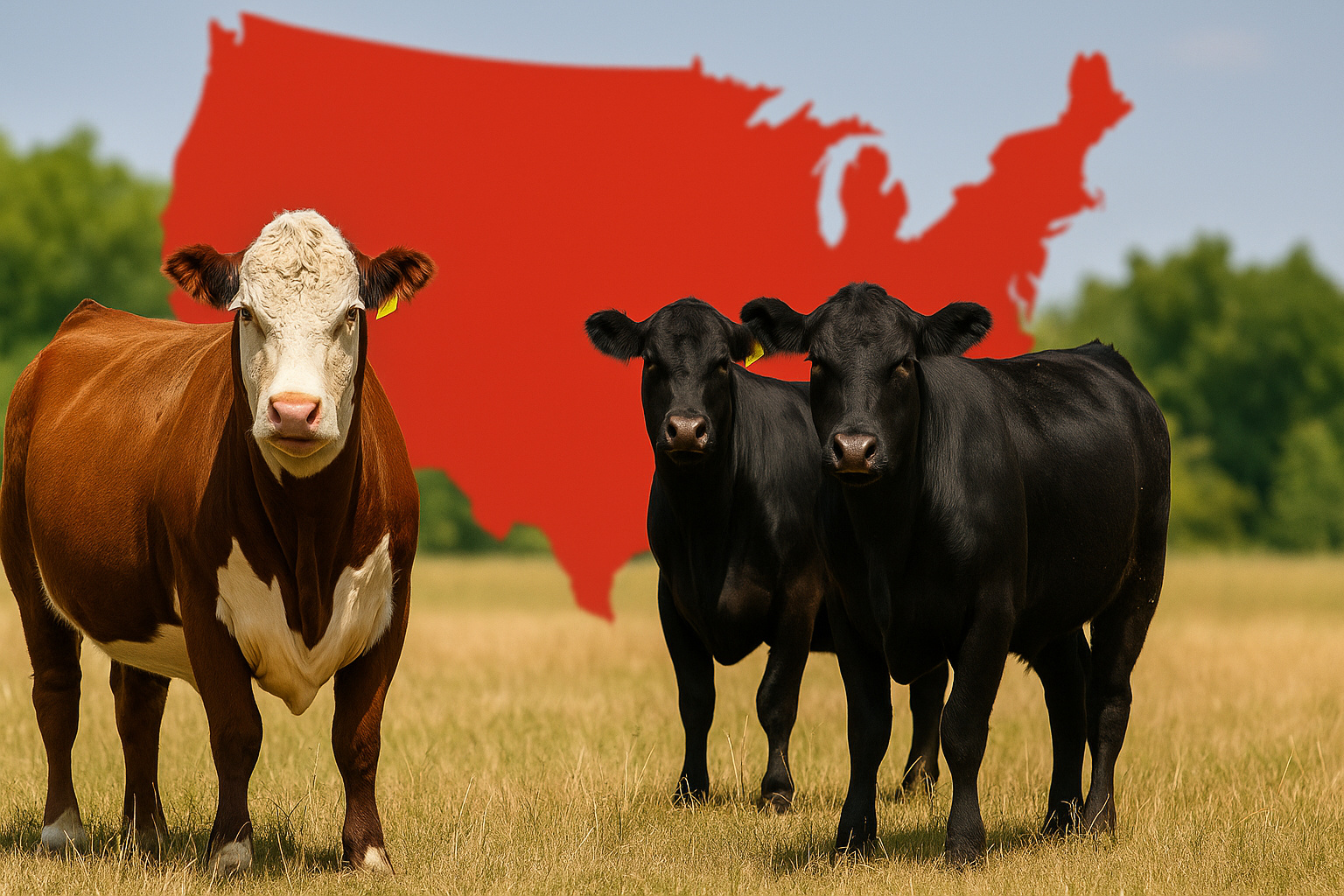
With Slow Expansion, Rising Costs, and Regulatory Challenges, Experts Point Out That the Recovery of Cattle in the U.S. Will Be Strategic and Its Impact May Redesign Global Beef Trade
The United States is currently experiencing the lowest cattle herd in its recent history, a milestone that pressures the supply of beef, influences domestic and international prices, and poses challenges for ranchers to rebuild their herds. This movement occurs at a time when the North American cycle closely resembles that of Brazil, aligning the effects on the international market.
According to analysts, this recovery will be slow, calculated, and filled with obstacles. Nonetheless, it could transform the dynamics of the global beef market through the next decade.
Slow and Strategic Recovery
The senior analyst at Rabobank Food & Agribusiness, Lance Zimmerman, describes the moment as a “calculated climb.” For him, the phase of culling cows is now behind, and the focus shifts to the retention of females. “The cattle cycle in the U.S. has officially entered a rebuilding mode, but this recovery will not be a sprint — it is shaping up as a slow and strategic climb,” he stated.
-
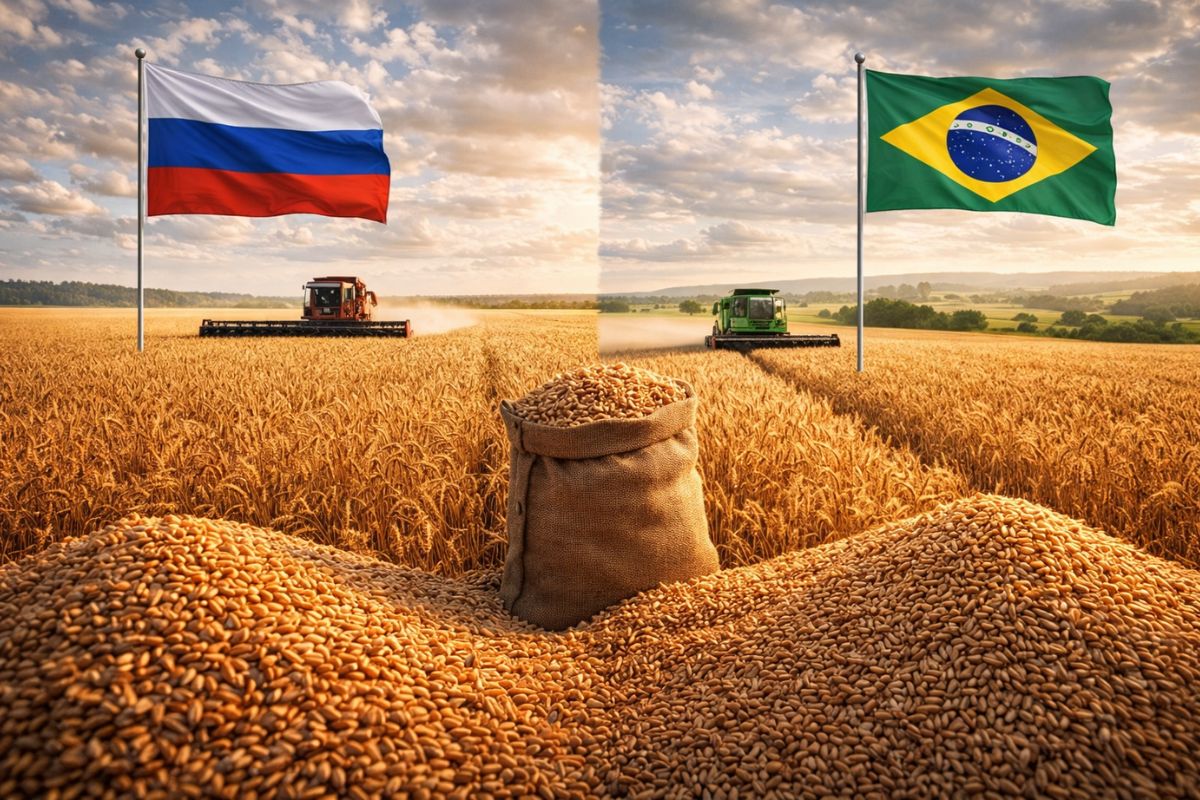
While Russia dominates the global wheat market, Brazil emerges as an unexpected competitor in the Cerrado, offering grain available in July and August when stocks in the Northern Hemisphere are at their lowest point of the year.
-
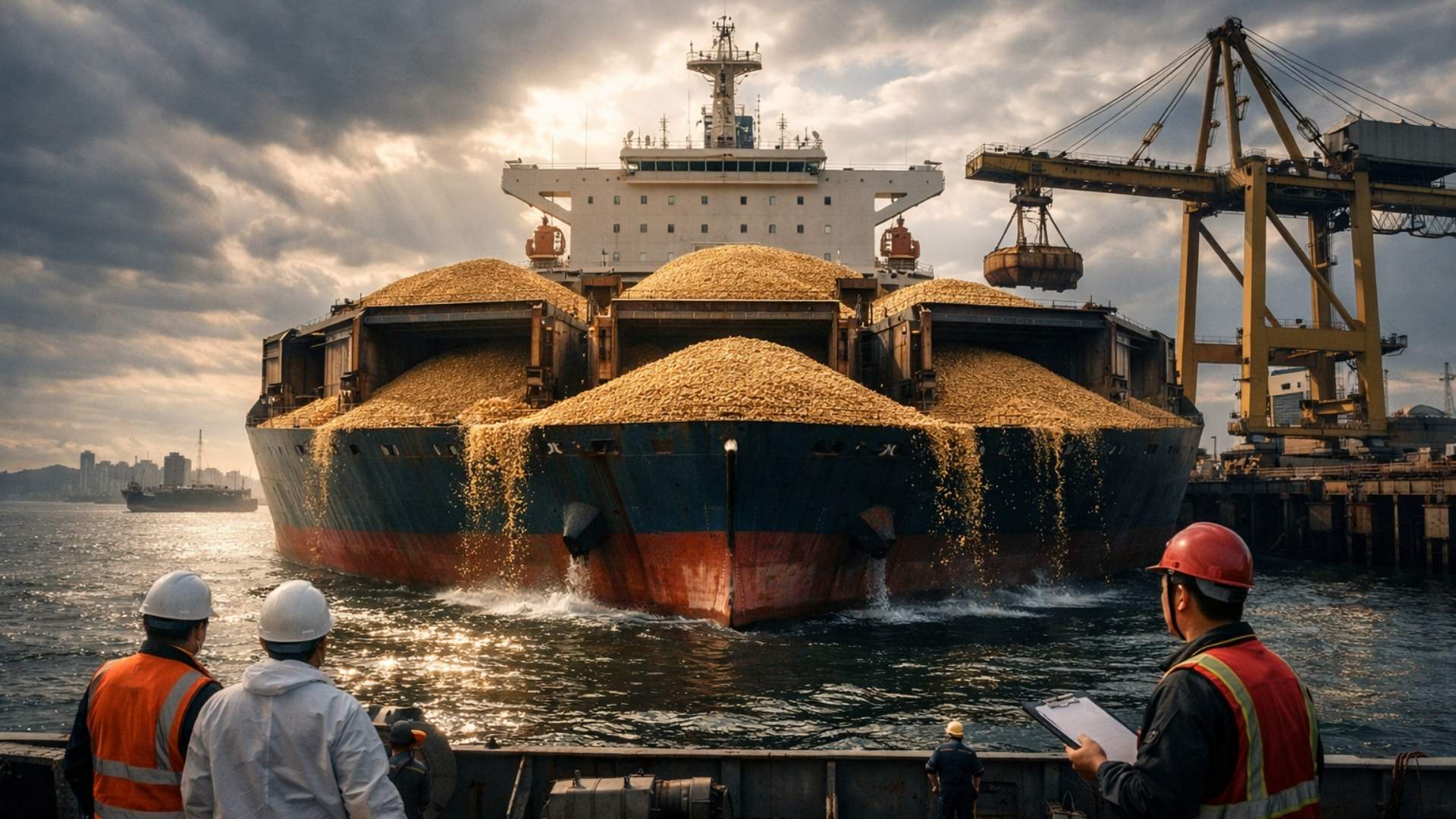
China returned almost 20 Brazilian ships with soybeans, but now everything could change: the country that buys 80% of the grain is considering relaxing regulations after impurities held up shipments of thousands of tons and caused million-dollar losses.
-
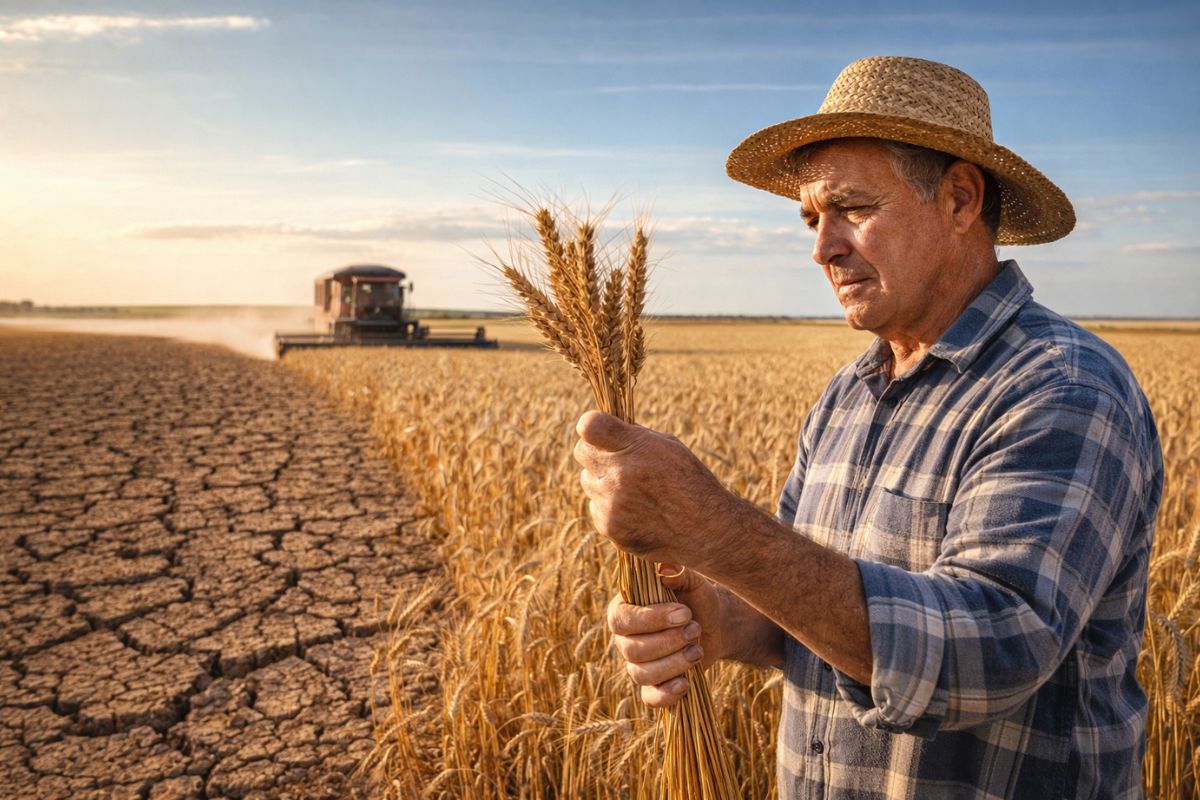
The drought of the cerrado was considered an enemy of wheat, but Brazilian scientists turned the lack of rain into a competitive advantage by creating a grain with quality that is already attracting the attention of international mills around the world.
-
THE OWNER of Brazil: a farmer who came from laundries, created an ’empire’ and today runs a company valued at R$ 42 billion after tripling its value in less than a year and receiving a billion-dollar investment from the USA.


Between 2016 and 2022, the North American cattle industry faced a combination of processing bottlenecks, persistent drought, high feed costs, labor shortages, and the effects of the pandemic. These pressures compressed margins and reduced expansion capacity.
According to Rabobank, by January 1, 2026, the U.S. beef cow inventory is expected to reach 28 million head, just 200,000 more than the previous year. In 2027, the expected increase should not exceed 500,000 animals. More consistent growth is only expected to begin around 2027, extending into the early 2030s. Even so, the peak will be between 500,000 and 1 million head below the record set in 2019 — something that, according to Zimmerman, is not necessarily negative.
Efficiency May Compensate for Smaller Numbers
One of the key points raised by experts is the efficiency of the North American sector. Even with fewer cows, beef production can reach new historical records. This is because productivity gains allow per capita supply to return to levels not seen in over two decades.
Still, expanding the herd by 2.5 million head will be a complex challenge. A survey by Farm Journal State of the Beef Industry shows that only 47% of ranchers plan to expand their herds in the next five years — four percentage points below the previous year. This data reveals the sector’s caution in light of economic uncertainties.
Costs, Bureaucracy, and Structural Limitations
The biggest hurdle to expansion is the cost of production. From basic supplies such as fencing and equipment to replacement heifers, prices remain high. This volatility compromises financial planning, reduces cash flow, and weakens profit margins.
Another critical point is access to pastures. The price of land continues to rise, while environmental restrictions and urban expansion limit the area available for livestock farming.
Adding to these factors are regulatory hurdles. As Zimmerman highlights, “bureaucracy and compliance requirements already consume significant time and resources.” Additionally, trade policies and new regulations bring extra layers of complexity, requiring constant adaptation from producers.
In the background lies a structural challenge: the aging of ranchers and lack of labor, which fuels a sense of exhaustion within the sector.
Global Impact and Similarities with Brazil
The challenge for the U.S. to rebuild its cattle herd is not just domestic. With the North American cycle closely aligned with the Brazilian one, the effects ripple through the global beef market. Both countries are going through similar phases of retention and culling of breeding stock, amplifying the consequences on prices, production costs, and profitability margins at the international scale. Learn more.
This way, the next decade could be marked by volatility in beef prices, solidifying both countries as central players in defining the global supply balance.
A Recovery Full of Obstacles
The United States will have to rebuild its herd in an environment of high costs, regulatory pressures, and structural transformations in the field. Although efficiency gains can sustain production records, the recovery will be slow and fraught with obstacles, as Zimmerman describes.
For the global beef market, this movement represents a decade of caution and firm prices, with impacts that extend far beyond American borders.
And you, do you believe that the U.S. will be able to overcome these challenges and regain its strength in the livestock sector, or should Brazil’s prominence become even more solidified in this uncertain scenario?
Leave your opinion in the comments.







Seja o primeiro a reagir!