





 Portuguese
  English
  Spanish
  4 min of reading
  0 comments


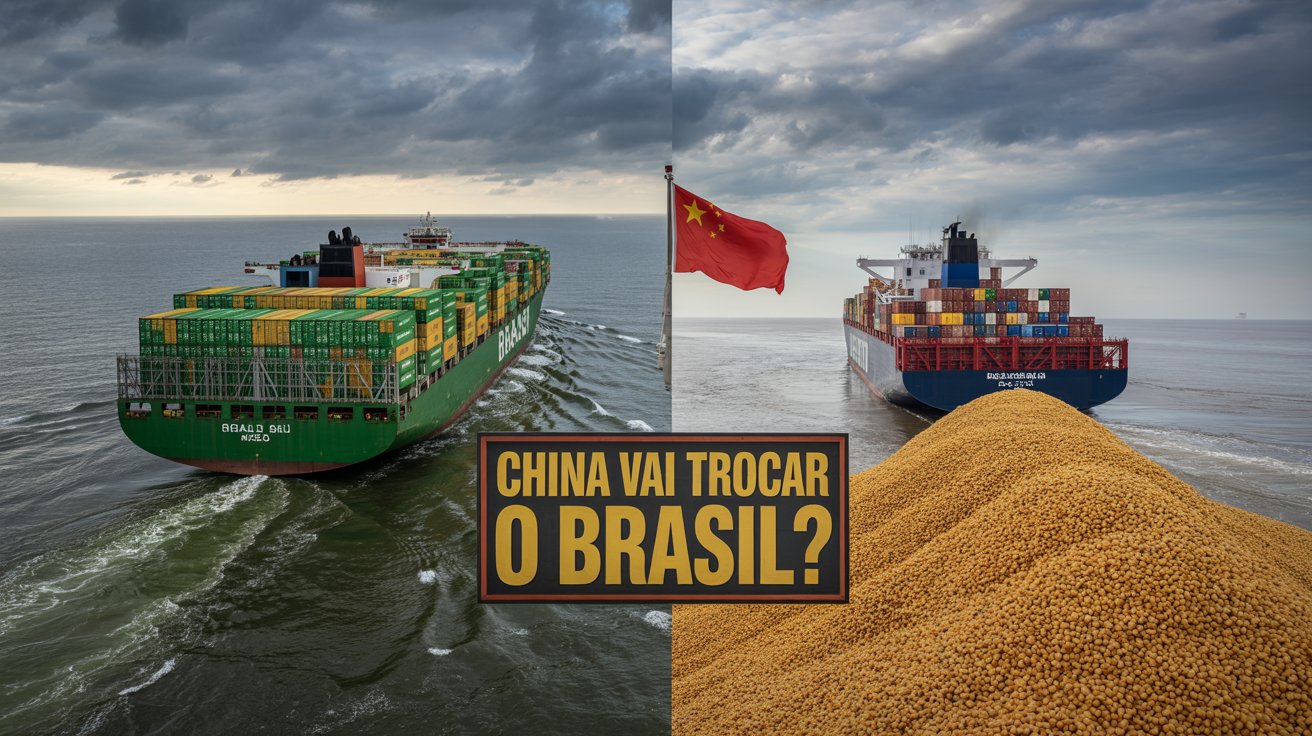
Donald Trump’s Request for China to Quadruple US Soybean Purchases Generates Reaction in the Planalto and Warns of Risks for Brazilian Agriculture Amid the Extension of the Tariff Truce with Beijing.
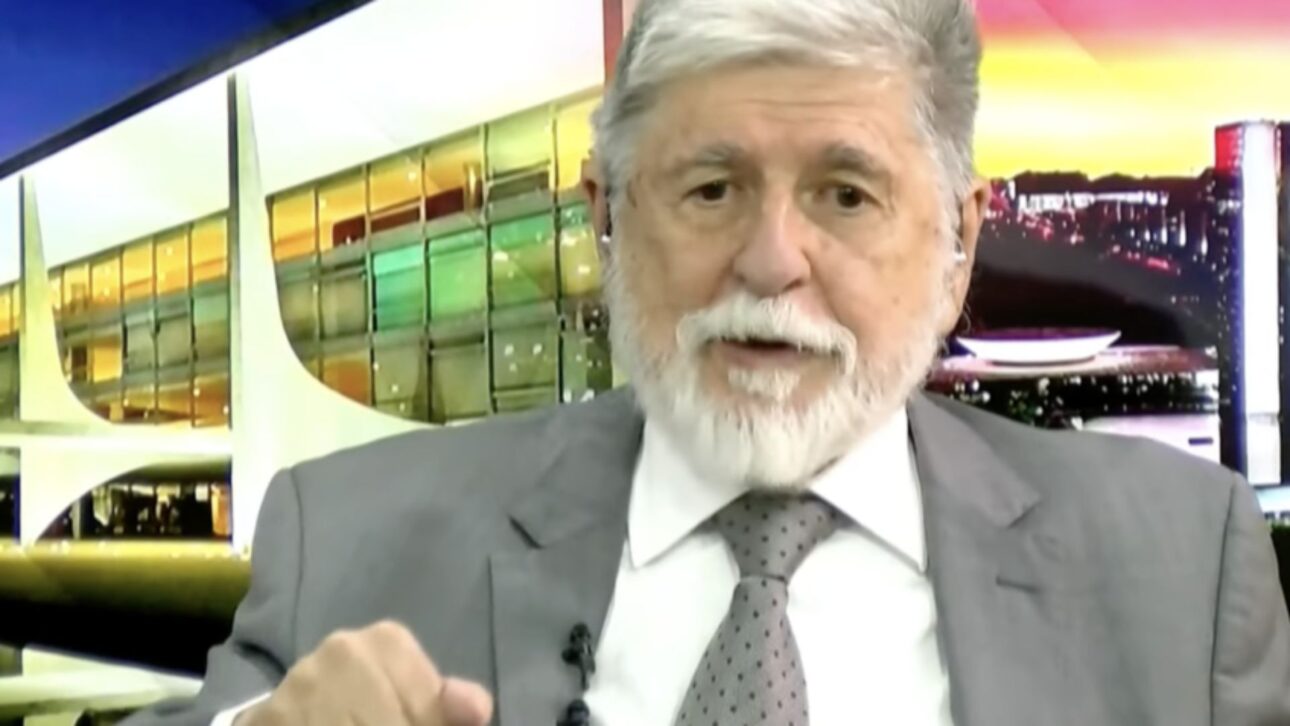
The Special Advisor to the Presidency, Celso Amorim, stated on Monday (11) that the request from the President of the United States, Donald Trump, for China to quadruple purchases of US soybeans reveals “almost a state of war against Brazil”.
The assessment was made on the program Roda Viva on TV Cultura, and comes amid the 90-day extension of the tariff truce between Washington and Beijing, announced the following day.
Meanwhile, President Luiz Inácio Lula da Silva called the Chinese leader, Xi Jinping, to discuss the commercial and political scenario between the powers.
-
Mercado Livre has just started selling medications with delivery in up to three hours to your door, and this move could completely change the way Brazilians buy medicines on a daily basis.

-
In Dubai, rising tensions from the war in the Middle East are causing super-rich individuals to leave the Gulf and direct their fortunes to a new financial refuge in Asia.

-
“No one will make us change the Pix,” says Lula after the US report.

-
Lula responds directly to Trump and says that Pix is from Brazil and will not change under pressure from anyone, after a report from the United States pointed out the Brazilian payment system as an American trade barrier.


Amorim’s Declaration on Roda Viva
In a live interview, Amorim declared that he sees no reason to believe that Beijing will abandon its partnership with Brazil. However, he emphasized that Trump’s gesture indicates pressure outside the normal market competition.
“I see no reason to fear that China will abandon the strategic partnership, but there must always be dialogue, and I believe this information reveals almost a state of war against Brazil. Because it’s not something won in commercial competition; it’s something won by force,” he stated.
The comment referred directly to Trump’s public appeal for Trump to increase Chinese purchases of US beans fourfold.
Soybeans at the Center of the Dispute
China is Brazil’s largest trading partner, and soybeans are among the main items on Brazil’s export agenda to the Chinese market.
In 2024, Beijing imported approximately 105 million tons of the grain.
Just under one quarter came from the United States, while the majority was shipped from Brazil.
Experts note that, without a reduction in tariffs, a jump to four times higher levels of American soybean purchases would be unlikely in the short term.
Tariff Truce Extended for 90 Days
On Tuesday (12), Trump signed an executive order that extended the truce with China for 90 days.
The measure avoided the resumption of high tariffs that would have expired at 12:01 AM on August 12 (Eastern Time).
With the extension, the current levels remain in place for now: a tariff of 30% on Chinese imports in the US and 10% on American exports to China.
Analysts see the potential for another meeting between the leaders later this year.
The decision was celebrated by financial markets, but does not immediately resolve uncertainties regarding agricultural flows.
Contact Between Lula and Xi Jinping
On Monday night (11), Lula called Xi Jinping. According to official reports, both discussed BRICS, G20, and business opportunities, as well as cooperation in light of the intensifying tariff dispute.
Xi signaled his willingness to work with Brazil and strengthen coordination in what is called the Global South, as well as expanding bilateral economic fronts. The contact originated from the Brazilian side, according to the Presidency.
Trump’s Request and Market Reaction
The appeal for China to quadruple soybean orders was made by Trump on Sunday (10) in a post on social media.
Commodity analysts considered the target highly unlikely without a change in the tariff regime or significant logistical adjustments.
Even so, prices of the most traded soybean contract in Chicago rose the following day, reflecting bets on possible extraordinary purchases.
Risks for Brazil in Trade with China
Beyond macroeconomic relevance, there is a calendar component. Traditionally, the US export window to China runs from September to January, between South American harvests.
In 2025, however, traders in Asia advanced contracts with South America.
Chinese buyers secured around 8 million tons for September and 4 million tons for October.
These volumes cover a significant part of the demand for those months, taking up space that, in other years, would have been filled by American supplies.
The trend reinforces Brazil’s dominance in supplying the Chinese market, at least while uncertainties regarding tariffs persist.
Market Dispute and Impacts on Brazilian Agriculture
For Brazil, the issue is not just about price, but about maintaining market share with a client that absorbs large volumes of soybeans and derivatives.
If Beijing abruptly redirects purchases to meet targets with Washington, cooperatives, traders, and producers in Brazil could face logistical adjustments and port premiums.
This would impact foreign exchange revenue and planning for the next harvest. So far, there is no formal commitment from China to acquire additional volumes from the US. The truce extension indicates a still negotiated and evolving scenario.
Next Steps in the Trade Dispute
As tariffs remain frozen until November 10, diplomats and negotiators are monitoring possible additional Chinese purchases of American soybeans.
The Planalto seeks to shield the Brazilian volumes contracted for the last quarter.
In the private sector, attention is on freight, premiums, and currency, factors that could reduce or amplify the impact of any potential reallocation of shipments.
In Brasília, the expectation is to increase high-level contacts with BRICS countries and other partners to diversify routes and reduce risks.
In light of this scenario, does US pressure on China represent a concrete risk to Brazilian agriculture, or will it tend to dissipate in a negotiation that endures until November?







Seja o primeiro a reagir!