





 Portuguese
  English
  Spanish
  4 min of reading
  0 comments


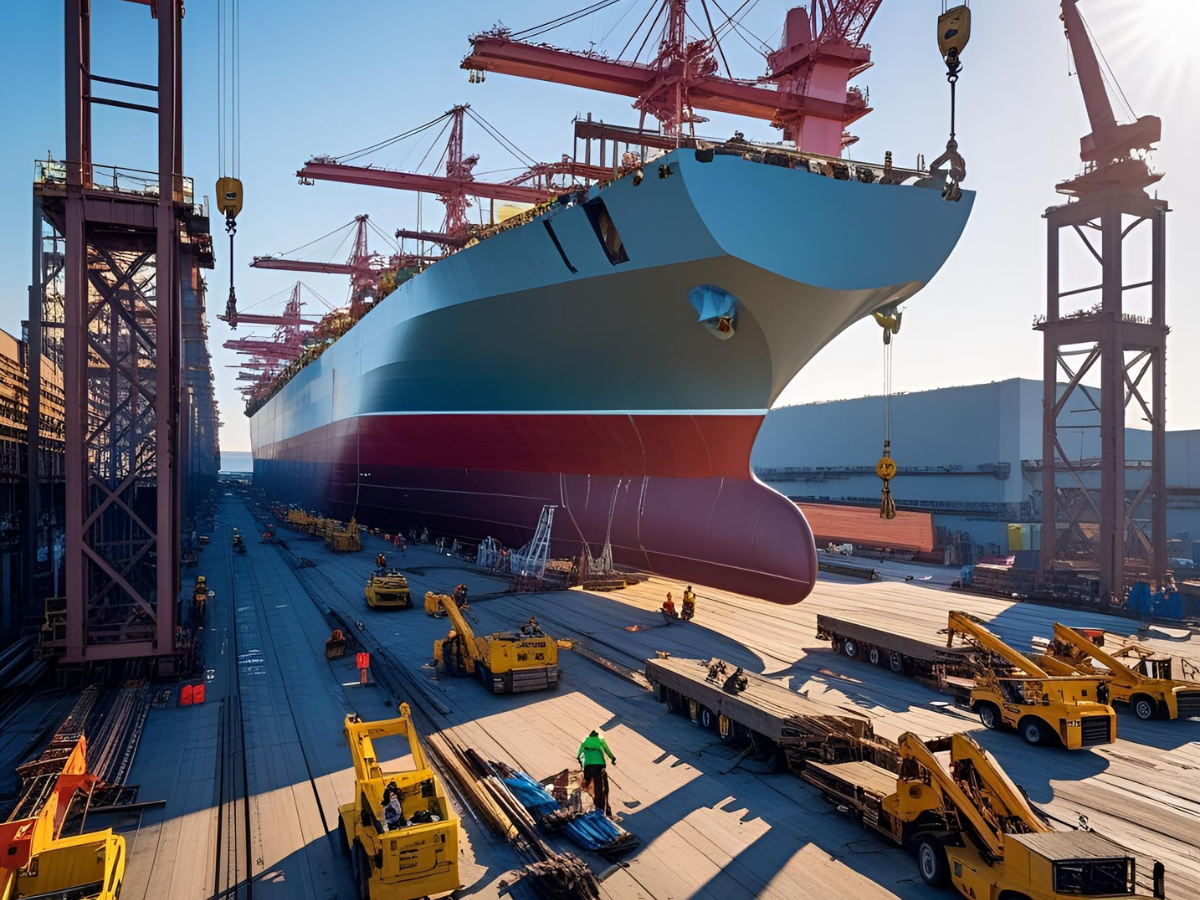
With Billion-Dollar Investments, United States Tries to Revitalize Its Naval Industry, Now Weakened. Led by Donald Trump and Supported by Members of Congress, the Initiative Aims to Reduce Dependence on Asian Shipyards.
In light of China’s growing influence in global naval construction, the United States has decided to act to prevent further loss of autonomy in the maritime sector. The response comes in the form of an ambitious plan to restructure the American shipbuilding industry, led by President Donald Trump, who has once again placed the issue at the center of national priorities.
“We are very, very, very far behind,” declared Trump while signing an executive order aimed at the naval sector. The president made it clear that he intends to mobilize significant federal resources to make this industrial turnaround possible. “We are going to spend a lot of money on this,” he reinforced.
China Dominates The Global Shipbuilding Industry
The numbers help to size the challenge. Chinese shipyards delivered 6,765 commercial vessels in the last decade, nearly half of global production.
-
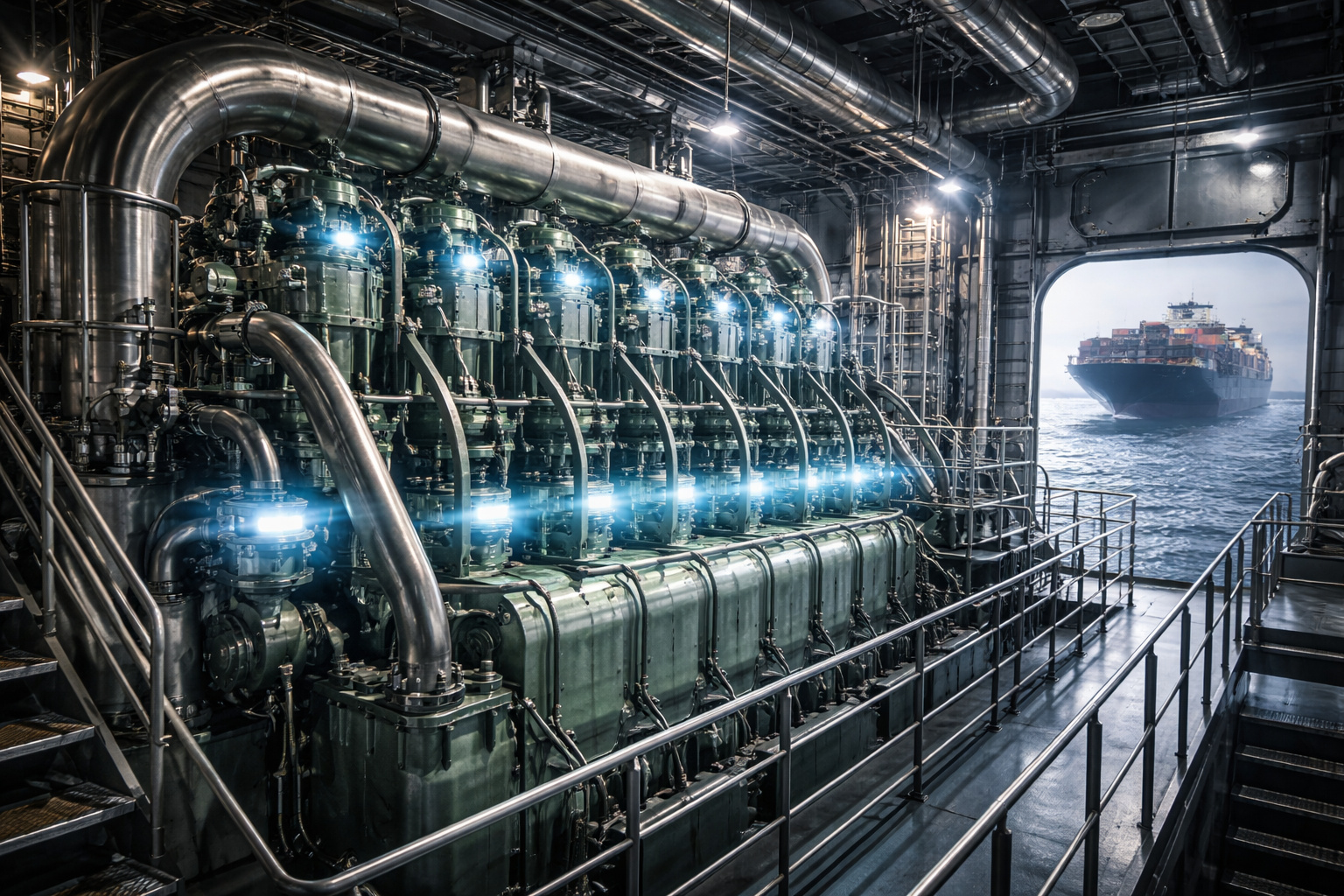
Europe is trying to create an ammonia-powered marine engine without auxiliary fuel, which could unlock the race for giant emission-free ships. The technology aims to eliminate one of the biggest obstacles to clean maritime propulsion.
-
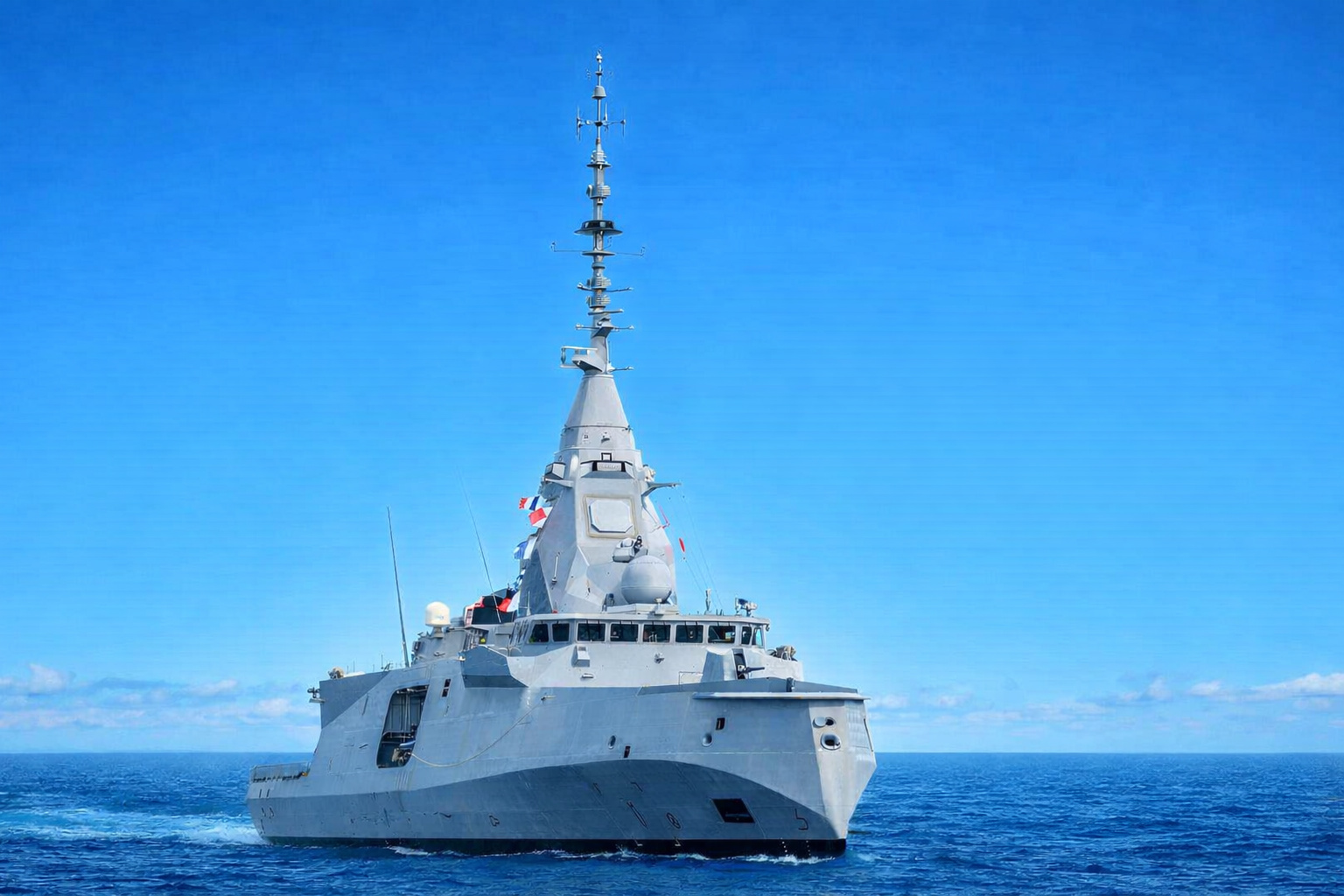
A 4,500-ton frigate with just over 100 crew members, state-of-the-art radar, and cruise missiles is being touted as the new standard of naval warfare in the 21st century.
-
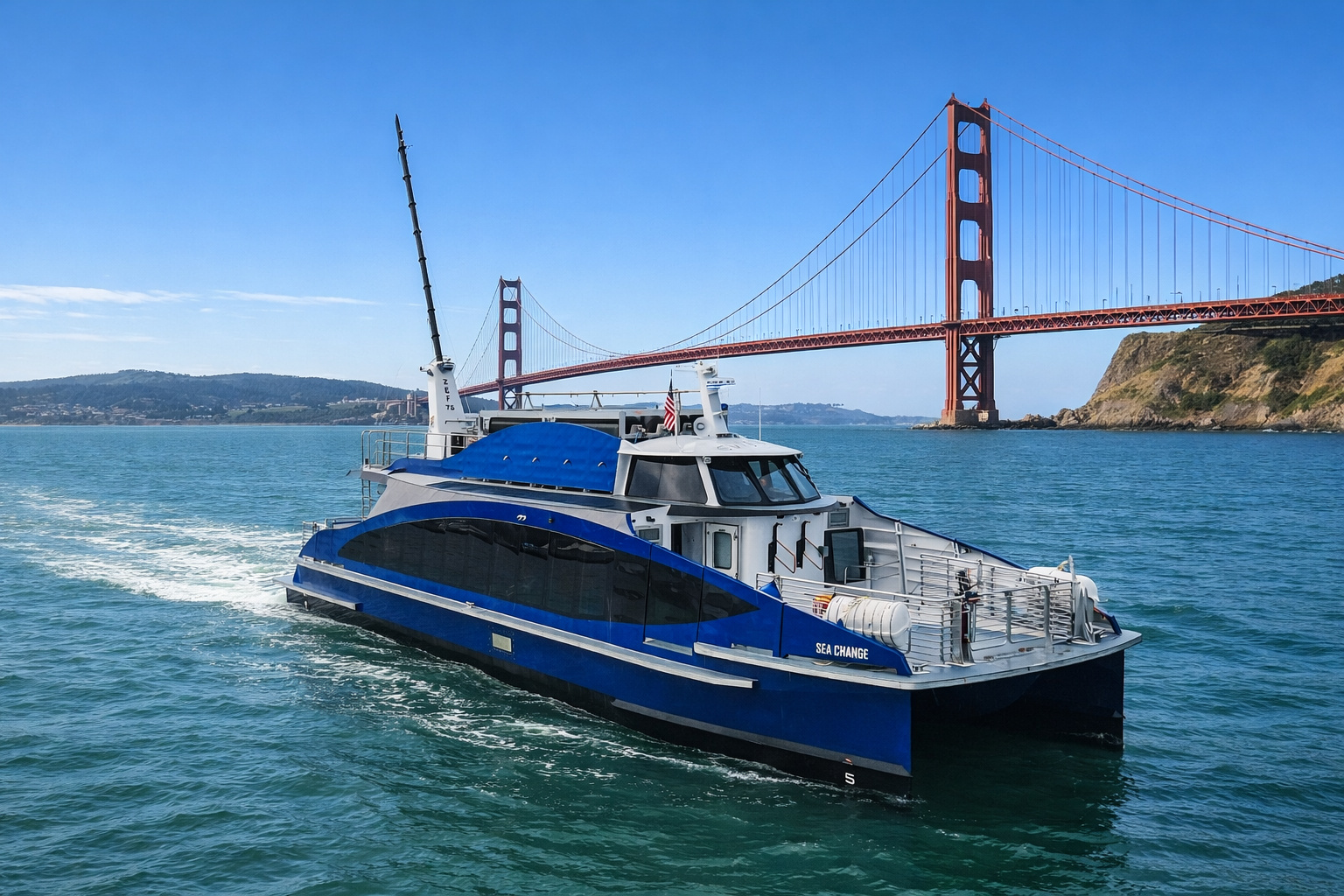
The first commercial hydrogen-powered ferry enters operation in the U.S., eliminates the use of diesel, uses fuel cells to generate clean energy on board, and transforms San Francisco Bay into a landmark of the new era of emission-free navigation.
-
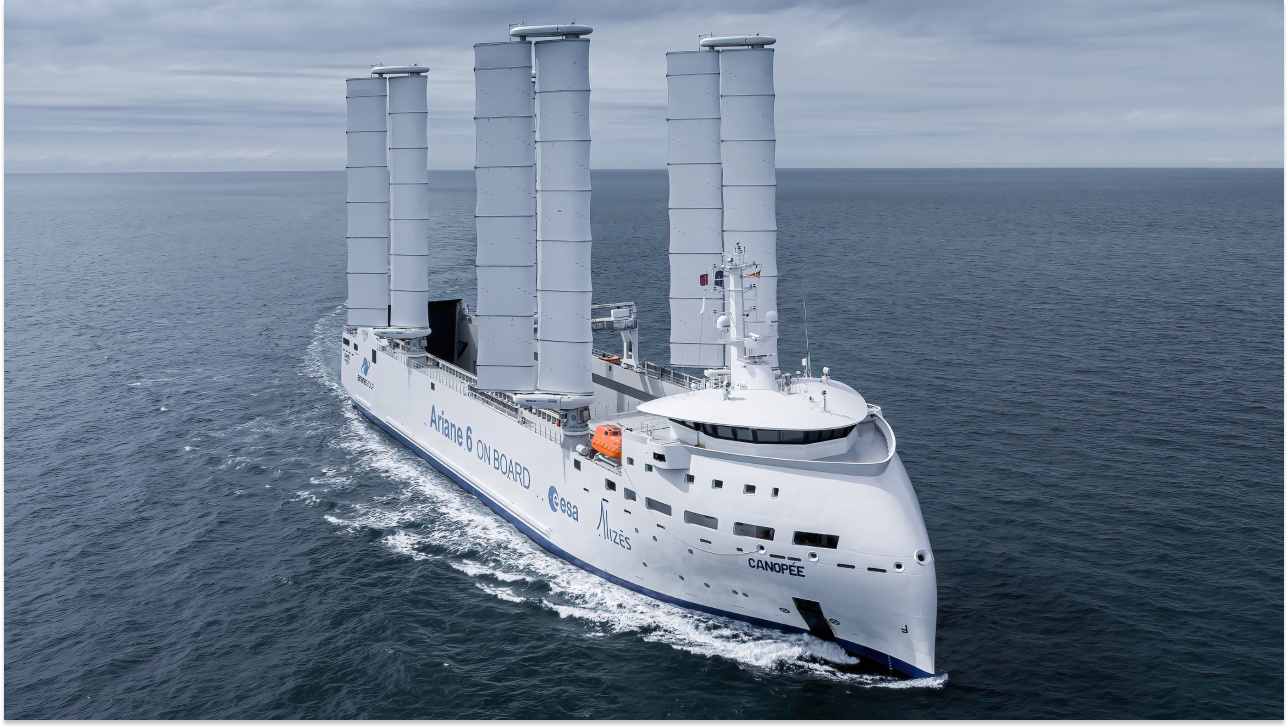
With a length of 121 meters and four rigid sails of 36 meters that automatically rotate to capture the wind, Canopée is the world’s first hybrid industrial cargo ship powered by wind, used to transport rockets and reduce fuel consumption by up to 30% on transoceanic routes.

In comparison, the U.S. built only 37 vessels during the same period. Allied countries like Japan and South Korea delivered 3,130 and 2,405 ships, respectively.
This Chinese dominance worries Washington, especially given the strategic role that the sector plays in logistics, defense, and foreign trade.
For authorities and experts linked to national security, keeping the American naval industry weakened is risky in times of geopolitical tensions.
Shipyard in Philadelphia Becomes Showcase of Recovery
One of the symbols of this recovery is located in south Philadelphia. The city’s former naval shipyard, recently acquired by the South Korean company Hanwha, represents both hope and obstacles for the project.
“The American shipbuilding industry is ready to grow,” said David Kim, CEO of Hanwha Philly Shipyard. However, he emphasizes that growth depends on consistent public policies, such as regular orders and measures to protect domestic production.
Hanwha plans to modernize operations on site, implementing technologies such as automated welding, but has yet to reveal the total investment amount beyond the US$ 100 million spent on the acquisition.
Despite the enthusiasm, the limitations are evident. The Philadelphia shipyard will only have capacity for new projects starting in 2027.
Additionally, building a ship in the U.S. can cost up to five times more than in Asia. While the South Korean unit of Hanwha delivers one ship per week, the American version produces, on average, one and a half per year.
This discrepancy in scale and efficiency concerns analysts. According to James Lightbourn of Cavalier Shipping, a ship produced under the Jones Act — which requires construction in the U.S. for routes between American ports — can cost US$ 330 million. A similar model made in Asia costs around US$ 70 million.
Congress Proposes Strategic Fleet with Million-Dollar Subsidies
To try to level the playing field, the United States Congress is debating a bill that provides for the creation of a strategic commercial fleet composed of 250 ships manufactured in the country and crewed by American citizens. The proposal includes tax incentives and direct subsidies to companies participating in the program.
These vessels could be activated in times of crisis by the Department of Defense, offering logistical flexibility in scenarios of war or trade blockades.
However, critics fear that the measure will turn into permanent subsidies for uncompetitive manufacturers, while others advocate for the purchase of ships from experienced allies such as Japan and South Korea.
Workforce Qualification Is a Challenge for The American Shipbuilding Industry
In addition to high costs, the shortage of skilled labor is a real barrier to the rebirth of the United States’ shipbuilding industry.
Hanwha aims to double its workforce from 1,500 to about 3,000 in less than a decade. By 2025, the number of apprentices is expected to rise from 120 to 240.
Niecey Zlomek, one of the new hires, shared her experience after joining the program: “It’s probably the best job I’ve had since I came here,” she said. She has already worked on three vessels, installing propulsion systems and heavy equipment.
Even so, retention remains a problem. “Many employees leave the job within the first year,” said Brett Seidle, acting deputy secretary of the Navy. To try to address this situation, the legislative project also includes grants to train and maintain domestic crews.
LNG Ships: New Focus of American Innovation
Another strategic bet of Trump’s plan is on liquefied natural gas (LNG) transport ships. Considered more complex to manufacture, these ships are essential for the future energy of the U.S. The new government guidelines require that an increasing portion of this fleet be made on American soil.
Hanwha, which has already produced more than 200 vessels of this type in Korea, believes that its unit in Philadelphia has the potential to become a reference center in the segment, as long as investments and public policies keep pace with the ambition of the project.
The rebuilding of the American shipbuilding industry represents a national effort to regain industrial autonomy and reduce strategic vulnerability in the face of China.
Although the project has strong political and business support, its success depends on factors such as technological innovation, workforce training, and long-term fiscal commitment.
As David Kim stated, “It’s not just about business. It’s about the country, about work, and about strategic priorities.”
Source: Folha








Seja o primeiro a reagir!