





 Portuguese
  English
  Spanish
  3 min of reading
  0 comments


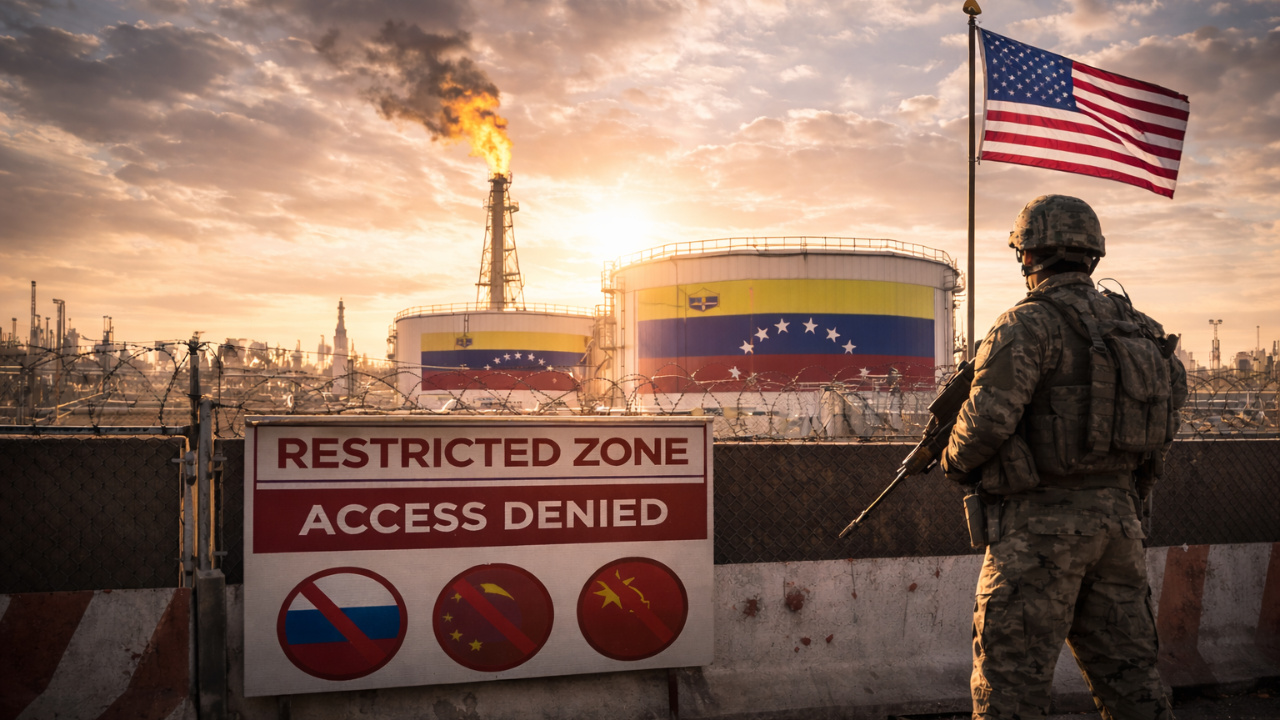
The United States Changed The Rules Of Venezuelan Oil, Allowing US Companies To Trade With Caracas While Barring Countries Considered Enemies, Such As Russia, China, And Iran.
Venezuelan oil has returned to the center of international politics following a decisive change made by the U.S. government.
The U.S. Treasury Department published a new license that profoundly alters the rules of trade between U.S. companies and Venezuela, which holds one of the largest oil reserves in the world.
The authorization was announced by the Office of Foreign Assets Control (OFAC) on Monday, January 3, with the official title “Authorizing Certain Activities Involving Venezuelan-Origin Oil.”
-
Petrobras evaluates suspension of sales to distributors and considers canceling the cooking gas auction following guidelines from the Federal Government.
-
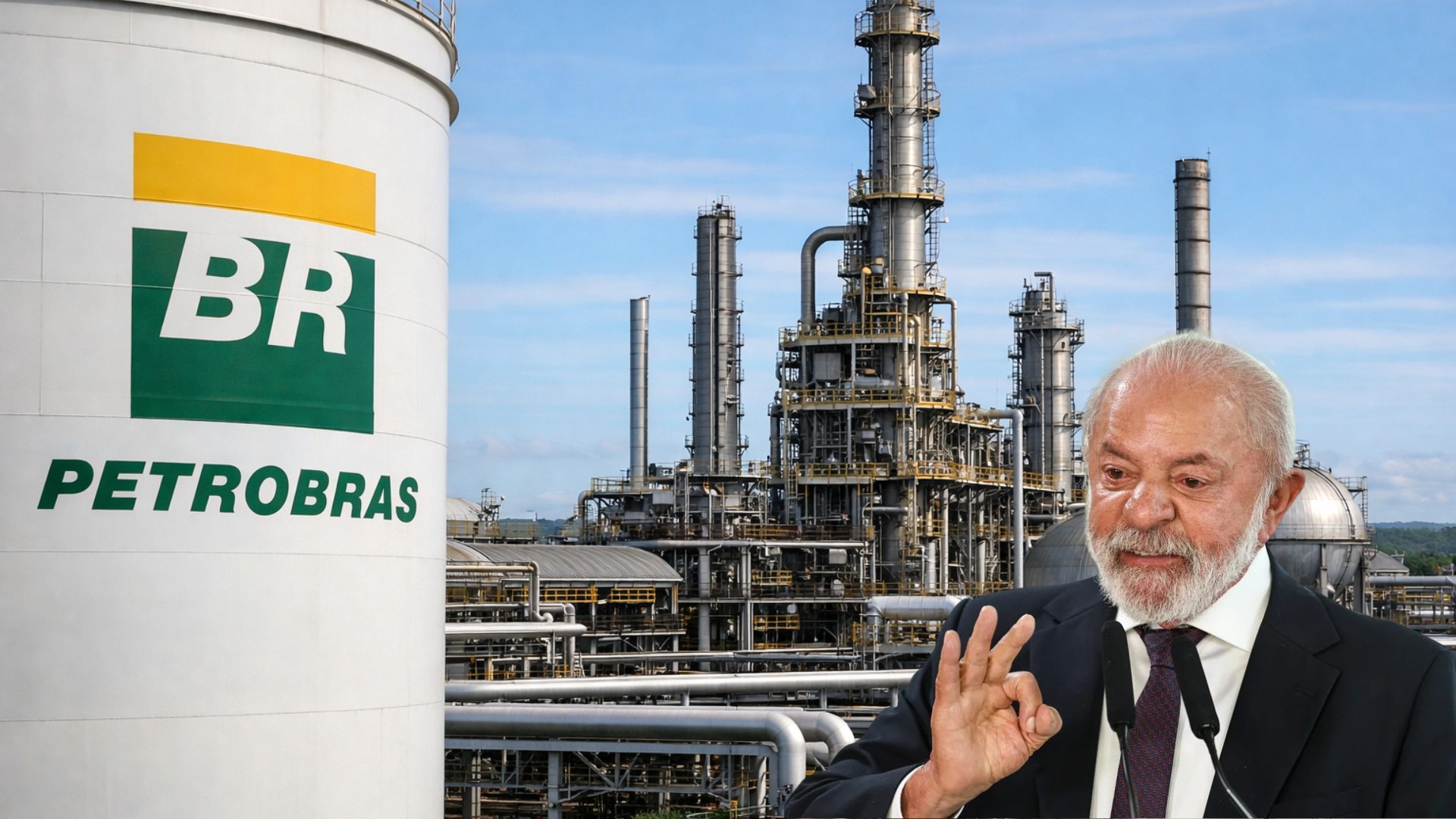
Lula reveals a masterstroke by Petrobras to undo a deal made by Bolsonaro, which involves the return of an important refinery that currently produces less than half of what was expected and makes Brazil dependent on international diesel.
-
A study confirms that the natural gas sector will reduce greenhouse gas emissions in Brazil by 0.5% and accelerate the energy transition by 2026.

-
Petrobras implements a severe adjustment and confirms a 55% increase in the price of aviation kerosene with a proposal for installment payments for the companies.

The text allows American and Venezuelan companies to resume business that had been stalled by decades of sanctions.
At the same time, the measure creates a clear barrier against countries viewed by Washington as enemies.
US Allows Oil, But Imposes Vetos On Venezuela Allies
While U.S. companies gain access to Venezuelan oil, several countries are excluded from the new game. The license prohibits any operation involving Cuba, Iran, Russia, China, and North Korea.
According to the official document, “any transaction involving a person located or organized under the laws of the Russian Federation, the Islamic Republic of Iran, the Democratic People’s Republic of Korea, the Republic of Cuba” is prohibited.
Also included in the list are “any entity that is owned or controlled, directly or indirectly” by these countries.
Moreover, companies connected to China are also blocked. The license prohibits any partnership or joint venture with Chinese entities.
The decision is part of the U.S. strategy to contain the influence of major powers in Latin America.
What Companies Can Now Do With Venezuelan Oil
The new license is broad. It allows for the exploration, export, and sale of crude oil. It also authorizes the supply of products used in refining, as well as transportation, storage, and logistics.
All of this is authorized “even when such transactions involve the Government of Venezuela, Petróleos de Venezuela (PDVSA), or entities in which the state-owned enterprise holds, directly or indirectly, a fifty percent or greater stake,” the license states.


For the first time, Venezuela will also be able to process its own heavy crude oil within the country.
However, there is a central condition: contracts must comply with U.S. laws, and any disputes must be resolved in U.S. courts.









Seja o primeiro a reagir!