





 English
  Francês
  Alemão
  Italiano
  Japonês
  Norueguês
  Portuguese
  Spanish
  4 min of reading


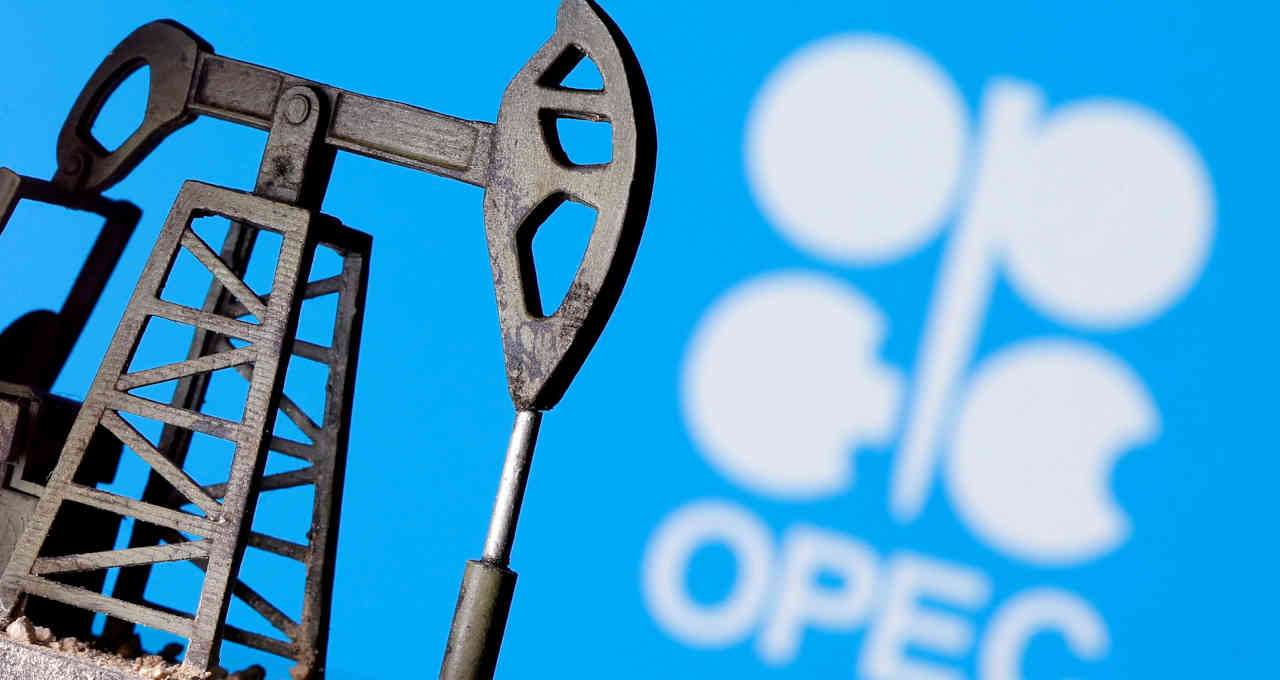
The U.S. Leads Initiative to Release Strategic Oil Reserves Alongside India, England, and Others. Check Out More Details.
The U.S., along with England, India, South Korea, and possibly Japan, has initiated a movement to release strategic oil reserves to contain the price of the commodity.
After a rejection by OPEC+ to increase the product’s supply in the international market, these countries decided to take action on their own, at a time when the price of a barrel is at its highest in 3 years.
The decision was made to control the price of oil, but also to help manage domestic inflation, which has been a problem in the U.S. and is generating wear and tear on Biden’s approval ratings.
-
Unemployment rises again to 5.8% at the beginning of 2026, raising alarms about the end of temporary positions and its impact on the Brazilian job market.

-
Document organization can cut invisible costs in small businesses, a simple step that prevents waste, rework, and losses in daily operations.

-
Brazilian giant expands borders in the Southeast: Petrobras confirms new oil discovery in ultra-deep waters in the pre-salt of the Campos Basin.

-
Alert in the global energy market: Severe tropical cyclone hits the coast and disrupts gas production at major plants in Australia, threatening global supply.


- Brazil, Germany, and the U.S. Reject Pact Signed by 24 Countries at the UN to Eliminate Sales of Combustion Cars by 2040
- OPEC+ Reaches Agreement to Increase Oil Production by 400,000 Barrels Per Day Over the Next Two Years
- After Halting Vehicle Production and Closing Factories in Brazil, Ford Enters the Chip Market to Increase Competition and End Production Crisis in the Automotive Market
- China’s Largest Offshore Oil Company, CNOOC, Discovers Oil and Gas Field in the North of the Country with Reserves of 100 Million Tons of Oil Equivalent
How Do OPEC+ Meetings Work and Why Is This an Uncommon Situation?


OPEC+ meetings occur periodically and aim to help maintain the oil market and control prices. In this case, the last meeting decided that there would be no increase in supply, despite requests from the U.S. and other countries, which would have caused the price of the barrel to continue rising.
The intervention made by this other bloc of countries is an unusual move and demonstrates a certain dissatisfaction from consumer countries regarding OPEC+’s policy, which has kept barrel prices high, negatively impacting economies recovering from the health crisis.
Another issue that “stands out” is England’s inclusion in this movement, marking one of the first major international economic moves by England post-Brexit.
How Will the Barrels from Strategic Reserves Be Released? Could There Be Diplomatic Consequences?
The U.S. Strategic Petroleum Reserves cannot be moved lightly, as congressional approval is required for these actions to be taken. Initially, a total of 32 million barrels of oil are being loaned to the market, in addition to 18 million barrels approved for sale.
In this regard, some countries have not disclosed amounts regarding barrels to be released. South Korea and Japan have not revealed their numbers, while England mentions 1.5 million barrels. India is contributing 5 million barrels.
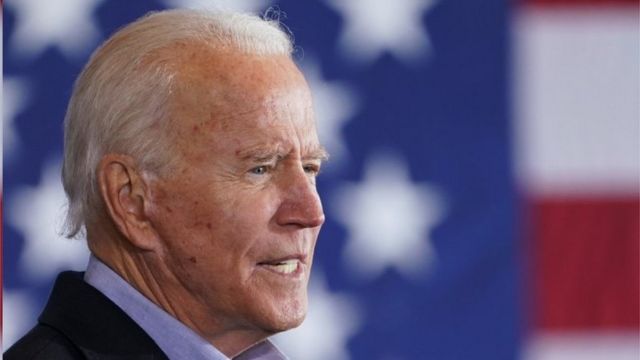
There are two closely related political issues concerning this U.S. release, one internal and the other external. On the internal issue, we see President Joe Biden having a rocky first year in office. With his party suffering a defeat in the last election and his approval ratings declining, he is trying to combat the country’s inflation by attempting to force down the international price of oil.
On the international front, the U.S. is going against the interests of allies in the Gulf, such as the United Arab Emirates, by opposing a decision from OPEC. It is too early to say whether this will have any long-term consequences, but this risk is not entirely ruled out.
What Are the Consequences of This Oil Barrel Release for Brazil?
This release of oil barrels from the U.S. strategic reserves could have a positive effect on the domestic market, especially regarding fuel prices. With the import parity policy in place at Petrobras, any fluctuations in the price of oil have consequences for our economy.
It is difficult to predict how and if these releases will actually affect oil barrel prices, or how soon this change will reach fuel pumps, especially since there is another OPEC+ meeting scheduled this year on 12/03.










Seja o primeiro a reagir!