Portuguese
  Spanish


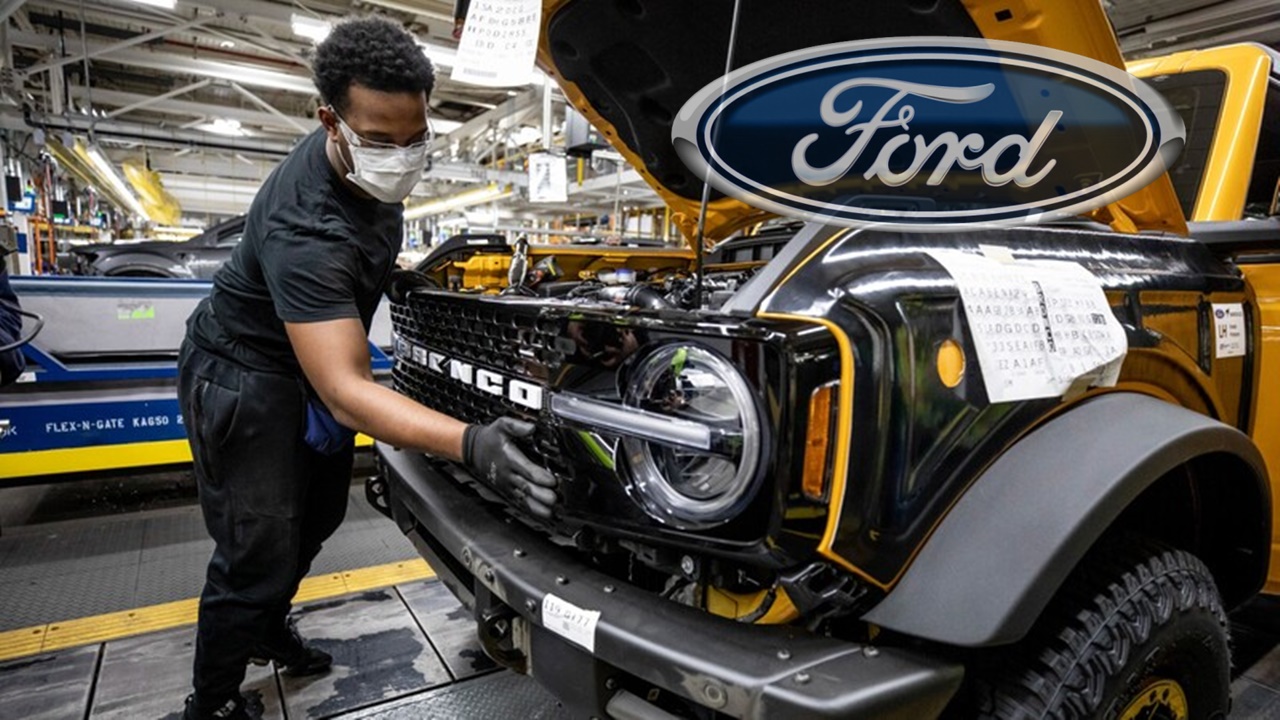

Ford Chief Says Initiative Represents “Just The Beginning” Of The Business And Is Part Of The Company’s Supply Chain Strategy To End Production Crisis.
After halting vehicle production and closing factories in Brazil in recent months, Ford had to significantly reduce its output, resulting in million-dollar economic losses, due to the semiconductor chip shortage that triggered a crisis affecting numerous companies across various sectors of technology.
Read Also
- After Ford Ka and Hyundai HB20, Duster Receives A Zero Rating In Crash Test, And Multinational Renault Could Face A Million-Dollar Fine
- Ford Sees Hundreds Of Brand New F-150 Pickups Being Destroyed In A Train Accident
- After Ford Announced The End Of Troller In Brazil, Americans Discover That The Multinational Vehicle Manufacturer Was Preparing Troller With A Ranger Raptor Engine And Mustang Transmission
- To Ease The Burden With The Surging Gasoline, Ethanol, Diesel And CNG Prices, Consumers Turn To A Kit Online That Promises A Water-Powered Car With An Initial Cost Below R$ 200
- Brazilians Rush To Buy Gasoline At Half Price And Fuel Is Limited To 15 Liters To Avoid Shortages At Gas Stations In Puerto Iguazú – Argentina
To resolve this problem, Ford Motors announced a strategic agreement with GlobalFoundries (GF), a company dedicated to the design and production of semiconductors. This way, it is expected to secure chip supply while presenting the opportunity to design exclusive chips for the automaker.
Ford’s President and CEO, Jim Farley, stated in a release that the supply agreement with GF, based in New York, represents “just the beginning” of the business and is part of the company’s plan to “vertically integrate key technologies and capabilities,” although this announcement does not reveal financial details or the date when GlobalFoundries would start supplying semiconductor chips to the automaker. These chips would be used for advanced driver assistance, battery management, and network systems.
-
Eni Acquires 25% Stake in Chilean Lithium Project, Plans to Invest Up to $225 Million in Eco-Friendly Extraction Method

-
Unable to secure a mortgage as a self-employed single mother, she designed her own floating home from a 20-meter boat and now lives “off-grid” with her two children and solar panels on an English canal.
-
Man Transforms Rusty Shipping Container into Luxury Home with Insulated Walls, Large Windows, and Drywall Finish, Surprising Onlookers

-
“Super Grass” Miscanthus Grows Rapidly Without Pesticides, Replacing Heating Oil in Europe and Now Used in Carbon-Capturing Concrete and Walls in World’s First “Bale House”



“It is critical that we create new ways to work with suppliers that give Ford and the United States greater independence to produce technologies and resources that our customers will value most in the future,” Farley said in the statement. Both companies claimed that such an agreement would allow GF to “create an increased supply of semiconductors for Ford’s current range of vehicles” as well as the possibility of “joint research and development” to respond to the demand for chips in the automotive sector.
The Shortage Did Not Just Affect Ford
Far from being a problem of a single company, the chip shortage has generated consequences for numerous businesses and has prompted different sectors to take action on the matter. Similarly, so far this year, U.S. President Joe Biden has announced measures to increase semiconductor chip production in that country.
According to a report published in September by the consulting firm AlixPartners, the chip shortage worsened by the pandemic will cost the automotive sector about $210 billion globally and will result in 7.7 million fewer vehicles being produced than expected. In light of this scenario, the demand for components becomes increasingly urgent, and the measures taken are a viable solution, but the recovery of the sector will be slow, which according to the firm, will not be seen until at least the second quarter of next year and “will likely extend a bit longer.”