





 Portuguese
  English
  Spanish
  2 min of reading
  0 comments


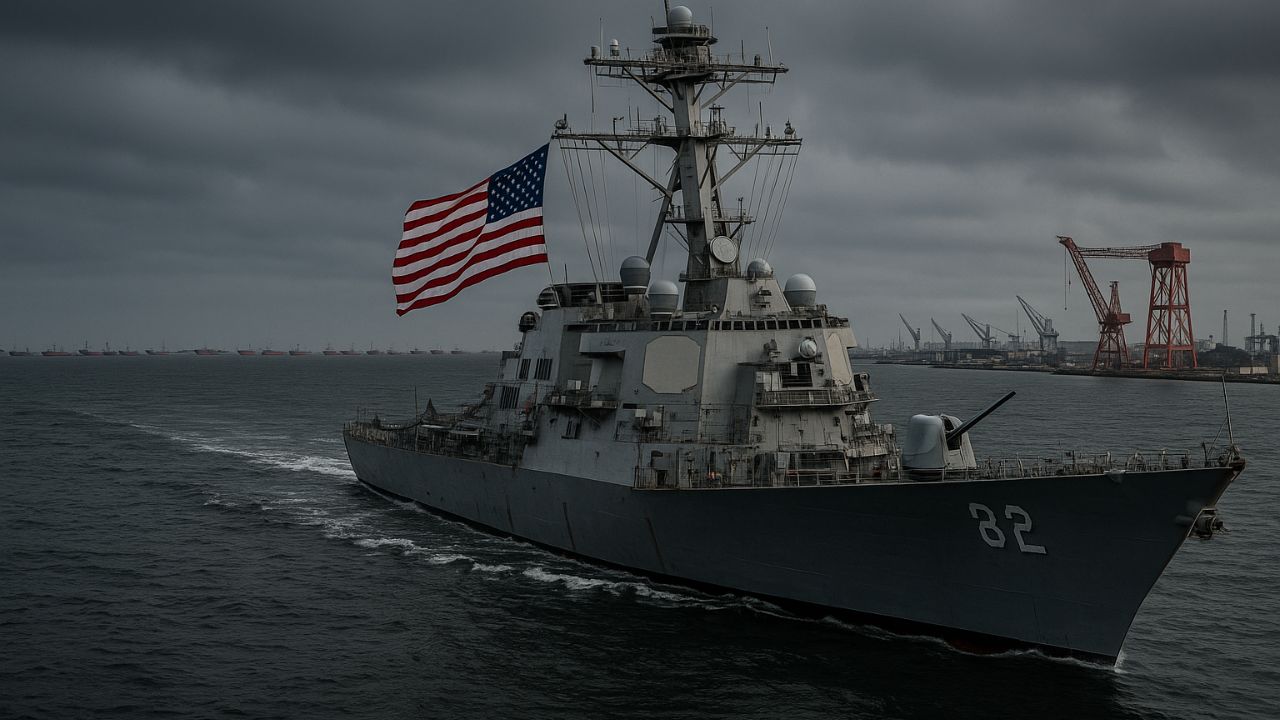
New Legislation Aims to Revitalize the American Maritime Industry and Strengthen National and Economic Security
The U.S. Congress has reintroduced the SHIPS for America Act, which seeks to create a Strategic Commercial Fleet of up to 250 vessels, countering Chinese maritime dominance and ensuring American presence in international shipping.
Strategic Commercial Fleet Will Be Limited to 250 Vessels
The new legislative proposal, officially titled Naval Construction and Port Infrastructure Act for Prosperity and Security for America of 2025, mandates the formation of a Strategic Commercial Fleet. The goal is to have privately owned ships with commercial capacity and military utility. The maximum limit will be 250 active ships. This measure aims to strengthen national security and reduce American vulnerability during times of conflict or geopolitical tension.
External Maritime Dependence Concerns U.S. Authorities
Currently, the U.S. has fewer than 200 ocean-going vessels. Only 80 of them are engaged in international trade. In contrast, China already operates over 5,500 documented ships. According to Senator Mark Kelly, this indicates that the U.S. is falling behind. He warned that 98% of American imports arrive on foreign ships, a significant portion of which are built with Chinese subsidies. This dependence is viewed as a risk to security and the economy.
-
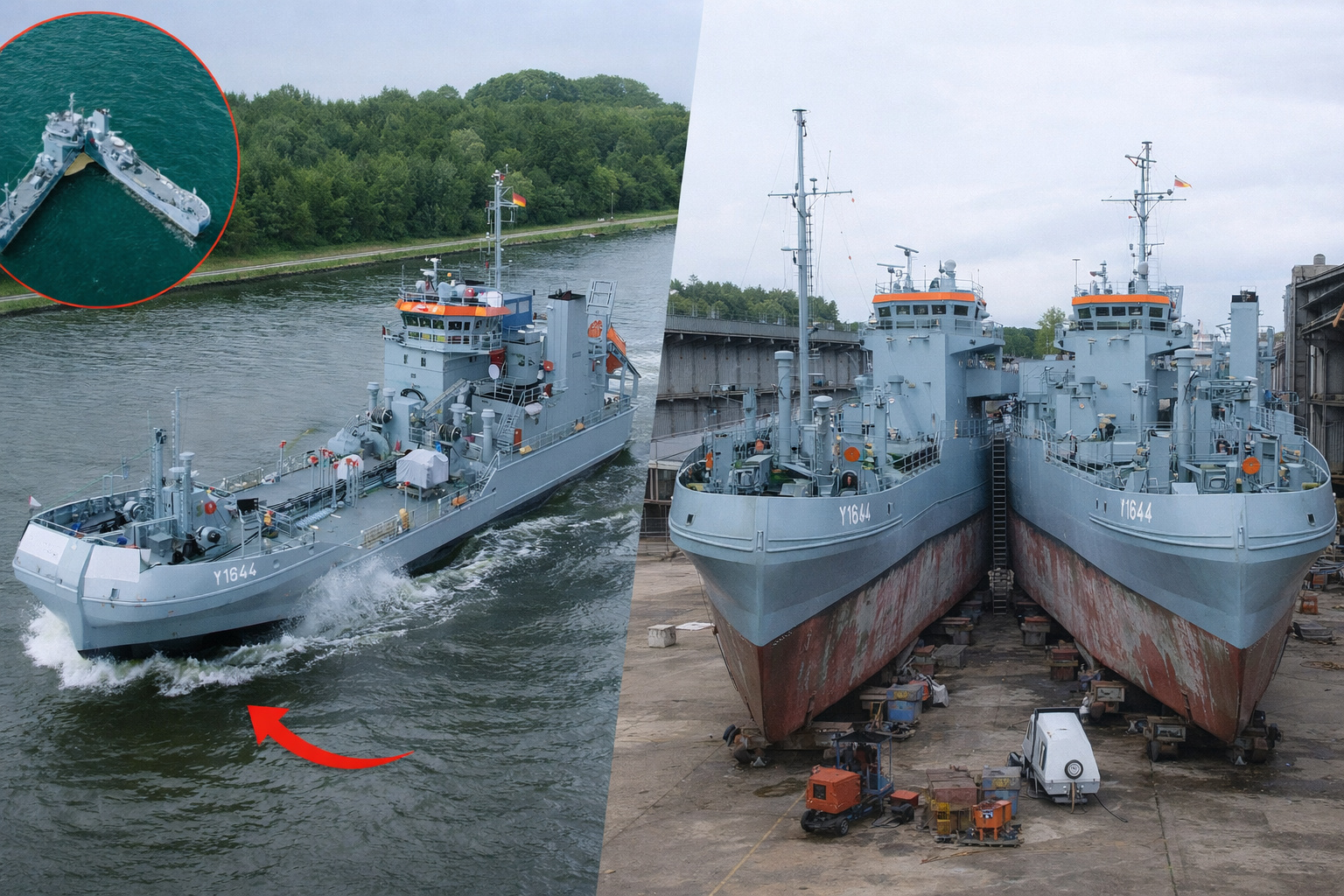
The German ship Bottsand splits its hull in two halves in the middle of the ocean to swallow spilled oil on the surface, separating the oil from the water inside a 790 cubic meter tank and then closing again. It is the only ship in the world factory-designed to split in half as part of normal operations, and the crew of six people who operate everything is civilian.
-
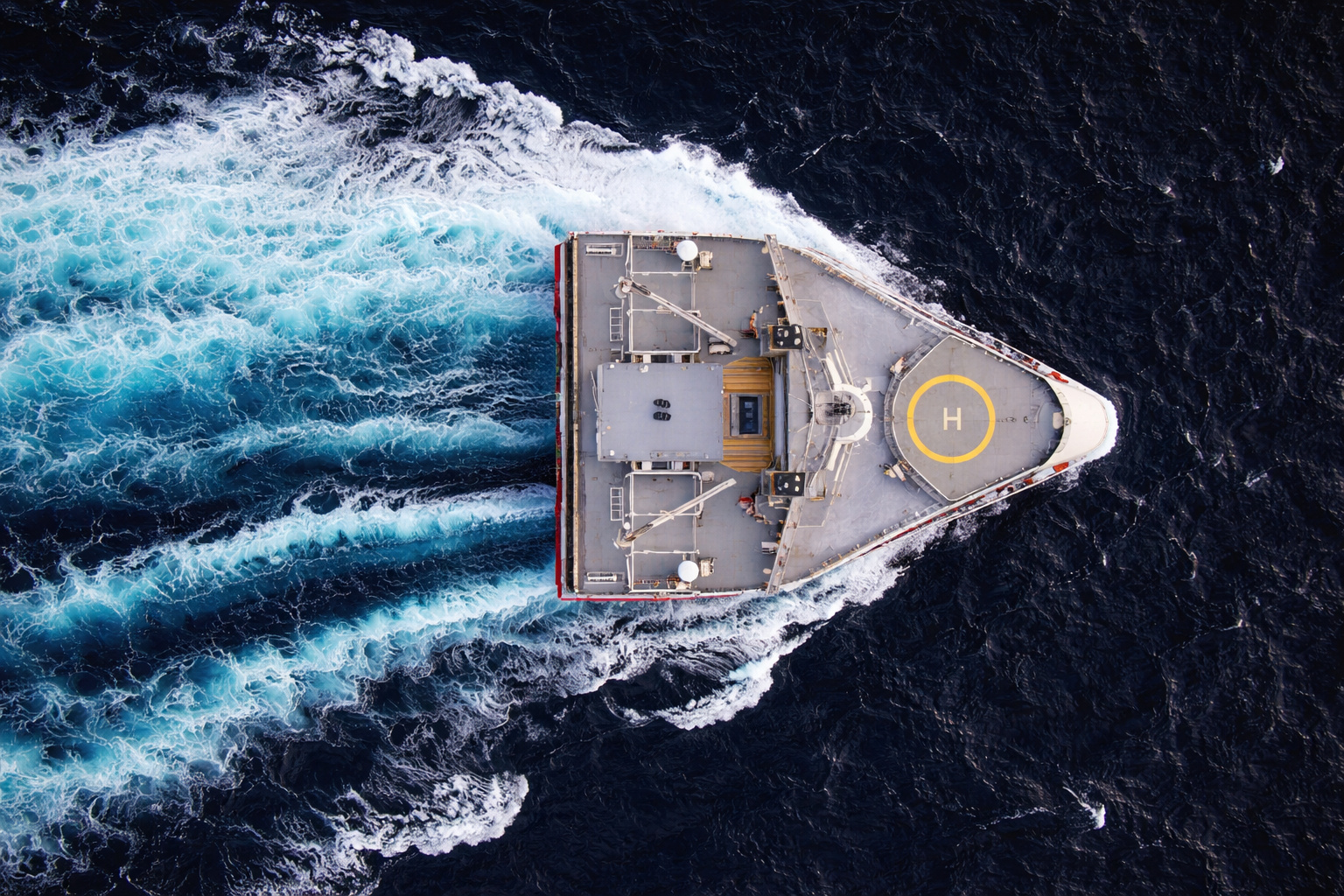
With almost 70 meters in width at the stern and a shape resembling a “giant slice of cheese,” the Ramform Titan tows up to 24 seismic cables to sweep the ocean floor in 3D and reveal oil reserves hidden beneath kilometers of sediment.
-
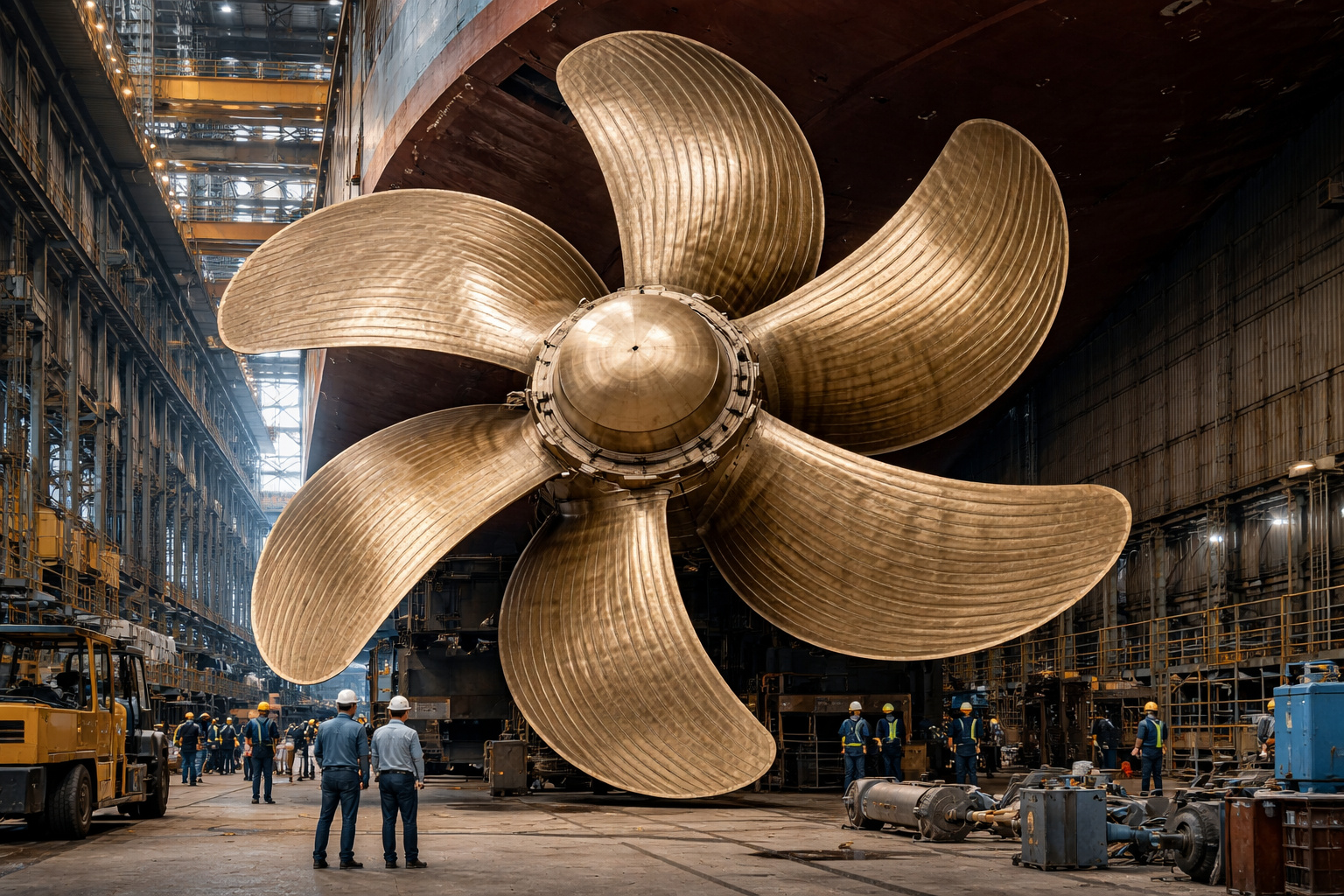
How a 131-ton, 11-meter propeller supports 90% of global trade and transforms the largest container ships on the planet.
-
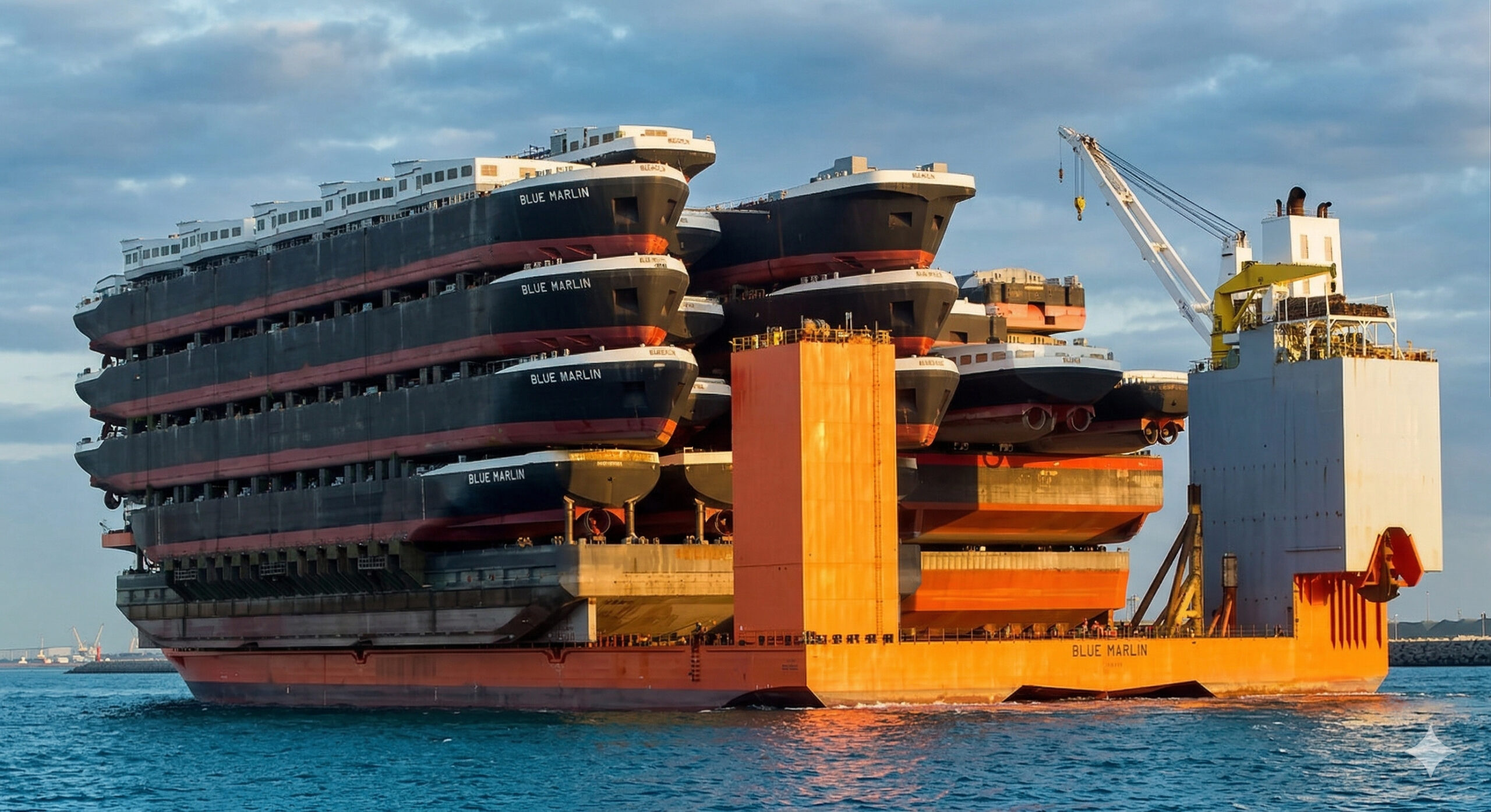
With a length of 225 meters and a capacity of 76 thousand tons, this ship “sinks” its own deck down to 28 meters deep to accommodate war destroyers, oil platforms, and giant radars floating above, and then emerges with everything intact on top like a colossal tray crossing oceans.

SHIPS for America Act Includes Billion Dollar Fund and New Requirements
In addition to the fleet, the legislation proposes creating a Maritime Security Trust Fund of US$ 20 billion. This fund would expand collaboration with allies and ensure that 100% of government cargo is transported by American-flagged ships. The law also stipulates a new requirement for the LNG sector: starting in 2028, 1% of exports must be conducted on ships built, registered, and operated in the U.S.—a figure that will rise to 15% by 2047.
Sectors Impacted by New Tariffs
With the recent executive order signed by Donald Trump, Chinese ships and vessels built in China will face fees of up to US$ 1.5 million. The changes, expected to begin in October, will mainly affect the container shipping sector, especially vessels over 4,000 TEU. Meanwhile, the bulk and tanker sectors are expected to feel reduced impact due to various exemptions included.
Chinese Ships May Avoid Routes to the U.S.
With the pressure from tariffs, experts like Nikos Tagoulis warn of a possible redirection of routes. The expectation is that part of the cargo will be transshipped in Caribbean or Latin American ports before reaching the U.S., as a way to circumvent the new regulations. This underscores the urgency to revitalize the American maritime industry to avoid reliance on external strategies.








Seja o primeiro a reagir!