





 Portuguese
  English
  Spanish
  3 min of reading
  0 comments


With Project 25, the USA Invests US$ 2 Trillion to Modernize Its Nuclear Arsenal, Reactivate Tests Suspended for 30 Years, and Reintroduce the B83 Bomb, 80 Times More Powerful Than Hiroshima’s, in Response to the Nuclear Expansion of China and Russia.
How are the USA planning to confront nuclear powers like China and Russia? The world stands on the brink of a new arms race, and Americans seem to have a recipe for it: Project 25. Based on bold strategies, this plan promises to revolutionize the nuclear capability of the USA, rekindling debates that seemed forgotten over time. Let’s understand what’s at stake.
Project 25: A New Arms Race?
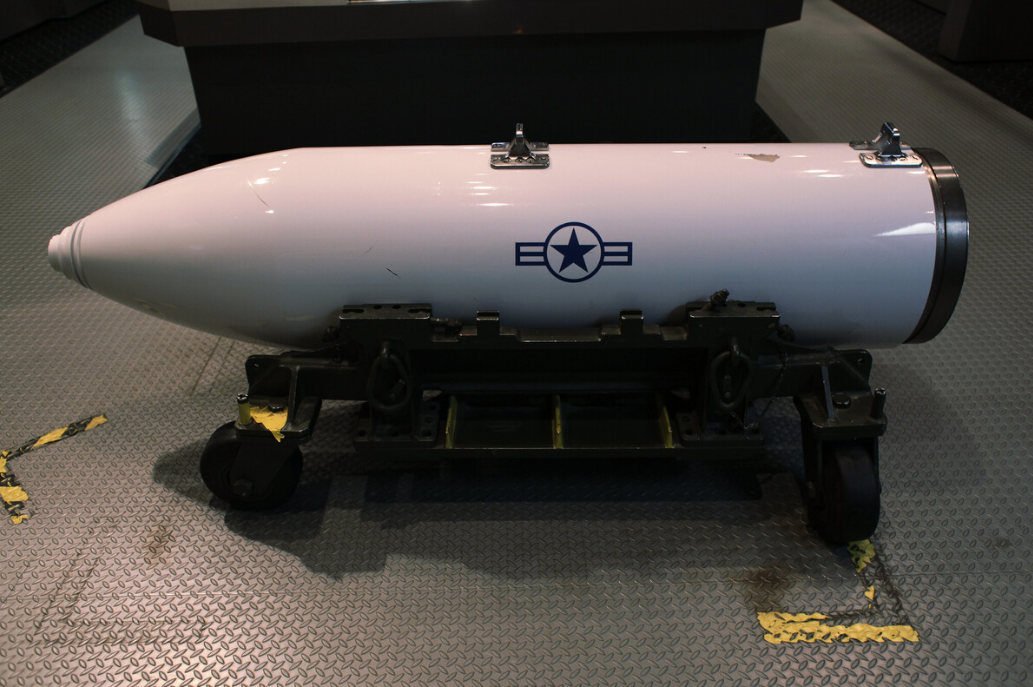
Project 25 is an initiative developed by the Heritage Foundation, in partnership with former officials of the Trump administration, to reposition the USA in the global military landscape. Among its most controversial proposals is the reintroduction of the B83 nuclear bomb, a weapon 80 times more powerful than that of Hiroshima. This move sends a clear message to China and Russia, which are already modernizing their arsenals.
The choice of the B83 is not by chance. This bomb, despite being controversial, is a symbol of military power. Its reintroduction, coupled with the resumption of nuclear tests suspended since 1992, aims to demonstrate that the USA is ready to compete on equal footing with any nation.
-
Brazilian city bets on the business environment to generate jobs and attract investments in the energy sector — secretary reveals strategy at Macaé Energy 2026.

-
50 viaducts, 4 tunnels, 28 bridges, and 40 kilometers of bike paths: BR-262 in Espírito Santo will receive 8.6 billion reais for the largest engineering project in the state’s history, inspired by the Immigrant Highway in São Paulo.

-
Brazil produces too much clean energy and doesn’t know what to do with it: over 20% of solar and wind capacity was wasted in 2025 while investors flee and 509 renewable generation projects were abandoned in the last year.

-
Piauí will produce a new fuel that replaces diesel without needing to change anything in the truck’s engine and reduces pollutant gas emissions by half: truck drivers from all over the Northeast are already celebrating the news that will arrive later this decade.


Modernization of the US Nuclear Arsenal
The proposal of Project 25 does not limit itself to the return of old weapons. The modernization of the American nuclear program includes the accelerated production of plutonium cores and the development of new, more advanced weapons. This also involves preparing for nuclear tests within six months, if necessary, something that challenges international treaties like the CTBT (Comprehensive Nuclear-Test-Ban Treaty).
The cost of this endeavor is colossal: around 2 trillion dollars will be allocated to updating systems like the Sentinel, which involves building new missile silos. While these investments strengthen US security, they also raise questions about budget priorities and global impact.
Geopolitical and Economic Challenges
In a world where agreements like New START are about to expire, Project 25 adds tension to the scenario. By proposing to reject the CTBT and prioritize arsenal expansion, the USA may trigger a cascade of nuclear tests in countries like China and North Korea, intensifying the arms race.
The new nuclear race is not driven solely by security issues. Major corporations in the military sector profit immensely from defense contracts, directly influencing public policy. This scenario calls into question the true motivation behind rearmament.
Criticism of Project 25 and Lessons from the Past
Not everything is about technology and military might. The history of American nuclear tests has left deep scars. Between 1946 and 1958, the USA conducted 67 tests in the Marshall Islands, including the devastating Bravo Test, resulting in environmental contamination and the displacement of entire communities.
These events, known as the “nuclear wound,” are a reminder of the humanitarian and environmental risks. Experts like Joseph Cirincione warn that the accumulation of weapons could further destabilize the world instead of ensuring security.
The Future of Diplomacy and Nuclear Security
In light of this scenario, the question remains: are there alternatives? To avoid a nuclear escalation, it is crucial for global powers to prioritize dialogue and diplomacy. The renewal of treaties like START and the promotion of non-proliferation initiatives are essential steps to ensure international security.
Project 25 reignites debates on global security, economics, and ethics in the use of nuclear weapons. While the USA seeks to regain its hegemony, the world watches anxiously the consequences of this race.









-

Uma pessoa reagiu a isso.