





 Portuguese
  English
  Spanish
  4 min of reading
  2 comments


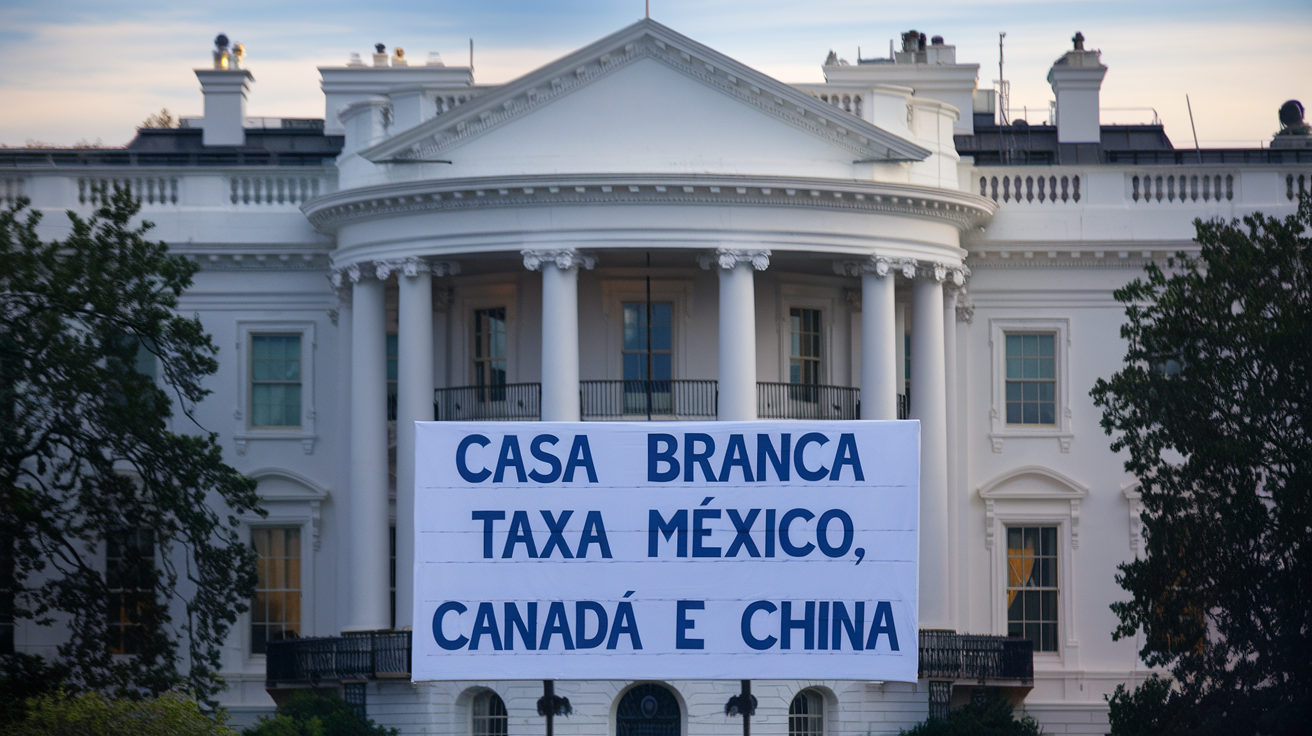


White House Imposes Heavy Tariffs! US Taxes China, Mexico, and Canada with 25% and 10% Taxes, Raising Trade Tensions and Impacting Global Markets in a Decision That Could Change the Economic Scenario.
The White House confirmed on Friday (31) that the imposition of 25% TAXES against Mexico and Canada and 10% against China will be formalized and will take effect already this Saturday (February 1). The decision, announced by spokesperson Karoline Leavitt, fulfills President Donald Trump’s promise to retaliate against what the US government considers failures by the three countries in combating the illegal entry of fentanyl into American territory. The measure, which marks one of the most aggressive moments in American trade policy in recent years, has the potential to cause significant impacts on international trade and global markets.
White House Reinforces That Taxes Will Be Applied to Combat the Entry of Fentanyl in the US
During a press conference, Karoline Leavitt stated that she was in the Oval Office with Trump shortly before his declaration and reiterated that the 25% tariffs against Mexico and Canada and 10% against China are a direct response to the growing fentanyl crisis in the United States. According to the White House, the three countries have allowed an uncontrolled flow of the substance, responsible for thousands of deaths annually.
“The tariffs will take effect tomorrow, and the reason for this is that both Canada and Mexico have allowed an unprecedented invasion of illegal fentanyl, which is killing American citizens, as well as illegal immigrants entering our country”, Leavitt declared.
-
The Federal Revenue issues a good alert for Brazilian taxpayers: 60.9% are already using the pre-filled tax return, automatic refunds via Pix reach millions, and the government plans for a fully automated income tax in the coming years.

-
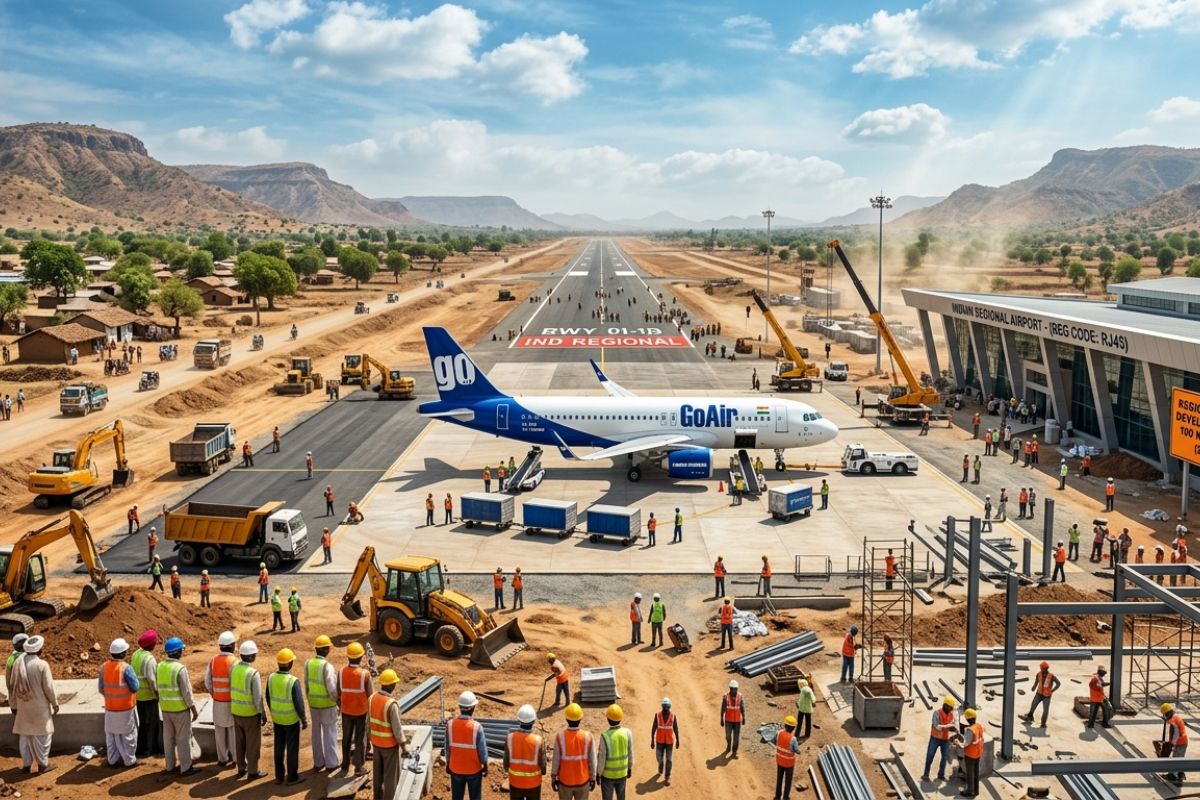
India announces a plan of $3.06 billion to bring aviation to forgotten regions: 100 new airports, $1.07 billion in subsidies, and regional routes guaranteed for 10 years, from 2026 to 2036, away from the centers.
-
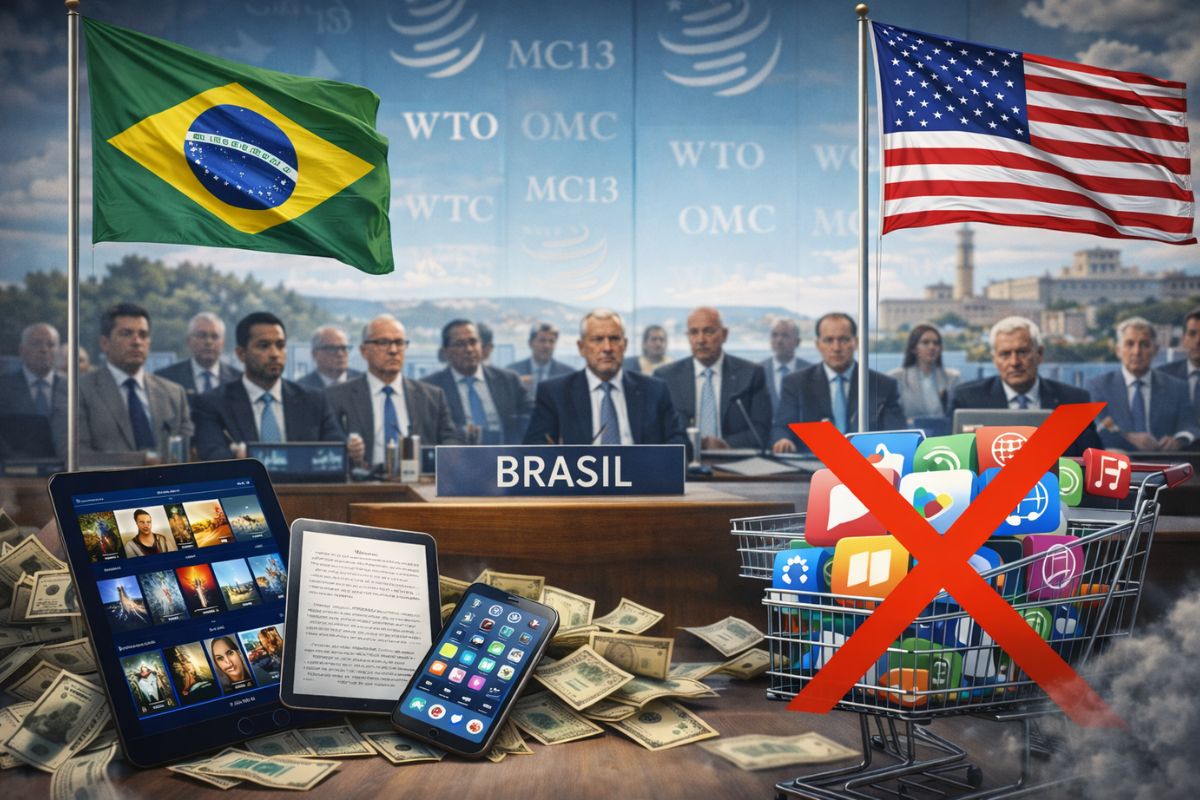
Brazil blocked a proposal from the United States at the WTO that would make the exemption from tariffs on digital products like streaming and ebooks permanent, favoring American tech giants at the expense of developing countries.
-
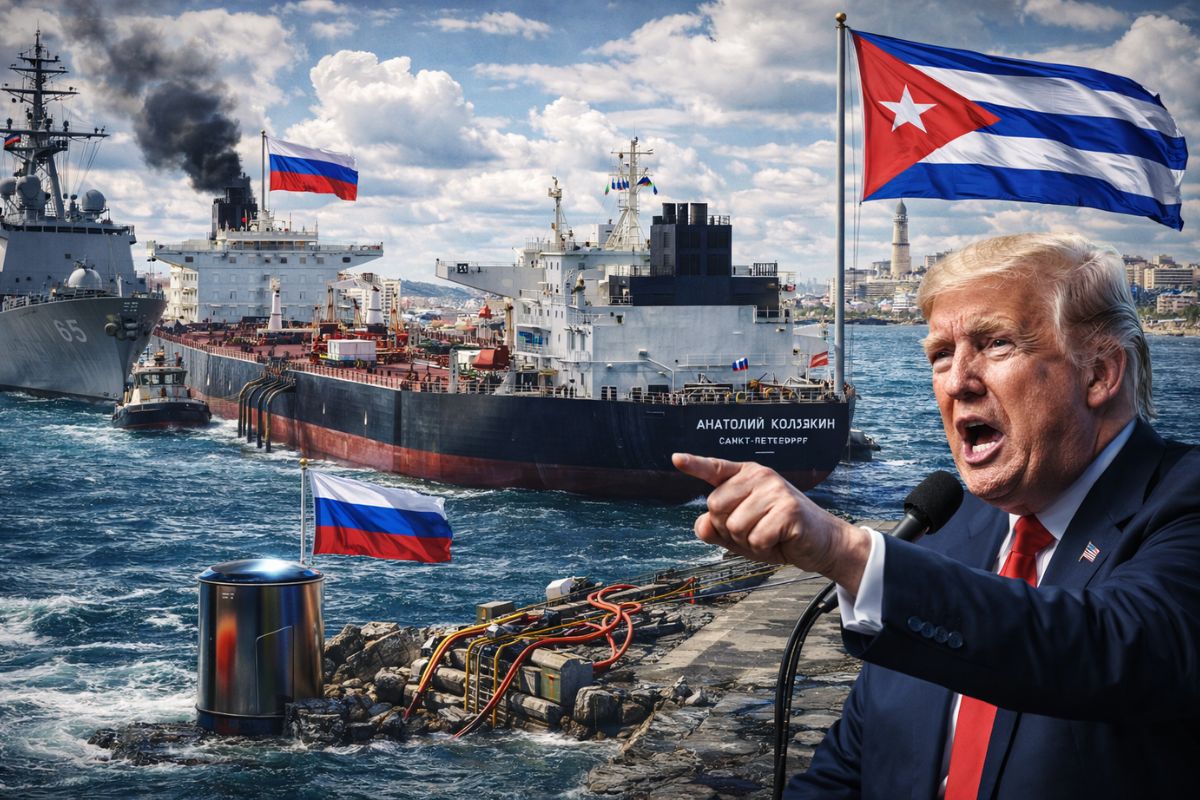
Russia has broken the U.S. maritime blockade to send oil to Cuba and is now loading a second ship while Trump says that “Cuba is next” in a possible military action against the island.

Thus, the American government’s decision to adopt 25% taxes against Mexico and Canada and 10% against China consolidates as one of the most controversial trade policies of the Trump administration.
The objective, according to the White House, is not only to pressure these countries to take more effective measures against the trafficking of the substance but also to strengthen the American economy in light of increased foreign competition.
Impacts of the 25% Tariffs Against Mexico and Canada and 10% Against China on Global Trade
The US decision to impose 25% tariffs against Mexico and Canada and 10% against China is already causing turmoil in the global market. Experts warn that these tariffs could directly impact strategic sectors such as the automotive industry, agriculture, and e-commerce, which rely on trade relations between the countries.
According to the latest data from the Energy Information Administration (EIA), the United States imported about 4.6 million barrels of oil per day from Canada and 563,000 barrels from Mexico in October 2024. Thus, the new tariffs could directly affect the price of oil in the American market and increase production costs across various industrial chains.
Donald Trump has not yet made a decision regarding tariffs on oil imported from Mexico and Canada, but uncertainty is already affecting the prices of the commodity. Experts state that if the surcharge is applied to oil, the impacts could be even more severe, raising fuel costs and increasing inflation in the United States.
Canada and Mexico Respond to the White House Decision on Trade Tariffs
The White House’s decision to apply 25% taxes against Mexico and Canada and 10% against China generated immediate reactions. The Canadian Prime Minister, Justin Trudeau, who is leaving office, warned that Canada will respond “strongly” if the US begins charging tariffs on Canadian exports. The statement led the White House to respond sharply.
“I think Justin Trudeau would do well to speak directly with President Trump before making such exaggerated comments to the press”, stated Karoline Leavitt.
The diplomatic tension between the countries may intensify, as both Mexico and Canada are already studying retaliation measures to counterbalance the impacts of the tariffs. Exporting companies in both countries have already expressed concern about the new restrictions and potential economic losses resulting from the US decision.
Tariffs Could Affect Trade Agreements and Diplomatic Relations Between Countries
With the White House confirming that the 25% tariffs against Mexico and Canada and 10% against China are immediately in effect, experts warn of the risks of deteriorating trade relations between the countries. Mexico and Canada are strategic partners of the United States within the United States-Mexico-Canada Agreement (USMCA), and the imposition of these tariffs could trigger trade disputes and diplomatic renegotiations.
In the case of China, the decision to charge 10% taxes on products occurs in the context of a long-standing trade dispute between Beijing and Washington. The Chinese economy is already facing challenges due to American sanctions, and this new measure could further deepen tensions between the two countries.
Impacts of the White House Decision
The imposition of 25% tariffs against Mexico and Canada and 10% against China marks a decisive moment for American trade policy. While the White House justifies the decision as a necessary measure to combat the entry of fentanyl into the country, the economic and diplomatic consequences are still uncertain.
The coming days will be crucial to assess the response of the affected countries and the impact on global markets. If Mexico, Canada, and China decide to adopt countermeasures, the world economy could enter a new cycle of instability.
What is known so far is that the US decision to tax its main trading partners is already moving markets and could redefine international trade relations in the coming months.









❤️Aqui você pode tirar a roupa da garota e vê-la nua) Confira ➤ Ja.cat/gosea
****. Americanos. Irão fogo eterno logoo