





 Portuguese
  English
  Spanish
  5 min of reading
  0 comments


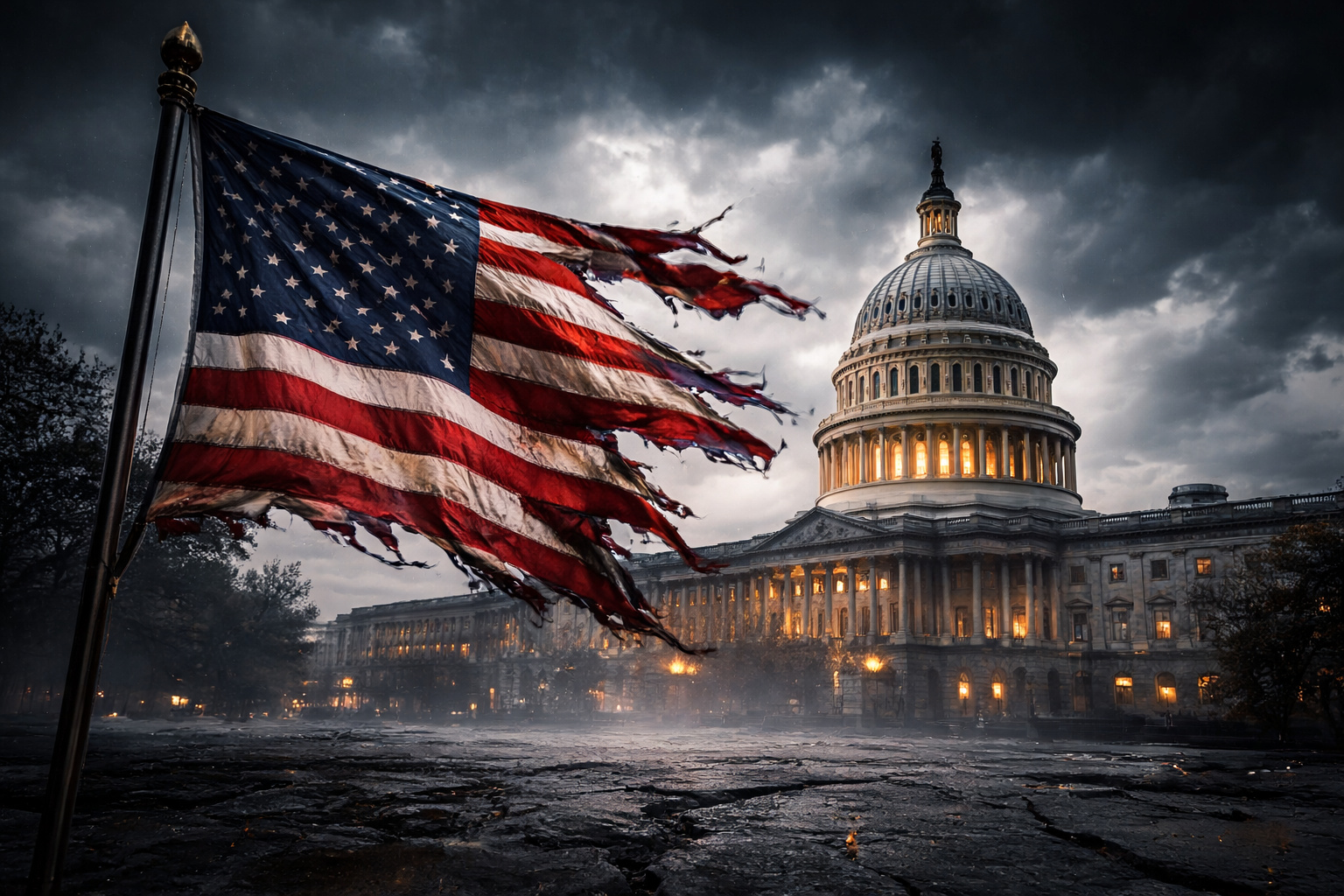
Eurasia Group warns that the greatest global risk of 2026 is not China or Russia, but internal political instability in the United States.
Every January, governments, investment banks, multinational corporations, and intelligence services around the world turn their attention to a single document: the Top Risks report from Eurasia Group, one of the most influential political risk consultancies on the planet. Founded by Ian Bremmer, a political scientist known for coining the concept of “G-Zero,” the report has become a global reference for anticipating geopolitical crises.
According to the Eurasia Group, Axios, and the South China Morning Post, the greatest global risk of 2026 is not related to wars between superpowers, climate change, or technological advancements. For the first time in the history of the report, the main risk comes from within the United States itself, pointing to a structural transformation in the political system of the world’s greatest power.
What is the Eurasia Group and why does its Top Risks report influence global decisions
Founded in 1998, the Eurasia Group built its reputation by anticipating events that later materialized, such as the financial crisis of 2008, Brexit, the trade war between the United States and China, and the invasion of Ukraine.
-
Analysts monitoring global risks since 2017 warn that water is becoming a geopolitical weapon, half of humanity already lives under water stress, India has suspended its treaty with Pakistan, Ethiopia is operating a dam on the Nile without an agreement, and Turkey has already reduced the flow of the Euphrates by up to 90%.

-
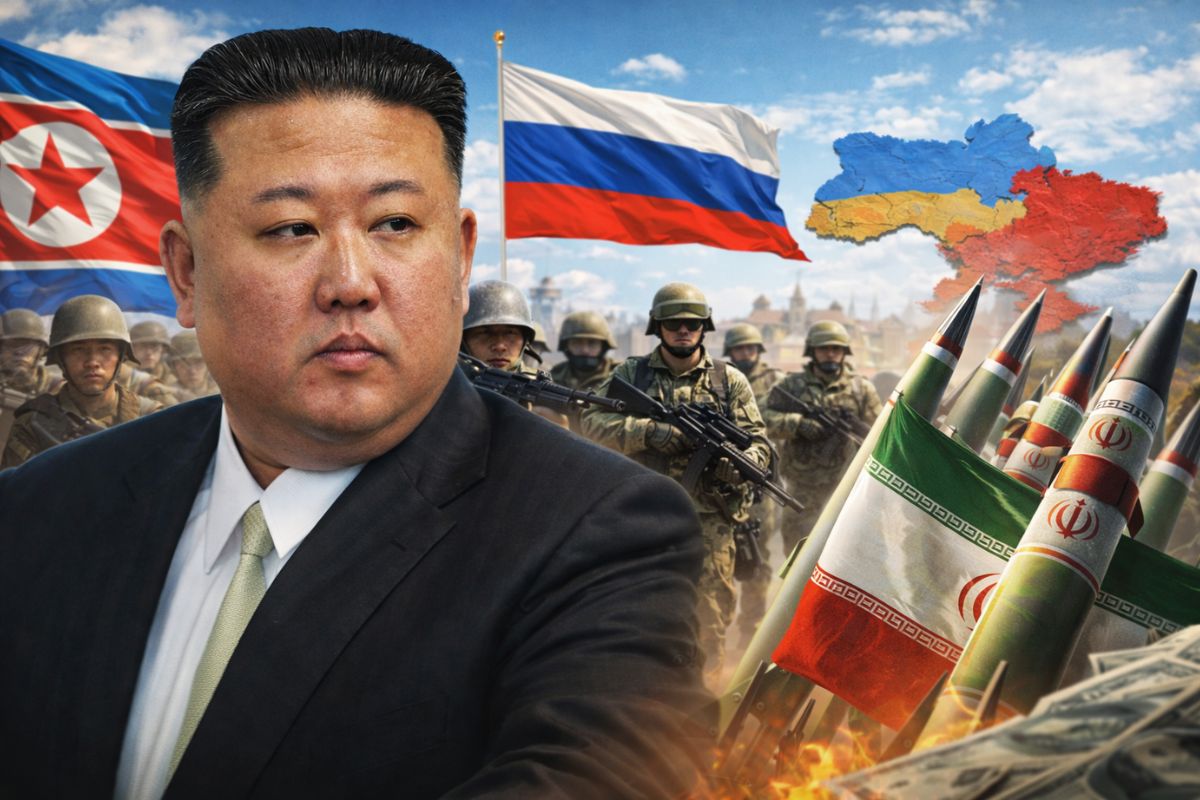
Kim Jong-un sends troops to fight alongside Russia in Ukraine but refuses to send weapons to Iran: North Korea’s risky strategy to please the United States without breaking ties with its old allies.
-
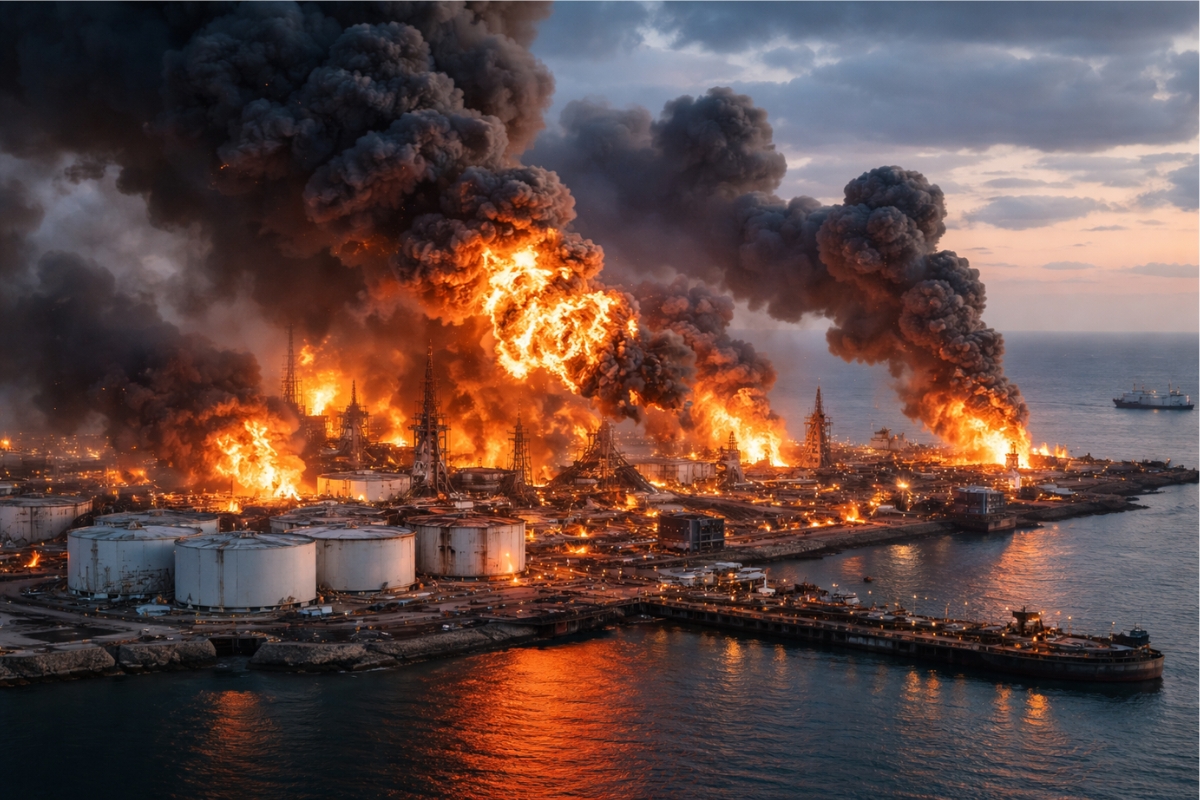
Trump says “An entire civilization will die tonight, never to return” while threatening Iran after more than 50 attacks on the country’s main oil terminal.
-
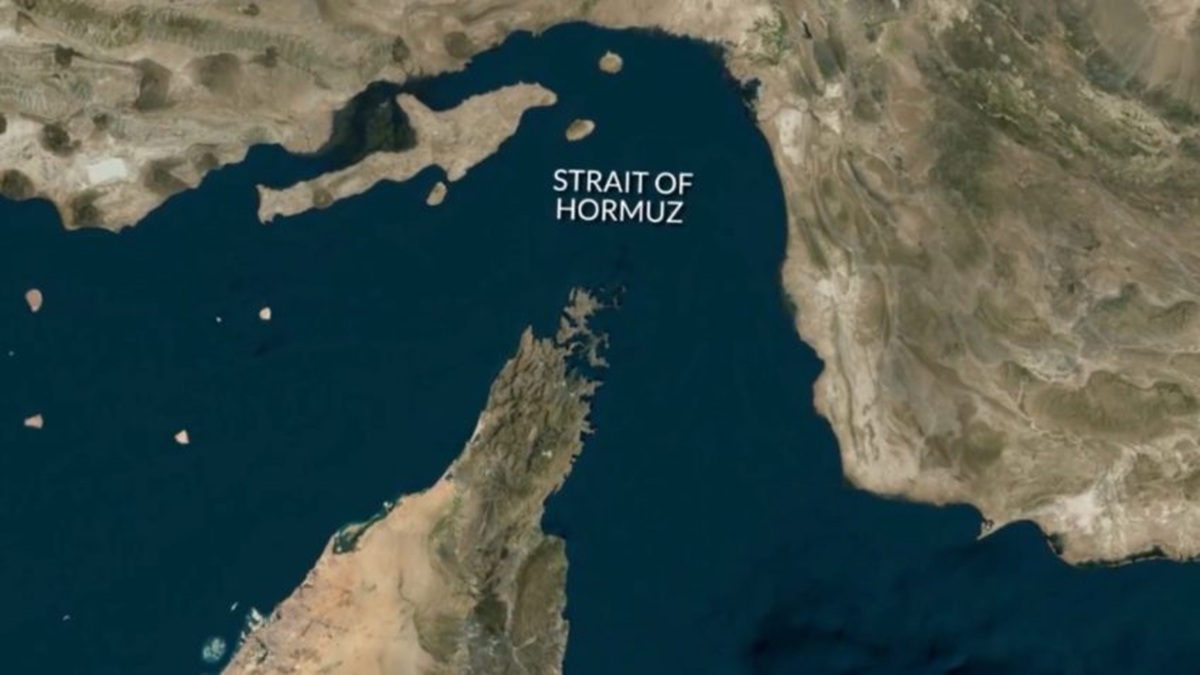
An independent Wall Street research firm claims to have sent an analyst to the Strait of Hormuz – and this is what he discovered.
The Top Risks report, published annually since the early 2000s, is widely used by investors, diplomats, and executives to guide strategic decisions in uncertain environments.
The 2026 edition was published on January 5 and presented globally by GZERO Media, with simultaneous coverage from outlets such as CNN, TIME, and Axios. The influence of the report is directly reflected in market movements and risk adjustments by major financial institutions.
Report defines 2026 as a turning point in the global order led by the United States
The document opens with a central statement: 2026 represents a turning point in the international system.
Contrary to what many analysts projected, the report dismisses an imminent direct conflict between the United States and China as the main risk, as well as an uncontrolled escalation between the United States and Russia.
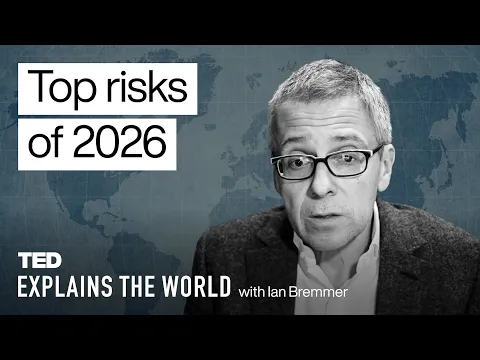

Instead, the focus is on the internal transformation in America. According to the Eurasia Group, the United States is undergoing a political reconfiguration process that could profoundly alter its global role.
Risk number 1 of 2026 is the internal political revolution of the United States, according to Eurasia Group
The report classifies the American political scenario not just as polarization, but as a systemic revolution.
According to the analysis, President Donald Trump is leading a process of reorganization of institutional power, aiming to increase control over the governmental structure.
Ian Bremmer stated that he has never experienced a president with such capacity to simultaneously alter the internal political system and the international role of the United States.
American institutions face increasing pressure and may lose capacity for containment
During Trump’s first term, from 2017 to 2020, institutions such as Congress, the Judiciary, and the press managed to contain more disruptive impacts.
However, the report indicates that, in the current scenario, these barriers would be weakened.
The term used by the Eurasia Group is “buckling”, suggesting that institutional mechanisms are yielding under pressure.
This weakening increases uncertainty about the shape of the American political system at the end of this process.
Current political strategy in the United States is described as a mandate for retribution
The report contextualizes the current political action as a response to past events, including electoral disputes, legal processes, and institutional tensions.
According to this reading, the government interprets its actions as a process of structural correction of the political system.
This narrative finds support among part of the electorate, which sees the institutional system as dysfunctional.
Unlike previous editions, several risks listed in the 2026 report are directly connected to the political scenario in the United States.
Among them are possible interventions in the Western Hemisphere, political instability in Europe, and intensification of indirect conflicts involving Russia and NATO.
The report also points to greater state intervention in the American economy as a relevant trend.
China bets on global electrification while the United States prioritize traditional energy
One of the points highlighted by the Eurasia Group is the strategic divergence between the United States and China. While China heavily invests in electric technologies — such as batteries, solar energy, and electric vehicles, the United States maintains a focus on traditional energy sources.
China concentrates a large part of the global capacity in renewable energies and associated technologies, positioning itself as a central supplier of energy infrastructure for emerging markets.
The report also identifies artificial intelligence as a vector of risk, not necessarily because of the technology itself, but due to the economic models that support it.
Companies under pressure for financial results may adopt practices that increase social and political risks. The absence of coordinated global governance amplifies this scenario of uncertainty.
Water scarcity is identified as a growing geopolitical risk with potential for conflict
Another highlight of the report is the increasing pressure on water resources. Various regions of the world are already facing significant water stress, with direct impacts on social and political stability.
Water infrastructure projects without international agreements increase the potential for tensions between countries.
The Eurasia Group also identifies risks considered overestimated. Among them are an uncontrolled trade escalation between the United States and China, a direct military conflict between the two powers, and a complete rupture of globalization.
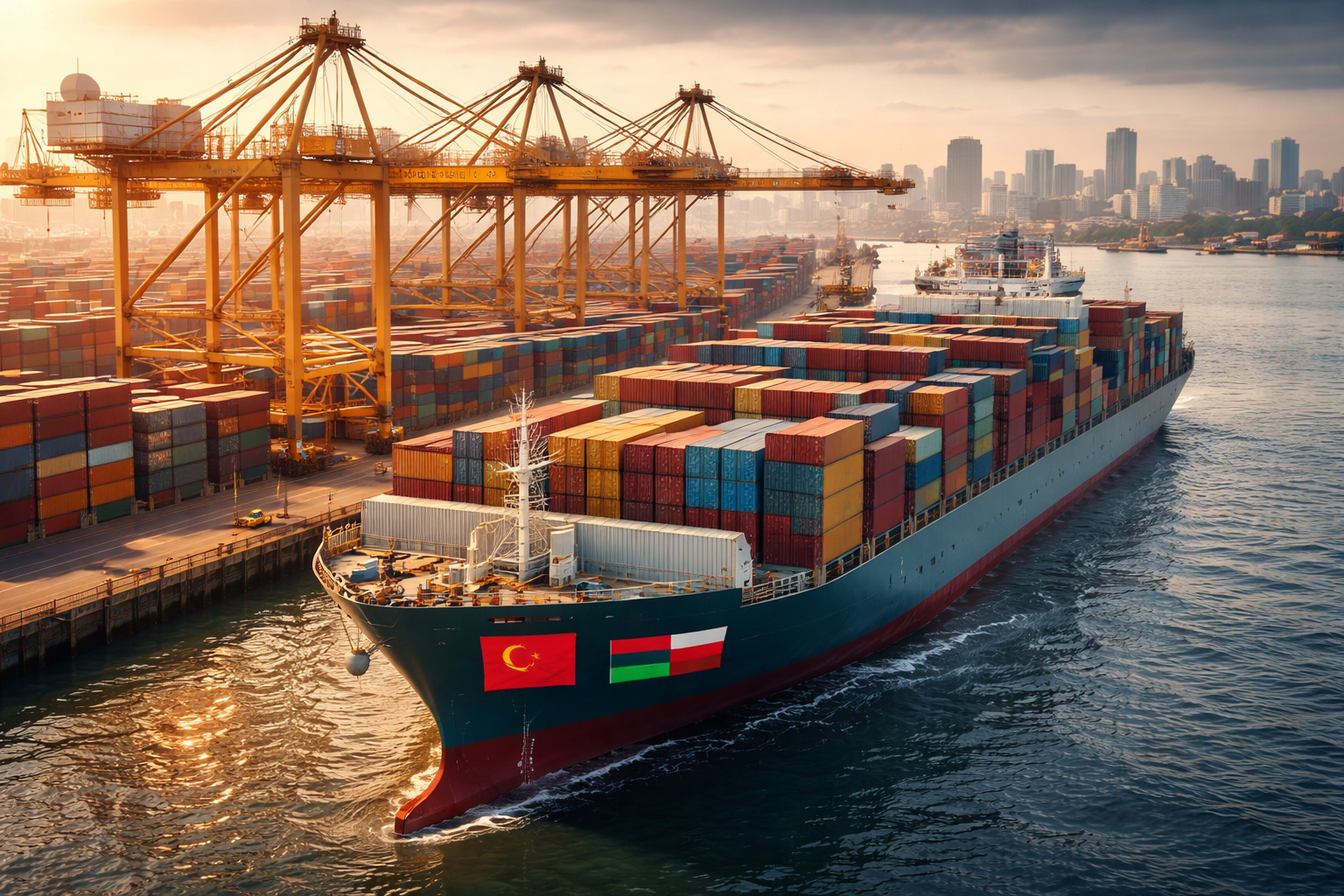
According to the report, global trade continues to expand, albeit with changes in routes and production chains.
Brazil benefits from the global scenario but remains outside high-tech value chains
The report includes a specific analysis of Brazil. The country appears as one of the main indirect beneficiaries of global growth, especially through the export of commodities to China.
However, Brazil remains outside high-tech value chains, such as semiconductors, artificial intelligence, and batteries, which concentrate greater added value.
Ian Bremmer’s phrase summarizes the global scenario and points to uncertainty about the future of the international order
The report is summarized in a central statement by Ian Bremmer: there has never been an American president with such potential to simultaneously alter the internal political system and the global role of the United States.
This transformation raises a fundamental question about the future of the international order built over the past decades.
The Top Risks 2026 report presents a significant shift in how geopolitical risk is interpreted.
Instead of traditional external threats, the focus shifts to the internal transformation of a central power.
In your assessment, does this scenario represent a natural reorganization of the global system or a structural risk to international stability?






Seja o primeiro a reagir!