





 Portuguese
  English
  Spanish
  7 min of reading
  1 comment


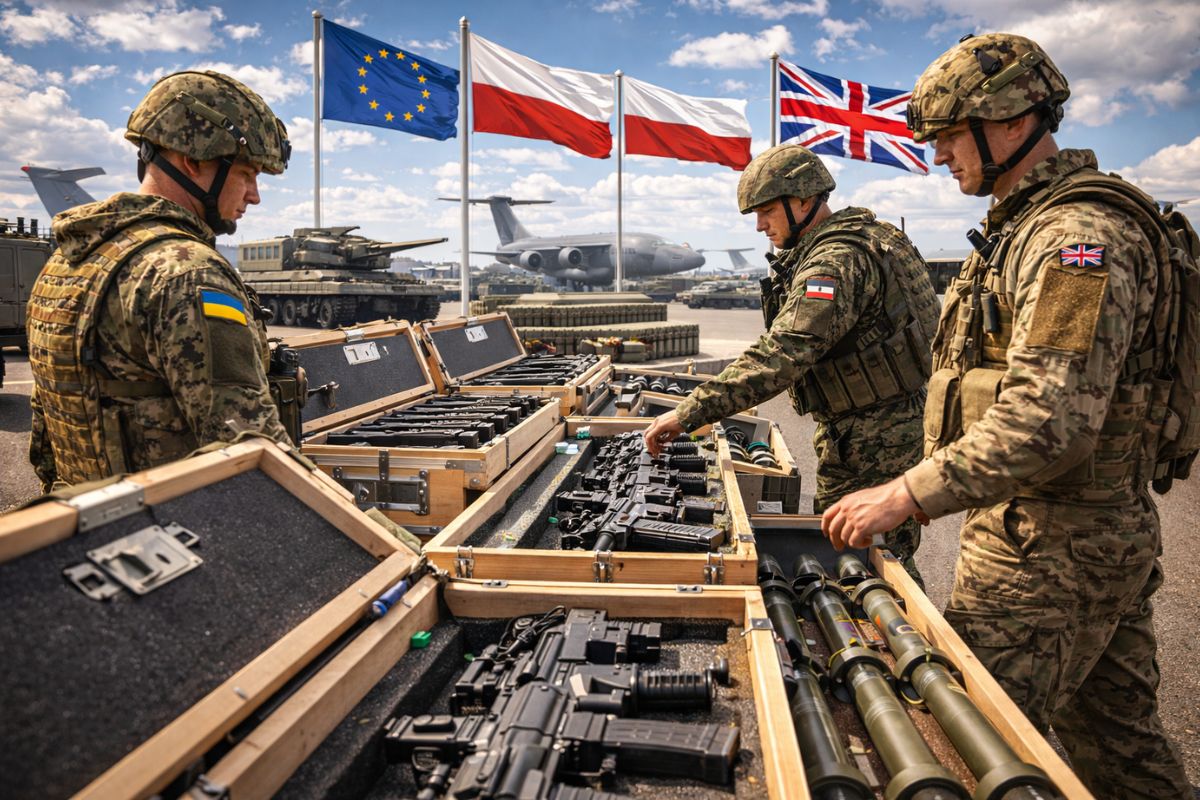

Europe Solidifies Its Position as the Largest Arms Buyer by Expanding Rearmament Amid the War in Ukraine, Pressure from Russia, and Dependence on the USA.
The condition of largest arms buyer shows how Europe has fully entered a new phase of rearmament. According to the analysis presented by SIPRI, the region accounted for 33% of global arms imports in the last five years, surpassing other areas of the world and highlighting that security has returned to the center of European strategic decisions.
This movement is not happening by chance. Europe has begun to act under an environment of increased threat, marked by Russia’s war in Ukraine, drone incursions, hybrid warfare actions, and growing doubts about the level of commitment from the United States to the defense of the continent. It is in this scenario that the region assumes the position of the largest arms buyer and accelerates a cycle of purchases, military reinforcement, and industrial reorganization.
Europe Assumes the Position of the Largest Arms Buyer
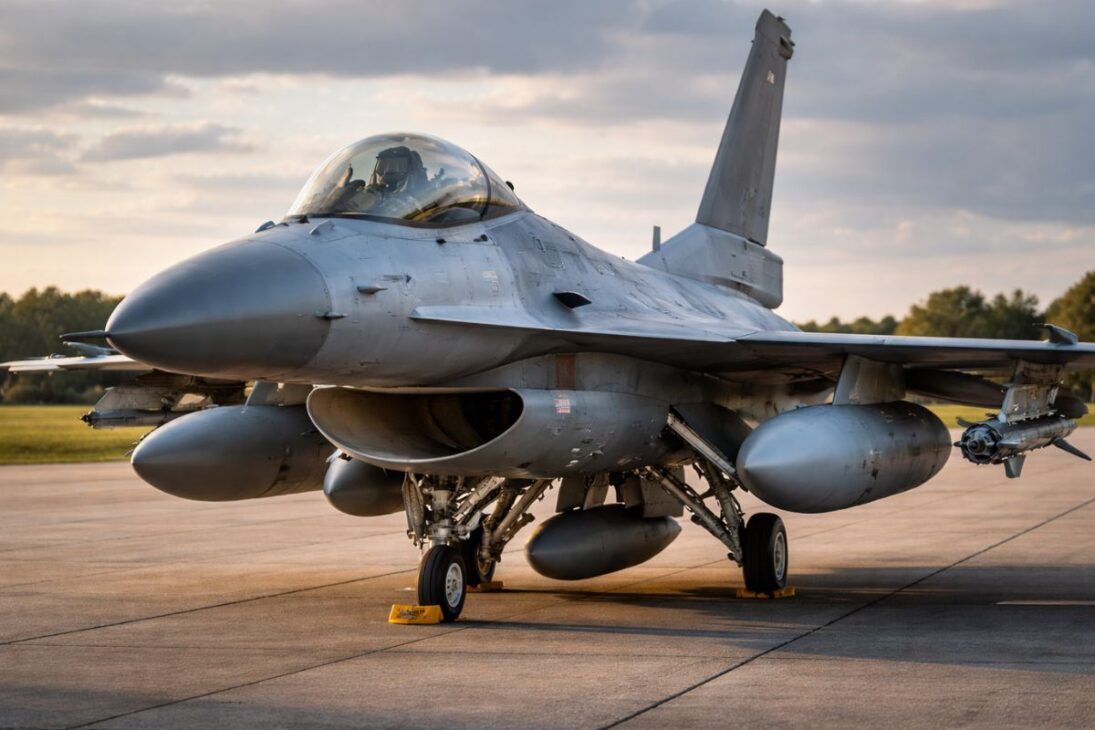
The central data from the report is clear: Europe has become the largest arms buyer by region in the world.
-
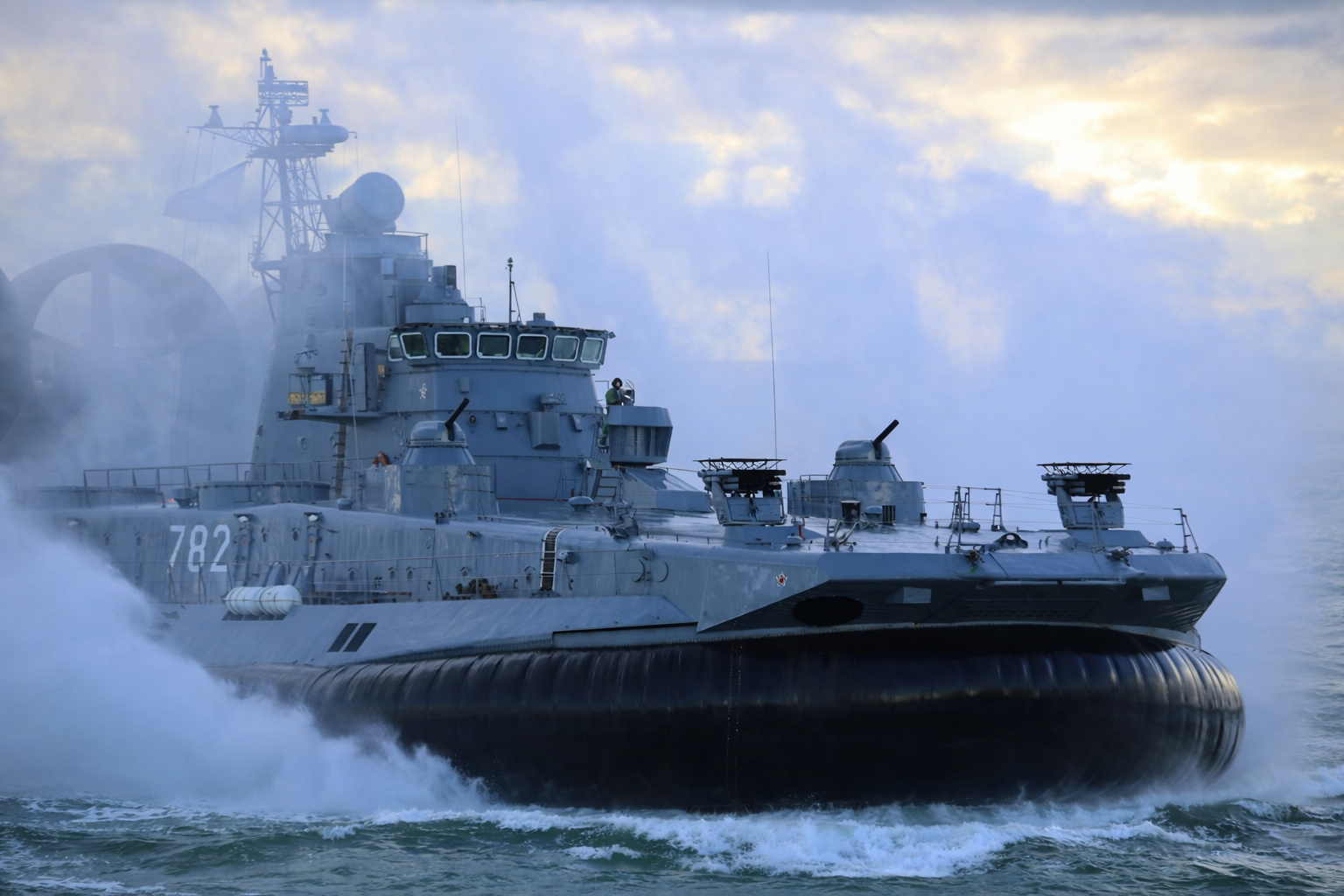
Classified as a “amphibious monster” weighing 555 tons, 57 meters long, and featuring three propellers with a diameter of 5.5 meters, the Zubr is the largest military hovercraft ever built, capable of transporting 3 tanks or 500 soldiers at speeds exceeding 100 km/h over water, ice, and sand, and China has resumed production of it to project power in the South China Sea.
-
The U.S. Army receives the first Black Hawk helicopter that can fly without pilots, be controlled by a tablet, and even land on its own during high-risk missions.

-
With 11,000 tons and sensors capable of hunting submarines at long distances, the Type 055 has become one of the most feared floating arsenals of the Chinese navy.

-
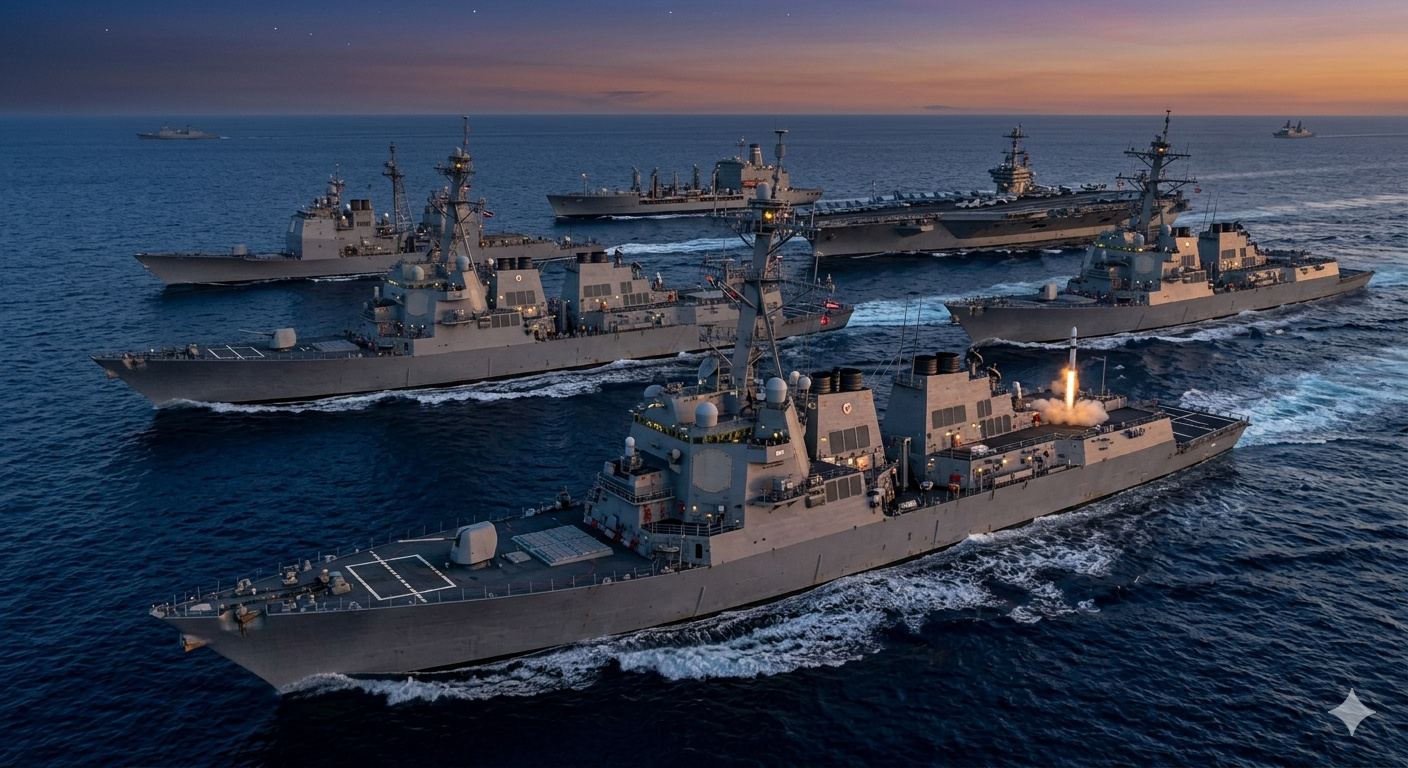
With over 15,000 tons, radars capable of tracking hundreds of targets simultaneously, and more than 120 missiles ready for launch in seconds, modern destroyers cease to be escorts and begin to dominate the naval battlefield.
Between 2021 and 2025, the continent accounted for one-third of all global defense system imports, which reveals a very significant increase in demand for military equipment.
This advance shows that the strategic priority has changed. The logic now is to rebuild capacities, increase stocks, update defense means, and attempt to respond more quickly to a regional environment perceived as increasingly hostile.
The war in Ukraine has only accelerated a trend that had already been gaining momentum due to the worsening tensions between Europe and Russia.
Ukraine, Poland, and the United Kingdom Drive the Increase
Within the European bloc, three countries emerge as the main drivers of this growth: Ukraine, Poland, and the United Kingdom. According to SIPRI, they were the three largest European arms importers from 2021 to 2025.
The weight of these three countries helps to explain how Europe became the largest arms buyer. Ukraine is engaged in an open war and requires constant replenishment of military material. Poland accelerates its defensive reinforcement due to its geographical proximity to NATO’s eastern flank.
Meanwhile, the United Kingdom maintains a significant role within continental security and strengthens its military capability in an environment of increasing instability. The result is concentrated pressure, but with a continental effect, on the entire defense market.
The Threat from Russia Restructured European Demand
The SIPRI report itself points out that the perception of threat regarding Russia was one of the decisive factors for this leap.
This feeling was aggravated by uncertainties surrounding the willingness of the United States to continue defending its European allies with the same level of commitment as in previous periods.
This combination altered the purchasing behavior of NATO’s European members. The combined imports of the current 29 European alliance members grew 143% between the periods of 2016 to 2020 and 2021 to 2025.
In other words, Europe not only bought more but began to purchase at an accelerated pace out of fear of not being able to respond to a tougher military environment.
Rearmament Gained Urgency on the Continent
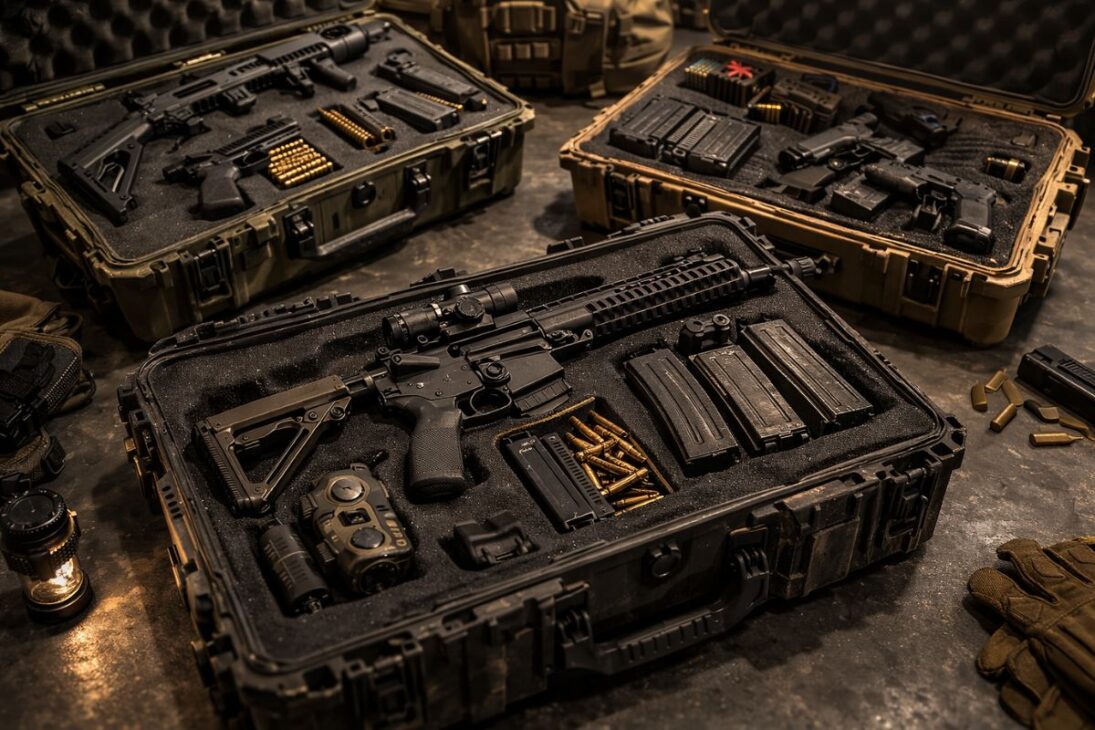
The idea of rearmament has ceased to be merely a political debate and has begun to take concrete space in budgets, orders, and industrial decisions.
The data presented highlights that Europe is trying to accelerate a multimillion-dollar rearmament program in the face of Russia’s war in Ukraine, hybrid actions, and uncertainties related to the U.S. role.
This impulse also has a psychological and strategic dimension. Europe realizes that it cannot rely solely on past stability to ensure its future defense.
Therefore, the increase in imports is not treated merely as a purchase of equipment but as part of a long-term reconfiguration of the continent’s security.
Dependence on the USA Remains Strong
Even with the growth of European defense industries and new investment incentives from the European Union, dependence on the United States remains evident.
Almost half of all arms imported by the region came from the USA, especially combat aircraft and long-range air defense systems.
This point is particularly relevant as it highlights a contradiction. While Europe seeks greater autonomy and strengthens its internal production, it continues to rely heavily on American supplies to meet urgent demands and fill technological gaps.
Being the largest arms buyer does not necessarily mean having full industrial independence. In many cases, it means buying quickly from those who already have scale and readiness.
Washington Reinforces Global Leadership with European Demand
The growth of European purchases has also helped the United States further consolidate its position as the world’s largest arms exporter.
According to the material, Washington accounted for 42% of all defense equipment sold internationally in the last five years, an increase of 6% compared to the previous period.
For the first time in two decades, the majority of U.S. arms exports were directed towards Europe, with 38%, surpassing the Middle East, which accounted for 33%.
This data is emblematic as it shows how Europe’s condition as the largest arms buyer also reinforces American industrial and strategic prominence in the defense sector.
France, Germany, and Italy Also Advance as Exporters
The European race for rearmament is not only about imports. It also coexists with the strengthening of some major exporters from within the continent.
France ranks as the second-largest arms exporter in the world, with nearly 10% of the global market and over one-fifth growth between the two periods analyzed.
Germany has risen to the fourth position globally, surpassing China, and directed almost a quarter of its exports to Kyiv as military aid. Italy recorded an impressive increase of 157% in its exports, jumping to the sixth position worldwide.
This shows that Europe is simultaneously the largest arms buyer and a significant military production hub, although much of this European material still goes outside the continent.
Purchases Increase While Confidence in Russia Plummets
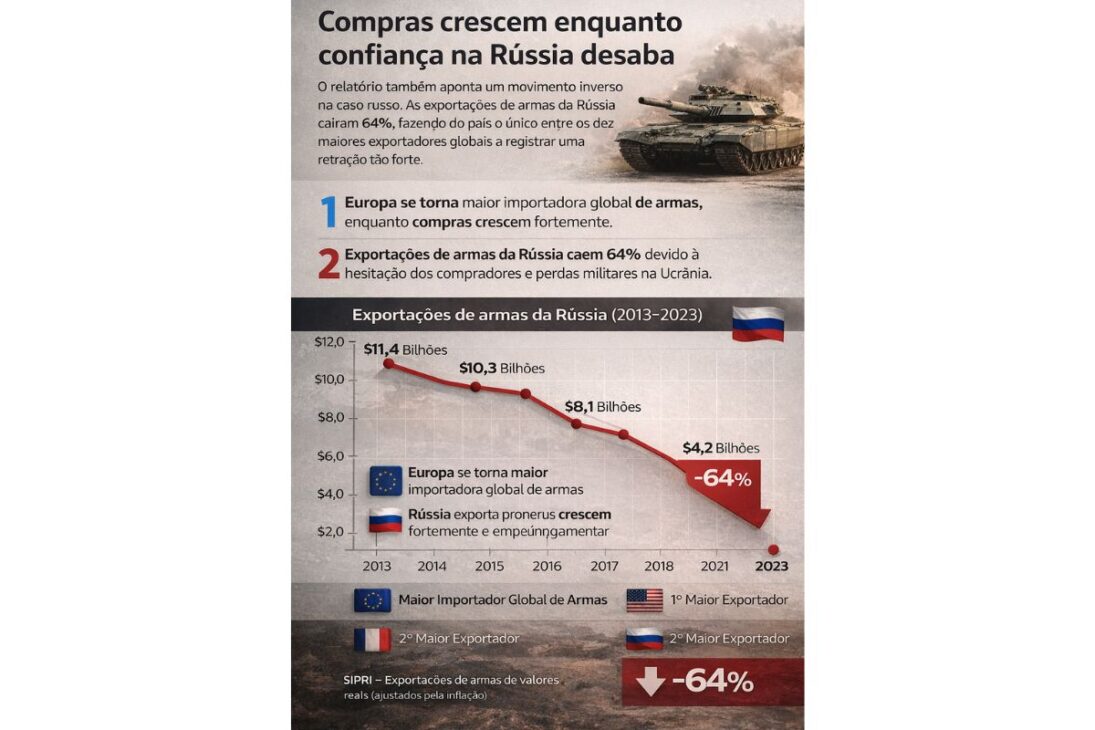
The report also points to an inverse movement in the Russian case. Russian arms exports fell 64%, making the country the only one among the top ten global exporters to register such a sharp contraction.
The data suggests that this may reflect hesitance from buyers and a loss of confidence, especially in light of the severe losses of equipment and personnel observed in the war in Ukraine.
This weakening of Russia in the international market occurs just as Europe becomes the largest arms buyer, further reinforcing the shift in the global defense sector.
The War in Ukraine Accelerated the Whole Mechanism
It is impossible to understand the new European role without referencing the war in Ukraine. The conflict not only elevated the sense of urgency on Europe’s eastern flank but also exposed preparedness failures, stock limits, and structural dependencies in essential areas.
Ukraine, within this context, has become one of the largest demand centers for armaments on the continent.
This directly influences the rest of the region as it forces allies to rethink their own readiness levels, reserves, and response capabilities.
The war has not only transformed the battlefield. It has transformed how Europe buys, plans, and projects its defense.
Largest Arms Buyer, but Still Seeking Autonomy
The European advancement in imports shows a strong reaction but also exposes vulnerabilities. The continent buys more because it needs to react quickly, fears Russia, wants to respond to the new reality of war, and because it still cannot meet all its demand with domestic production.
Thus, the condition of largest arms buyer reveals two simultaneous movements. On one side, there is strategic urgency and military reinforcement.
On the other side, there is external dependence, especially on the United States, and a clear challenge of industrial and political coordination.
Europe buys to protect itself, but it also buys because it has not yet fully consolidated the tools to defend itself with autonomy.
The European Defense Market Has Entered Another Phase
In the end, the picture drawn by SIPRI makes it clear that Europe is not just experiencing a temporary surge in military orders.
The continent has entered a new phase where defense, industry, alliances, and geopolitics have returned to being inseparable.
By becoming the largest arms buyer in the world, Europe signals that it expects a harsher, more unstable, and more demanding period in terms of military preparedness.
The war in Ukraine, the pressure from Russia, dependence on the USA, and the reorganization of NATO form the backdrop for this change.
And everything indicates that this rearmament will not be short or superficial, but part of a structural transformation in European security.
What do you think, can Europe reduce its dependence on the United States even after becoming the largest arms buyer in the world?







Não