





 English
  Francês
  Alemão
  Italiano
  Japonês
  Norueguês
  Portuguese
  Spanish
  6 min of reading
  0 comments


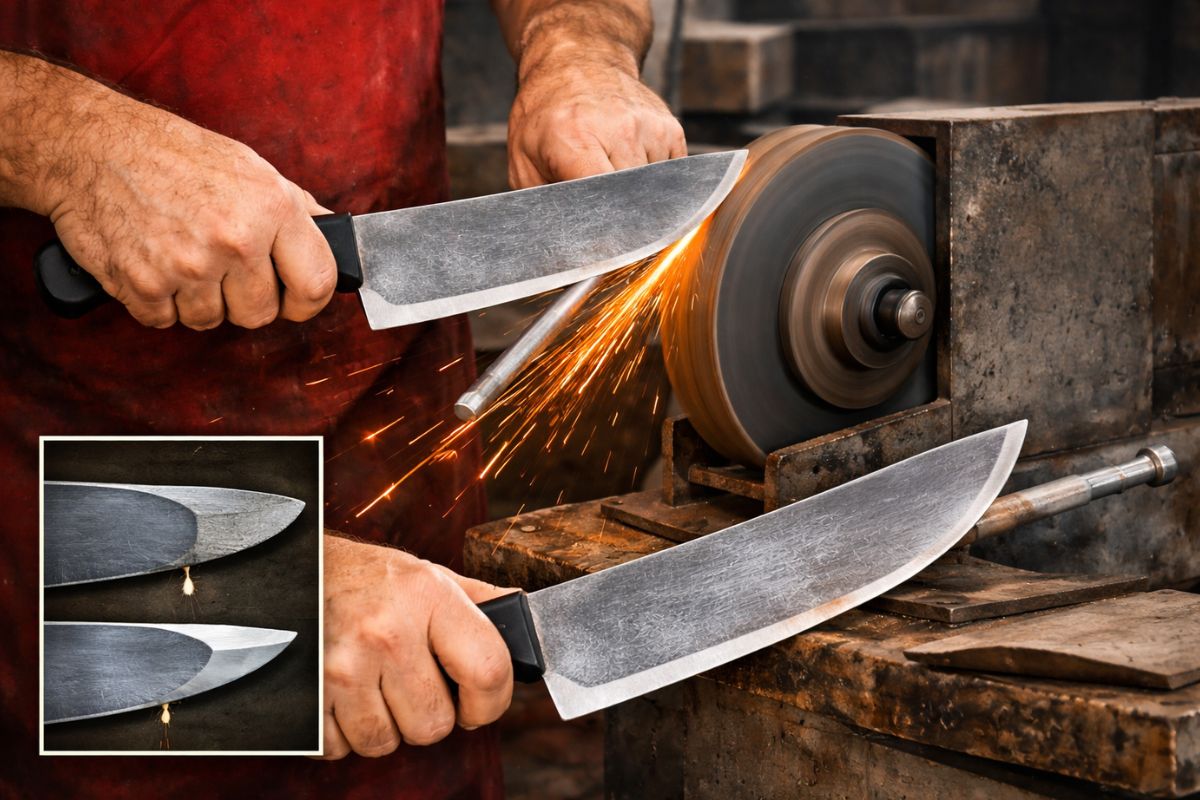
The butcher’s knife doesn’t cut well because of the honing rod: the secret lies in thinning, a process that refines the blade’s geometry and allows it to regain its edge with just two passes, explaining why that white-handled knife seems to never lose its sharpness even after a whole day of use in the butcher shop
If you are Brazilian, you have certainly noticed that the butcher’s knife cuts in a way that your home knife does not. That white-handled blade spends the whole day slicing meat, gets honed twice, and cuts as if it were new. The reason is not the honing rod and not the brand: it is a process called thinning, which completely changes the blade’s geometry and transforms the knife into a tool that recovers its edge with minimal effort.
According to Romeu, a sharpening specialist and owner of the largest knife sharpening workshop in Brazil, every butcher asks to have their knife thinned as soon as they buy it. It is the first thing they do before starting to work. The process involves removing material from the sides of the blade, making the knife significantly thinner. The result is a geometry that penetrates food easily and can be restored on the honing rod in seconds, without needing to return to the sharpening stone.
What does it mean to thin a knife and why does every butcher do it
Thinning a knife is different from sharpening. Sharpening is creating a cutting edge on the blade’s edge. Thinning is removing material from the sides of the knife to refine the entire geometry, making the blade thinner from the spine to close to the edge.
-
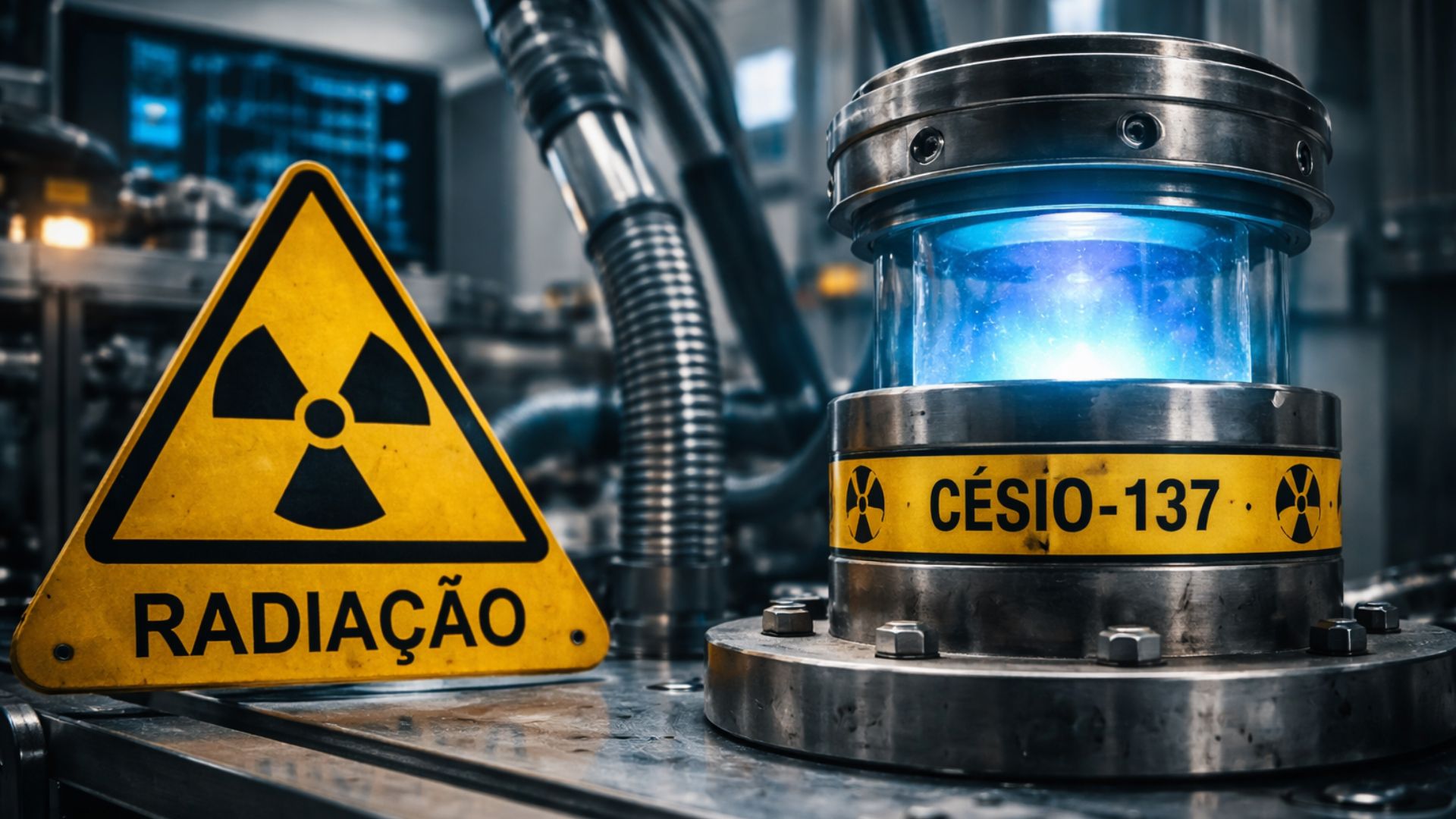
You may be closer to Cesium-137 than you think: discover equipment that uses the element, where radiation brings real benefits, and how to avoid serious contamination risks.
-
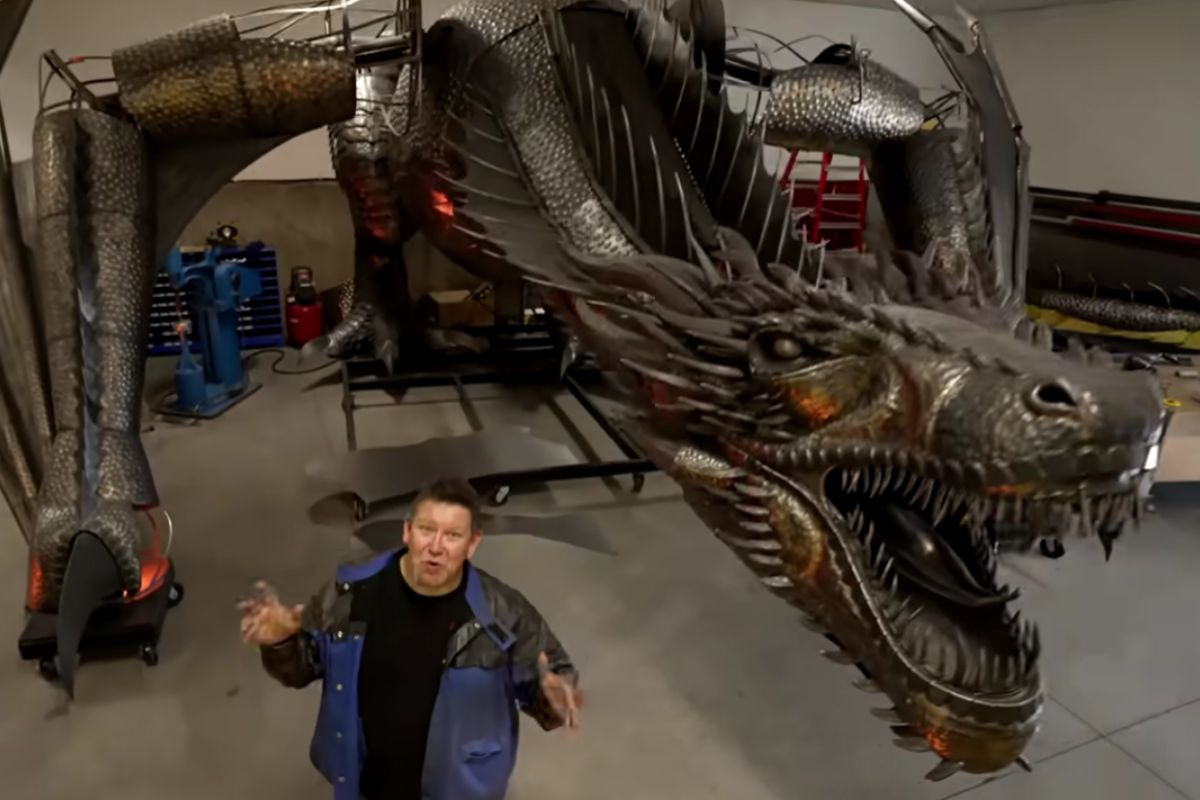
A Canadian sculptor spent two years handcrafting a life-sized Game of Thrones dragon, standing 12 meters tall, weighing 6,800 kilograms of stainless steel, and featuring a system that breathes real fire from its mouth.
-
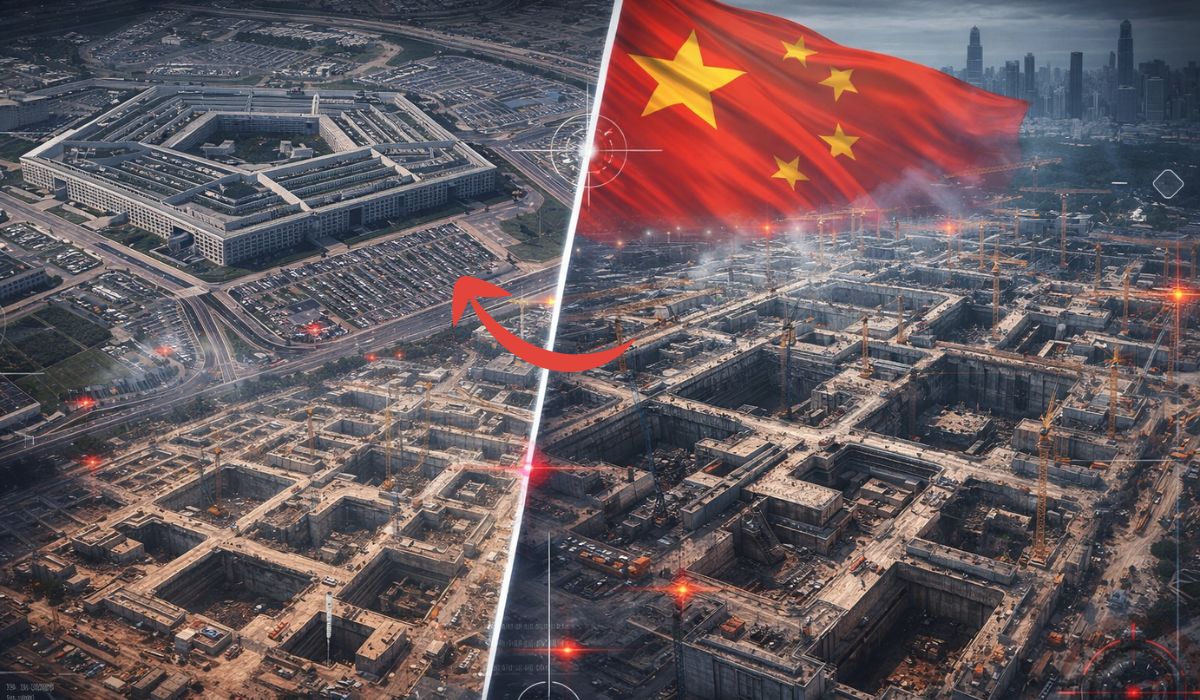
With 1,500 acres, a network of gigantic underground bunkers, and more than 100 cranes, satellites reveal that China is quietly erecting a colossal military city that could be 10 times larger than the Pentagon and is already alarming the U.S.
-
Few people know, but São Paulo houses in Itaquera one of the largest cherry blossom groves in the world, with 2,300 trees outside of Japan.


When the knife is thinned, it has a much narrower profile, which drastically reduces resistance when cutting any food.
In practice, the butcher asks to thin the knife as soon as they buy it because the blade comes from the factory with a thick geometry, designed for resistance and durability during transport. This original geometry makes the knife difficult to cut even when sharpened, because the thick body of the blade pushes the food instead of penetrating it.
After thinning, the knife glides through food effortlessly and, more importantly, can be restored on the honing rod with just two passes.
The difference between thinning, sharpening, and refining the knife
These three terms can be confused, but they describe distinct processes. Sharpening is exclusively working on the knife’s edge, the cutting edge, using a stone, sandpaper, or sharpening equipment. It is what restores the edge when the blade becomes dull.
Thinning and refining are essentially the same operation: removing material from the side of the blade to change the geometry. The difference lies in the context: the butcher says thinning and the home cook says refining.
The butcher asks to thin the knife at the time of purchase, even before using it for the first time. On the other hand, the home cook usually asks to refine it after months or years, when they notice that the knife has thickened with use and no longer cuts well even when sharpened.
In both cases, the principle is the same: a thinner knife cuts better, requires less force, and responds better to the honing rod.
Why the blade’s geometry matters more than the knife’s edge
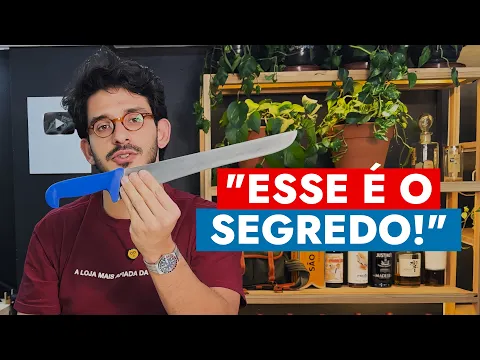

Most people believe that a knife cuts well because it is sharp. This is only half the truth.
A knife with a thick geometry can be sharp and still have difficulty cutting, because the thick body of the blade creates friction and pushes the food to the sides instead of slicing through it. It’s like trying to cut a potato with a wedge: the edge enters, but the volume of the blade prevents further progress.
When the knife is thinned, the blade becomes so thin that it penetrates the food almost without resistance. This is the real reason why the butcher’s knife seems to always be sharp: it’s not that it never loses its edge, it’s that the thin geometry allows the edge to be restored on the honing rod in seconds.
The honing rod does not sharpen; it merely realigns the edge. And in a thinned knife, this realignment is quick and efficient because the blade is already thin.
The Mundial white-handled knife and why it is the choice of butchers
The knife you see in practically every butcher shop and barbecue restaurant in Brazil is the Mundial, usually in models 5510 or 5520. It is a professional knife 100% made in Brazil, with metallurgy that facilitates thinning and sharpening.
The steel used in this knife is designed to be easy to work with: it allows for material removal, responds quickly to the honing rod, and maintains its edge for a reasonable period of continuous use.
The Mundial knife is even exported and used in several countries. In Brazilian steakhouses, it is the blade that the meat server uses to slice the picanha directly onto the customer’s plate.
The white, black, or blue handle is made of polypropylene, a material that withstands the constant sanitization required in food handling environments. The combination of accessible steel, geometry that accepts thinning, and a durable handle explains why this knife has become the standard in the profession.
How the process of thinning a knife works in practice
The process of thinning a knife is done in a sharpening workshop with appropriate equipment. The sharpener positions the blade on an abrasive wheel or belt and removes material from both sides of the knife, leaving about an inch of space before the edge.
This space is the zone where the blade becomes as thin as possible, creating what some professionals call a viaduct, a visible curvature when looking at the knife from the side.
After thinning, the knife receives a finish on a fine abrasive belt and is then sharpened to create the cutting edge. The difference in cutting is immediate and impressive: a knife that barely sliced through a potato now slices through food effortlessly.
It’s not magic; it’s physics. A thinner blade encounters less resistance. And from that point on, the honing rod does all the daily maintenance work for the edge.
You should thin your home knife too
Thinning is not exclusive to butcher knives. Any kitchen knife can be thinned to improve cutting performance. If your knife is sharp but still seems to not cut properly, the problem is almost certainly the geometry: the blade is too thick and needs to be refined.
It’s the same principle that the butcher applies from day one of use.
The difference between a butcher knife and a high-performance Japanese knife, for example, lies precisely in the thickness of the blade. Japanese knives come from the factory with a thin geometry, while traditional Brazilian knives need to be thinned to achieve similar performance.
In both cases, the physics is the same: a thin blade cuts better, requires less force, and responds better to daily maintenance.
The secret that was right in front of your eyes
The butcher’s knife does not cut better than yours because he has some secret talent with the honing rod.
It cuts better because it has been thinned: the blade’s geometry has been altered to be thinner, which facilitates cutting and allows the edge to be restored in seconds.
It is a simple, accessible process that anyone can request from a good sharpening workshop.
If your home knife does not cut as it should, perhaps the problem is not the edge. Perhaps it is the geometry.
Did you already know the process of thinning a knife? Have you asked to refine your home knife or do you still think the secret is just the honing rod? Leave a comment and share this article with those who love to cook or work with meat.







Seja o primeiro a reagir!