





 Portuguese
  English
  Spanish
  5 min of reading
  0 comments


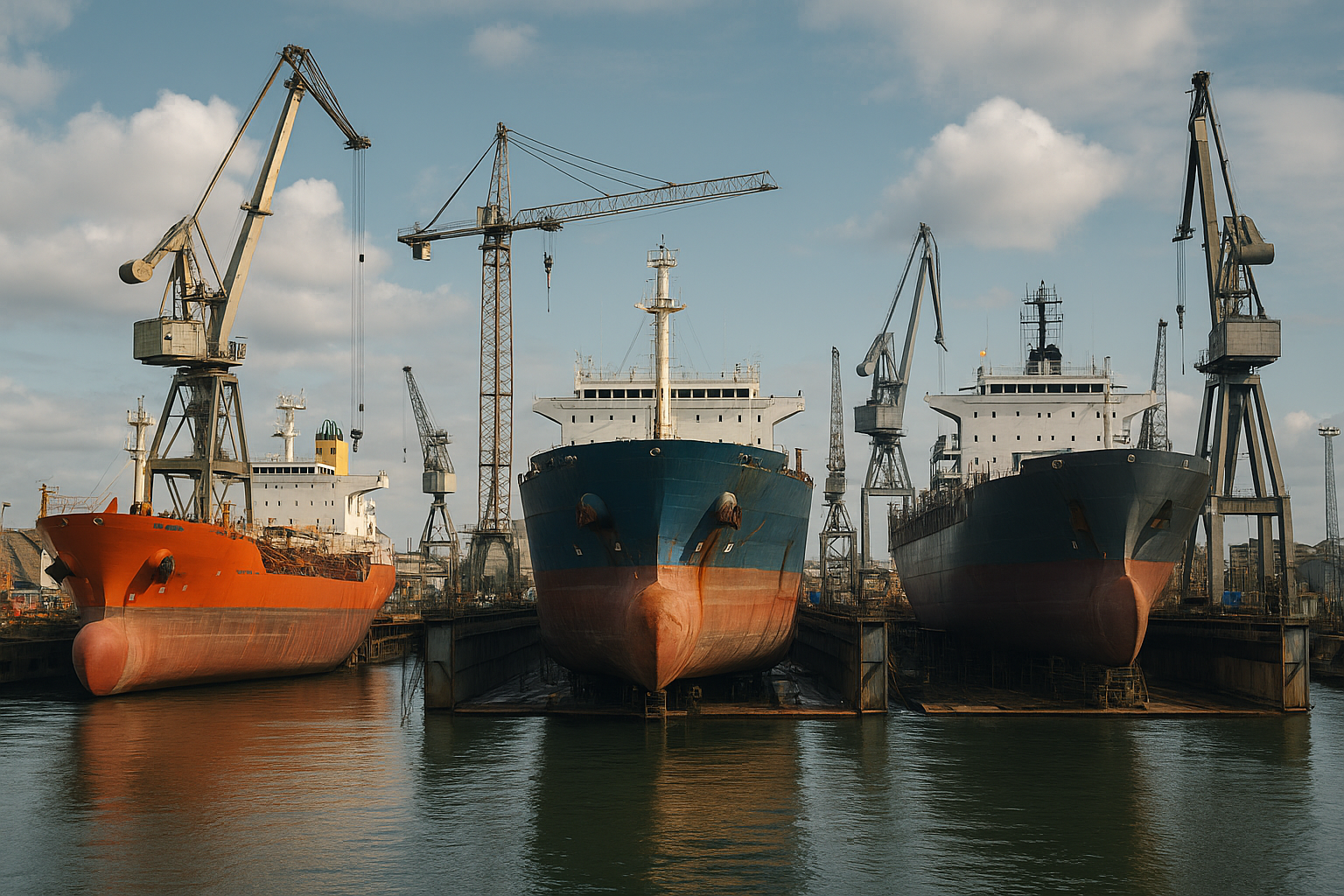
Understand The Main Challenges Of The Shipbuilding Industry And How This Essential Sector Faces Historical, Technological, Environmental, And Economic Issues To Keep Navigating Toward The Future.
The shipbuilding industry has been a fundamental base for economic development and integration between countries since ancient times. As reported by the International Maritime Organization (IMO), the earliest records of navigation date back to around 3000 B.C., when Egyptians already used boats for transport on the Nile River.
Over the centuries, the shipbuilding industry evolved alongside societies. For example, during the Age of Exploration, between the 15th and 16th centuries, European powers such as Portugal and Spain transformed shipbuilding to explore and conquer new territories. According to the United Nations Conference on Trade and Development (UNCTAD), this phase marked a revolution in maritime transport, drastically increasing global trade.
In the 19th century, with the Industrial Revolution, shipbuilding underwent a radical transformation. The use of iron and later steel, combined with the invention of the steam engine, allowed for the emergence of the first modern ships, increasing cargo capacity and vessel speed.
-
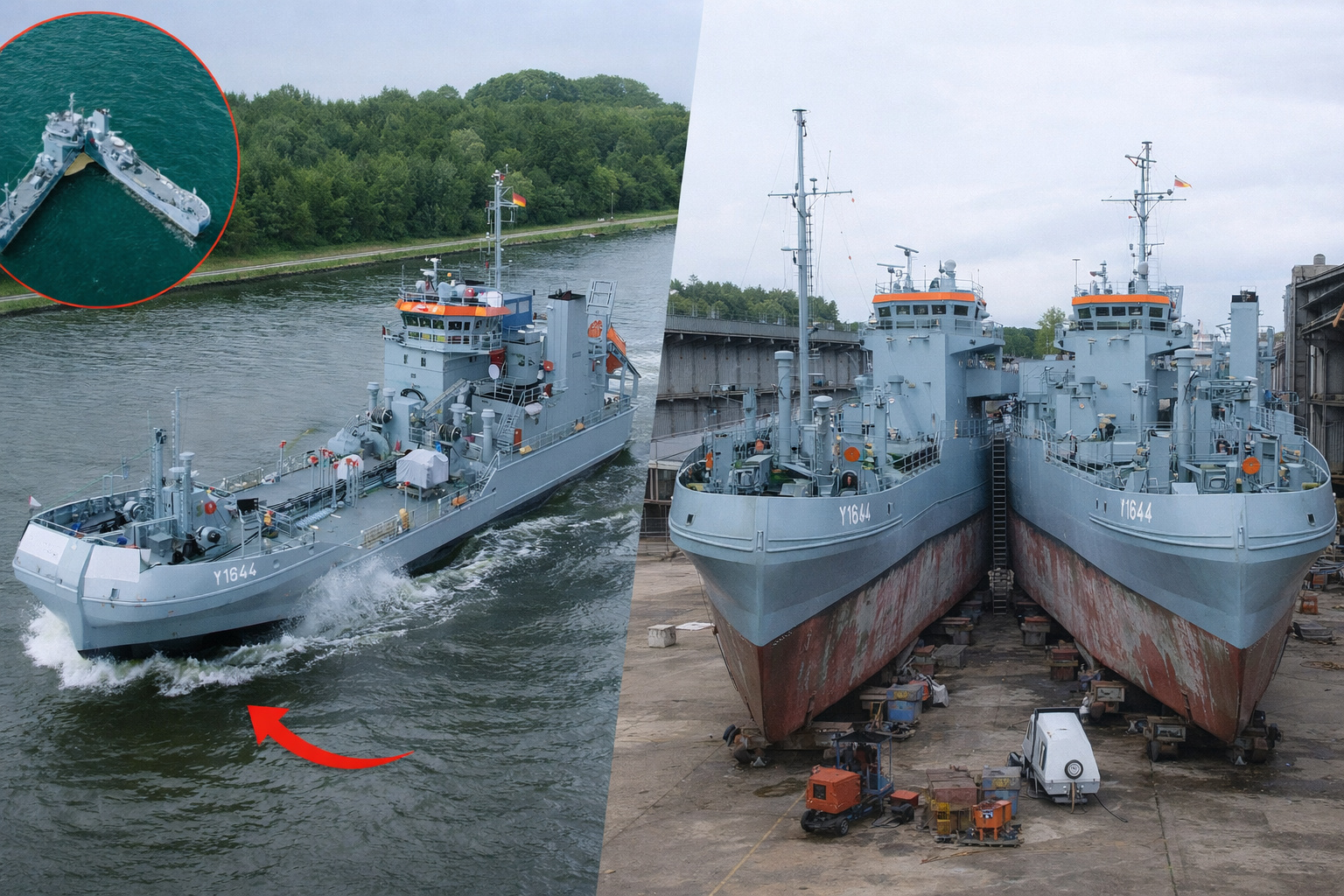
The German ship Bottsand splits its hull in two halves in the middle of the ocean to swallow spilled oil on the surface, separating the oil from the water inside a 790 cubic meter tank and then closing again. It is the only ship in the world factory-designed to split in half as part of normal operations, and the crew of six people who operate everything is civilian.
-
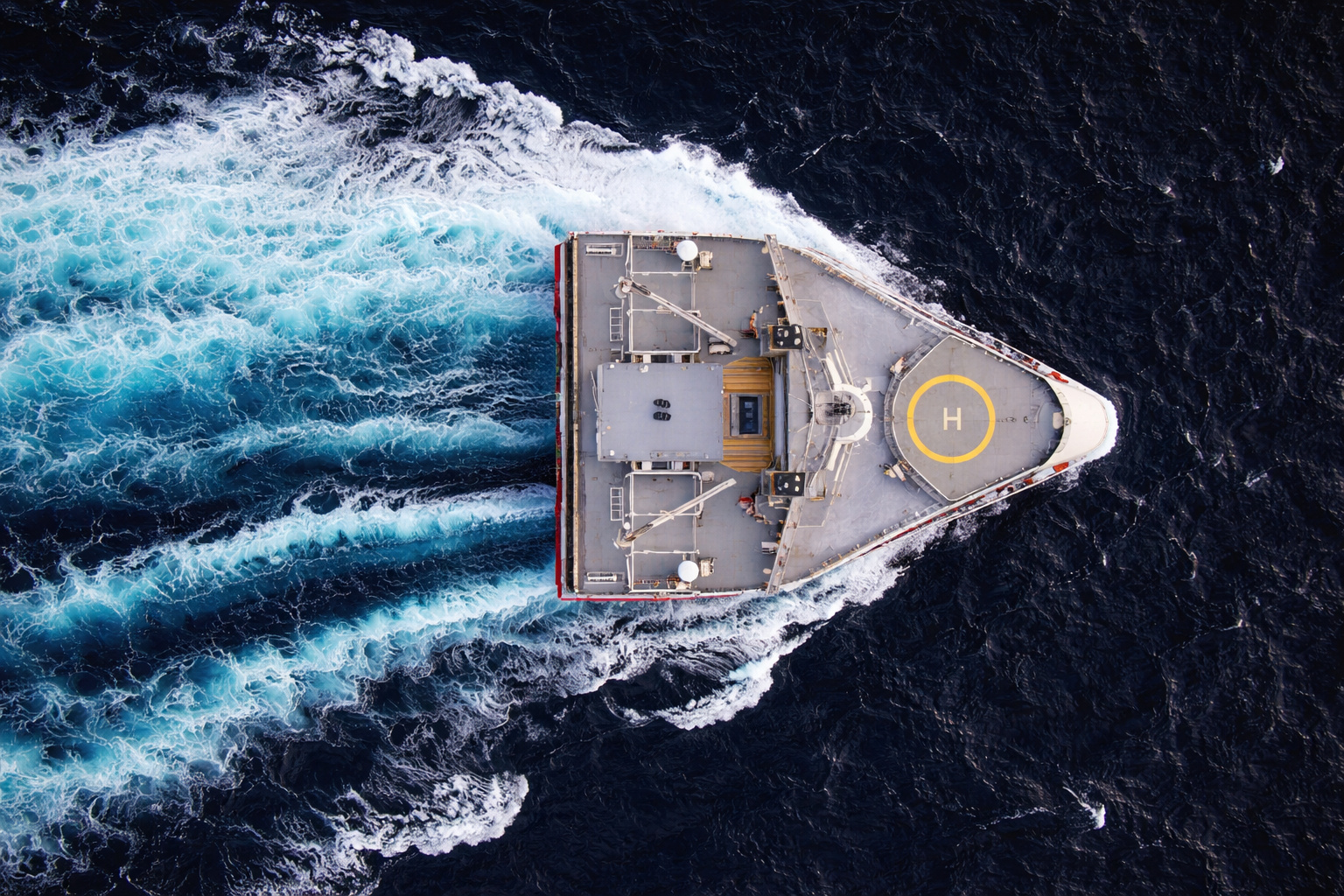
With almost 70 meters in width at the stern and a shape resembling a “giant slice of cheese,” the Ramform Titan tows up to 24 seismic cables to sweep the ocean floor in 3D and reveal oil reserves hidden beneath kilometers of sediment.
-
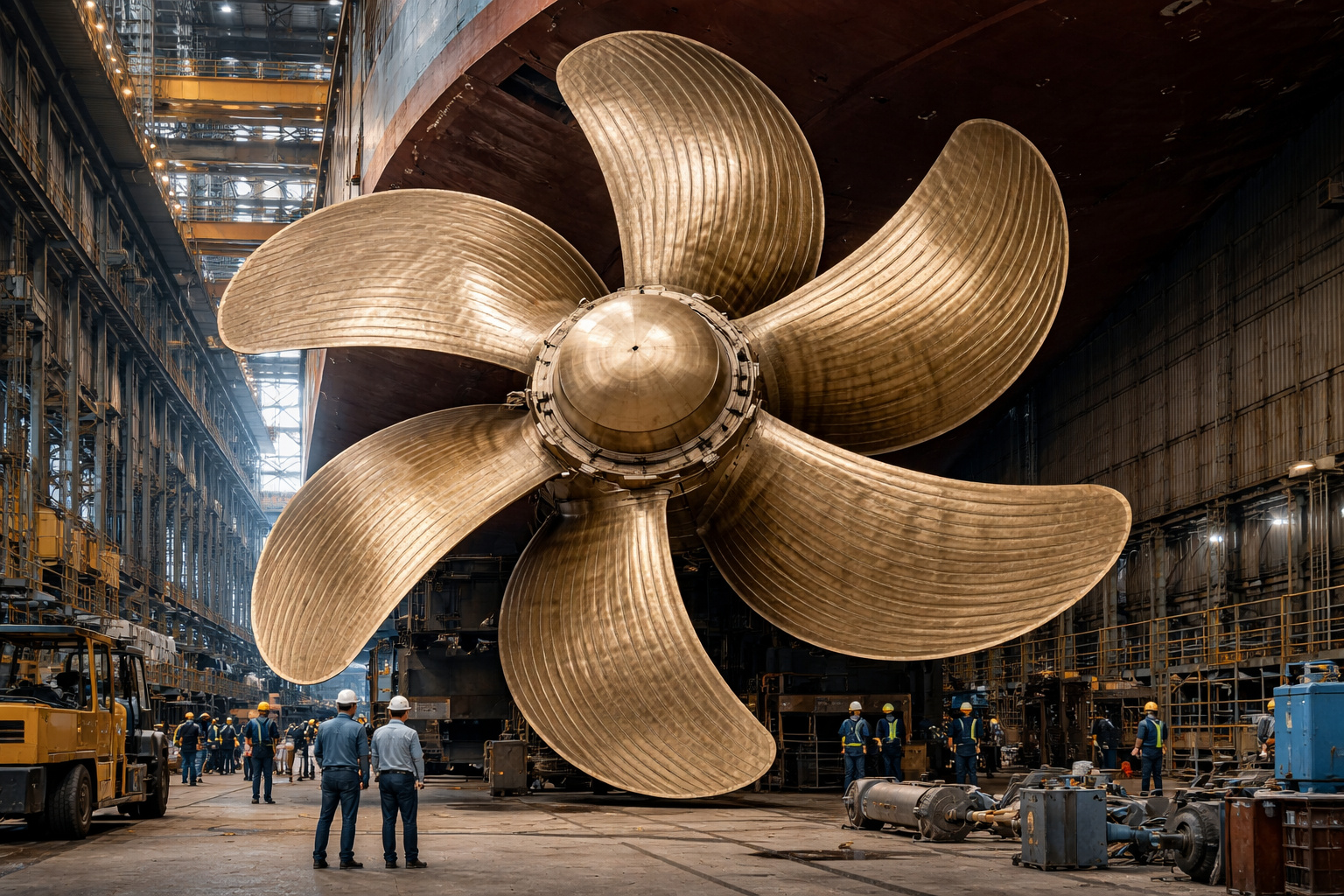
How a 131-ton, 11-meter propeller supports 90% of global trade and transforms the largest container ships on the planet.
-
With a length of 225 meters and a capacity of 76 thousand tons, this ship “sinks” its own deck down to 28 meters deep to accommodate war destroyers, oil platforms, and giant radars floating above, and then emerges with everything intact on top like a colossal tray crossing oceans.
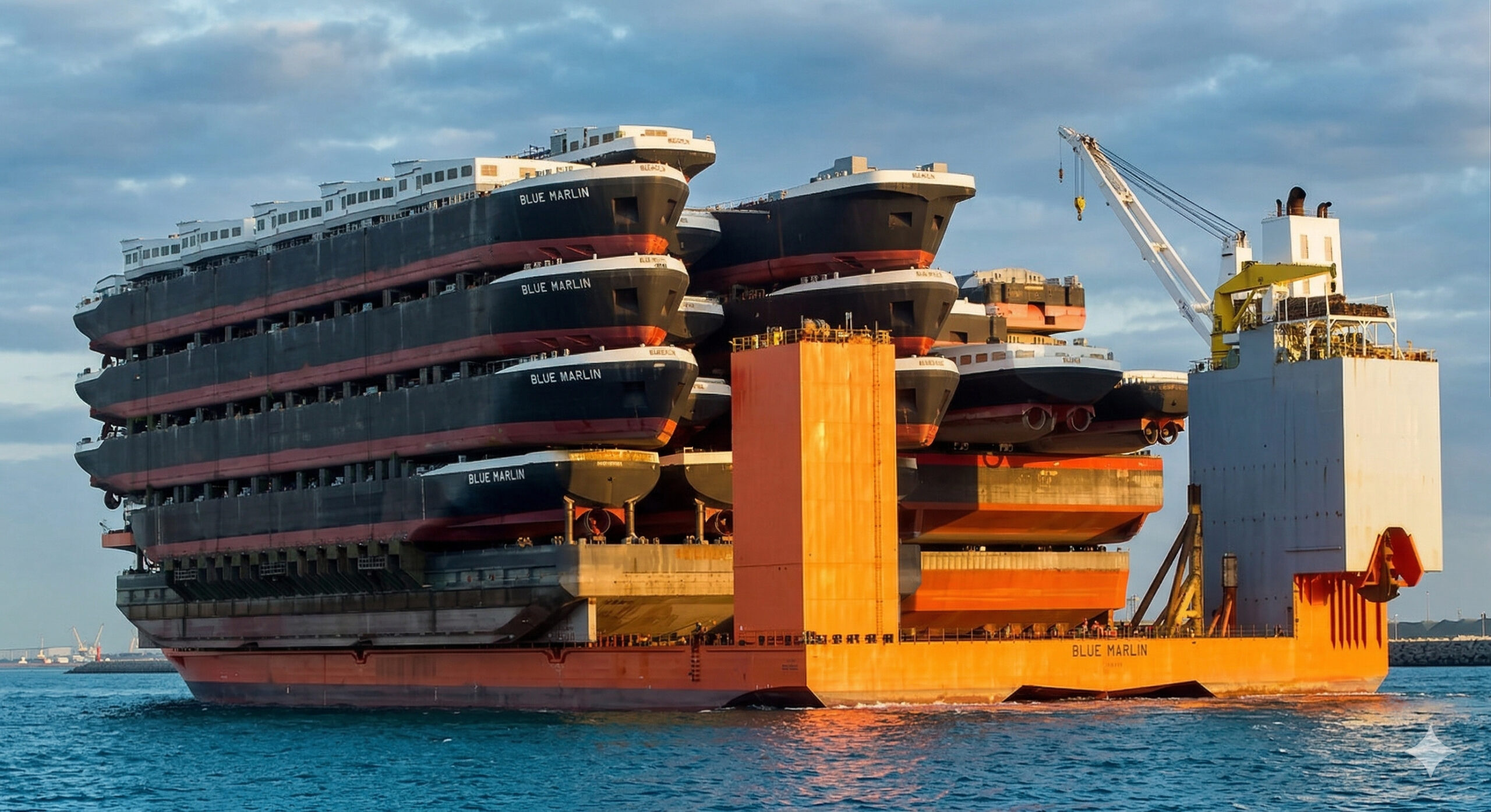
However, despite all this evolution, the shipbuilding industry has always faced complex challenges that go beyond technical aspects, including economic, environmental, and political factors.
A Brief History Of The Shipbuilding Industry
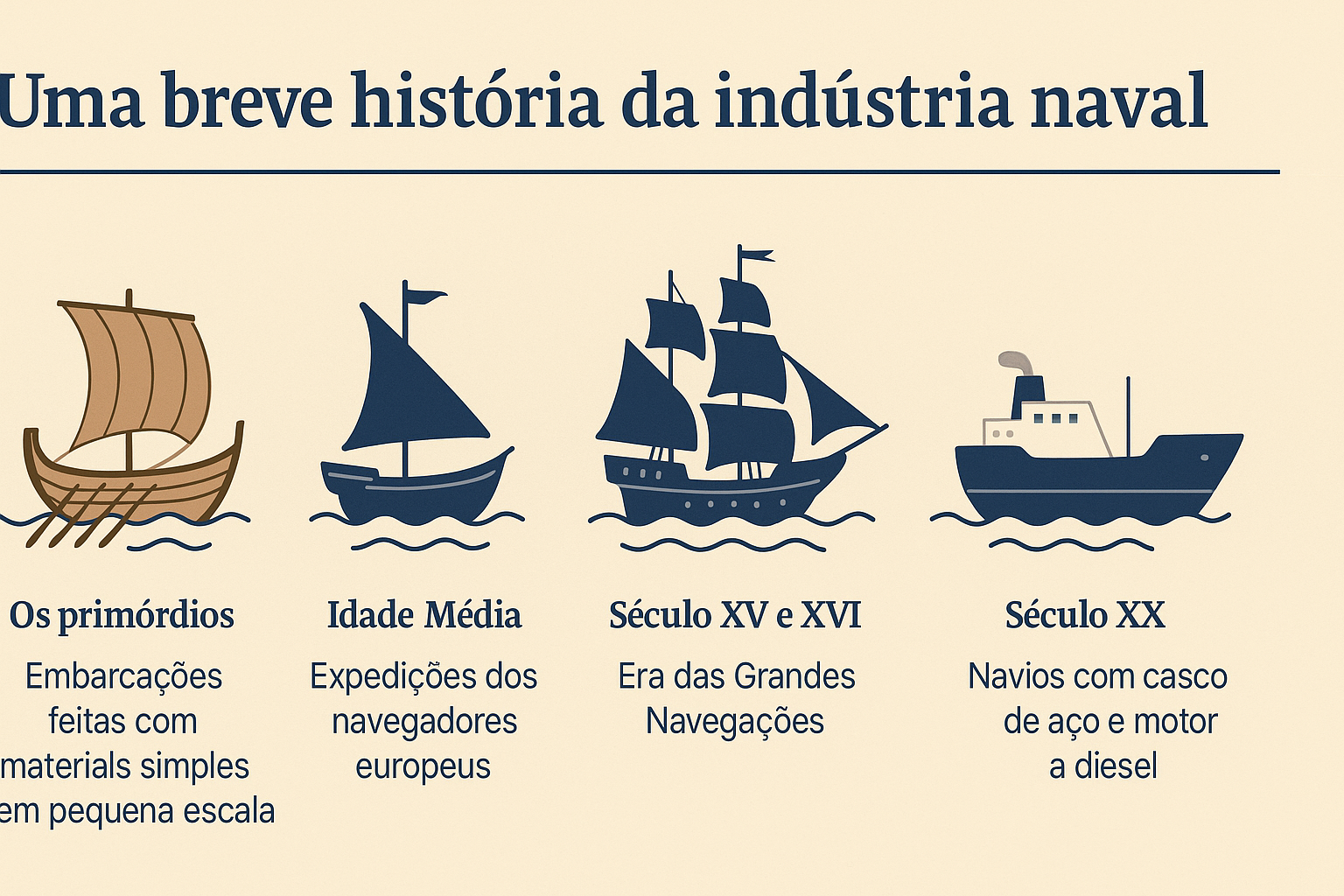
Since ancient times, vessels were made with simple materials and on a small scale. For example, the Phoenician and Greek civilizations built ships that served for trade and defense, creating important maritime routes for the time.
The Middle Ages brought advancements such as the use of the compass and the astrolabe, which improved navigation. This enabled the expeditions of European navigators that marked the beginning of global trade, as recorded in the UNCTAD report in 2023.
The 20th century, in turn, saw shipbuilding modernize with diesel engines and extensive use of steel. In addition, the shipbuilding industry played a crucial role during the world wars, building large fleets of military and transport ships.
According to the IMO, the recovery and expansion of the sector after World War II marked the beginning of the era of large-scale maritime trade, creating the need for larger and more efficient vessels.
These historical facts demonstrate that the shipbuilding industry is always linked to the economic and geopolitical contexts of each period.
Structural And Technological Challenges
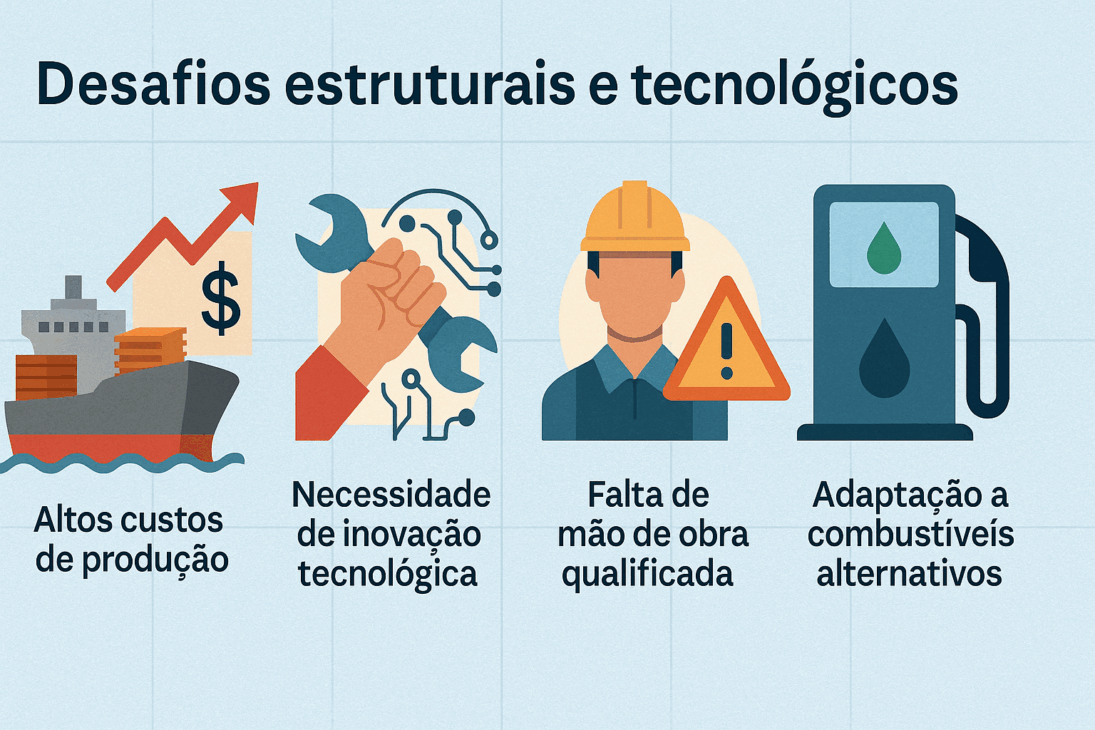
Currently, the shipbuilding industry deals with high production costs, which include materials such as high-strength steel and advanced technological equipment.
According to UNCTAD, investments in technology are essential for shipyards to build vessels that meet new environmental and efficiency demands.
Additionally, the need for technological innovation is constant. For example, the automation of processes and digital navigation systems help to increase safety and efficiency, as highlighted by the International Energy Agency (IEA) in its 2022 report.
These technologies, however, require skilled labor, which is not always available. Thus, the sector faces the challenge of training professionals to operate and maintain increasingly complex systems.
Finally, adapting to alternative fuels, such as liquefied natural gas (LNG) and hydrogen, requires profound changes in the design and operation of vessels, as detailed by the IMO in its latest regulations.
Sustainability And The Environment: A Growing Challenge
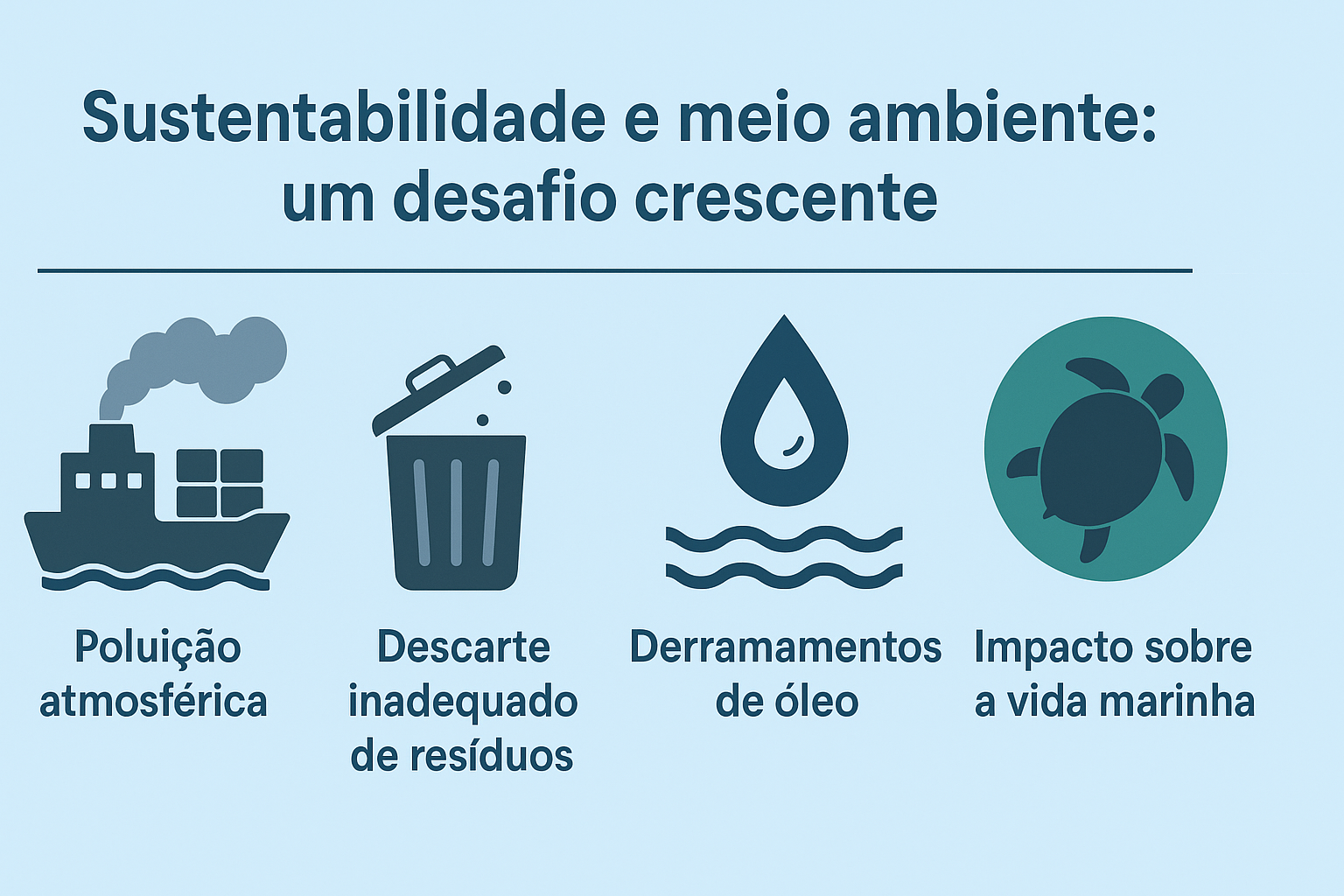
Environmental concerns in the shipbuilding industry have intensified, especially in the last two decades. In 2020, the IMO implemented a strict limit on sulfur present in marine fuel, known as IMO 2020, with the aim of reducing air pollution.
This regulation is part of global efforts to lessen the environmental impacts of the sector, aligned with the goals of the Paris Agreement, signed in 2015 by the UN.
Additionally, the International Energy Agency (IEA) projects that the sector must cut its greenhouse gas emissions by half by 2050 to help curb global warming.
However, adapting old vessels or building new ships with clean technology represents a major financial and technical challenge for many companies, especially those in developing countries.
In addition to air pollution, improper waste disposal and the risks of oil spills also pressure the industry to adopt more responsible practices.
Therefore, several companies invest in waste treatment and recycling systems, as well as in technologies that avoid impact on marine life.
Global Competition And Operational Costs
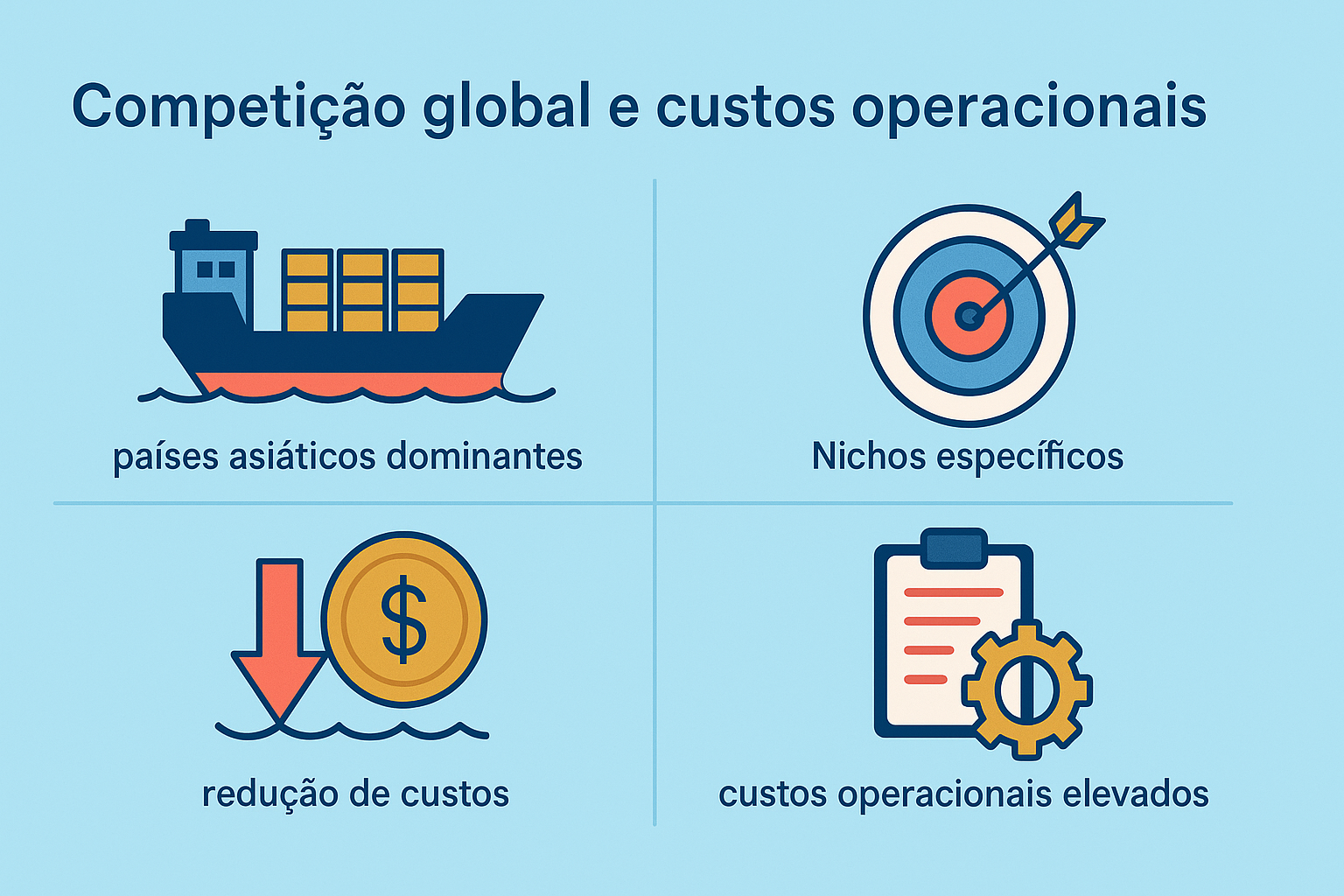
The international competition is a historical factor that shapes the shipbuilding market. Since the 1970s, Asian countries such as China, South Korea, and Japan dominate shipbuilding, due to aggressive industrial policies and skilled labor.
According to UNCTAD, these countries control more than 80% of global ship production, making it difficult for shipyards in other regions to operate.
Consequently, shipyards need to seek specific niches, invest in innovation, and reduce costs to survive in this market.
In addition to construction costs, operational costs such as maintenance, fuel, and insurance are high and subject to fluctuations, such as the volatility in oil prices, which directly affect the profitability of operations.
Therefore, energy efficiency and cost reduction are priorities for companies that want to stand out.
Regulations And Bureaucracies
The shipbuilding industry operates in a complex regulatory environment where international IMO standards and national regulations converge.
The requirements for certification, inspection, safety, and the environment are stringent, but essential for ensuring minimum standards.
However, the bureaucracy involved can be a hurdle, especially for small companies that do not have the structure to keep up with frequent changes.
In addition, global political issues, such as economic sanctions and environmental policies, directly impact the sector.
Thus, staying up to date and complying with the regulations requires dedication and continuous investment.
The Future Of The Shipbuilding Industry
The future of the shipbuilding industry necessarily involves technological innovation, sustainability, and professional training.
Recent reports from UNCTAD indicate that digitalization, automation, and the use of alternative fuels will be the main drivers of transformation.
In addition, international cooperation on environmental and safety standards should strengthen to ensure a more competitive and responsible sector.
Despite facing complex challenges, the shipbuilding industry has the potential to reinvent itself and continue being essential for global trade and the world economy.
By understanding these challenges, it becomes clear that the shipbuilding industry remains one of the pillars of global development, ready to navigate toward new opportunities.








Seja o primeiro a reagir!