





 Portuguese
  English
  Spanish
  3 min of reading
  0 comments



Petrobras’ Entry Into Solar Energy Through Joint Venture With Lightsource Criticized By Former CEO, Who Points Out Strategic, Financial, And Governance Risks.
The decision by Petrobras to enter the large-scale solar energy segment has reignited debates about strategy and capital allocation within the state-owned company. The move, recently announced, involves the acquisition of a minority stake in solar assets in Brazil and has been publicly criticized by the former CEO of the company, Jean Paul Prates.
For him, the operation could represent a mistake by conflating energy transition with financial decisions that have limited returns.
This stance is noteworthy because it comes from an executive who, during his tenure, consistently advocated for diversifying the company’s portfolio in businesses related to the energy transition.
-
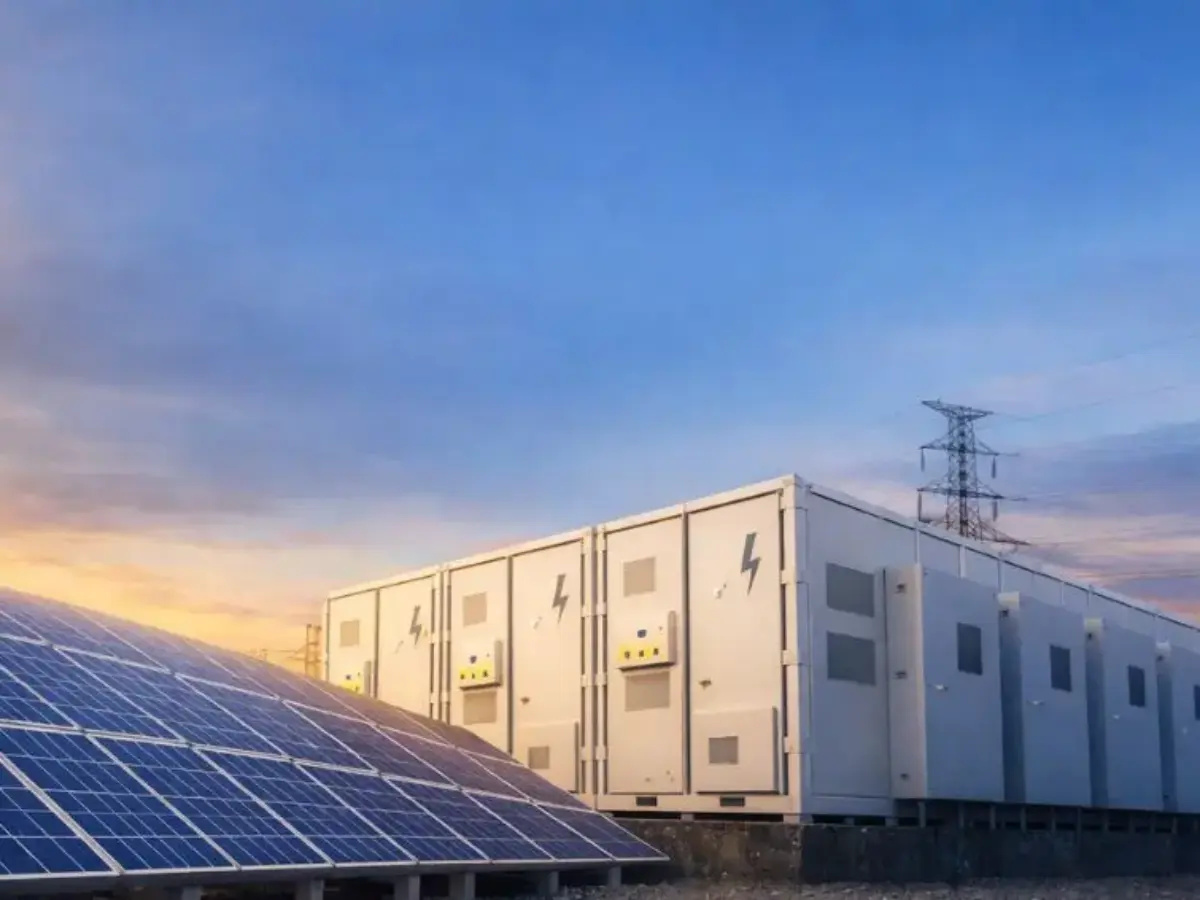
Revolution in the electric sector: ANEEL approves the operation of the first BESS project co-located with a solar plant in Brazil to stabilize the grid and optimize renewable generation in 2026.
-
Sustainable culture in motion: Cine Céu travels through Brazilian cities and promotes free and clean entertainment through the use of solar-powered cinema.

-
New boat with hybrid technology and solar energy stands out by increasing autonomy at sea and reducing consumption, consolidating the innovative proposal of Greenline Yachts in the nautical sector.

-
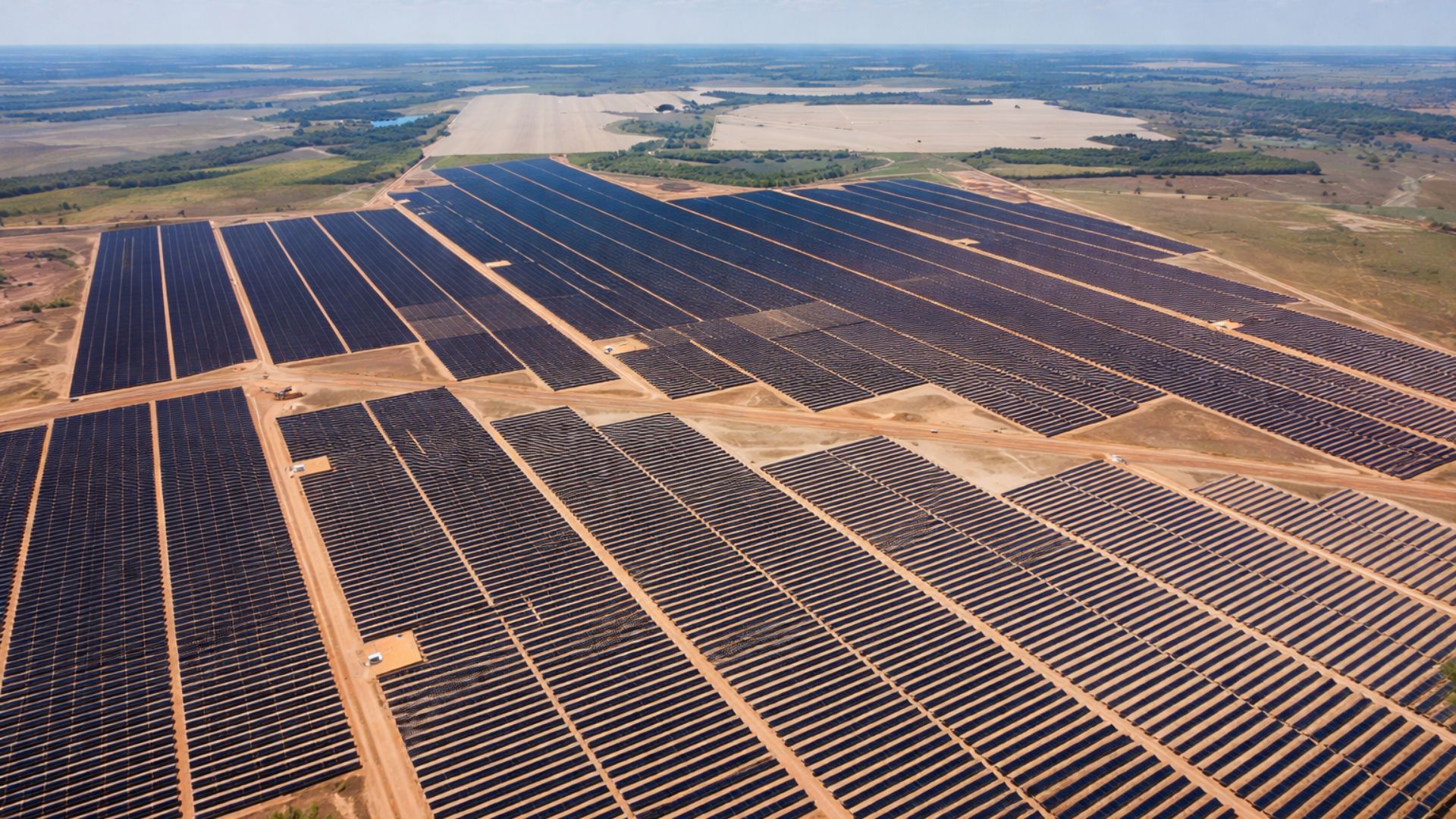
Solar energy gains strength with the Barro Alto solar complex, which increases renewable energy production in Brazil, creates jobs, strengthens the clean matrix, and transforms the electric sector with innovation and sustainability.
Operation Details Place Solar Energy At The Center Of The Strategy
On Tuesday (12/17), Petrobras announced the purchase of 49.9% of Lightsource in Brazil, the renewable subsidiary of British BP. The transaction’s value was not disclosed. With the agreement, the state-owned company will share management of a portfolio of solar energy assets.
Among the projects involved is the Milagres photovoltaic plant, located in Albaiara, Ceará, which has an installed capacity of 212 megawatts. Additionally, the portfolio includes projects that are further along in development, totaling between 1 gigawatt and 1.5 gigawatts, as well as other assets still in the initial phase.
This entry into the market occurs in a context of strong expansion of solar energy in Brazil but also in an environment of increased competition and margin compression in the segment.
Criticism Points Out Financial Risk And Loss Of Strategic Control
Commenting on the operation, Jean Paul Prates questioned Petrobras’ choice for large-scale solar generation. According to him, this is the “most saturated segment of renewables,” which would reduce the strategic potential of the investment. Furthermore, the former CEO raised concerns about the governance model adopted.
“It’s the worst of worlds. Petrobras would assume significant financial risk without controlling the strategy, defining geographical priorities, dictating the pace of investments, and ensuring synergy capture. In practice, it would invest capital while the partner monetizes mature assets. This is not a strategic partnership. It’s risk transfer with limited return,” Prates wrote in a post on Medium.
In his assessment, the shared control structure increases uncertainties and limits the company’s ability to direct the business according to its long-term interests.
Questions About Coherence And Long-Term Vision
In addition to operational criticisms, Prates stated that the transaction raises broader questions about Petrobras’ strategic coherence. For the former president, the investment in solar energy, as it was structured, does not align with the company’s historical profile.
The operation, according to him, has characteristics of a business focused on financial portfolio management. “It’s a financialized business, with compressed margins, low risk, and predictable returns. A good asset for infrastructure funds. A legitimate business for private companies focused on portfolio management and corporate PPAs (power purchase agreements). But not an obvious or sensible step for a company with Petrobras’ profile, history, and responsibilities.”
This diagnosis reinforces the perception that entering the solar energy sector requires clear criteria regarding industrial synergy and strategic return.
Advocated Alternatives For The State-Owned Company’s Energy Transition
During his presidency at Petrobras, from 2023 to 2024, Prates stood out as a proponent of investments in renewable sources that align more closely with the company’s competencies. One of the examples he cited is the development of offshore wind energy projects.
The former CEO recalled that he saw offshore wind as one of the “natural pathways” for the company, especially due to its accumulated experience in maritime engineering. Additionally, he mentioned opportunities in advanced biofuels integrated with refining and the chemical industry.
Another pointed vector was low-carbon hydrogen, which could be “articulated with gas, carbon capture, and heavy industry.” In Prates’ view, these fronts would be more aligned with Petrobras’ operational and technological structure than large-scale solar generation.









-

2 pessoas reagiram a isso.