





 English
  Francês
  Alemão
  Italiano
  Japonês
  Norueguês
  Portuguese
  Spanish
  3 min of reading


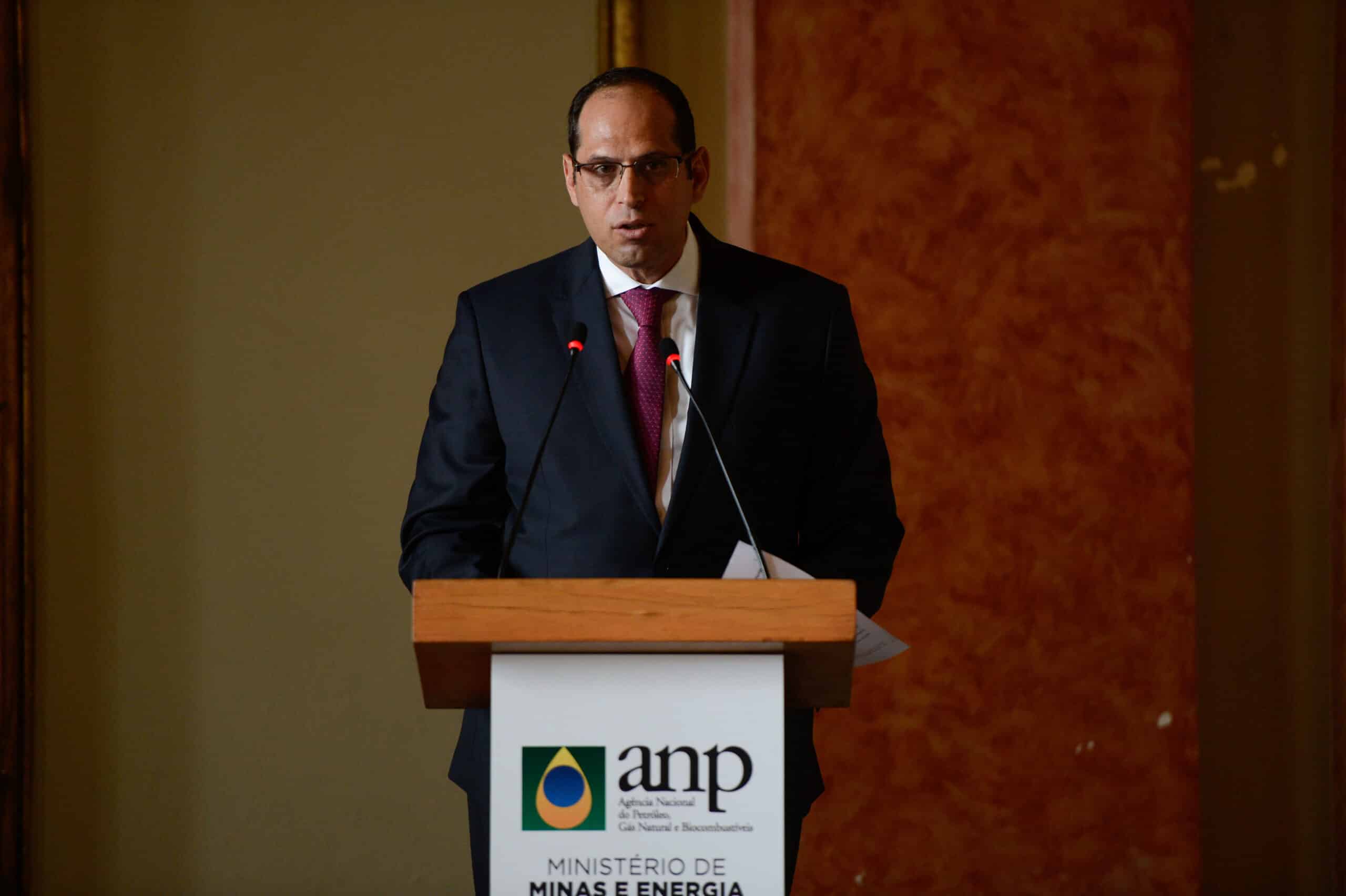
Felipe Kury, Former Director of ANP, Highlighted That Exploration and Production Projects in Upstream Should Not Be Modified. However, the Oil, Natural Gas, and Biofuels Sector May Be Significantly Altered Regarding State Disinvestment Projects.
For this Tuesday, (12/20), the anxiety regarding the future of the oil, natural gas, and biofuels sectors continues at full steam in the Brazilian market, with the arrival of a new Lula Government next year. Thus, the expert and former director of the National Agency of Oil, Natural Gas, and Biofuels (ANP), Felipe Kury, commented on the possible changes in the scenario, which, according to him, should occur only in the midstream and in state disinvestment projects.
Achievements in Upstream in the Oil, Natural Gas, and Biofuels Scenario Should Not Be Modified with the New Lula Government, Kury Points Out
Felipe Kury highlighted the achievements in the upstream (exploration and production of oil) of the oil, natural gas, and biofuels sector as one of the main concerns for the current market with the government transition.
However, he emphasizes that the Lula Government is not expected to make significant changes to the regulations and projects in upstream.
-
Brazilian giant expands borders in the Southeast: Petrobras confirms new oil discovery in ultra-deep waters in the pre-salt of the Campos Basin.

-
Alert in the global energy market: Severe tropical cyclone hits the coast and disrupts gas production at major plants in Australia, threatening global supply.

-
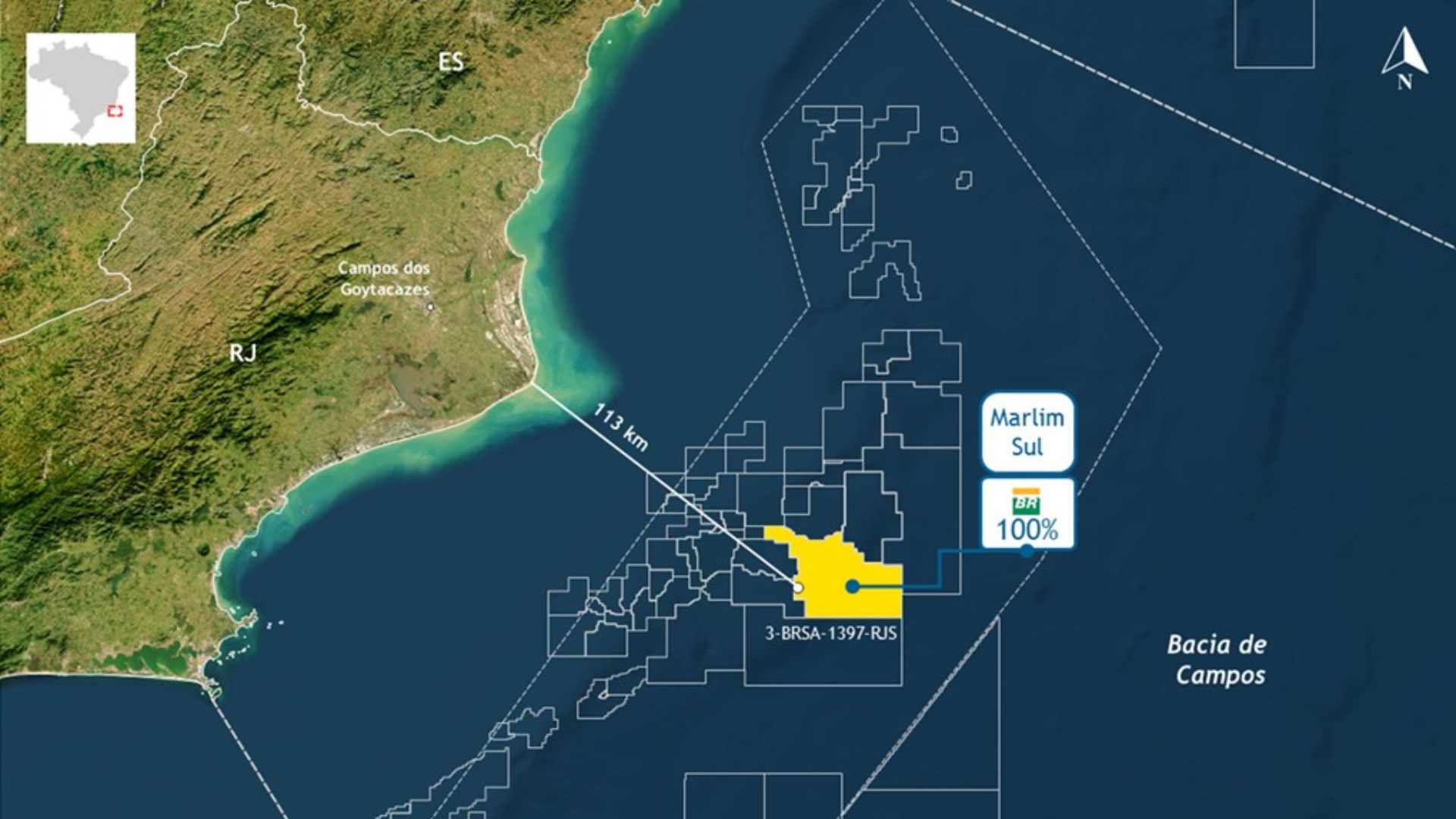
Petrobras finds high-quality oil in the pre-salt at 113 km from RJ and reignites expectations about strategic reserves in the Campos Basin.

-
Ocyan opens registrations for startups focused on innovation in the oil and gas sector and will select projects for Innovation Day with the support of Nexio.


In recent years, there has been a major unlocking of the oil, natural gas, and biofuels sector in Brazil, enabling direct and indirect investments of approximately US$ 428 billion for the next 10 years, according to the decennial energy expansion plan of the energy research company EPE.
Among these advances, the main one is the schedule of auctions for exploratory areas, in addition to the permanent offer program. This is because it offers greater predictability and stability regarding investments in exploration.
According to ANP, there are currently 1,068 areas available in this program, and in the near future, another 1,018 will be added, including onshore, conventional offshore, and pre-salt areas.
The achievements for unlocking the oil, natural gas, and biofuels sector that are being discussed with the arrival of the Lula Government, according to the former director of ANP, mainly occurred due to advancements in the years 2017 and 2018.
During this period, new resolutions on Oil Exploration and Production (E&P) and Local Content were launched by the National Council of Energy Policy (CNPE).
Another advancement was the reduction of royalties for incremental production of marginal fields and for small and medium enterprises, published by ANP in recent years.
Thus, the former director of ANP believes that the arrival of the Lula Government will have little impact on these upstream advancements, especially in exploration projects in Brazil.
Midstream of the Oil, Natural Gas, and Biofuels Sector May Be Affected with the Arrival of the New Lula Government, Highlights Former Director of ANP
In contrast to what may happen in upstream in the oil, natural gas, and biofuels sector, Felipe Kury believes that in midstream (refining/natural gas), Petrobras’ divestment movement may suffer significant impacts with the new Lula Government.
According to him, the repurchase of assets already granted to the private market may not occur, but it is very likely that there will be a slowdown and even suspension of divestment and privatization processes.
In recent weeks, President Lula announced to the press that the divestment and privatization project for Petrobras refineries would not continue during his government.
Thus, a similar stance can be expected regarding other divestment projects in midstream of the oil, natural gas, and biofuels sector.
Finally, the former director of ANP comments that in downstream (distribution/resale), the main concern is with Petrobras’ current pricing policy, which uses international parity, and may be affected in the coming years.








Seja o primeiro a reagir!