





 English
  Francês
  Alemão
  Italiano
  Japonês
  Norueguês
  Portuguese
  Spanish
 4 min of reading


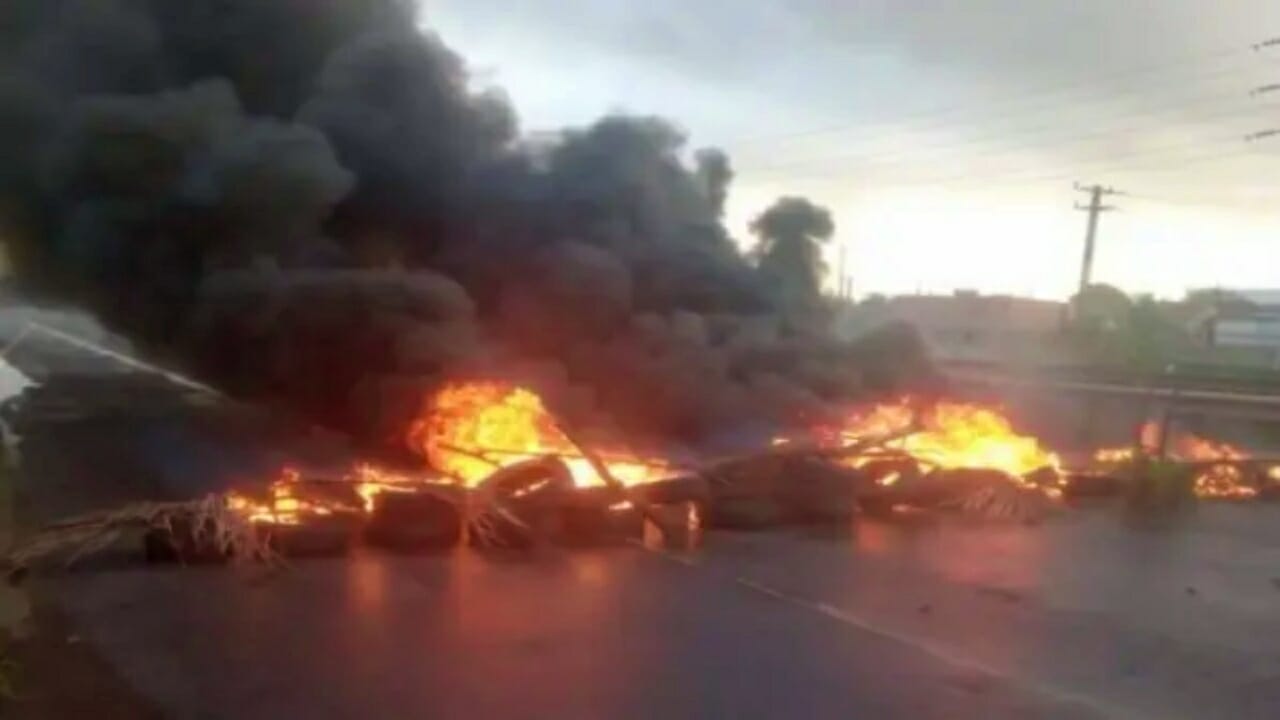
In January 2021, Ford closed its operations in Brazil, leaving a trail of uncertainty and challenges for its employees and suppliers.
On the dawn of Monday, the 11th, a section of the BA-526, also known as Via Parafuso, witnessed a vigorous protest that captured everyone’s attention. This movement, far from being just another demonstration, was led by former employees of Ford’s outsourced companies, such as Magna Seating, Magna Cosmos, Sian, and Tenneco, who, in their quest for justice, temporarily blocked both sections of the road.
In January 2021, Ford closed its operations in Brazil, leaving a trail of uncertainty and challenges for its employees and suppliers. While many managed to resolve their financial issues and compensations, the former employees of the aforementioned outsourced companies are still awaiting fair compensation.
Companies Involved: Magna Seating, Magna Cosmos, Sian, and Tenneco
In this scenario, Magna Seating, Magna Cosmos, Sian, and Tenneco emerge as central names. These companies are key players in Ford’s supply chain, providing essential components for vehicle production. While most of the companies have reached an agreement to pay compensations to workers, when Ford closed its doors, these four companies are still resisting, generating frustration and despair among their former employees.
-
New shoe factory in Ceará is expected to create 400 jobs and strengthen the local economy.
-
No one imagined it, but a mixture of sawdust with a mineral that fights fires surprises scientists with a result that changes the course of fire-resistant construction.

-
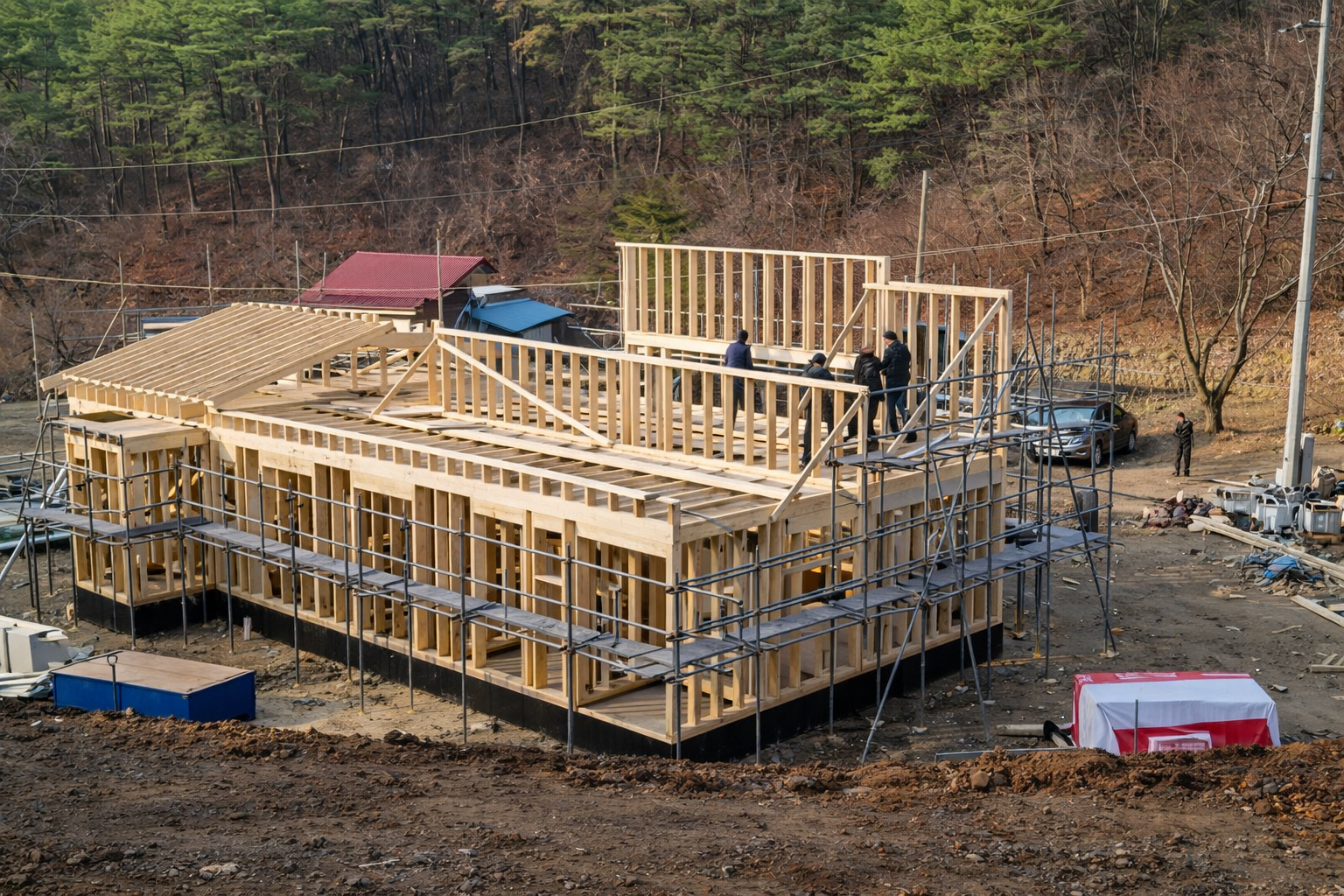
From empty land to a high-end house, wooden construction uses a lightweight system, metal structure for the foundation, ventilated ceramic cladding, and special windows to create an efficient and comfortable living space throughout the year.
-
From vacant land to a high-end house, wooden construction uses a lightweight system, a metal structure for support, ventilated ceramic cladding, and special windows to create an efficient and comfortable living space throughout the year.

The metalworkers’ union of Camaçari played a crucial role in the negotiations following Ford’s closure. Júlio Bonfim, who was the president of the union at the time of Ford’s closure and is the current representative in negotiations, stated that these four companies are the only ones that have yet to reach an agreement on compensation payments for workers.
Bonfim emphasized the need for the Justice system to expedite decisions, noting that the union has legal limitations. He clarified: “We cannot force the businessman and say: ‘pay’. It is the Justice that has to do that. The union has legal limitations. We cannot be held responsible for the delay of these processes.”
According to information from the union, almost 600 workers from Ford’s outsourced companies are being affected by this distressing situation. Meanwhile, more than eight thousand employees have already had their payments processed, highlighting the disparity in resolving this crucial issue.
Protest, Negotiation, and Release of the Road
The protest that took place on Via Parafuso, specifically at km 6 of the highway, was a standout moment in the quest for justice. The demonstrators, armed with banners and placards, decided to block the road, using burning tires as a dramatic way to draw attention to their cause. The situation intensified to the point of requiring intervention from the Military Police of Bahia (PM-BA).
After careful negotiation between the demonstrators and the Road Police Battalion (BPRv), the road was finally opened for traffic. This event demonstrated the determination of the group to have their voices heard and highlighted the severity of the situation faced by former employees.
Ford No Longer Operates in Brazil, But the Impact of Its Departure Continues to Be Felt by Those Who Relied on It for Their Families’ Sustenance.
The saga of the former employees of Ford’s outsourced companies in Bahia is a striking example of the complexities faced by workers after the closure of a large company. While Ford no longer operates in Brazil, the impact of its departure continues to be felt deeply, especially by those who relied on it for their families’ sustenance.
In this scenario, the role of the union and Justice is crucial to ensure that former employees receive the compensations they are owed.
As these former employees persist in their quest for justice, society watches closely, hoping that the authorities and the involved companies act in a fair and ethical manner. The story continues to unfold, and the word “Ford” continues to echo in the minds of all involved, reminding us of the importance of caring for those affected by significant economic and corporate changes.
The Incarnation of the Iconic Volkswagen Beetle on Two Wheels: Man Builds Scooter with Fenders from the Old Beetle and Endearingly Names It Volkspods
The Volkswagen Beetle, or Bug, is one of those iconic cars that has captivated car enthusiasts and design admirers for decades. With over 21 million units produced over its impressive 65 years of history, the old Bug has become an icon of the global automotive industry. The journey of this lovable car, which began in 1938, only ended in 2003, charming entire generations with its timeless design. Click here to check out the full article!









Seja o primeiro a reagir!