





 Portuguese
  English
  Spanish
  4 min of reading
  1 comment


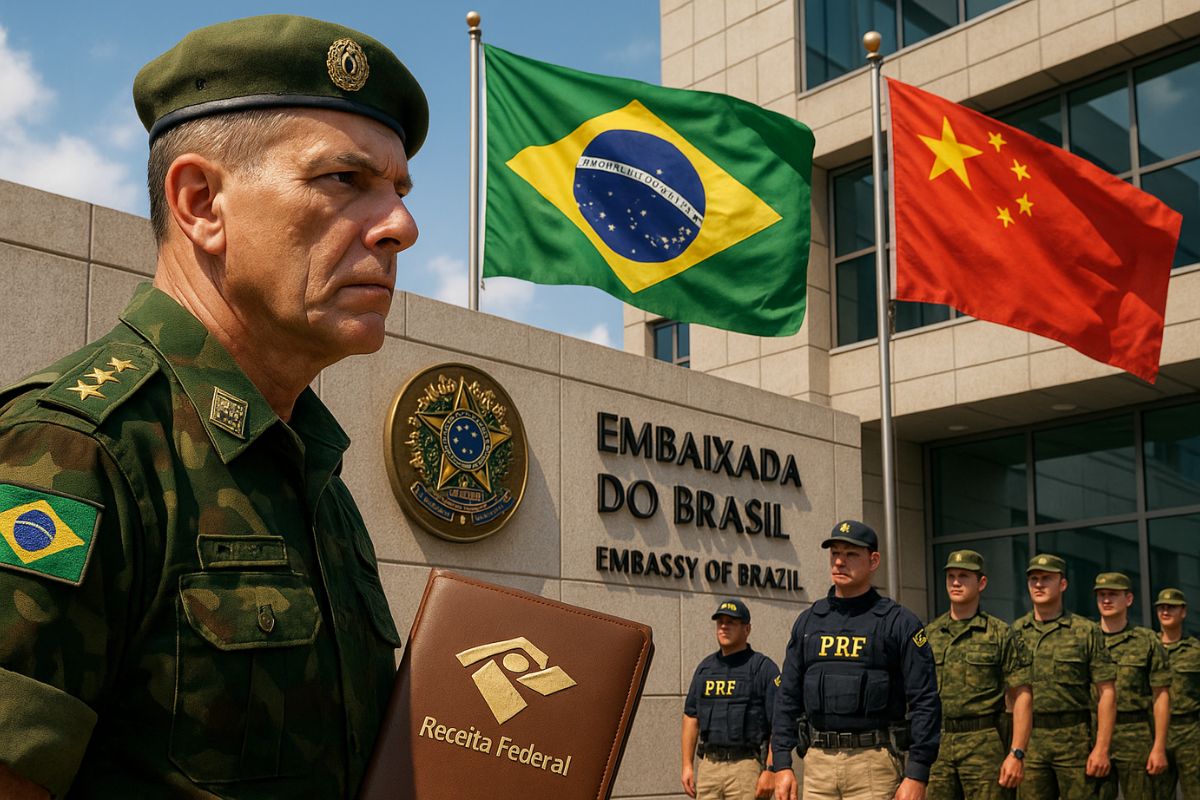


Lula’s Government Equates Diplomatic Structure to That of the U.S. and Expands Presence with Officers from the Brazilian Army, Revenue, and Federal Police in Beijing
The Brazilian Army will have, for the first time, a general in permanent duty in China, as part of an unprecedented military and diplomatic rapprochement strategy between the two countries. The new configuration of the Brazilian representation in Beijing was confirmed by a decree signed by President Luiz Inácio Lula da Silva after his state visit to China in 2025.
The measure raises the importance of the Brazilian mission in the Asian country to the same level as the embassy in the United States, currently the only one with the presence of generals from all three Armed Forces. In addition to the general, Brazil will send a Navy admiral, a Federal Revenue attache, and a Federal Police representative, in a move that marks a new phase in Sino-Brazilian strategic relations.
Who is the Brazilian Army General Representing the Country?
The one chosen for the mission is General Rovian Alexandre Janjar, former commander of the 2nd Mechanized Cavalry Brigade. He will take office as Defense Attaché in December, based at the Brazilian embassy in Beijing. In addition to him, a rear admiral of the Navy will also be moved to China, totaling five officers from the Armed Forces in the representation.
-
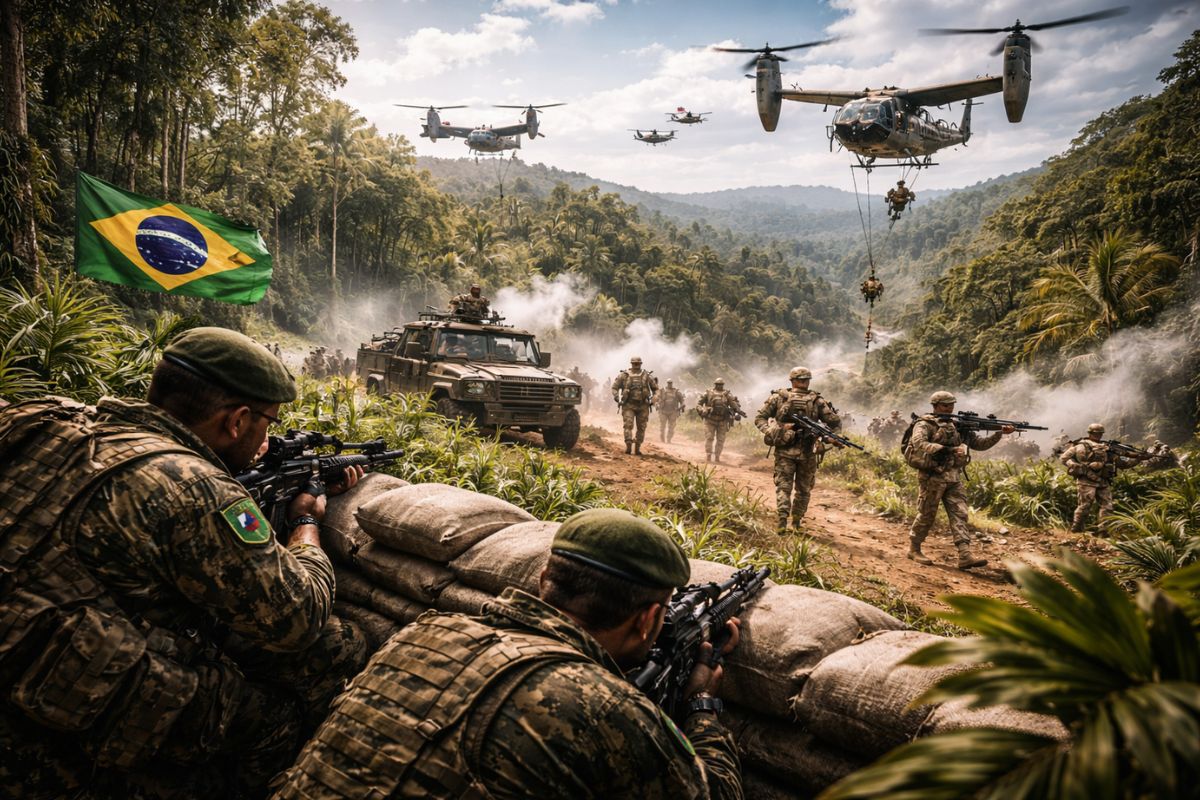
If the USA were to go to war with Brazil, Washington’s greatest fear would not be the attack itself, but facing a vast territory, prolonged resistance, and a costly, chaotic, and unpredictable occupation.
-
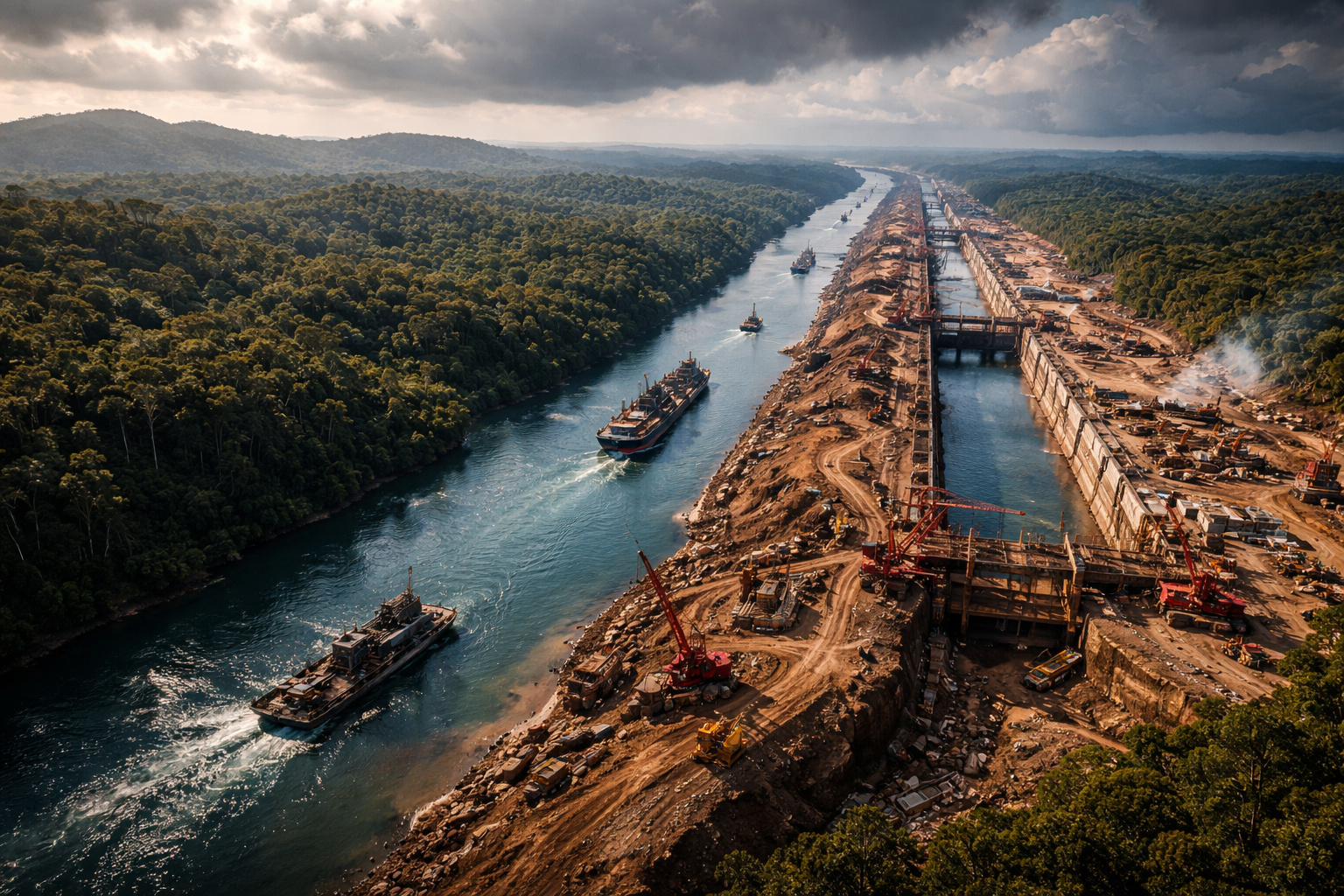
In 2013, Nicaragua sold the concession for a canal to rival Panama to a Chinese billionaire who lost 85% of his fortune, disappeared, and was declared bankrupt. Now the project resurfaces with a new route, a new Chinese partner, and a cost of $64.5 billion.
-
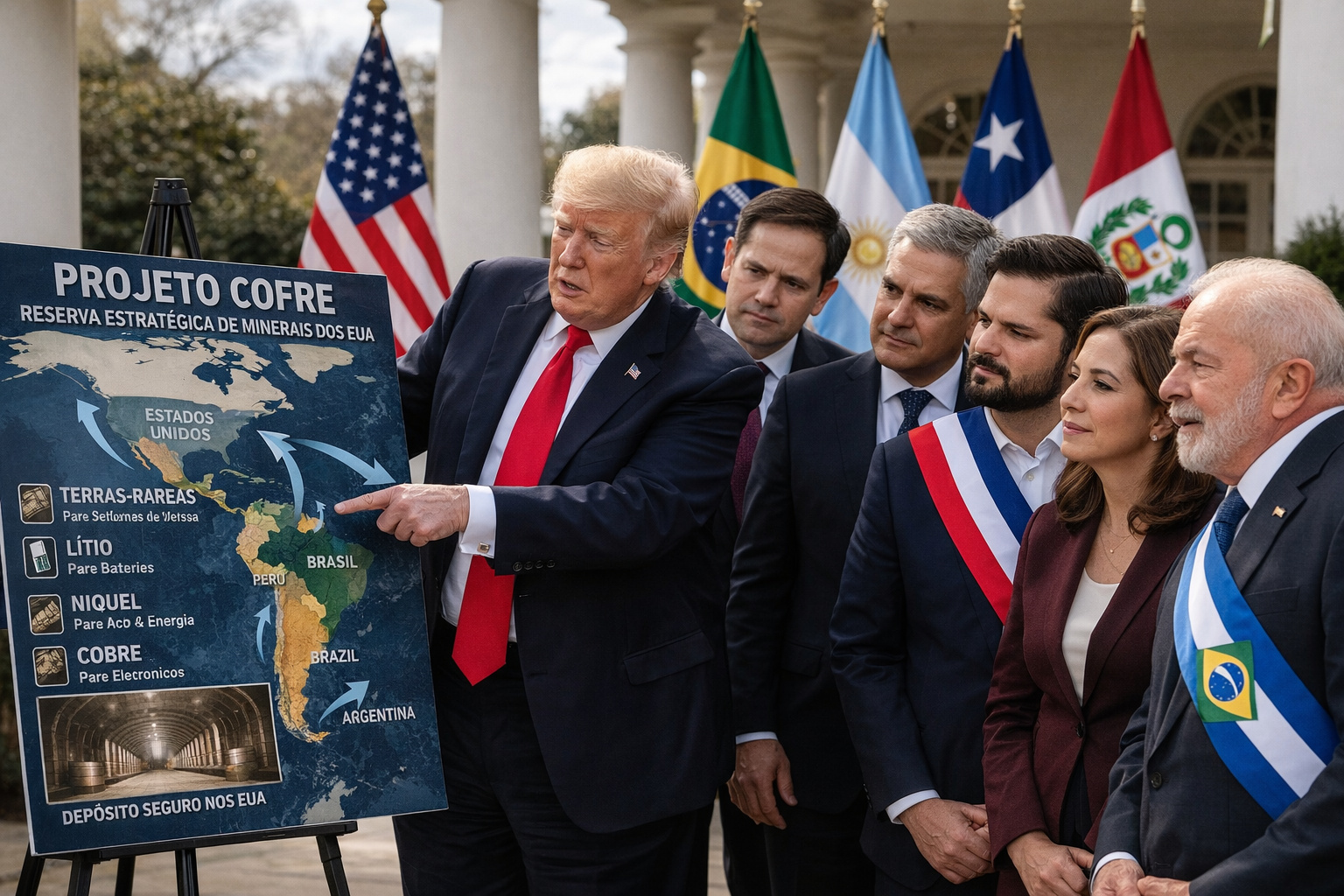
The USA announces a mysterious billion-dollar vault project to store critical minerals, but what intrigues experts is not just the plan itself, but why Latin America, including Brazil, has entered the center of this global dispute against China.
-
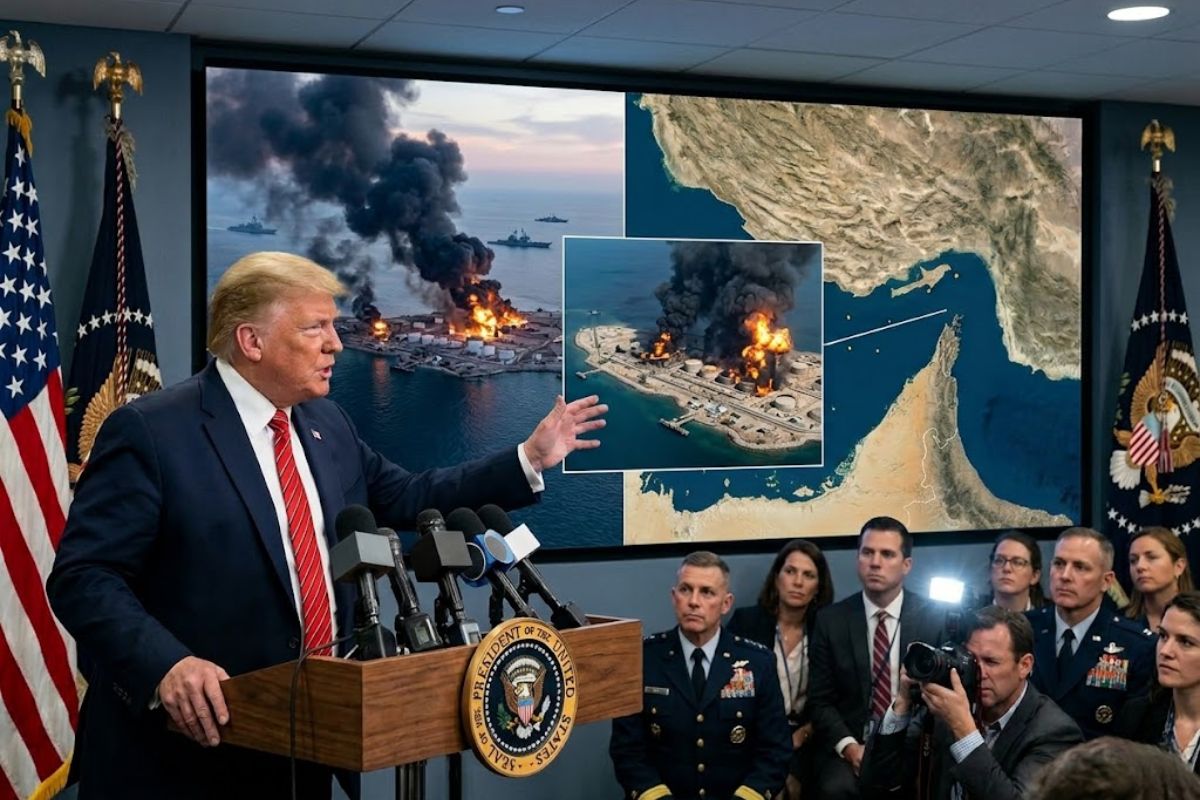
Trump Announces Bombing of U.S. Military Targets on Iranian Island Responsible for About 90% of Iran’s Oil Exports, Warns of Further Attacks if Navigation in Strategic Strait of Hormuz Is Threatened

According to Folha de S.Paulo, the military personnel will share space with the current attaché office, which is undergoing reforms, while the Itamaraty seeks a larger headquarters for the embassy. This structure previously only existed in the Brazilian diplomatic mission in Washington.
Why is the Army Expanding Its Presence in China?
The decision reflects Brazil’s growing interest in closely monitoring China’s technological and geopolitical advancements. According to reserve Colonel Paulo Filho, who was part of military delegations during visits to the country, the sending of generals is a “natural move” given China’s strategic relevance in sectors like cybersecurity, space, and advanced defense.
The expansion of military presence also responds to the new profile of the Chinese Armed Forces, which have undergone profound reforms since 2015 and now rank among the most advanced in the world. Analysts say the tendency is for Brazil to acquire more Chinese equipment, leveraging the competitive cost and high technology of these systems.
What Changes in Brazil-China Relations?
The rapprochement with China occurs in the year that diplomatic relations between the two countries mark 50 years. The new structure reflects not only a military rapprochement but also a wider alignment between Brasília and Beijing in commercial, technological, and political areas.
The spokesperson for the Chinese government, Guo Jiakun, stated to Folha that the measure reinforces the building of a “Sino-Brazilian community for a shared future”, focusing on cooperation and sustainable development. According to him, the gesture benefits both countries and strengthens Brazil’s role among major emerging countries.
Are There Risks or International Pressures?
Despite the diplomatic tone, the move will be closely monitored by Western allies. Professor Maurício Santoro of the Naval War School warns that Brazil’s foreign policy of diversifying partnerships — which has existed since the 1970s — has been facing increasing pressure from the U.S. and NATO.
Allied countries express discomfort with Brazil’s rapprochement with nations like China and Russia, especially in the context of ongoing geopolitical conflicts. However, Santoro asserts that the presence of Brazilian generals in China does not, by itself, warrant retaliation, but it will increase international monitoring of the activities of the Brazilian embassy in Beijing.
Is It Worth Betting on This Military Diplomacy?
For analysts, yes. The sending of generals to China allows Brazil to closely monitor the tension in the Indo-Pacific region, including sensitive areas like the South China Sea, through which much of Brazil’s trade with East Asia passes. Understanding the local dynamics can help the country anticipate risks and collaborate on peaceful solutions, respecting its diplomatic tradition.
Moreover, the direct involvement of the Armed Forces abroad allows for a technical and strategic assessment of opportunities for cooperation and acquisition of military technologies, which can be decisive in light of the challenges of modernizing Brazilian troops.
Do you think this rapprochement with China strengthens or weakens Brazil? The sending of Brazilian generals to China marks a new chapter in the country’s military diplomacy. Do you believe this measure enhances national sovereignty or could generate risks with old allies? Leave your opinion in the comments — we want to hear from those who closely follow this scenario.






Temos negócios com paízes ($$$$). É uma importante estratégia. Temos igual nos EUA. Vivemos em uma democrácia e aprendemos e vendemos para o Ocidente e Oriente. Em breve seremos uma grande potência, sem lamber as botas de nenhum país.