





 Portuguese
  English
  Spanish
  3 min of reading
  0 comments



Brazilian Army and Navy Formed a Partnership for the Construction of Up to 200 Armored Vessels. Understand How This Will Benefit National Defense.
In recent months, a contract was signed between the Manufacturing Directorate of the Brazilian Army and the Naval Arsenal of Rio de Janeiro, aiming to advance a project for the acquisition of armored vessels for the Army. This partnership between the Naval Arsenal and the Army Directorate will result in the construction of four riverine operation boats, intended for use by Army personnel.
Brazilian Army and Navy Plan to Acquire Up to 200 Boats


The boats will be of the Félix do Araguaia model and will be modified according to the needs of the Land Force in its riverine missions. Within the project to acquire armored vessels, the army may acquire up to 200 boats.
This lot represents just an initial step towards future acquisitions and the completion of the program. The construction of these four armored vessels is crucial for the Naval Arsenal of Brazil, as it not only keeps its production active but also opens expectations for new orders. For the Army, the acquisition is extremely important, as it involves a national vessel of high quality and excellent performance.
-
With 74% of companies facing difficulties in hiring, technicians and engineers in renewable energy are becoming scarce in Brazil and are essential to support the expansion of solar, wind, and green hydrogen projects.

-
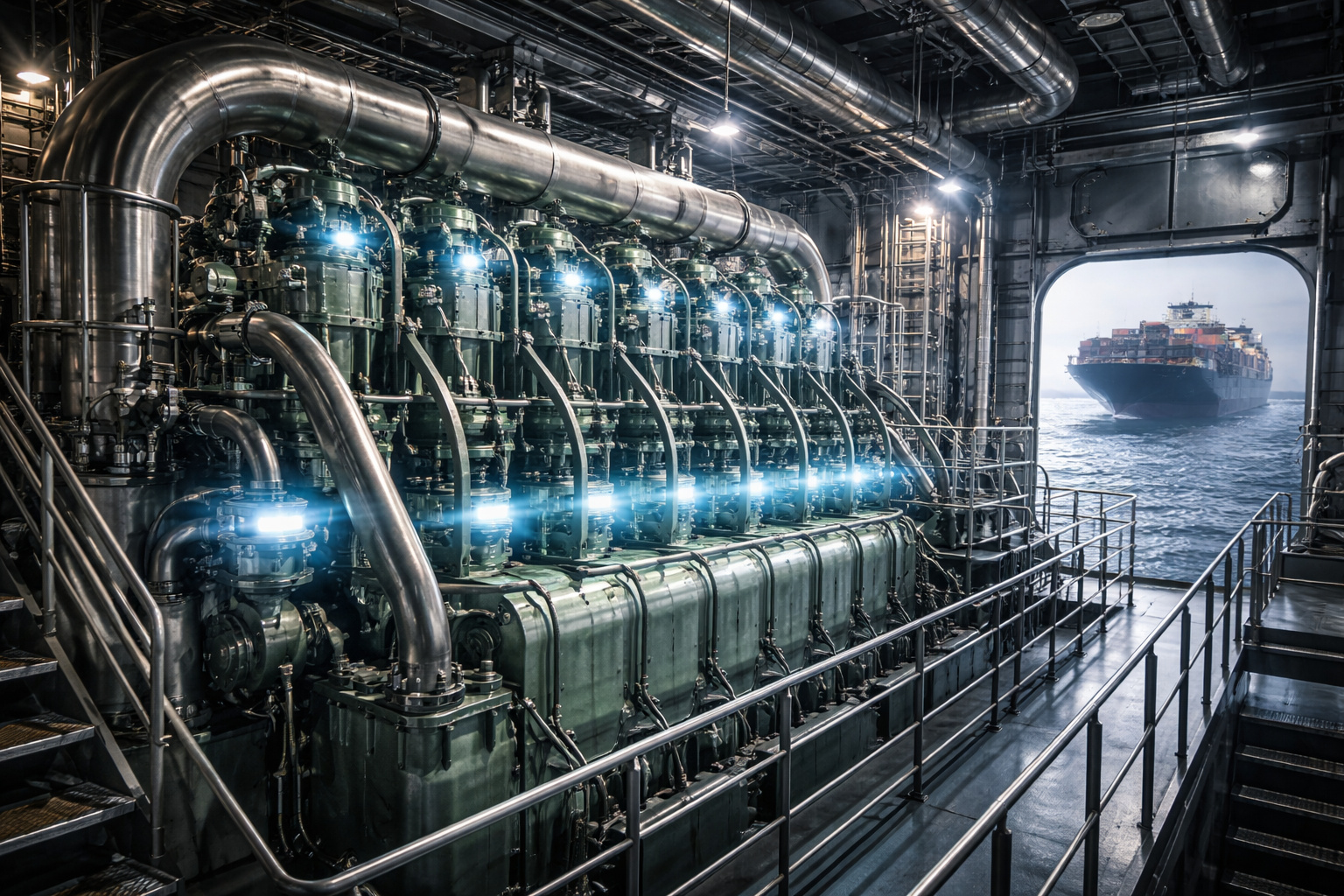
Europe is trying to create an ammonia-powered marine engine without auxiliary fuel, which could unlock the race for giant emission-free ships. The technology aims to eliminate one of the biggest obstacles to clean maritime propulsion.
-
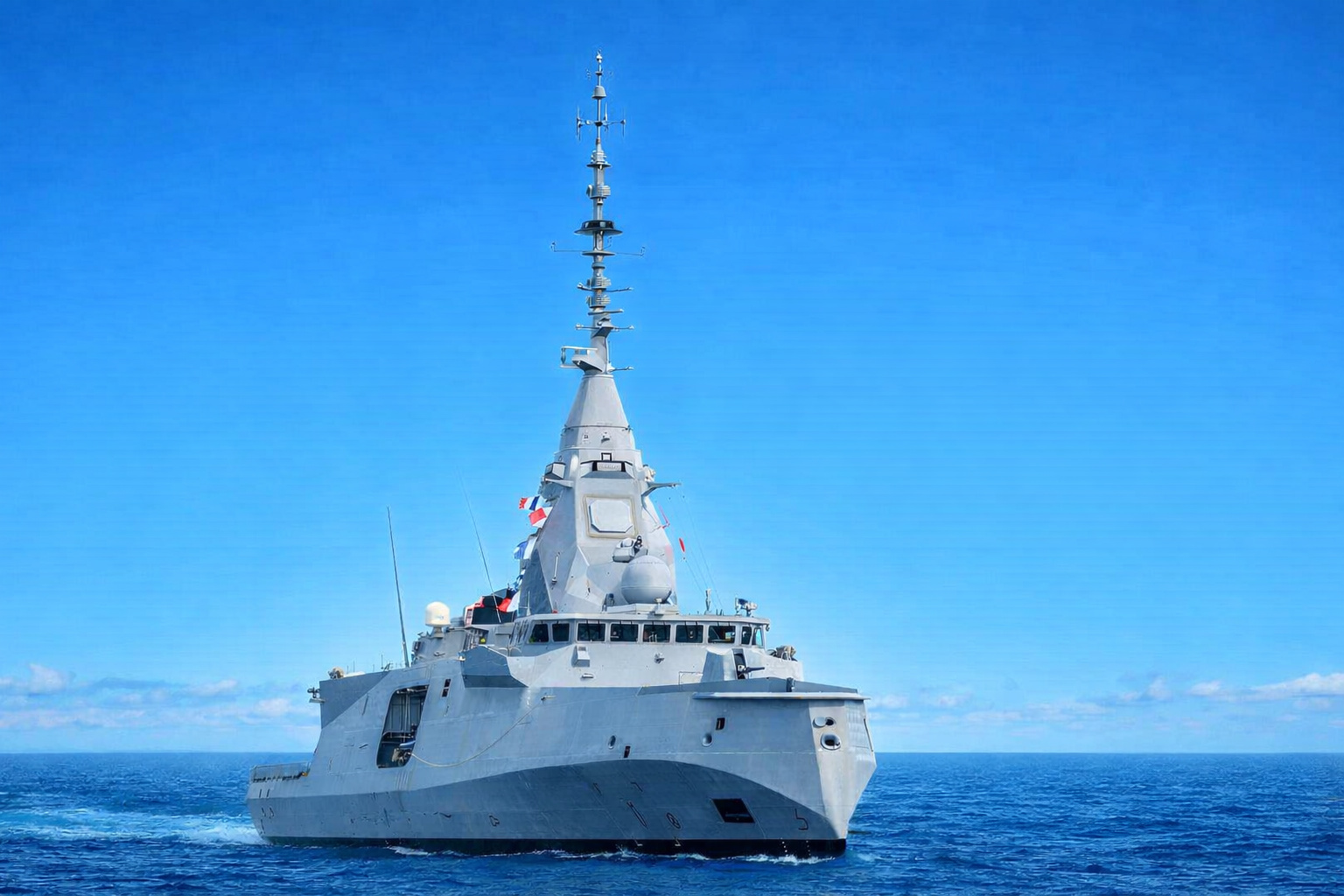
A 4,500-ton frigate with just over 100 crew members, state-of-the-art radar, and cruise missiles is being touted as the new standard of naval warfare in the 21st century.
-
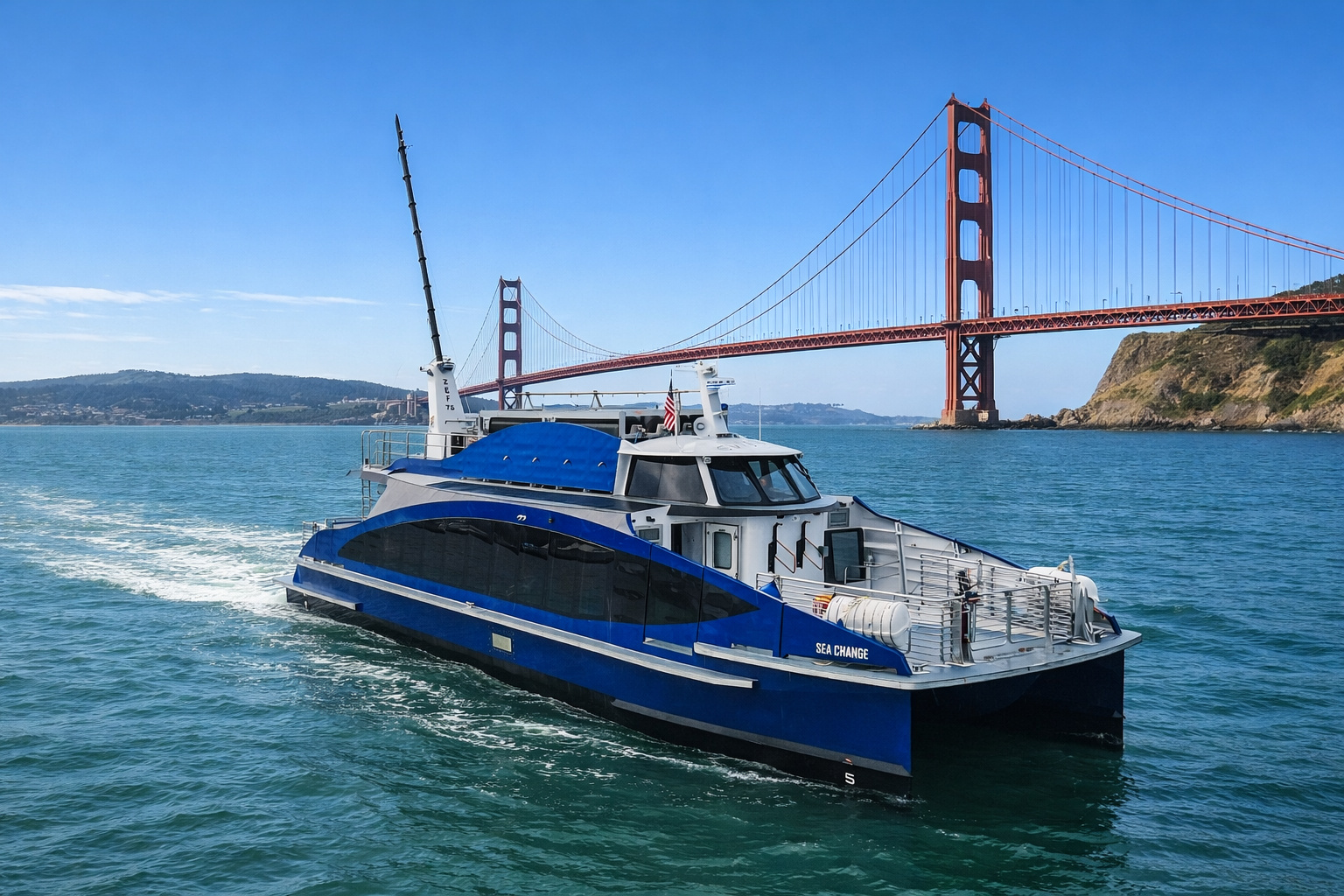
The first commercial hydrogen-powered ferry enters operation in the U.S., eliminates the use of diesel, uses fuel cells to generate clean energy on board, and transforms San Francisco Bay into a landmark of the new era of emission-free navigation.

Increasing national production for our armed forces strengthens the productive chain of Brazil’s Defense industrial base, boosting job creation and knowledge development.
The construction of the armored vessels by the Navy and Army of Brazil may take place in different locations, such as in Rio de Janeiro, at the Naval Base of Val-de-Cães or at the Fluvial Base of Ladário, which already has experience in building Excalibur boat units.
The Brazilian Navy aims to increase the production rate for future Félix do Araguaia armored vessels, among other models.
Army and Navy Vessels Can Patrol Up to 370 Km of Waterways
The signing of the agreement between the Brazilian Army and Navy was attended by the Chief of the Science and Technology Department (DCT), the General Director of Naval Material (DGMM), the Deputy Chief of the Engineering and Construction Department (DEC), the Industrial Director of the Navy (DIM), the Director of Engineering Material (DME), the Director of Manufacturing (DF), agencies directly involved in the Acquisition of this Defense Product within the Project for the Acquisition of Armored Vessels (POEB) in cooperation with the Brazilian Navy.
The partnership will enhance the combat capability of the Military Organizations that carry out Riverine Operations in support of the Amazon Military Command, Northern Military Command, Western Military Command, and Southern Military Command.
The armored vessels are capable of transporting a fully armed and equipped Infantry Combat Group, possess armored protection and firepower compatible with the nature of the Operations they carry out, and can patrol up to 370 km of waterways, expanding the Brazilian Army’s ability to act in defense of the border and combat transnational crimes.
Technical Characteristics of the Units to Be Manufactured
The armored vessels have a length of 8.83 m, a beam of 2.74 m, a draft of 0.53 m (outboard motor), a maximum speed of over 28 knots, a transport capacity of 17 crew members, a planing aluminum hull, planing speed of 21 knots, two center-outboard propellers of 320 hp, marine diesel oil (MDO), lateral and frontal, an average height of 1100 mm, open cabin, a displacement of 5.6 tons, support for 01 MAG at the bow and 02 machine guns type 7.62 on the sides.
It is worth mentioning that the delegation from the Brazilian Army had the opportunity to visit Building No. 4 where the vessels will be constructed.








Seja o primeiro a reagir!