





 Portuguese
  English
  Spanish
  4 min of reading
  0 comments


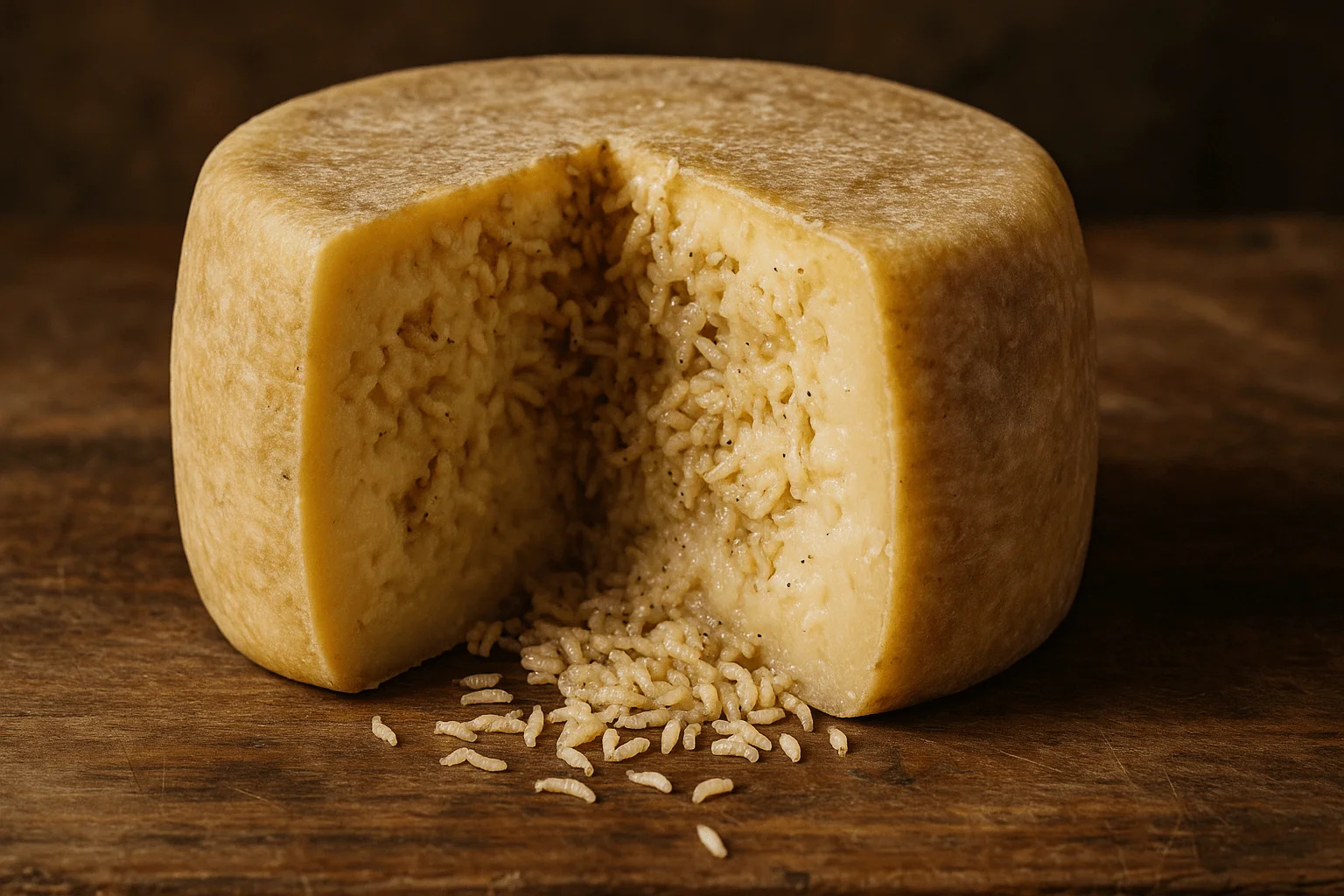
Traditional Sardinian Casu Marzu Is a Cheese With Living Worms, Banned in the EU and Called “The Most Dangerous in the World”; Understand How It Is Made, the Risks, and Why It Still Exists.
When it comes to extreme foods, few examples shock as much as Casu Marzu, a traditional cheese from Sardinia, Italy, that contains living larvae in the fermentation process. This is not an accidental contamination or a production mistake: the larvae are part of the method. The name already hints at the cultural shock. Casu marzu literally means “rotten cheese” in the Sardinian dialect. And, although it sounds like a media exaggeration, the product has been officially described by Guinness World Records as “the most dangerous cheese in the world”, due to the health risks associated with its consumption.
Even banned for decades, Casu Marzu continues to be produced, consumed, and defended as cultural heritage by local communities, creating a direct conflict between tradition, science, and modern food legislation.
How Casu Marzu Is Born: When Fermentation Goes Out of Control — On Purpose
The starting point of Casu Marzu is a pecorino cheese, made from sheep’s milk, common in Sardinia. Until now, nothing extraordinary. The process changes when the cheese is deliberately exposed to the cheese fly, Piophila casei.
-
Oldest tree on the planet reappears after 130 years of searches: Wattieza, 385 million years old, was 10 meters tall and had no leaves or seeds; Gilboa fossils in New York solved the mystery in 2007.

-
A 48-square-meter house assembled in hours with 4,000 bricks made of recycled plastic that does not absorb moisture, has natural thermal insulation, and costs less than 90,000 reais in a complete kit.

-
Luciano Hang revealed that Havan’s air fleet has already accumulated more than 20,000 landings, 10,000 flight hours, and 6 million kilometers traveled, and he says that without the planes, the company would never have grown so quickly.

-
A historical discovery in the Andes Mountains reveals a gold deposit valued at 770 billion reais hidden over 4,000 meters above sea level on the border between Chile and Argentina, and the whole world is watching.


These flies lay their eggs inside the cheese. When they hatch, the larvae begin to consume and digest the fat, drastically accelerating the fermentation.
The result is an extremely soft, almost liquid mass, with high ammonia content, an intense smell, and a flavor considered explosive even for experienced palates.


The crucial detail is that, traditionally, the cheese is consumed with the living larvae still moving. In some regions, it is believed that if the larvae are dead, the cheese has gone past its prime and should not be ingested.
Why Casu Marzu Was Banned in Italy and the European Union
Since 1962, the production and sale of Casu Marzu have been illegal in Italy, and the ban has been reinforced by the health regulations of the European Union. The reason is not cultural or moral but biological and medical.
The main risks highlighted by health authorities and scientific studies include:
The possibility of intestinal myiasis, a rare but documented condition in which larvae survive the gastric environment and can settle in the human digestive tract.
The fact that the cheese is not pasteurized, increasing the risk of pathogenic bacteria.
The difficulty in microbiological control in a product whose fermentation is literally mediated by live insects.
These factors make Casu Marzu incompatible with the modern food safety standards required by European legislation.
The Cultural Paradox: Banned by Law, Protected by Tradition
Despite its illegality, Casu Marzu has not disappeared. In villages in Sardinia, it continues to be produced artisanally, often in domestic environments or sold informally.
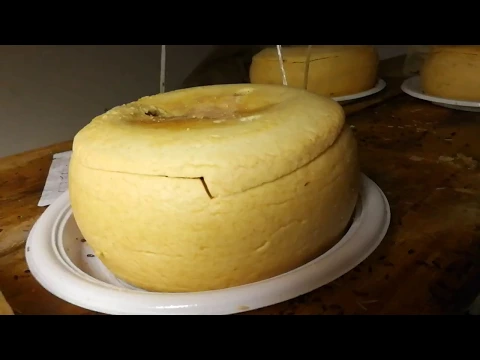
For many Sardinians, the cheese is not a tourist eccentricity but an identity symbol, tied to centuries of pastoral history, geographical isolation, and the full use of food.
There are even local movements advocating for the recognition of Casu Marzu as intangible cultural heritage, arguing that the ban threatens traditional practices that cannot be assessed solely by modern industrial criteria.
What Science Says About Eating Living Worms
From a scientific standpoint, consuming insects is not, by itself, a problem. Insects are part of the human diet in various cultures and are even advocated as a sustainable protein alternative.
The case of Casu Marzu, however, is different. The larvae of Piophila casei are not raised in a controlled environment, nor do they undergo any sanitary treatment. Moreover, their jumping behavior — they can launch themselves up to 15 centimeters — requires consumers to protect their eyes while eating.
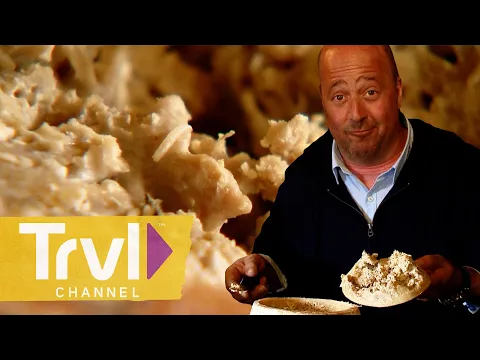
Medical studies and alerts indicate that the risk is not guaranteed, but statistically unacceptable for regulatory standards. That is why, even without large-scale outbreaks, the product remains banned.
A Cheese Between Folklore and the Gastronomic Black Market
Today, Casu Marzu occupies a curious space: it does not appear on official menus, cannot be legally exported, and is not sold in supermarkets. Still, it is frequently cited in lists of the most dangerous foods in the world, attracting global curiosity.
Its consumption occurs in a restricted, almost ritualistic manner, often among locals or invited visitors, away from health surveillance. This transforms the cheese into a kind of living culinary legend, which survives precisely because it is on the margins.
Is Casu Marzu Just a Cheese or a Limit of Food Civilization?
More than an extreme food, Casu Marzu raises an uncomfortable question: how far can tradition go before colliding with science and public health?
While some see it as an unacceptable risk, others view it as an example of how the modern world attempts to standardize practices that originated in completely different contexts.
In the end, Casu Marzu continues to exist not because it defies the law but because it challenges the idea that all food culture needs to be tamed. Amid larvae, flies, and uncontrolled fermentation, it remains one of the most controversial foods ever created by humankind — and a reminder that not everything that has survived for centuries fits easily into the rules of the present.







-

-

-

7 pessoas reagiram a isso.