





 Português
  Inglês
  Espanhol
  2 min de leitura
  0 comentários


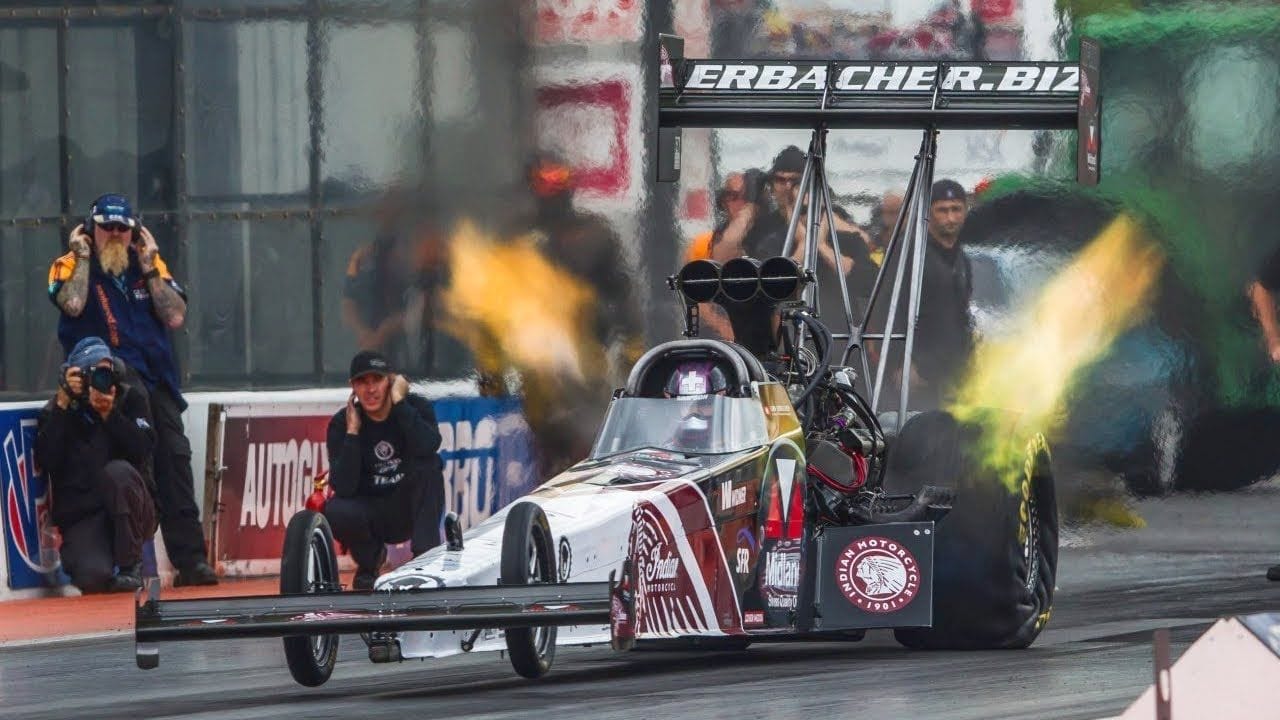
As We Explore New Forms of Energy and Propulsion, the Lessons Learned from These Dangerous Fuels Remain Relevant, Guiding Us Toward a Safer and More Sustainable Future.
When it comes to making an engine run, it is essential that the fuel is flammable. However, this same characteristic that drives innovation in vehicles also brings significant dangers, both for traditional fuels and for the electricity used in electric cars.
Among the various fuels used throughout history, some stand out not only for their exceptional power capabilities but also for the extreme risks to health and safety. Let’s explore some of these fuels, illustrating their benefits, dangers, and a bit of their fascinating history.
Methanol: A Double-Edged Fuel


Methanol, used since Ancient Egypt to embalm bodies, demonstrates the duality of being extremely useful and dangerously toxic. Despite its utility as an alternative fuel, especially after the 1973 oil crisis, methanol vapors and prolonged contact with it can be fatal, causing issues such as blindness and death. Still, its use in racing and its cooling effect that allows for higher compression rates emphasize its utility, despite the risks.
-
OMODA & JAECOO grows in Europe in 2026 with an integrated strategy of sales, innovation, local production, and technological advancement in the United Kingdom, Italy, and Spain.

-
OMODA & JAECOO expands after-sales service in Brazil with competitive maintenance, a 7-year warranty, and high availability of parts for technological SUVs.

-
OMODA & JAECOO appoints Alessandra Souza as executive marketing director in Brazil and accelerates brand expansion with a focus on innovation, networking, and hybrid portfolio.

-
Jaecoo 7 with super hybrid SHS system exceeds 1,200 km of combined range with a 1.5 turbo engine, high-density battery, and intelligent energy management.

Leaded Tetraethyl
Discovered in 1916, leaded tetraethyl was a revolutionary additive that improved gasoline quality and increased vehicle power. However, its harmful effects soon became apparent, causing serious illnesses and significant environmental impacts. The battle against its use led to the ban on leaded gasoline in the United States in 1970, marking an important step in raising awareness about the dangers of certain additives.
Nitromethane – Powerful Fuels
Nitromethane is another fuel that offers exceptional power for engines, especially in drag racing. Its rich oxygen content allows for more efficient combustion, but its high explosiveness and production cost make it impractical for use in common vehicles. The mixture of nitromethane with hydrazine in the 1960s highlighted the relentless pursuit of performance, even at the cost of extreme safety and health risks.
Hydrazine: Extremely Powerful, Dangerously Toxic
Hydrazine, a fuel used in both rockets and some extreme forms of drag racing, is a notorious example of a highly effective yet dangerously toxic compound. Its vapors can cause severe lung damage and result in edema, making its handling a task for highly trained and equipped professionals.
The journey through the most dangerous fuels used in vehicles throughout history reminds us of the fine line between seeking innovation and ensuring safety and health. While these fuels have opened new paths for performance and efficiency, they also highlight the importance of moving forward cautiously, respecting the limits imposed by public health and environmental safety.










Seja o primeiro a reagir!