





 Portuguese
  English
  Spanish
  5 min of reading
  0 comments


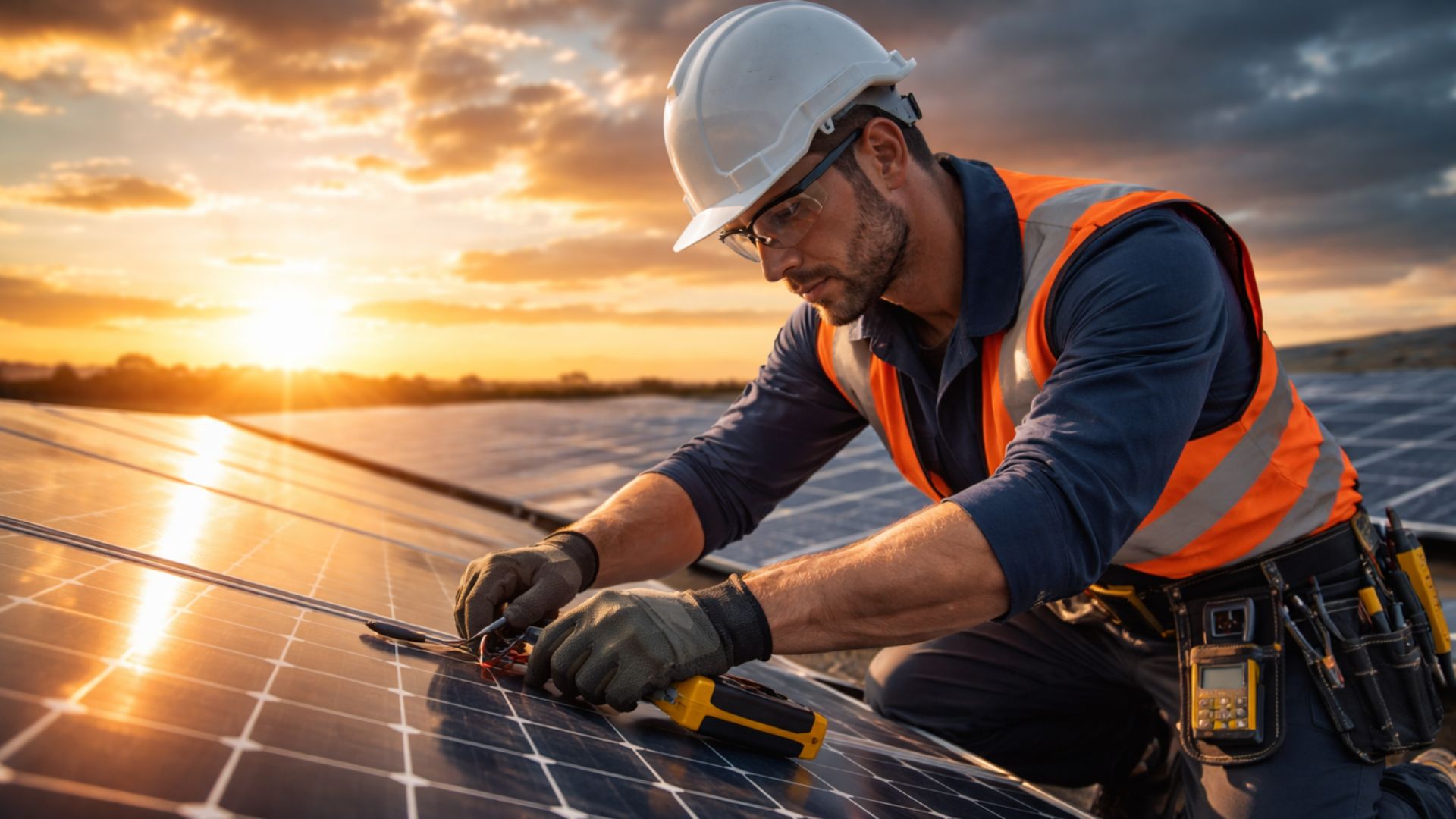
The Advancement of Solar Energy in Brazil Is Expanding Opportunities for Technicians in Photovoltaic Systems, with a Heated Market, Stable Careers, Attractive Salaries, and High Qualified Demand in Diverse Regions of the Country.
The expansion of solar energy in Brazil in 2026 has consolidated a new moment for the job market in the electric sector. According to an article published by the Market Monitor on February 7, the accelerated growth of photovoltaic generation has increased the demand for photovoltaic system technicians, transforming the profession into a stable career, with salaries that can reach R$ 8,500 per month and a high qualified demand throughout the country.
The central data is clear: with Brazil surpassing 75 GW of installed solar capacity this year, the need for professionals capable of installing, operating, and maintaining millions of photovoltaic systems distributed among homes, businesses, industries, and large plants is growing. This scenario positions the solar technician as a key player in the national energy transition.
The Expansion of Solar Energy in Brazil Boosts Technicians in Photovoltaic Systems
Solar energy has stopped being an emerging technology to become one of the pillars of the Brazilian electric matrix. In 2026, the country ranks among the leading global leaders in installed capacity, a direct result of the reduction in equipment costs, regulatory incentives, and increased awareness of energy efficiency.
-
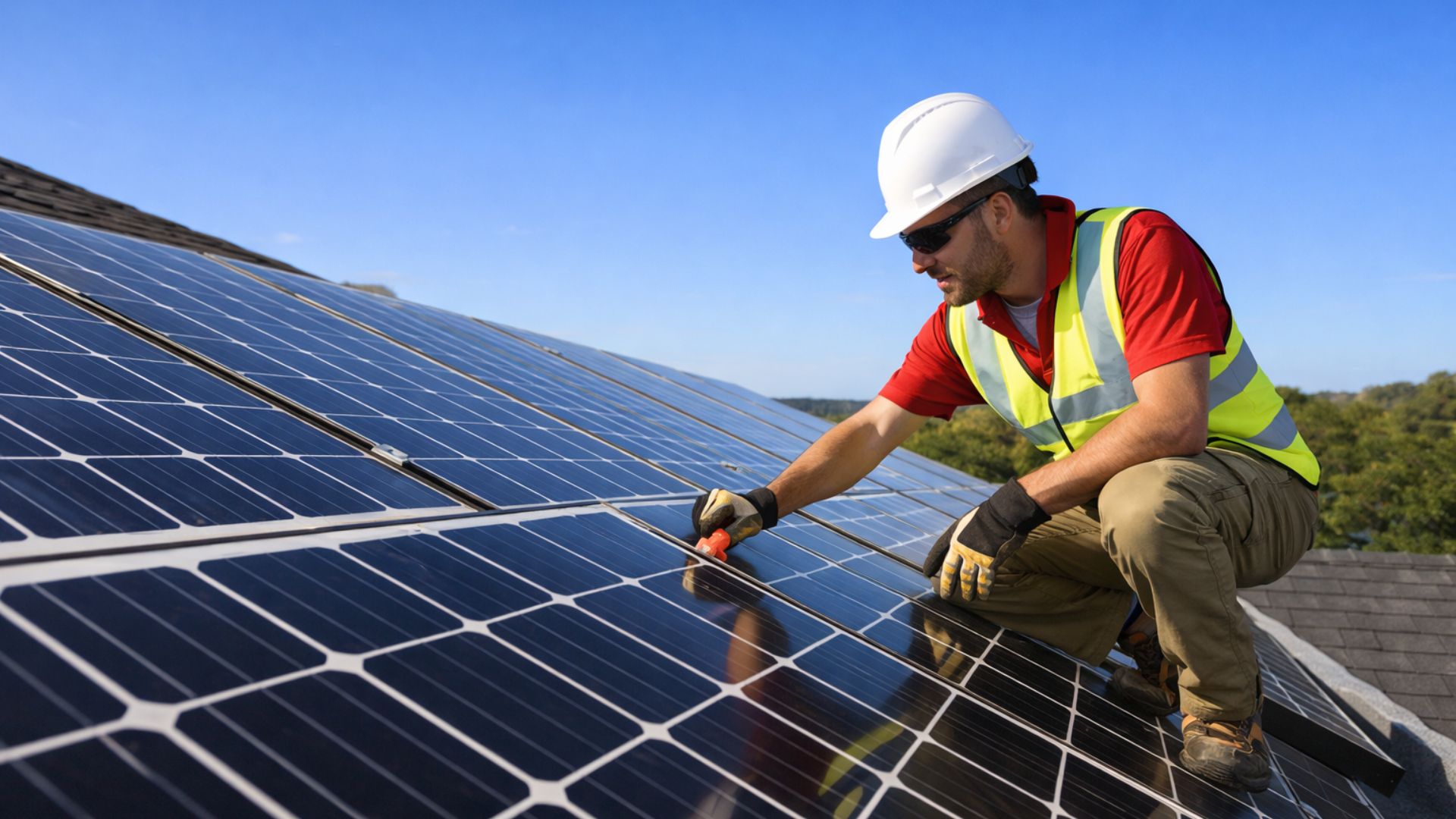
Seagri’s headquarters invests in solar energy with Neoenergia Coelba and promises to cut electricity costs, highlighting a strategic advance in sustainability and energy efficiency within state public administration.
-
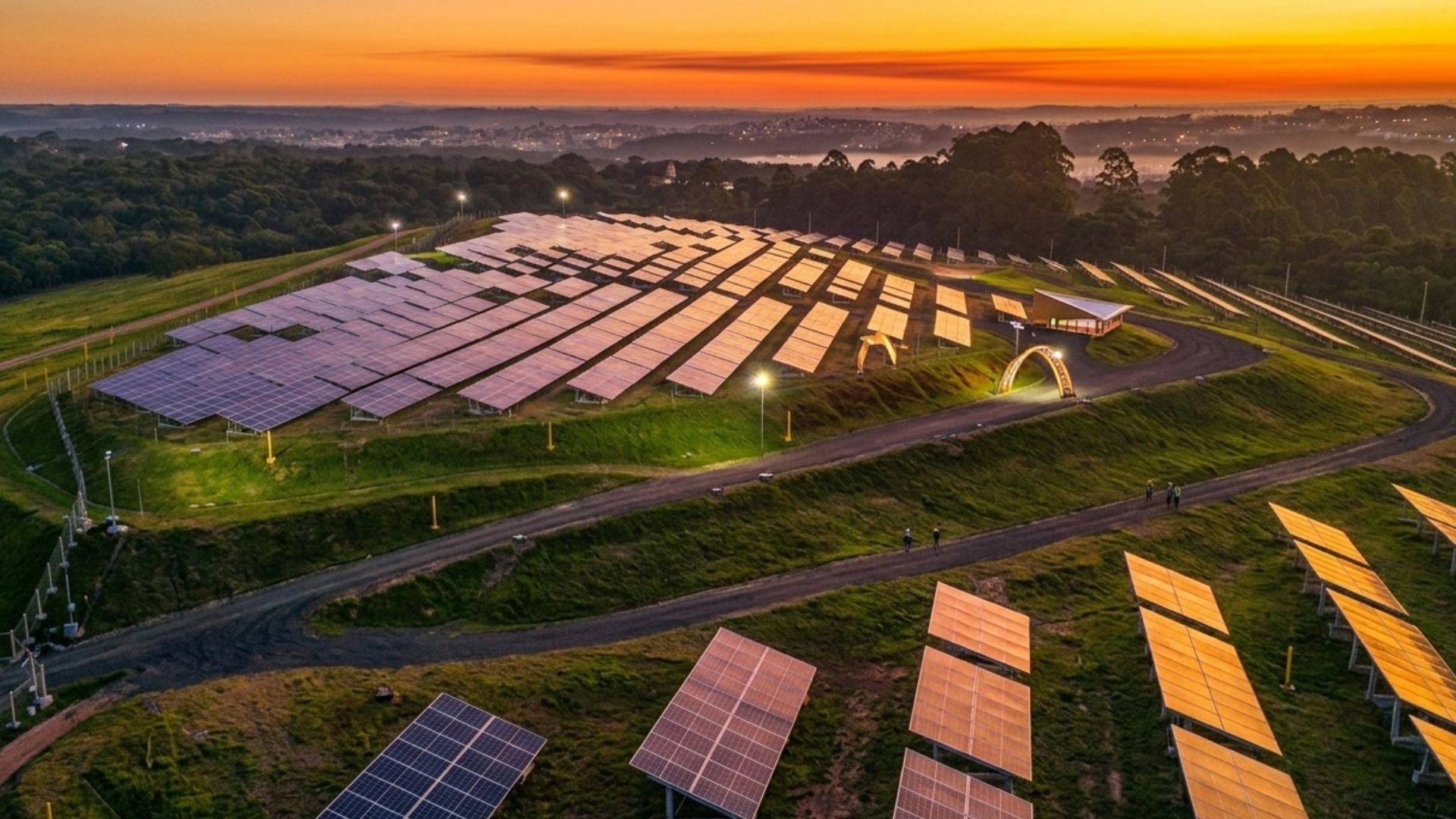
Solar Pyramid draws attention by converting solar energy into million-dollar savings and repositioning the City Hall of Curitiba as an example of innovation, sustainability, and intelligent use of public resources.
-
Europe records strong euro economy with solar energy in March and sparks curiosity about which country leads growth that redefines the energy market and reduces costs.

-
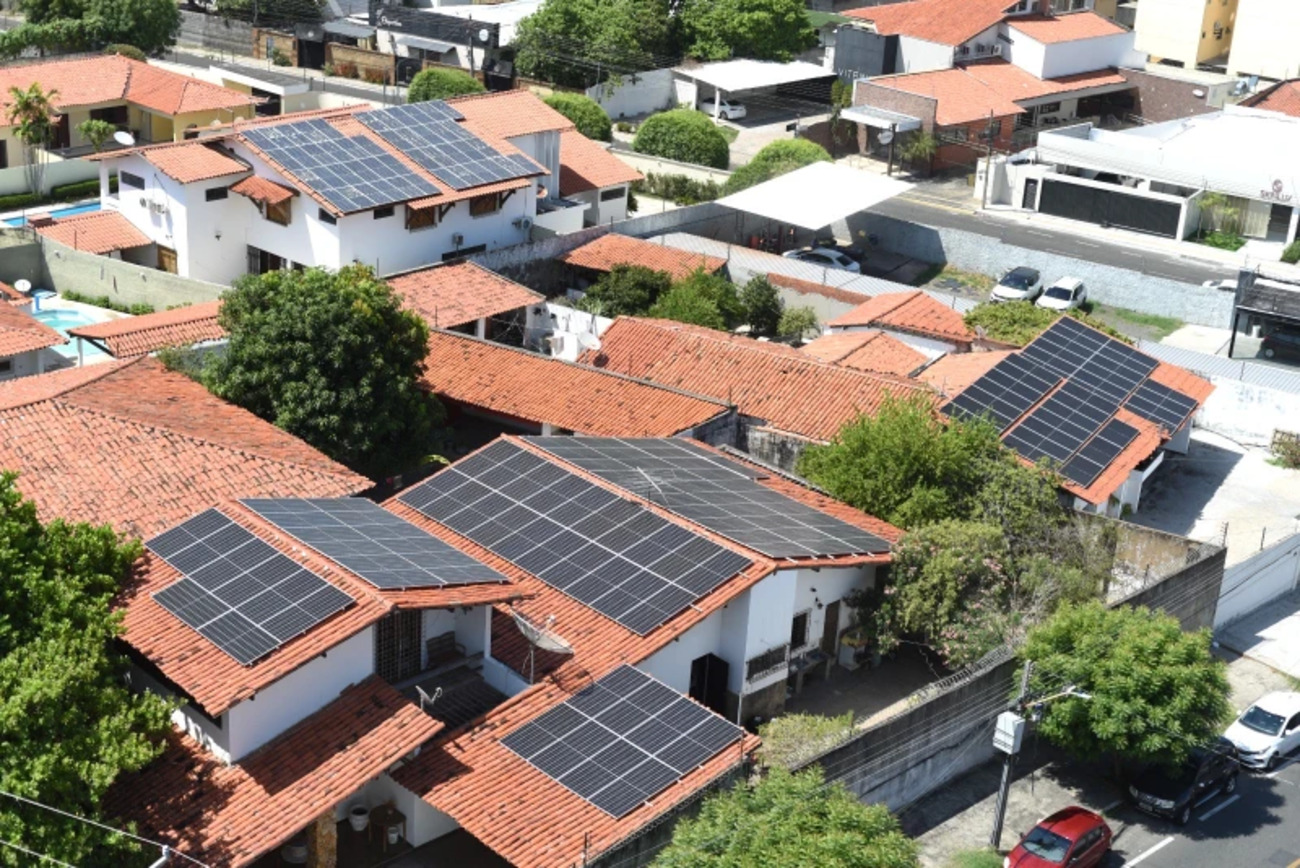
Piauí reaches a historic milestone in energy transition: State records nearly 160,000 households powered by solar energy and leads growth in the Northeast.

This growth directly impacts the job market. Each new installed system requires qualified professionals for design, assembly, commissioning, and maintenance. Thus, photovoltaic system technicians have taken on a strategic position, with ongoing opportunities spread regionally.
This is not a momentary growth, but a structural one. The maintenance of these systems throughout their useful life ensures recurring demand, reinforcing the character of a stable career sustained by high qualified demand.
Solar Energy as a Stable Career in a Resilient Sector
Unlike segments more sensitive to economic crises, solar energy maintains a steady growth rate. The search for reductions in electricity bills and predictability of energy costs supports investments, even in unstable scenarios.
This context directly favors photovoltaic system technicians, who find a market with an extremely low unemployment rate. Generating one’s own energy has become a strategic decision for both residential consumers and companies, ensuring a continuous flow of projects.
As a result, the sector offers a stable career, with long-term contracts, corporate benefits, and opportunities for self-employment, always backed by a high qualified demand.
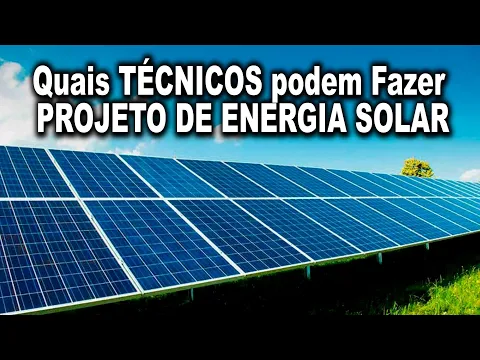

How Much Does a Photovoltaic Systems Technician Earn in Brazil in 2026
Compensation in the field of solar energy varies according to experience, certifications, and level of specialization. Field technicians and installers with technical training receive, on average, between R$ 3,000 and R$ 5,500 monthly under CLT contracts.
Specialized professionals in advanced maintenance, commissioning, and large projects can reach the level of R$ 8,500 per month. This figure places the profession among the most stable in the Brazilian electric sector.
In addition to the fixed salary, many photovoltaic system technicians work as independent integrators or owners of small businesses. In this model, the average profit margin per project is around 20%, significantly increasing earnings and reinforcing the potential for a stable career in a market of high qualified demand.
High Qualified Demand and the Most Valued Skills in the Solar Sector
The solar energy market in 2026 demands more than basic installation skills. The professionalization of the sector has raised the expected technical level, prioritizing professionals capable of handling smart systems and hybrid solutions.
Among the most valued skills are mastery of inverters with remote monitoring, installation of storage systems with lithium batteries, accurate reading of electrical projects, and strict compliance with safety regulations NR-10 and NR-35.
These skills explain the high qualified demand currently observed. Photovoltaic system technicians who invest in continuous training become indispensable for companies seeking operational efficiency and energy reliability, strengthening their stable career.
The Day-to-Day of Photovoltaic Systems Technicians in Practice
The work routine in solar energy is technical, dynamic, and results-oriented. The professional begins with an analysis of the installation site, evaluating shading, structure, and electrical viability. Next, they execute the assembly of the modules, configure inverters, and perform performance tests.
After connecting to the distributor’s grid, the work continues with preventive and corrective maintenance. Ensuring that the system operates at maximum efficiency is a continuous responsibility. The use of drones for thermal inspections and remote monitoring software has become part of the daily routine of photovoltaic system technicians, enhancing productivity and reducing failures. This level of complexity reinforces the need for well-prepared professionals and sustains the high qualified demand in the sector.
Comparison of Earnings in Solar Energy in Different Roles
Within the solar energy ecosystem, earnings vary according to the role performed. Installation assistants earn between R$ 2,000 and R$ 2,800 per month, while full technical installers reach between R$ 3,500 and R$ 5,500.
Specialized photovoltaic system technicians in commissioning earn between R$ 6,500 and R$ 8,500 under CLT contracts, and technical consulting can exceed R$ 15,000 in self-employed roles.
The salary difference directly reflects the level of specialization. In a market of high qualified demand, technical knowledge translates into financial stability and the consolidation of a stable career.
Solar Energy and the Advancement of the Green Economy in Brazil
Solar energy occupies a central position in Brazil’s decarbonization strategy. With stricter environmental targets, industries and large consumers are shifting to self-generation, expanding medium and large-scale projects.
States like Minas Gerais and Bahia concentrate large solar plants, offering differentiated opportunities for photovoltaic system technicians with experience in centralized systems.
Working in this segment means being at the forefront of the green economy, where sustainability and profitability go hand in hand. This movement further expands the high qualified demand, ensuring professional predictability and reinforcing the character of a stable career.
A Solid Path for Those Seeking Stability and Professional Growth
The 2026 scenario confirms that investing in solar energy is a strategic decision for those seeking professional security. The sector is consolidated, continuously expanding, and increasingly demands technical qualification.
For photovoltaic system technicians, the combination of good salaries, multiple forms of engagement, and professional recognition creates a favorable environment for long-term growth. Specialization in large-scale systems, storage, and energy intelligence is the differential that separates the average from excellence.
In a market marked by high qualified demand, turning sunlight into a source of income is not just a trend, but a conscious choice for a stable career, aligned with present needs and future opportunities.









Seja o primeiro a reagir!