





 English
  Francês
  Alemão
  Italiano
  Japonês
  Norueguês
  Portuguese
  Spanish
  4 min of reading


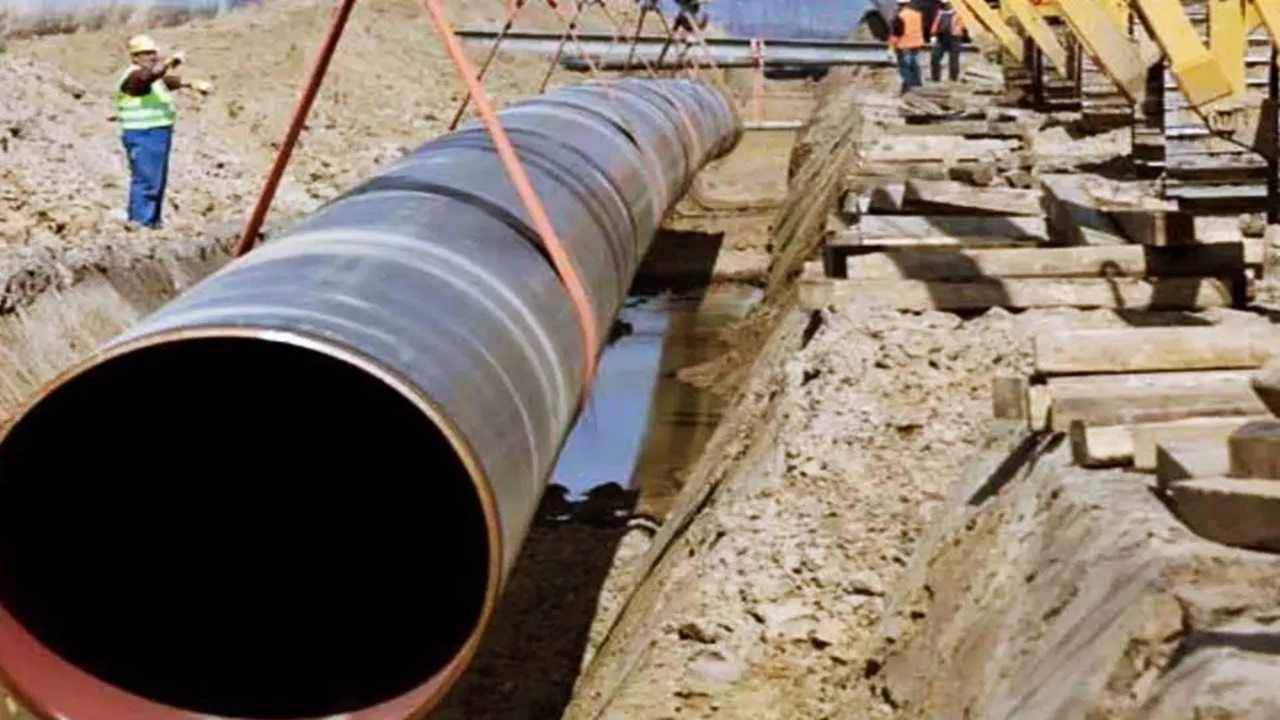
Brazil has connection with systems from multiple supply sources from different basins, such as gas imported from Bolivia and Argentina, as well as LNG from multiple terminals in the country.
The integration of logistics infrastructure to enhance the gas supply chain in South America will be an important driver for expanding the pipeline network in the region. The importance of energy assets such as gas production in Vaca Muerta (Argentina) with significant growth, the expansion of the pre-salt, and the continued importation of Bolivian gas are opportunities for developing projects to interconnect these markets.
Read Also
- MEC offers 117 free online courses (EAD) with a certificate; there are no limits on places or selection processes, candidates from all over Brazil can register!
- Universities in the United States offer over 1000 free online courses, with international certificates and Portuguese subtitles; it’s a chance to boost your career!
- Petrobras and Shell Brazil enter the competition for the Second Round of the Cessão Onerosa, which will offer the Sépia and Atapu areas of the pre-salt
- Divestments by Petrobras in the pipeline segment, pre-salt, and the New Natural Gas Law create opportunities, attract investments, and growth in the pipeline sector in Brazil
“We have the connection with systems from multiple supply sources from different basins, such as gas imported from Bolivia and Argentina, as well as LNG from multiple terminals in the country,” emphasized Sylvie D’Apote, the executive director of natural gas at IBP, during a plenary session this Wednesday (11/10), on the second day of Rio Pipeline 2021.
Increase in Gas Supply from Argentina Stimulates Integration with Brazil
Carlos Rabuffetti, Senior Business Development Manager at Tecpetrol, highlighted that by 2024 there will be an increase in gas supply from Argentina of about 32 million m3/day – which stimulates this integration, with flexible supply to Brazil.
-
Petrobras finds high-quality oil in the pre-salt at 113 km from RJ and reignites expectations about strategic reserves in the Campos Basin.

-
Ocyan opens registrations for startups focused on innovation in the oil and gas sector and will select projects for Innovation Day with the support of Nexio.

-
Petrobras announces new oil discovery in the pre-salt of the Campos Basin and reinforces Brazil’s prominence with high-quality reserves that can increase production and energy revenues.

-
Alert in the fuel market: Analysts and a former director of ANP warn that oil prices may worsen in the coming months due to global instability.

The commercial director of TBG, Jorge Roberto Abrahao Hijjar, is strongly betting on the integration of systems to ensure gas supply to the market. “Supply security is not present in isolated systems. An integrated system will provide flexibility from both commercial and logistical standpoints,” emphasized Hijjar.
Gabriela Aguilar, Vice President of South America at Excelerate Energy, highlighted the role of LNG in the sustainability of the market from both an environmental standpoint and supply assurance. “LNG is an energy source that emits less compared to fuels like diesel. It is 35% less polluting than other fuels.”
The Transportation of Hydrogen in Pipelines, Whether Pure or Mixed with Natural Gas, Still Involves Many Issues in the International Pipeline Market
The topic of energy transition was also discussed with a longer-term perspective, focusing on the development of the hydrogen market.
The transportation of hydrogen in pipelines, whether pure or mixed with natural gas, still involves many issues in the international pipeline market. What is most concrete is that the demand for hydrogen will grow due to the energy transition environment and the need for a new fuel to meet the needs of heavy industry. These were some of the conclusions from the session “The Pipeline Transportation of Hydrogen,” last Wednesday (11/10).
Philippe Darcis, Senior Pipeline Technology Director at Tenaris, stated that the demand for hydrogen will double every decade. “Hydrogen will become part of our daily lives,” he said. The executive added that the demand will arise from the industry’s need to adapt to the energy transition.
Regulatory Changes Are Needed in Several Countries to Adapt Pipelines for Hydrogen Transport
Aurelie Carayol, Director of the Hydrogen Project at GRTgaz, a French pipeline operator, stated that the company is studying the introduction of hydrogen in its gas pipelines and assessing the impacts of this change. GRTgaz is leading a working group that researches the topic and plans actions. One of the projects being studied is the creation of the Hydrogen Valley in the regions of Germany, France, and Luxembourg, where many industries are concentrated. “In this region, by 2030, there will be a significant increase in hydrogen transportation,” predicts Carayol.
However, executives emphasized that regulatory changes are needed in several countries to adapt pipelines for hydrogen transport, as well as an assessment of safety concerns.
The Rio Pipeline, one of the most important events in the pipeline segment in the world, took place this year virtually, with participation from over 1,500 attendees from 27 countries.
The event is sponsored by Petrobras, NTS, Rosen, TAG, TBG, ATGÁS, AMPP, Compass, Herrenknecht, Tenaris, Wood, and Elastomeros, and has the participation of the Federal Government.









Seja o primeiro a reagir!