





 Portuguese
  English
  Spanish
  4 min of reading
  0 comments


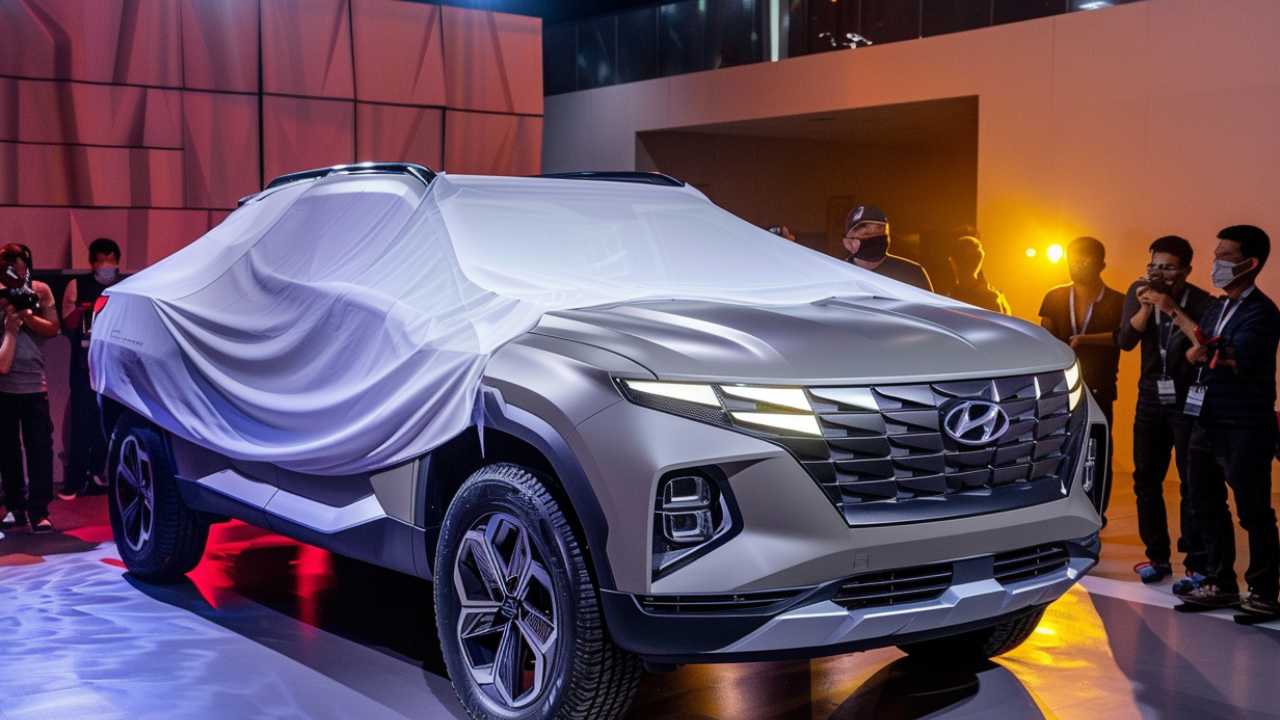
The Hyundai Santa Cruz Arrives Renewed, Combining Futuristic Design, Powerful Engine, and Advanced Technology, Promising to Revolutionize the Pickup Segment and Dominate the Market.
Hyundai Raises the Expectations of the Automotive Market with the Introduction of the Santa Cruz, Its Latest Pickup, Promising a True Revolution in the Segment. After Parting Ways with Its Partnership with Caoa, Hyundai Is Betting Big on the Launch of the Santa Cruz, a Pickup That Combines Innovative Design, Robust Performance, and Advanced Technology.
Appreciated for Its Futuristic Look and Remarkable Performance, the Santa Cruz Stands Out as One of the Most Anticipated Launches in Brazil by Enthusiasts, Promising Strong Sales. However, There Is Still No Reliable Information on Its Arrival in Brazil, Leaving the Field Open for Fiat Toro and the New Montana.
Engine of the Hyundai Santa Cruz


The Hyundai Santa Cruz Distinguishes Itself Not Only with Its Innovative Design but Also with Its Impressive Engine Configuration. The Pickup Offers Two Engine Options, Both Gasoline, Designed to Meet Performance and Efficiency Demands.
-
Engineers propose a fourth traffic light for intersections – the change promises to affect crossings, queues, and waiting times.

-
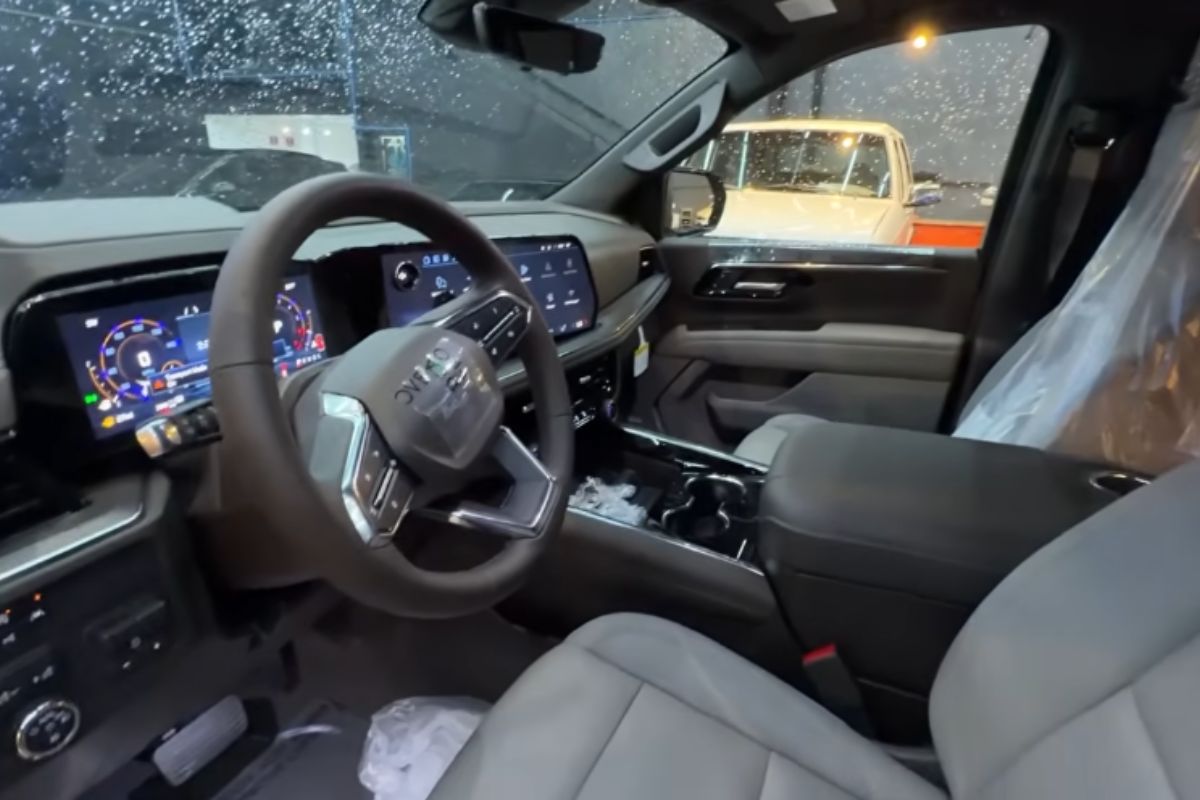
Chevrolet Suburban Z71 lands in Brazil with a V8 engine, off-road design, air suspension, seven seats, and colossal size, a rare version imported for around R$ 1.3 million with luxury and exclusivity.
-
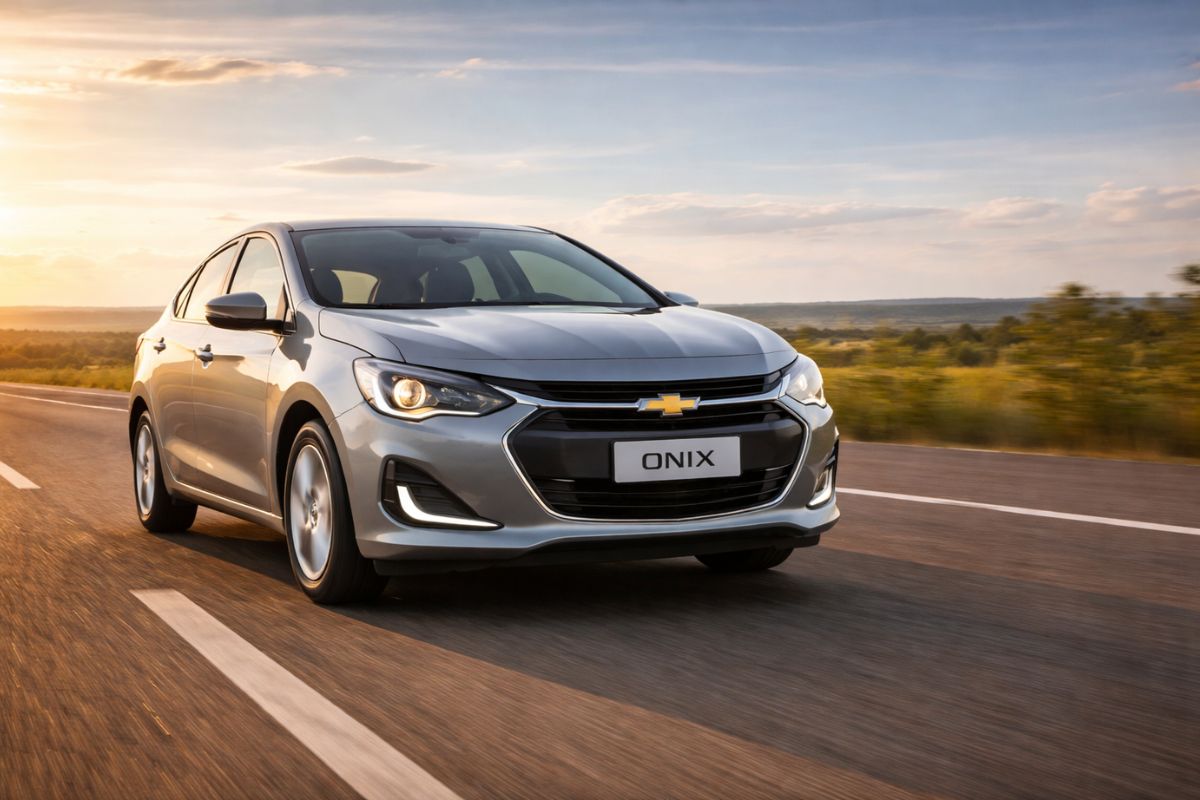
The Chevrolet Onix 1.0 turbo achieves 17.7 km per liter on the highway and ranks among the three most economical cars in Brazil in 2026, alongside two more expensive Toyota hybrids available at dealerships.
-
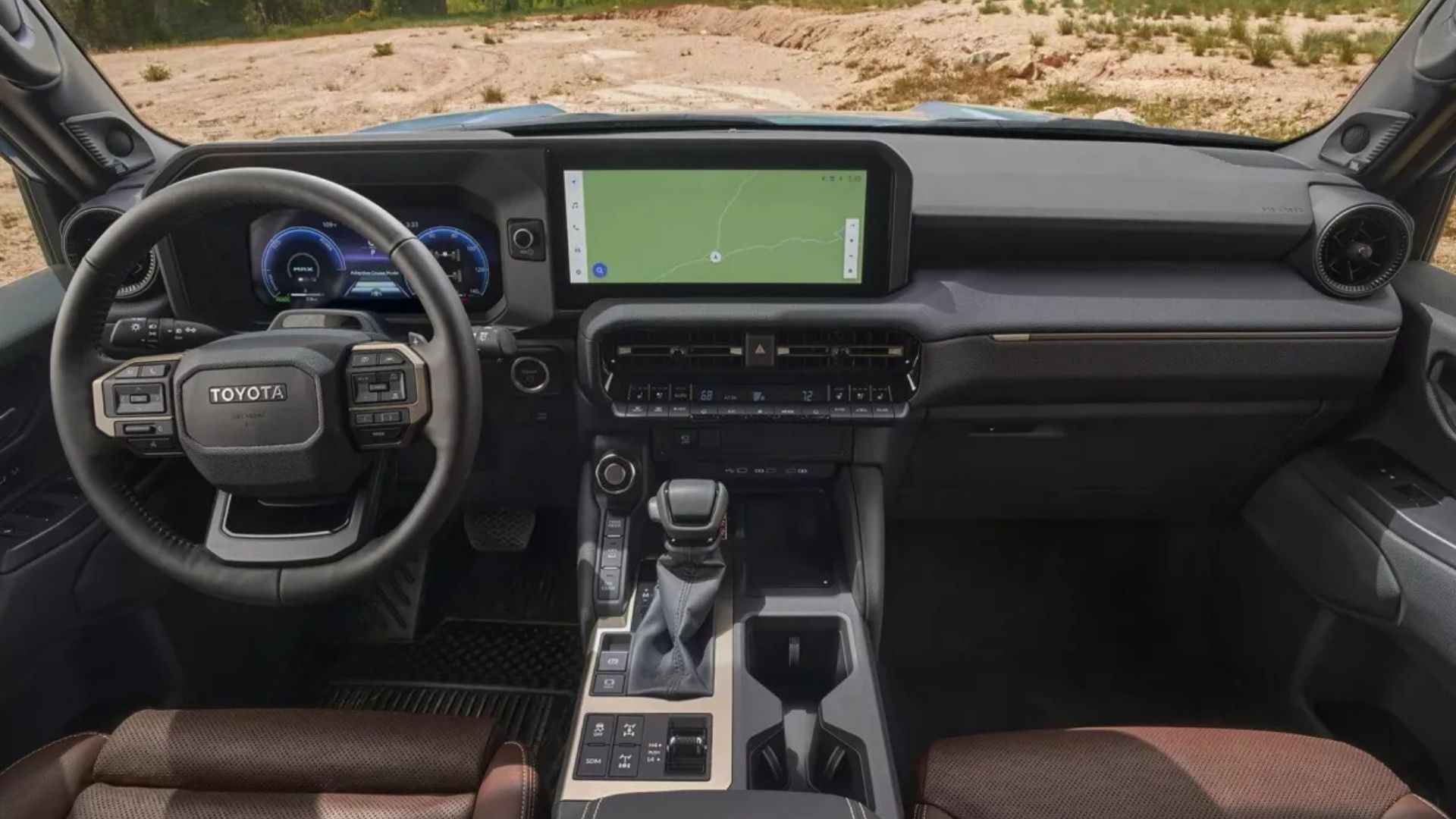
Little sister of the Hilux: Toyota launches Land Cruiser FJ with 4 radical versions, 2.7 engine with 166 hp and 4×4 traction with locking.

The Entry-Level Model Comes Equipped with a 2.5-Liter Naturally Aspirated Four-Cylinder Engine, Which Offers an Ideal Balance of Power and Fuel Economy. This Engine Generates Up to 190 Horsepower and a Torque of 24.9 kgf.m, Providing a Satisfying and Efficient Driving Experience. Combined with an Eight-Speed Automatic Transmission and Front-Wheel Drive, the Santa Cruz Ensures Agile and Responsive Performance, Suitable for Daily Use and Longer Trips.
For Those Seeking More Power, Hyundai Offers a Higher Version Equipped with a 2.5-Liter Turbocharged Four-Cylinder Engine. This More Advanced Engine Takes Performance to the Next Level, Delivering 285 Horsepower and an Impressive Torque of 42.9 kgf.m. Paired with an Eight-Speed Dual-Clutch Automated Transmission and All-Wheel Drive, the Turbo Engine Ensures Dynamic and Powerful Driving, Suitable for Performance Enthusiasts Who Do Not Want to Compromise on Comfort and Efficiency.
Fuel Consumption of the New Santa Cruz
The Official Consumption Figures of the New Hyundai Santa Cruz Provide a Clear Overview of the Vehicle’s Efficiency Expectations. Let’s Detail Each Configuration:
2.5L Naturally Aspirated Engine with Front-Wheel Drive: This Configuration Achieves a Fuel Consumption of 9.8 km/l in the City and 12.7 km/l on the Highway, Representing Good Efficiency for a Pickup of Its Size. The Front-Wheel Drive Helps Optimize Fuel Consumption, Making It an Economical Option for Urban and Highway Use.
2.5L Naturally Aspirated Engine with All-Wheel Drive: When Equipped with All-Wheel Drive, the Santa Cruz Records a Consumption of 8.9 km/l in the City and 11.0 km/l on the Highway. Although There Is a Slight Increase in Consumption Due to the All-Wheel Drive, This Configuration Offers Better Grip and Stability, Especially in Adverse Terrain Conditions.
2.5L Turbo Engine with All-Wheel Drive: The Turbo Version with All-Wheel Drive Features a Fuel Consumption of 8.4 km/l in the City and 10.2 km/l on the Highway. Despite Being the Least Economical Among the Models, the Turbo Engine Compensates with Greater Power and Performance, Ideal for Those Seeking More Strength and Towing Capability.
It Is Important to Note That These Values, Estimated by the Environmental Protection Agency of the United States, May Vary Depending on Driving Style, Weather Conditions, and the Condition of the Vehicle. Thus, Drivers Should Consider These Variables When Evaluating the Fuel Consumption of the Hyundai Santa Cruz in Real Use.
Design and Interior
Renewed with a Discreet Yet Impactful Facelift, the Hyundai Santa Cruz Presents Itself as More Modern and Aesthetically Superior to Its Rivals. With Generous Dimensions, It Offers Space and Comfort, Boasting 4.97 Meters in Length and Significant Cargo Capacity. Its Design Is Enhanced by a Redesigned Front Grille and Full LED Lighting Systems, Ensuring a Striking Presence on the Roads.
In Terms of Safety, the Hyundai Santa Cruz Does Not Cut Corners, Featuring a Complete Technological Arsenal for Protection and Driver Assistance. As Hyundai Prepares for More National Launches, the Santa Cruz Positions Itself as a Pioneer of Innovations, Establishing New Standards of Design, Comfort, and Performance in the Market.
Hyundai Santa Cruz in Brazil
Despite Enthusiasts Claiming That the Hyundai Santa Cruz in Brazil Is Set to Arrive in 2025 with an Estimated Price Between R$ 200,000 and R$ 300,000, Hyundai Has Discouraged This by Stating That There Is No Intention to Bring the Model to Brazil.
Thus, the Hyundai Santa Cruz Represents More Than a New Offering in the Pickup Market in the United States, and It Symbolizes a Milestone in the Brand’s Automotive Evolution, Promising Not Only to Meet but to Exceed Consumer Expectations. Would It Be a Sales Sensation Here in Brazil or Not?









Seja o primeiro a reagir!