





 Portuguese
  English
  Spanish
  6 min of reading
  0 comments


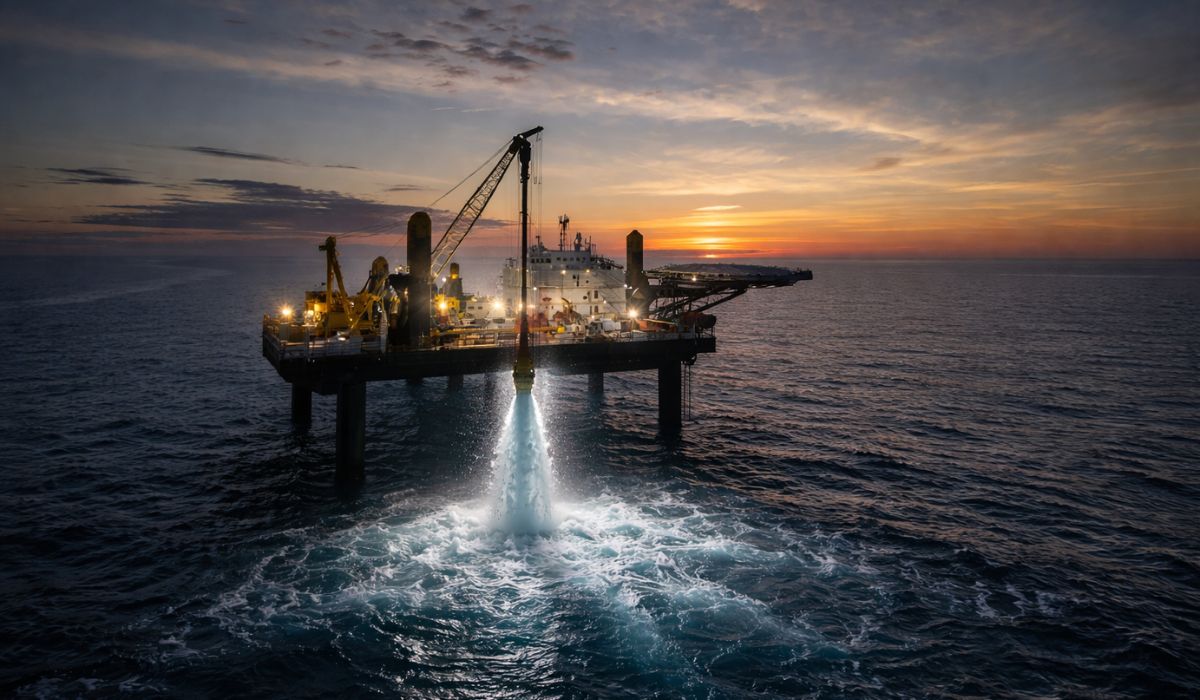
Expedition drilled the seafloor and brought new evidence about a little-known subterranean reservoir, in a discovery that put submarine aquifers back at the center of freshwater research.
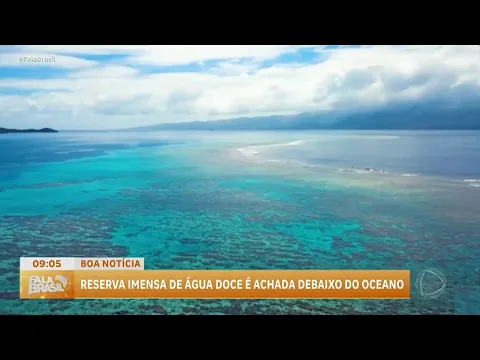
Reserves of freshwater hidden beneath the seafloor have once again attracted scientific attention after an international expedition drilled the continental shelf off Cape Cod, in the United States, and retrieved thousands of samples from a subterranean system that may extend from New Jersey to Maine.
The interest surrounding this type of reservoir is linked to a central piece of research: it is a shallow submarine aquifer, identified beneath a coastal strip that has been studied for decades, but which had not yet been investigated with direct drilling in a scientific operation of this scale.
The mission, known as Expedition 501, was presented by the organizers as the first international initiative specifically structured to drill the seafloor with a focus on the systematic investigation of freshwater or low-salinity water beneath the ocean.
-
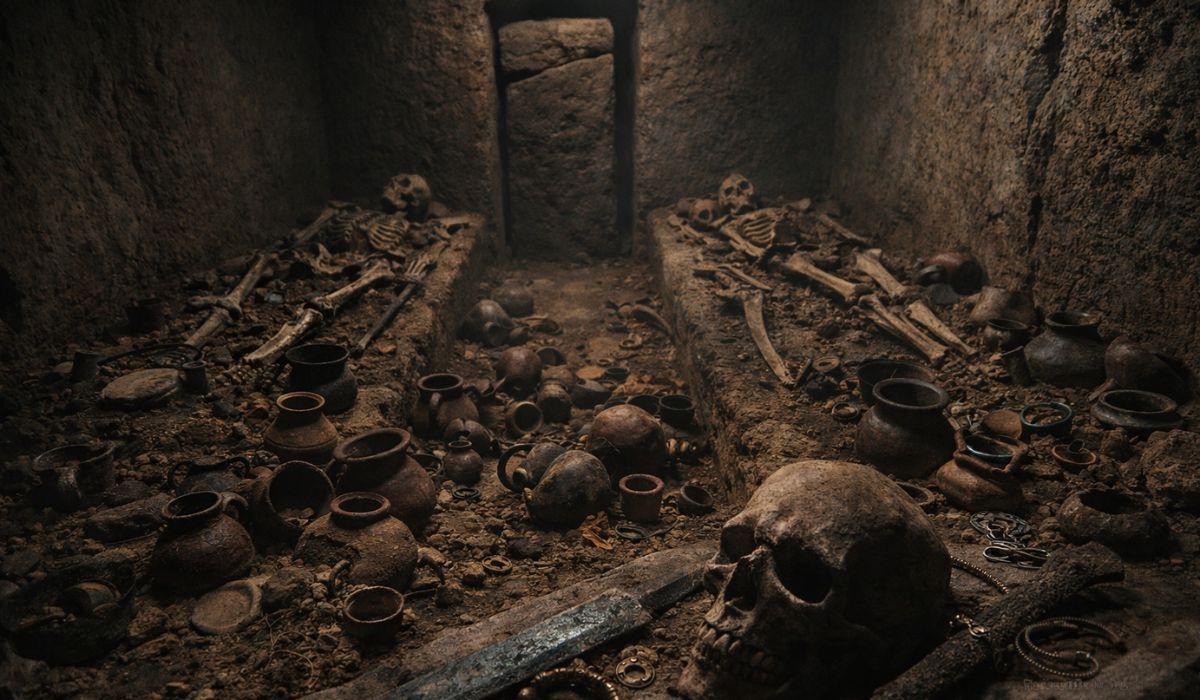
Archaeologists find an intact tomb over 2,500 years old, with more than 100 preserved objects, weapons, jewelry, and human remains never touched.
-
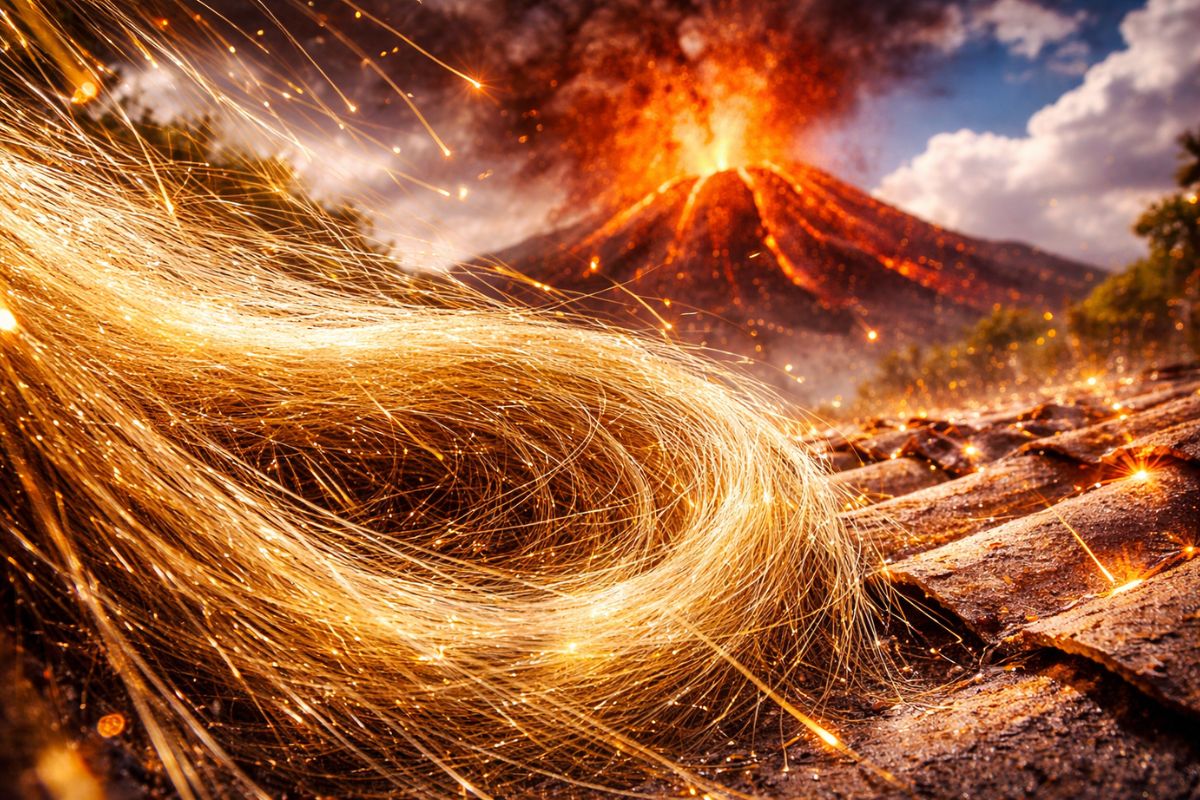
Volcanic lava transforms into threads as fine as human hair that travel over 30 kilometers by wind and fall like cutting rain on roofs and backyards in Hawaii and Iceland.
-
NASA issues a warning for the feared Godzilla El Niño that could change the planet’s climate in 2026 with extreme warming of the Pacific capable of causing devastating droughts in some regions and historic floods in others simultaneously.

-
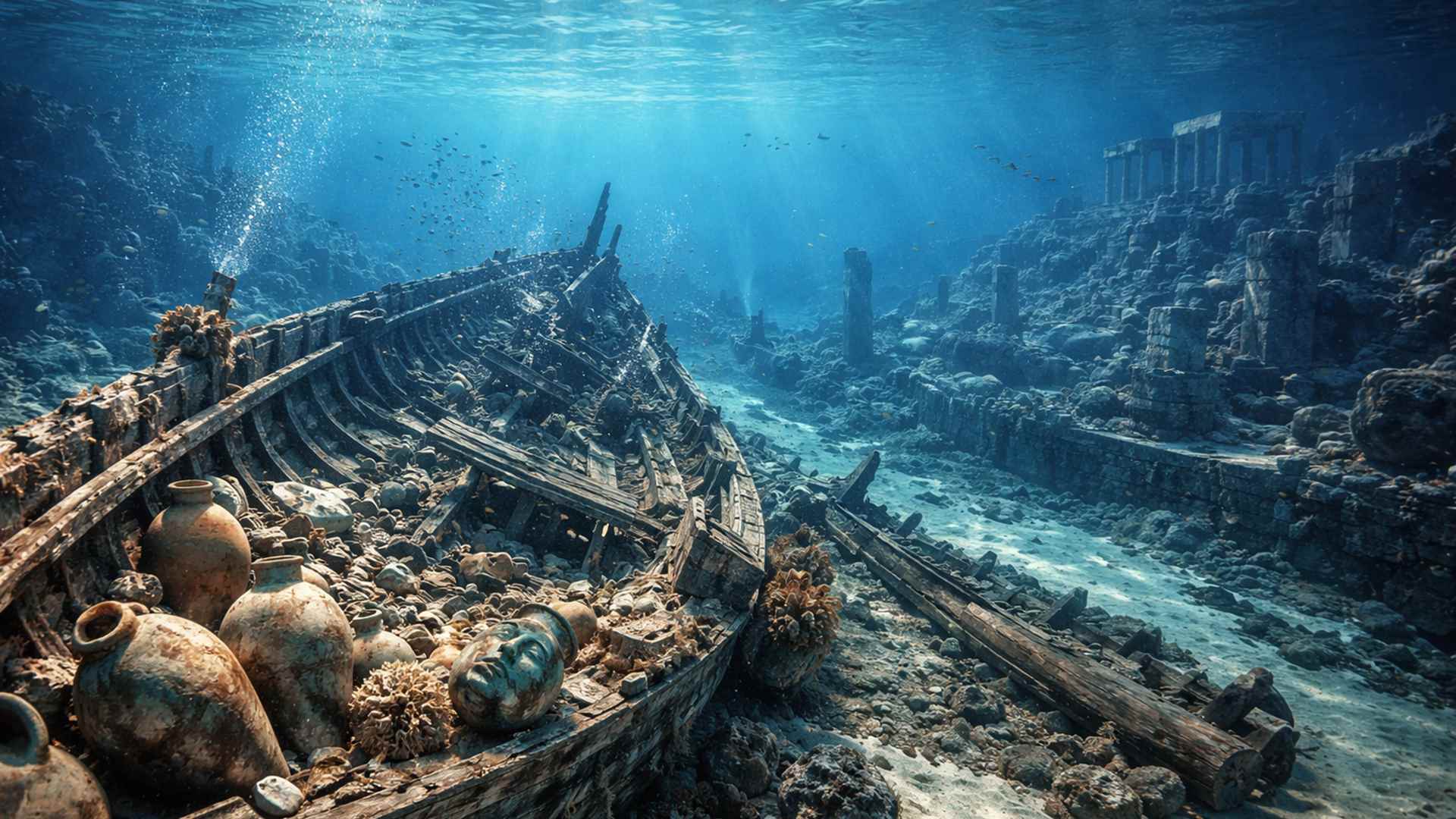
Archaeologists discover a 100-meter ship graveyard in a submerged Greek city, and what has appeared on the seabed of Libya could change what was known about this ancient port.

During the work, researchers collected about 50,000 liters of water and sediments for laboratory analysis, in an attempt to clarify the origin, age, composition, and potential for renewal of this subterranean system.
What keeps the topic relevant is not only the estimated size of the aquifer but the broader context of pressure on water resources.
According to the United Nations, global demand for freshwater may exceed supply by 40% by 2030.
In this scenario, reservoirs hidden beneath coastal areas and continental shelves have begun to be observed by researchers as a relevant field of study, although still far from any large-scale use for now.
Freshwater beneath the sea is back on the radar of scientific research
The presence of groundwater in areas now covered by the ocean is associated with ancient geological processes.
In parts of the east coast of North America, for example, lands that are now submerged were once exposed during periods when sea levels were lower.
With the melting of glaciers and the rise of the oceans, these areas were flooded, but some of the freshwater may have remained trapped in the sediments beneath the seafloor, according to the explanation adopted by the researchers involved in the expedition.

This context helps to understand why the continental shelf of the United States has begun to concentrate new investigations.
The most recent expedition was organized precisely to advance beyond remote mapping and obtain physical samples of the system.
With this, the researchers moved from the field of indirect estimates to analyzing the water in the laboratory, a step considered necessary to assess whether the reservoir is ancient, renewable, chemically viable, and ecologically sensitive.
Expedition drilled the continental shelf off Cape Cod
The work at sea took place between May and August 2025, with operations at three points on the continental shelf south of Massachusetts.
Throughout the mission, the team drilled the seafloor at depths close to 400 meters below the ocean floor and collected cores, interstitial water, and other materials aimed at different fronts of analysis.
The expedition brought together researchers from various countries and received support from the National Science Foundation in the United States, as well as the European consortium for ocean scientific drilling.
According to Brandon Dugan, co-scientific lead of the mission and researcher at the Colorado School of Mines, the team sought freshwater in one of the least intuitive places on the planet for this type of investigation.
In interviews reproduced by U.S. media, he stated that society needs to examine all available possibilities to expand knowledge about new sources of water.

The first field results drew attention due to the salinity of the samples.
Right at the beginning of the drilling, fluids with about 4 parts per thousand of salt were found, a value well below the average of seawater, which is around 35 parts per thousand.
As the operations progressed, researchers reported samples with salinity close to 1 part per thousand, a range compatible with freshwater in various continental environments.
Still, the team did not treat this result as an automatic indication of human consumption, as potability depends on additional chemical and microbiological analyses.
Submarine aquifer may be larger than initially estimated
Before the expedition, scientists were already working with the possibility that the system was large enough to theoretically sustain a metropolis the size of New York for centuries.
After the drilling, the team reported finding freshwater or nearly freshwater at depths higher and lower than initially expected.
According to the researchers, this result suggests a more extensive distribution of the reservoir.
Still, the investigators themselves avoid treating this potential as a promise of immediate exploitation.
The collected material is still under analysis to answer central questions, such as the origin of the water, how long it remains underground, and the possibility that the system is still being replenished by subterranean connections with the continent.
This distinction is considered crucial for any future debate on the responsible use of the resource.
In January and February 2026, scientists gathered again in Bremen, Germany, to open, examine, and sample the cores collected during the mission.
According to the organizers, this collaborative stage should help clarify the formation, evolution, and relevance of this subterranean water system beneath the seafloor.
So far, the initial public results focus on confirming the presence of low-salinity water on a large scale, while detailed conclusions about age and origin still depend on processing and scientific publication.

Public use of water still depends on scientific answers
The existence of subterranean reservoirs beneath the ocean may suggest a direct alternative to water scarcity, but researchers and experts consulted by international reports treat this possibility with caution.
There are technical, environmental, legal, and economic obstacles still without conclusive answers.
It is not clear, for example, who would control this type of resource, how extraction would be done without the risk of saltwater intrusion, and whether the operation would be more efficient than already available technologies, such as desalination.
Another sensitive point involves the ecological impact.
Part of the groundwater that migrates to the seafloor may carry nutrients and influence coastal and marine ecosystems.
According to researchers linked to previous expeditions and the current investigation, altering this balance without sufficient knowledge could provoke undesirable effects.
Therefore, they advocate that any discussion about utilization should only advance after a more robust understanding of how the system functions.
There are also doubts about water quality.
Experts in microbiology and geochemistry point out that the fluid may contain minerals or microorganisms acquired while passing through deep layers of sediment.
This does not mean, by itself, that the water is unfit for consumption, but indicates that safety assessments depend on factors beyond salinity.
The Expedition 501 team itself included analyses aimed at chemical composition, the presence of dissolved gases, and microbial activity.

Discovery expands studies on freshwater hidden beneath the ocean
The case of Cape Cod has also increased the visibility of a field of research that is not limited to the northeast coast of the United States.
Documents from the expedition itself indicate that similar offshore aquifers have already been recognized in other parts of the world.
With this, these systems have begun to be observed as a new front of investigation in areas such as the hydrological cycle, geochemistry, microbiology, and coastal management.
At this moment, the focus remains on understanding how these reservoirs form, how long they last, and how they interact with the continent and the ocean.







Seja o primeiro a reagir!