





 English
  Francês
  Alemão
  Italiano
  Japonês
  Norueguês
  Portuguese
  Spanish
  3 min of reading



The Government Project Aims to Regulate Mining, Oil Production, Gas, and Electricity Generation on Indigenous Lands
The Government’s bill to regulate mining, oil production, gas, and electricity generation on indigenous lands was signed on Wednesday, the 5th, by President Jair Bolsonaro. About 18 thousand workers on 50 platforms went on strike. TST blocks union accounts and authorizes Petrobras to hire subcontractors
Read Also
- To Meet Offshore Demand, Wood Group Opens 16 Vacancies for Technicians and Engineers
- 5 Thousand Job Openings in Construction for the New Phase of the Puma II Project by Klabin
- For Activities on Liquefied Gas Ships, Multinational Offshore Opens Large Selection Process in RJ; Embarkation Expected in March
The president says that “Indians are as Brazilian as we are” and that, if he could, he would confine environmentalists in the Amazon.
-
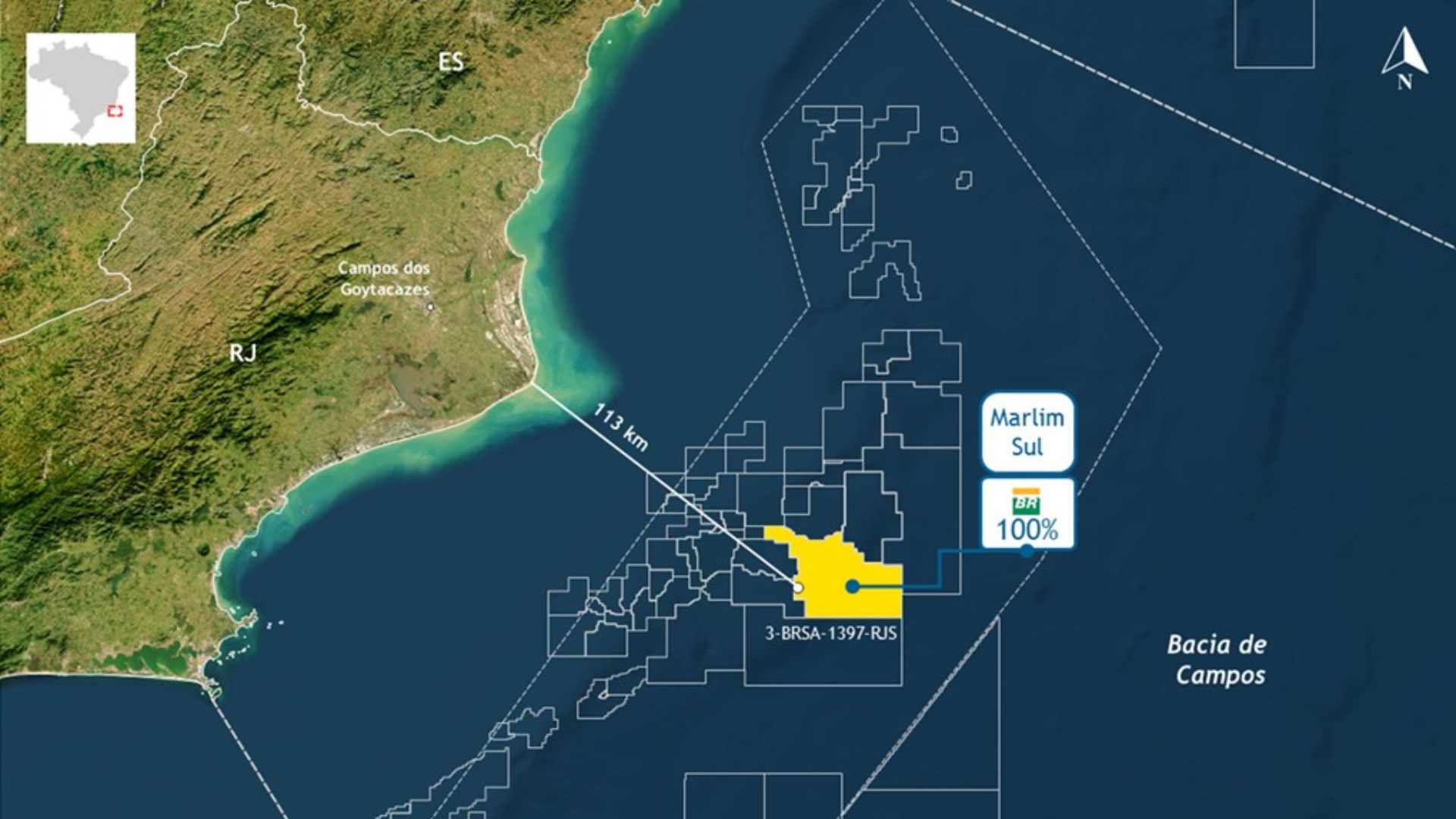
Petrobras announces new oil discovery in the pre-salt of the Campos Basin and reinforces Brazil’s prominence with high-quality reserves that can increase production and energy revenues.
-
Alert in the fuel market: Analysts and a former director of ANP warn that oil prices may worsen in the coming months due to global instability.

-
Ocyan brings executives and digital solutions to Macaé Energy 2026 and highlights offshore expansion with Nexio and a new base in Macaé.

-
Petrobras advances 4.6% with rising oil prices and the dollar, reigniting the debate on macro risks, pricing policy, and fiscal impact in Brazil.

Before being sanctioned by the president, the bill will be analyzed by the National Congress and must be approved by the plenary of the Chamber and the Senate.
The signing of the text took place during a ceremony at the Palácio do Planalto in celebration of Bolsonaro’s 400 days in power. In a speech, Bolsonaro stated that the release of indigenous reserves for mining is a “dream,” an old promise of his government.
“I hope that this dream, through the hands of Bento (Minister of Mines and Energy) and the votes of the parliamentarians, becomes a reality. The Indian is a human being just like us. He has a heart, feelings, a soul, desires, needs, and is as Brazilian as we are,” said the president.
The Chief Minister of the Civil House, Onyx Lorenzoni, also spoke out, comparing the measure to a sort of new “Golden Law.”
“For today, Mr. President, with your signature, it will be liberation, that is, from now on we will have the autonomy of indigenous peoples and their freedom of choice. It will be possible to mine, generate energy, transmit energy, explore oil and gas, and cultivate indigenous lands. In other words, it will be the Golden Law,” declared the minister.
The exploration of minerals on indigenous lands is a possibility foreseen by the 1988 Constitution, but as a specific rule with criteria and procedures has never been approved, it is currently an illegal practice in the country.
The government’s project aims to regulate mineral and energy exploration, such as oil and gas, in reserves. Indigenous communities will have veto power over mining activities but will only be consulted in advance in cases of energy exploration, which includes the construction of hydroelectric and thermoelectric plants, for example.
The text also allows indigenous people to economically explore their lands through activities such as agriculture, livestock, and tourism, currently prohibited in the reserves.
Since Bolsonaro announced that his government was preparing to send the bill to Congress, NGOs and specialists have been criticizing the economic exploitation measure in villages. The president even mocked environmentalists on Wednesday, stating that if he could, he would confine these activists in the Amazon to stop them from interfering.
“Are we going to suffer pressures from environmentalists? Ah, those people from the environment, right? If one day I can, I will confine them in the Amazon since they love the environment so much. And let them stop interfering with the Amazonians from within urban areas,” he declared.









Seja o primeiro a reagir!