





 Portuguese
  English
  Spanish
  3 min of reading
  2 comments


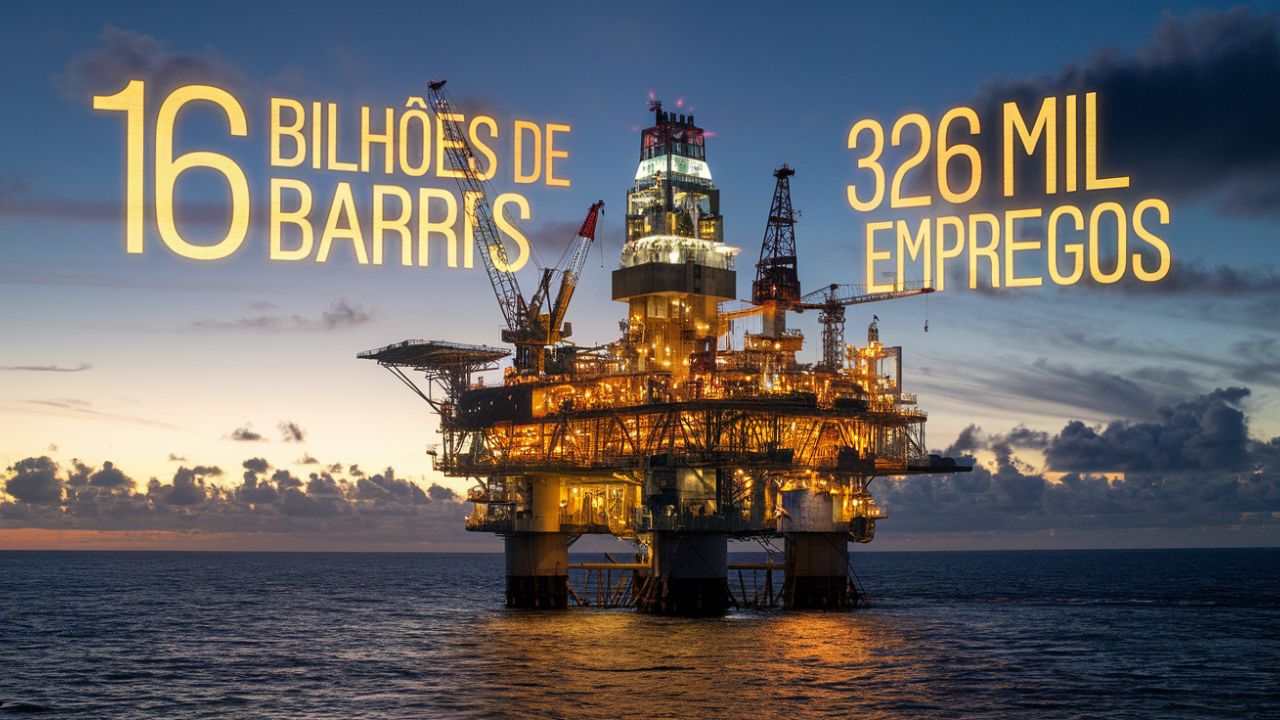


With 16 Billion Barrels of Estimated Oil and a Direct Impact on Amapá’s GDP of 61.2%, Oil Exploration in the Equatorial Margin Could Generate R$ 10.7 Billion for the Local Economy and Create 326 Thousand Jobs Across Brazil.
Have you ever imagined a state forgotten by Brazil gaining the spotlight and becoming an economic powerhouse? This is the promise of oil exploration in the Equatorial Margin, an initiative that could transform Amapá and Northern Brazil, generating over 300 thousand direct and indirect jobs. Let’s understand how this can happen?
Economic Opportunities in the Equatorial Margin
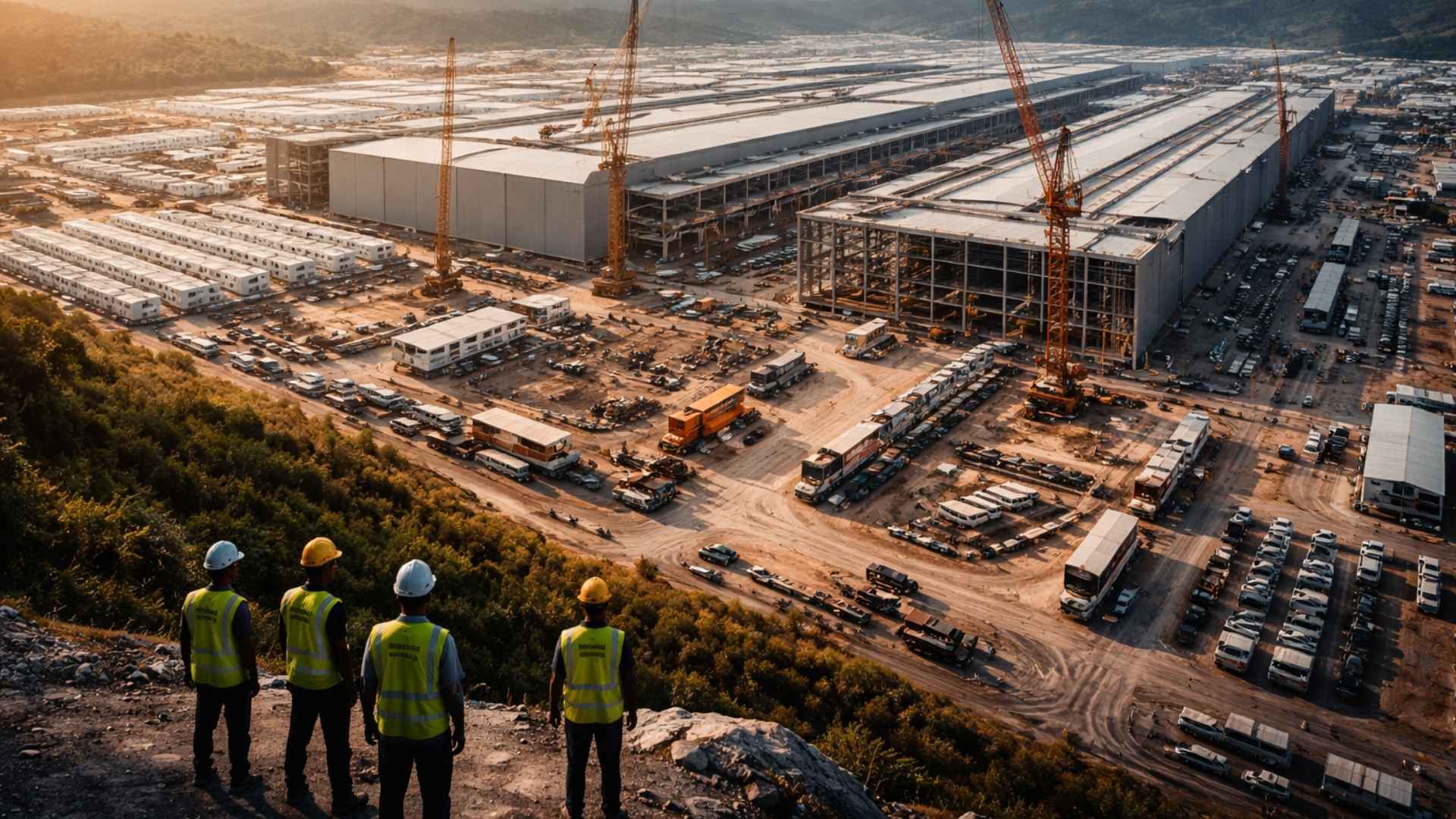
The Equatorial Margin is a true hidden treasure. This region, covering 500 thousand km², may contain up to 16 billion barrels of oil. To give you an idea, this wealth could sustain Brazil as a global energy leader for decades. But it’s not just on paper: Petrobras has already begun explorations, and the results are promising.
We are talking about direct and indirect jobs that can change the reality of thousands of families. From the worker in the field to the engineer designing platforms, the oil supply chain is one of the most inclusive and dynamic, impacting sectors like transportation, construction, and services.
-
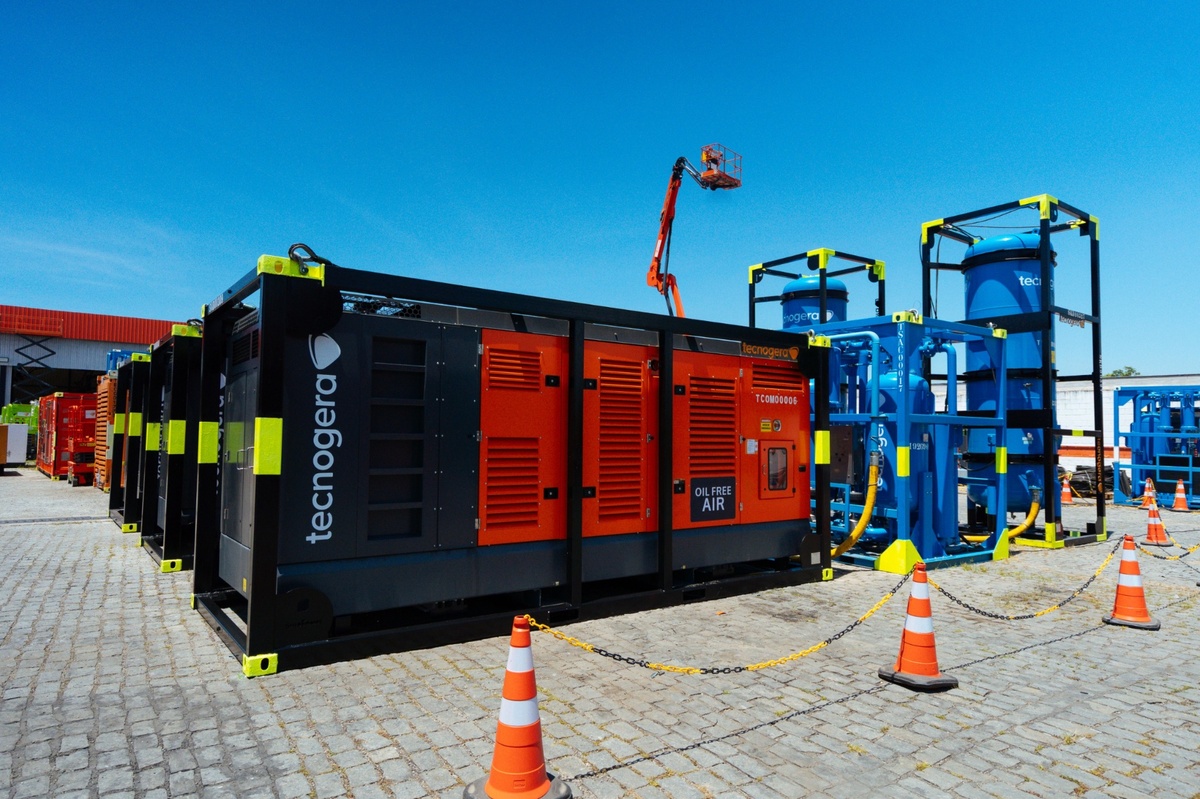
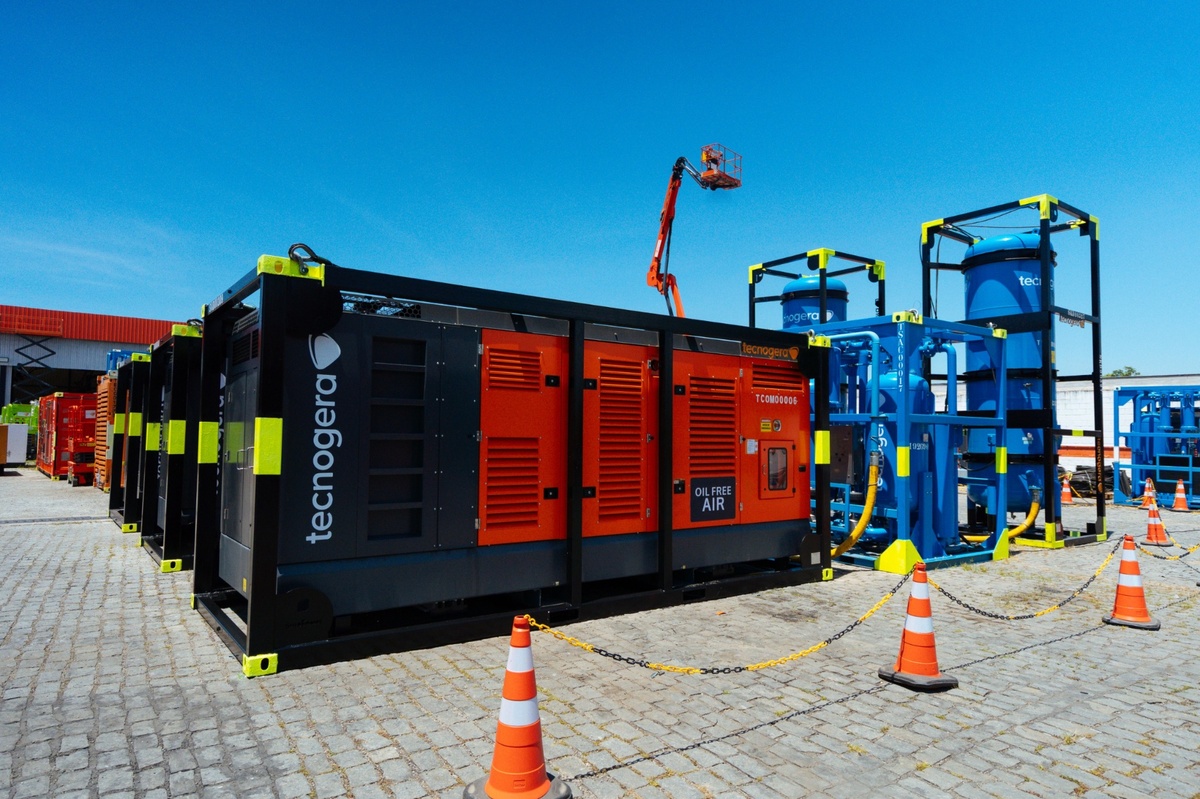
Offshore industrial demand in Macaé skyrockets with the recovery of oil and gas and could grow by up to 396% by 2026 in the Campos Basin.
-
Offshore industrial demand in Macaé surges with the recovery of oil and gas and could grow by up to 396% by 2026 in the Campos Basin.
-
Brazilian giant expands borders in the Southeast: Petrobras confirms new oil discovery in ultra-deep waters in the pre-salt of the Campos Basin.

-
Alert in the global energy market: Severe tropical cyclone hits the coast and disrupts gas production at major plants in Australia, threatening global supply.

How Oil Exploration Can Transform Amapá
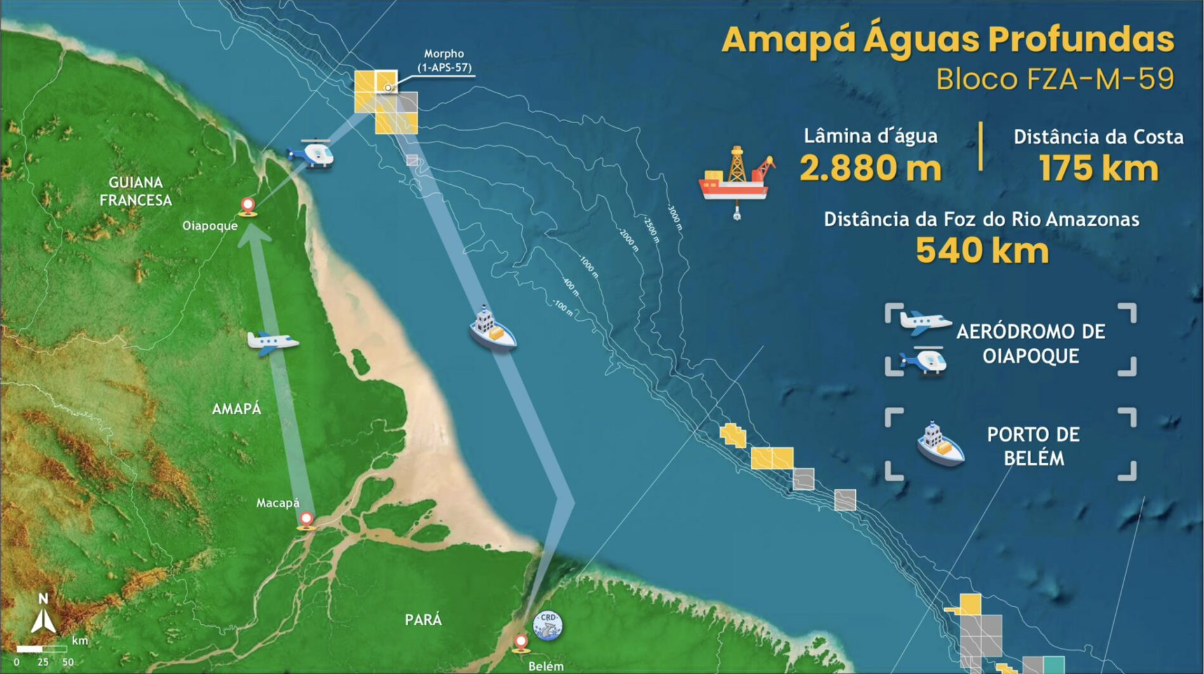
Amapá, known for its biodiversity, could be the epicenter of this transformation. The exploration promises to create nearly 54 thousand jobs in the state and increase its GDP by 61.2%. This means that money will circulate more, benefiting not only workers in the sector but also small traders and service providers.
With increased revenue, the state will be able to invest in health, education, and infrastructure. Imagine better roads, more efficient ports, and public services that actually work. All of this will be possible with the money generated by oil.
Challenges and Solutions for Sustainable Exploration
Of course, not everything is perfect. Oil exploration in the Equatorial Margin faces challenges such as environmental preservation and logistics in remote areas. But with cutting-edge technology and strategic planning, it is possible to reduce impacts and responsibly exploit the wealth.
Clear policies and dialogue between companies, governments, and communities are essential. The focus should be on sustainable development, ensuring that the benefits reach the local population without compromising the environment.
Success Stories in Neighboring Countries
Guyana and Suriname are already reaping the benefits of the Equatorial Margin. With investments in technology and international partnerships, these countries have transformed their economies. Brazil has a golden opportunity to follow the same path.
Strategic planning and transparency are the keys to success. Brazil needs to look at its neighbors and adapt these lessons to its reality to ensure that the wealth benefits all Brazilians.
The Energy Future of Brazil in the Equatorial Margin
With oil exploration in the Equatorial Margin, Brazil can establish itself as one of the world’s largest energy exporters. This means more investments, more jobs, and more development for the country.
If Brazil does not seize this moment, it risks losing ground in the global market. It is time to act, invest, and ensure that oil production remains strong, avoiding a possible dependence on imports in the future.
Oil exploration in the Equatorial Margin is a potential revolution. For states like Amapá, which often remain on the margins of development, this could be the chance to change levels and achieve a more prosperous future.






ntendi como corretíssima a colocação da atual presidenta da Petrobras Magda Chambriard que a prospecção nas costas do Amapá está atrasada dez anos, e em continuar insistindo na prospecção na região Equatorial por contribuindo para o desenvolvimento econômico do país.
Enquanto isto na margem equatorial através da Exxon nas costas da Guiana Francesa já obtiveram sucesso e já extrai petróleo em região fronteiriça próxima existindo a possibilidade de ser a mesma bacia do “Stabroek Block” no hemisfério Norte, o que significa que estão extraindo petróleo do lado da bacia brasileira através de um sistema de vasos comunicantes, tratando-se de área altamente estratégica e de interesse nacional.
Vou relembrar um epis**** na década de 70 me lembra por ocasião da chamada “guerra das lagostas” em que pesqueiros franceses pescavam na área territorial brasileira nesta mesma região a tal ponto que na época foi ampliado o limite do mar territorial de 12 mil para 200 milhas da costa ainda no regime militar.
Eu sonhei que tem 300 bilhões de barris, e de ótima qualidade!!!.. esperar pra ver 😁….👍