





 Portuguese
  English
  Spanish
  5 min of reading
  0 comments


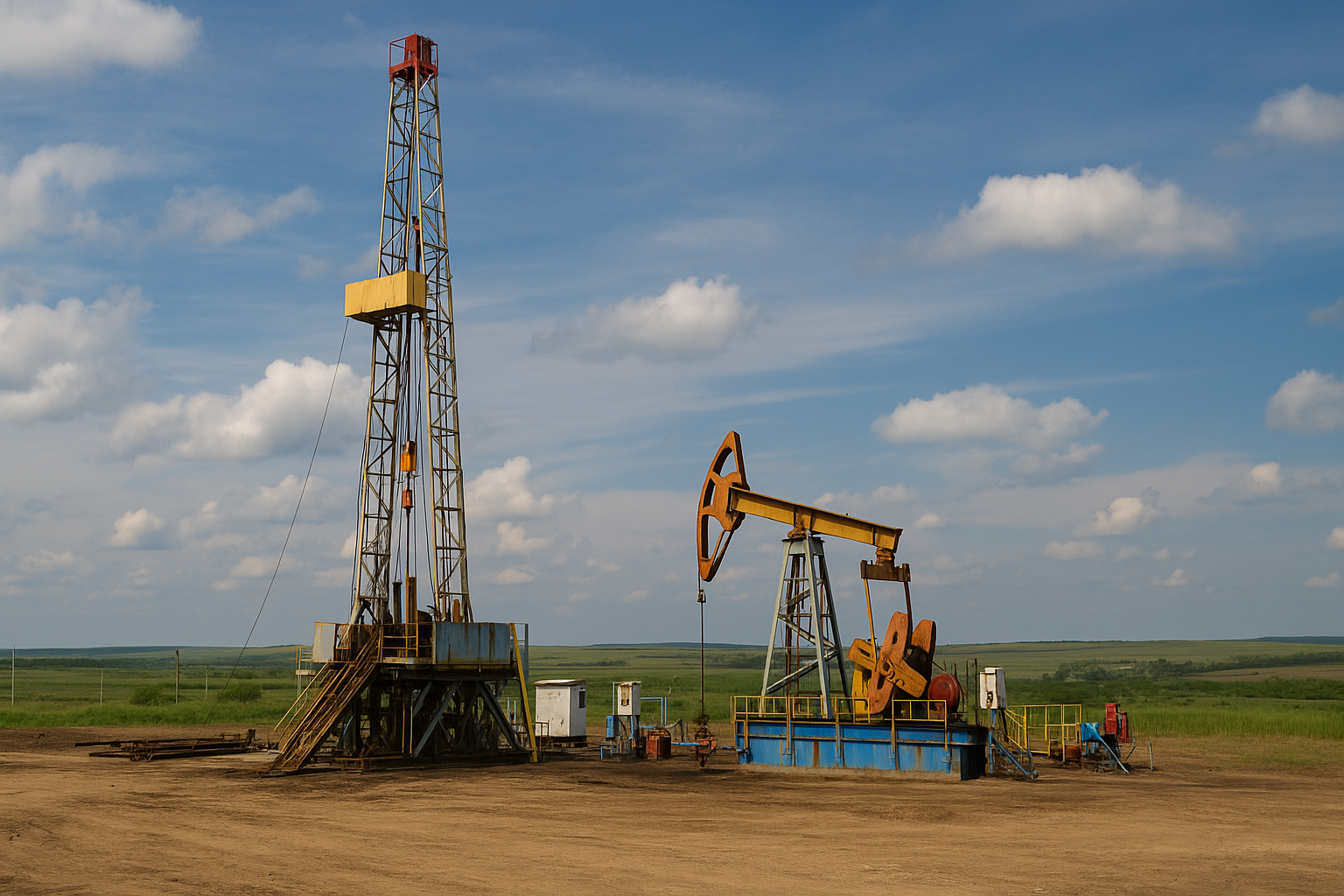
Discover What Onshore Exploration Is, How It Emerged, Its Historical Importance, and How This Fundamental Practice for the Oil and Gas Sector Works Today.
Onshore exploration represents one of the oldest and most important practices in the oil and gas industry, essential for global energy development.
Throughout the centuries, this activity has evolved in technology, methods, and impact but has maintained its essential role in obtaining natural resources.
According to the U.S. Department of Energy (DOE), onshore exploration still accounts for about 60% of total hydrocarbon production in the country in 2022.
-
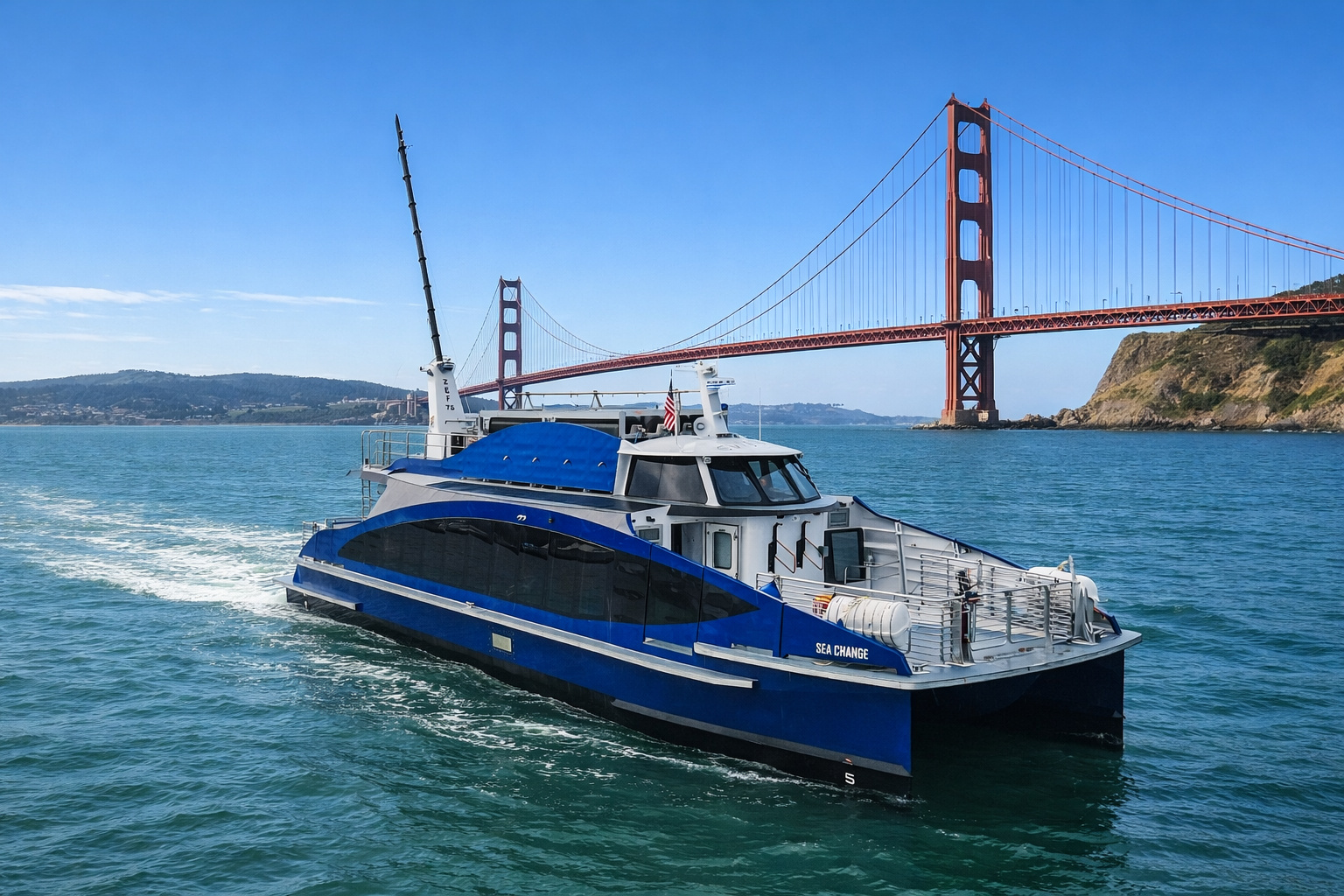
The first commercial hydrogen-powered ferry enters operation in the U.S., eliminates the use of diesel, uses fuel cells to generate clean energy on board, and transforms San Francisco Bay into a landmark of the new era of emission-free navigation.
-
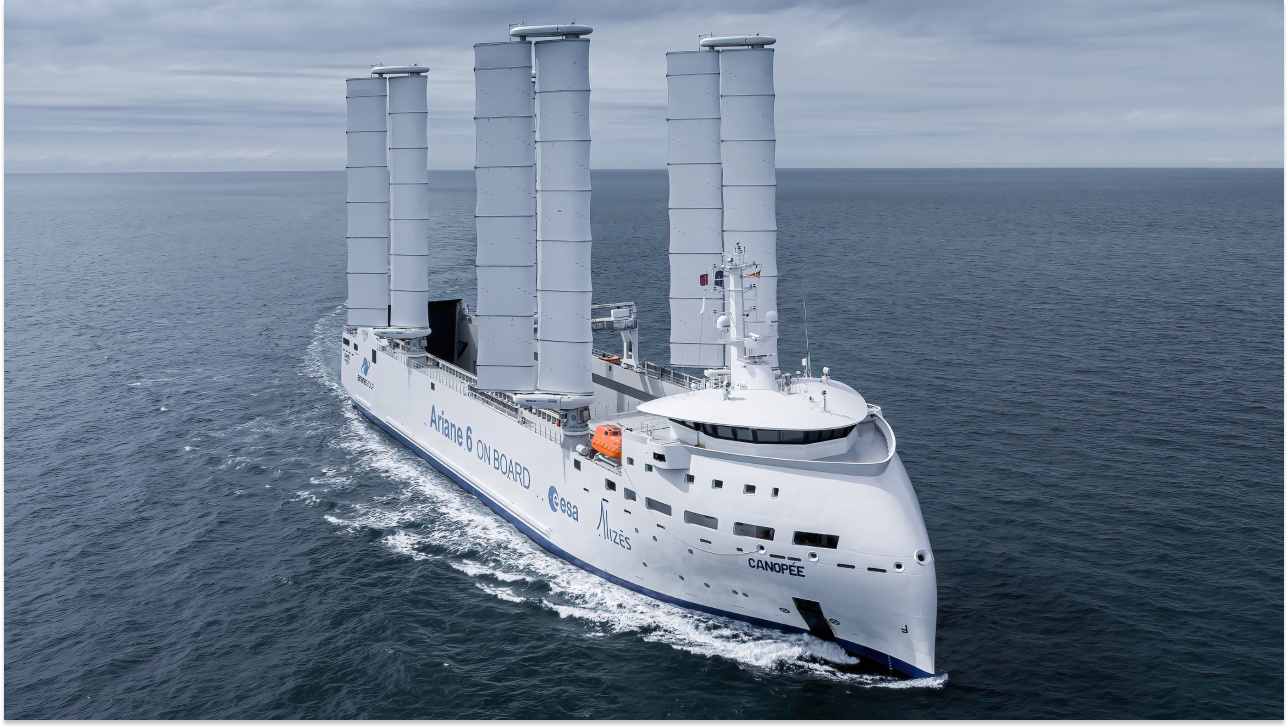
With a length of 121 meters and four rigid sails of 36 meters that automatically rotate to capture the wind, Canopée is the world’s first hybrid industrial cargo ship powered by wind, used to transport rockets and reduce fuel consumption by up to 30% on transoceanic routes.
-
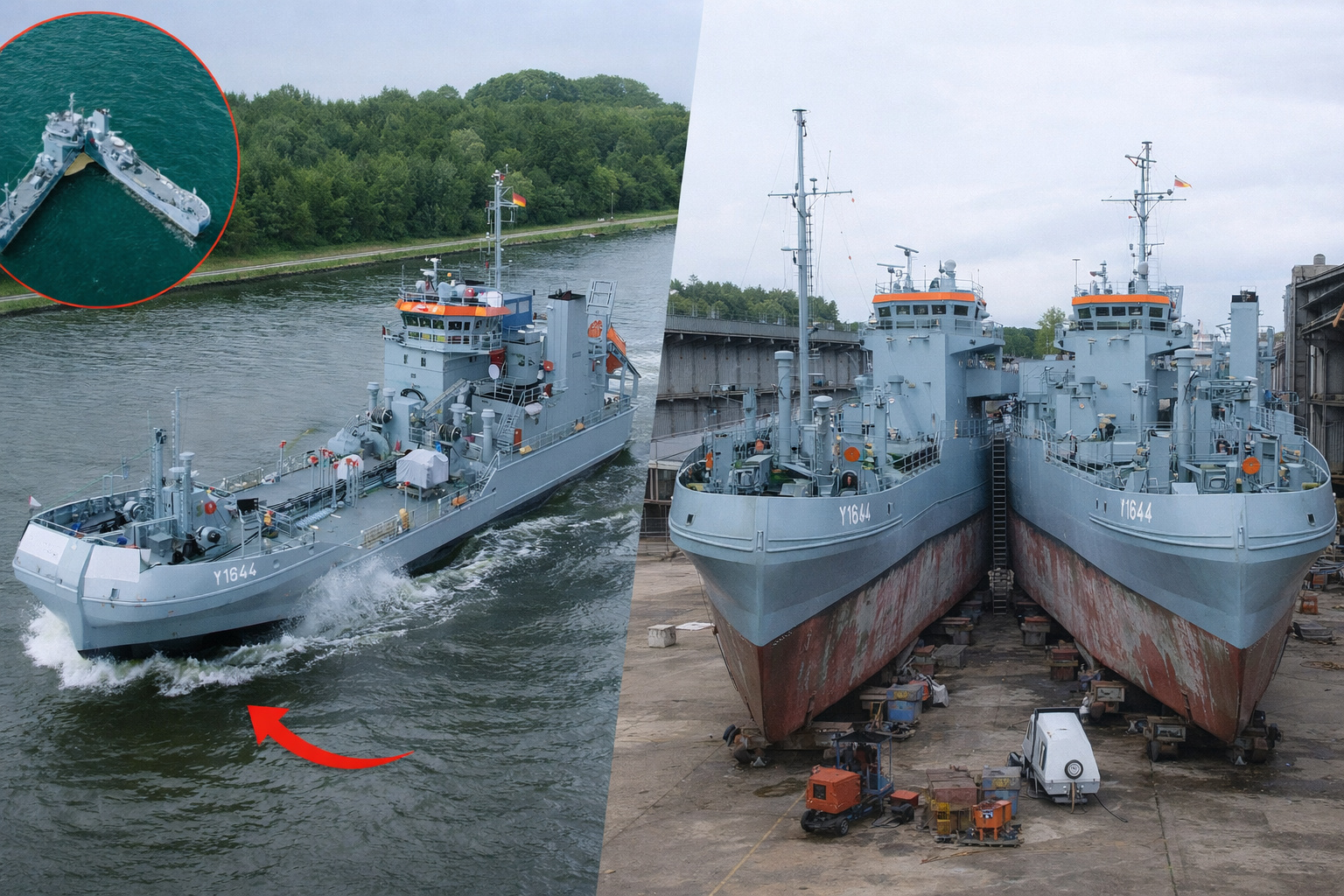
The German ship Bottsand splits its hull in two halves in the middle of the ocean to swallow spilled oil on the surface, separating the oil from the water inside a 790 cubic meter tank and then closing again. It is the only ship in the world factory-designed to split in half as part of normal operations, and the crew of six people who operate everything is civilian.
-
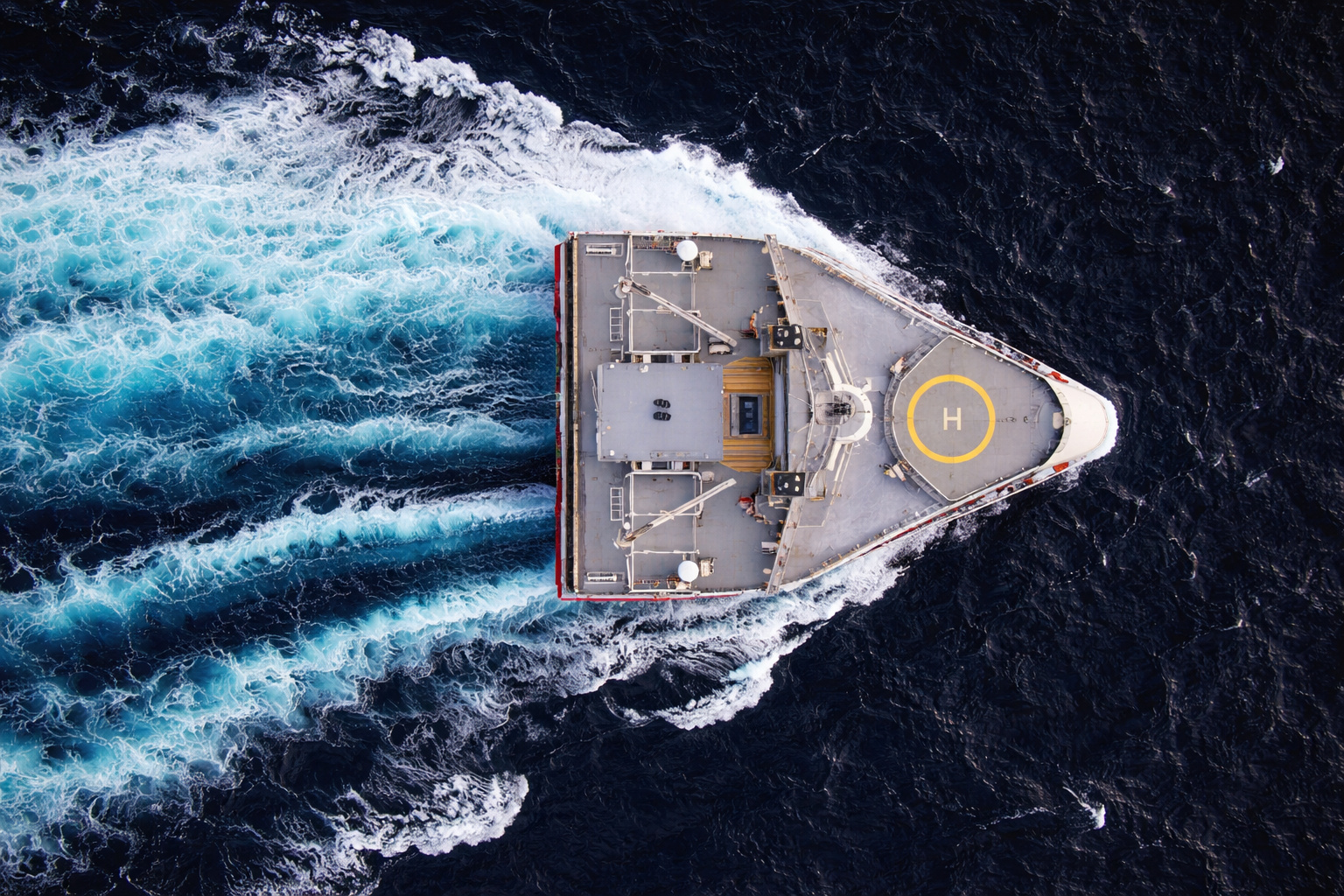
With almost 70 meters in width at the stern and a shape resembling a “giant slice of cheese,” the Ramform Titan tows up to 24 seismic cables to sweep the ocean floor in 3D and reveal oil reserves hidden beneath kilometers of sediment.

Highlighting its continued relevance in the global energy landscape. Thus, in this guide, you will understand what onshore exploration is, how it emerged, its current operation, and why it remains so important.
What Is Onshore Exploration?
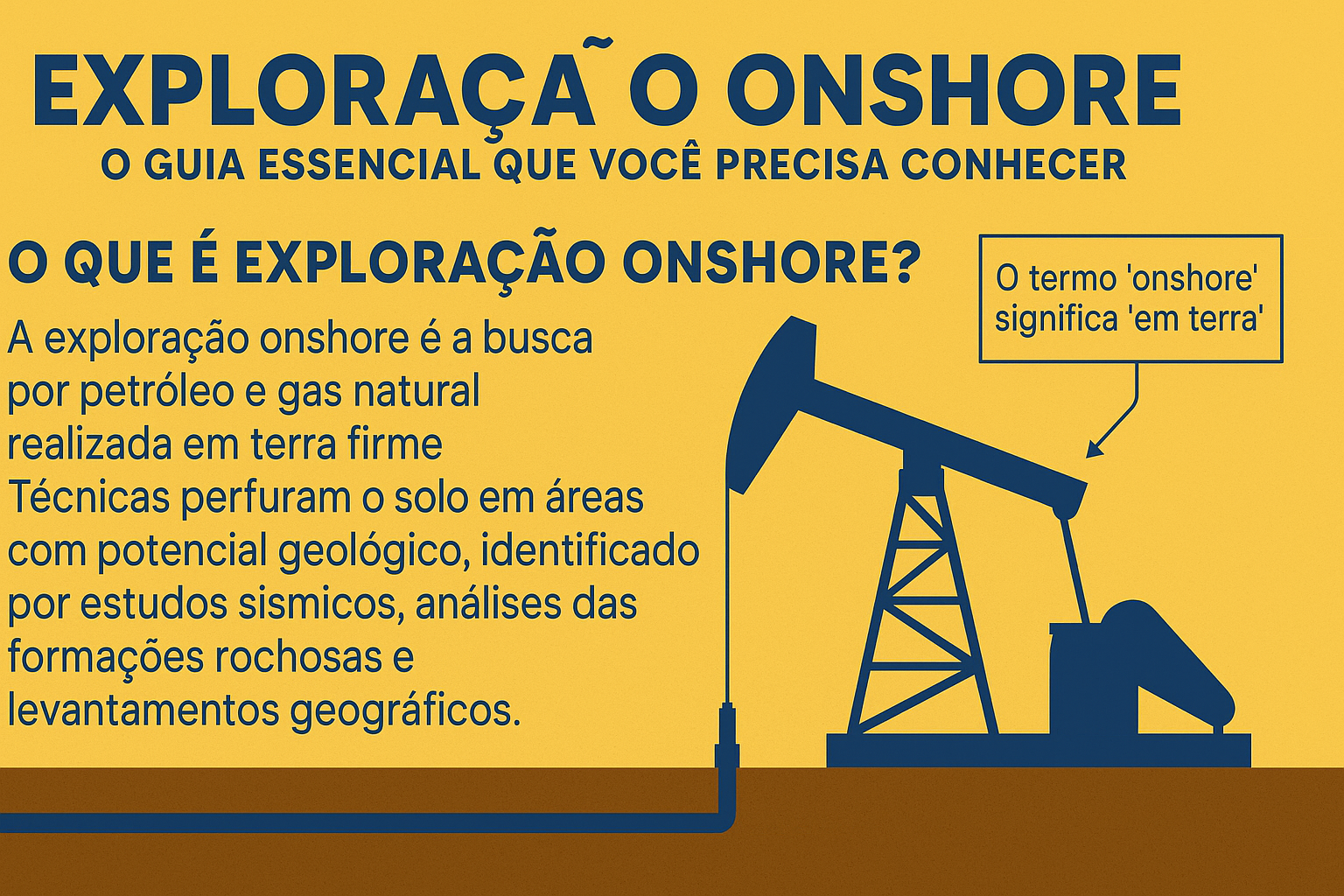
Firstly, onshore exploration is the search for oil and natural gas carried out on land.
The term “onshore” comes from English and means “on land,” as opposed to offshore exploration, which is done at sea.
In this process, technical teams drill the ground in areas with geological potential to contain oil or gas.
This potential is identified through seismic studies, rock formation analyses, and geographic surveys.
According to the International Energy Agency (IEA), since the 1970s, advancements in geological and geophysical methods have made onshore exploration much more precise and efficient.
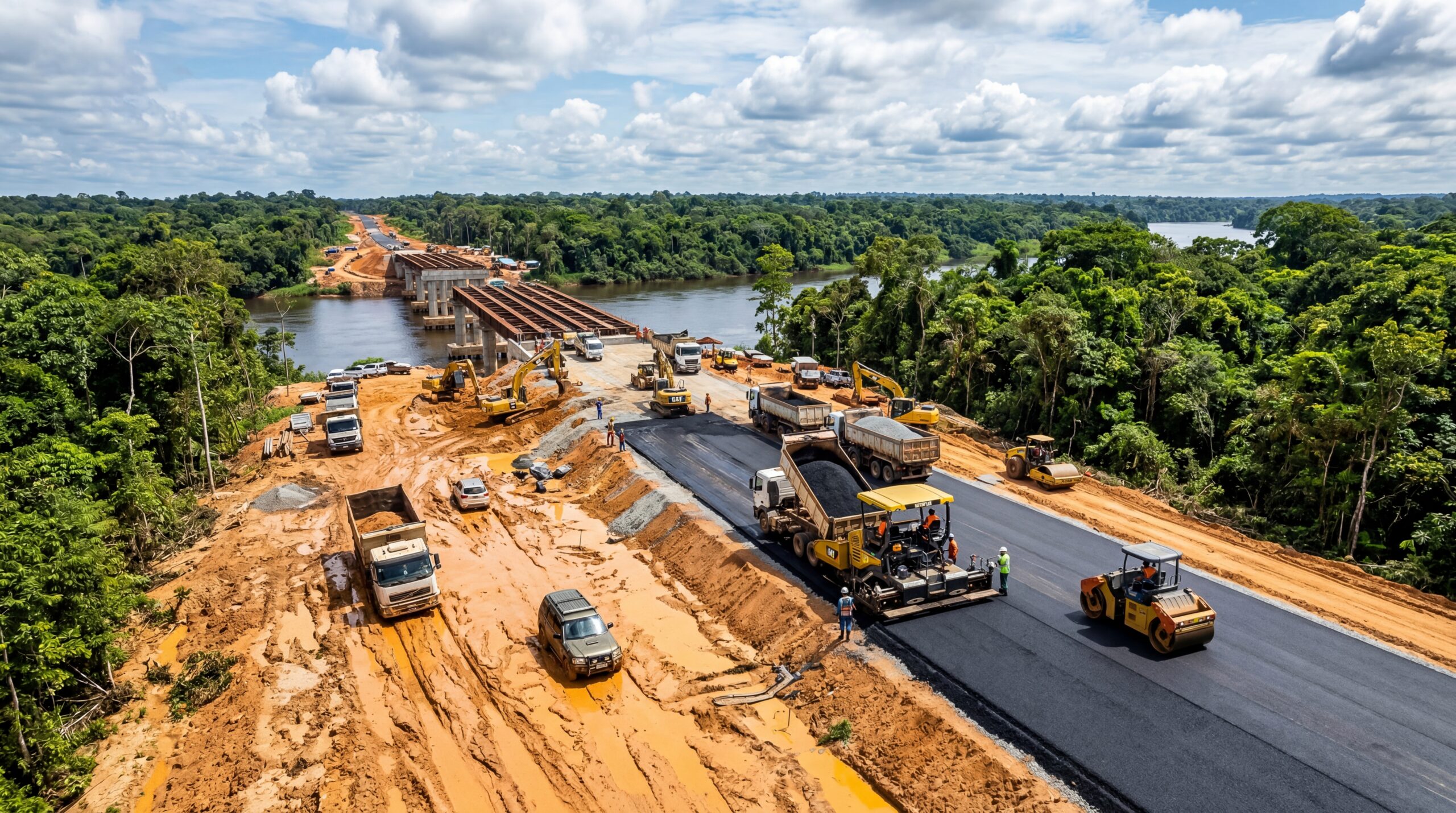
Furthermore, onshore exploration encompasses diverse environments, such as deserts, plains, forests, and even areas near urban centers.
This variety of environments brings logistical advantages and cost reductions compared to offshore exploration. For example, easier access to equipment and personnel accelerates the mobilization of operations.
Additionally, the onshore exploration process allows for quick adaptation to ground conditions, enabling the agile development of new fields.
The Historical Origin of Exploration
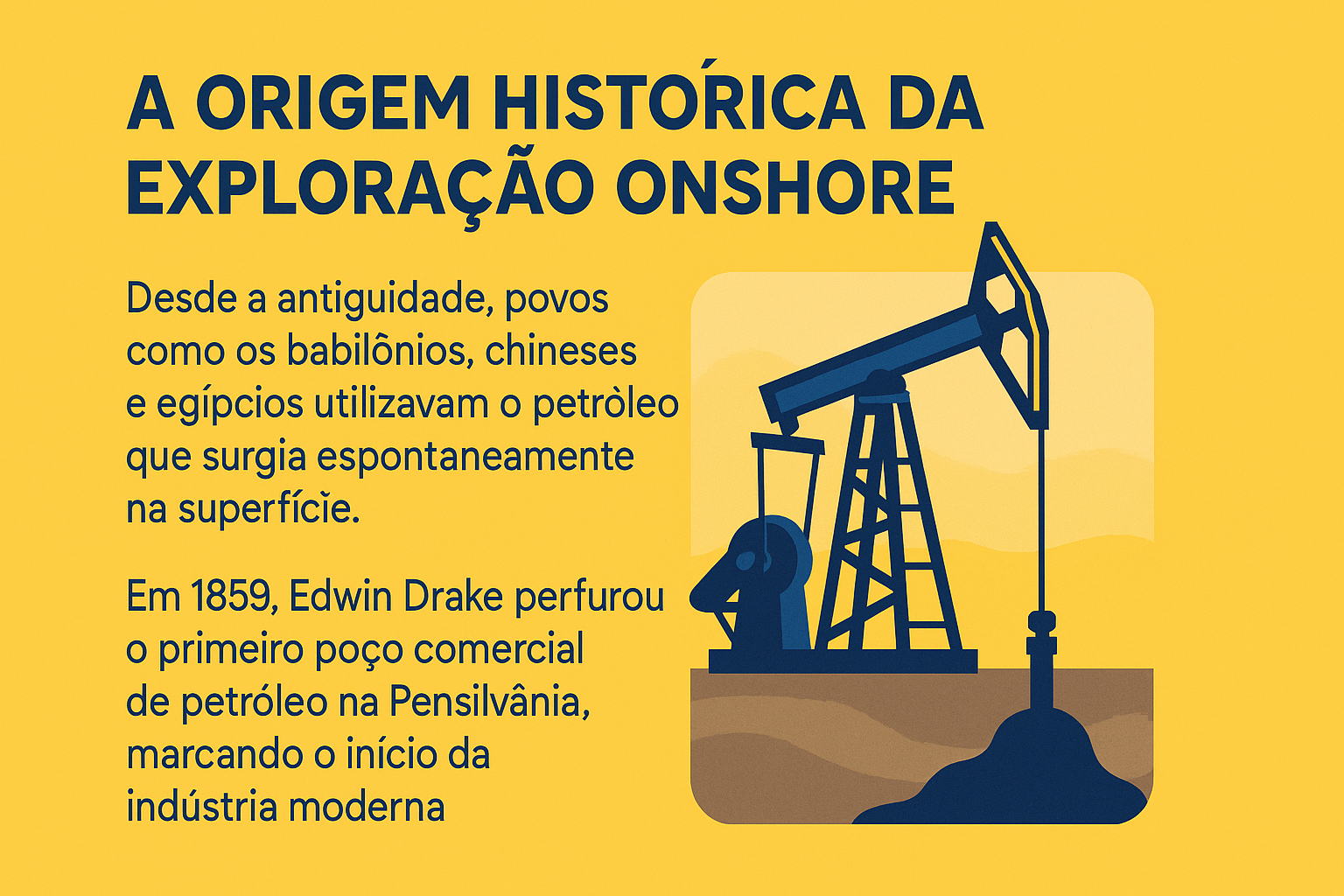
Onshore exploration has very ancient roots. Since antiquity, peoples such as the Babylonians, Chinese, and Egyptians already used oil that spontaneously emerged on the earth’s surface.
They used this resource for waterproofing boats, lighting environments, and even for medicinal purposes.
According to the National Museum of American History – Smithsonian, the historical milestone of modern exploration occurred in 1859, when Edwin Drake drilled the first commercial oil well in Pennsylvania.
This event inaugurated the modern oil industry, transforming onshore exploration into a systematized industrial activity.
After this discovery, onshore exploration quickly spread. Countries like Russia, Iran, Mexico, and Brazil began investing in research to identify their own onshore reservoirs.
In Brazil, according to the National Agency of Oil, Natural Gas, and Biofuels (ANP), the first commercial well was drilled in 1939, in the Lobato Basin, Bahia.
This event marked the beginning of the national oil industry and the strengthening of onshore exploration in the country.
The growth of onshore exploration accompanied the pace of the Industrial Revolution, which increased the demand for oil as an energy source and raw material.
Thus, onshore exploration sustained much of the global industrialization during the 20th century, according to the historical report of the International Petroleum Technology Conference (IPTC).
How Does Exploration Work?
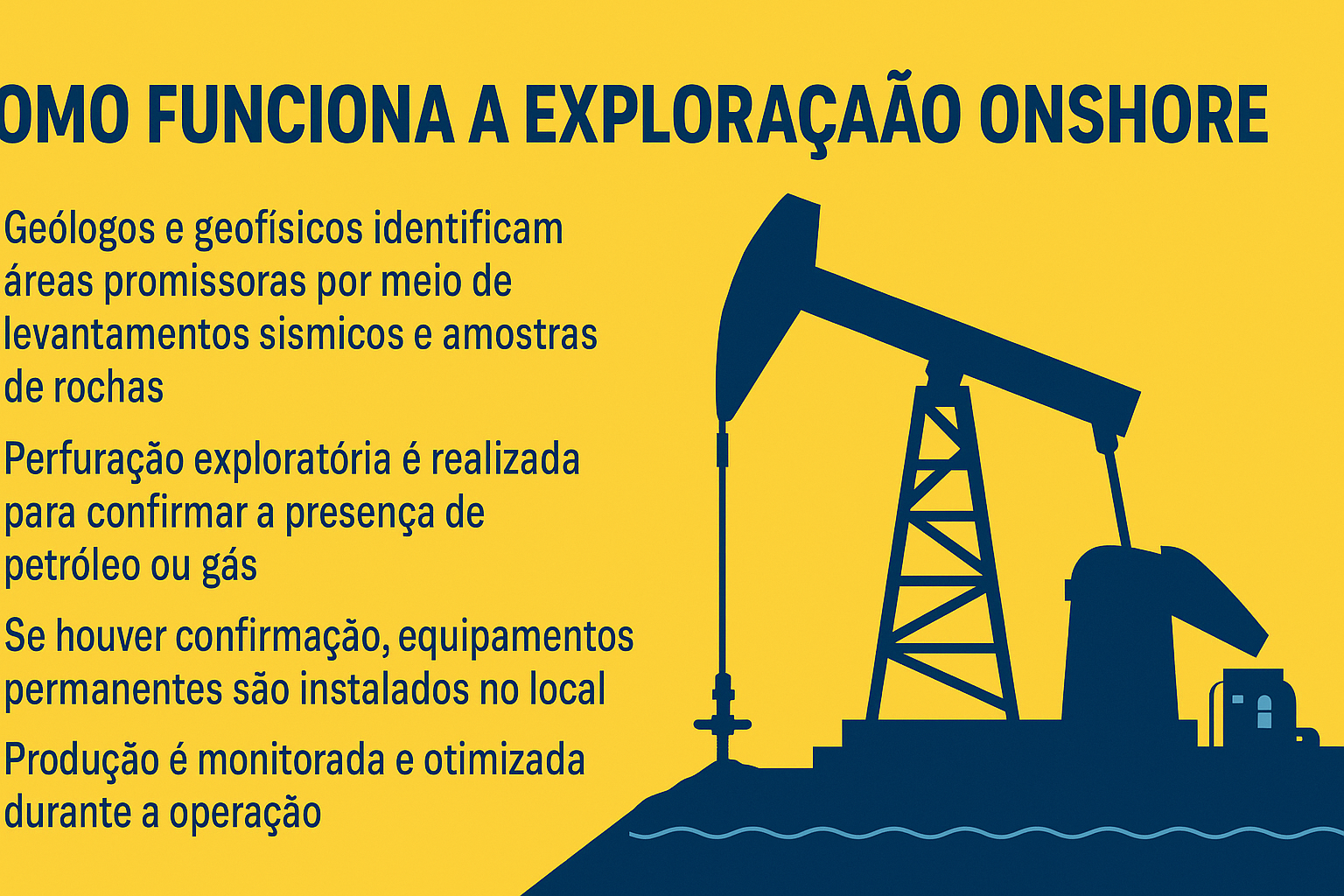
The onshore exploration process involves several stages, beginning with the preliminary study of the area to the actual extraction.
First, geologists and geophysicists conduct detailed surveys to identify promising areas. They use seismic data, rock samples, and other indicators to locate possible reserves.
When they identify a suitable location, they begin exploratory drilling. As explained by Petrobras, the Brazilian state-owned company, this stage aims to confirm the presence and quality of the oil or gas.
If confirmed, the next phase is the field development, with the installation of permanent production equipment.
As described on Petrobras’s website, this phase can last months or years, and production can extend for decades.
During this period, specialized equipment monitors the pressure, flow, and quality of the oil or gas extracted.
Current technology, according to the National Agency of Oil (ANP), allows for remote control and automation of processes, optimizing production and reducing risks.
Additionally, continuous testing ensures operational safety and minimizes environmental impacts.
Onshore Exploration vs. Offshore: Main Differences
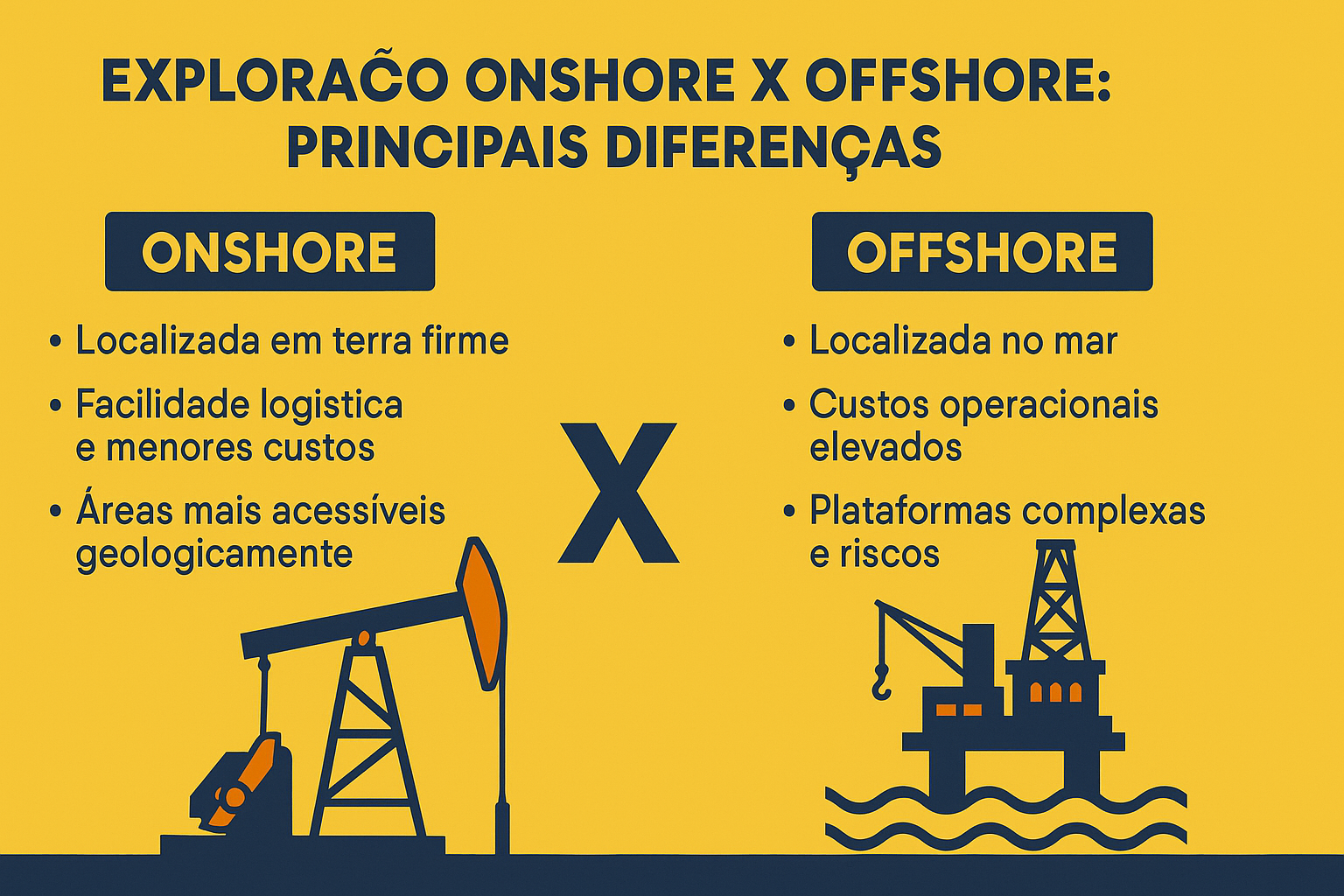
Despite having the same objective – to extract oil and gas – onshore and offshore exploration present important differences.
The main difference is the location: onshore exploration occurs on land, while offshore exploration takes place in deep or shallow waters at sea.
According to the International Association of Oil & Gas Producers (IOGP), offshore exploration involves complex platforms, helicopters, and support ships, which increase costs and operational risks.
On the other hand, onshore exploration offers greater logistical ease, reducing costs and accelerating the mobilization of operations.
Additionally, onshore fields are generally located in geologically more accessible areas. This facilitates the use of technologies and the management of fields.
As the IEA points out in its 2023 report, the share of onshore exploration in global production remains significant, maintaining a strategic role in the production chain.
The Importance and Current Challenges of Onshore Exploration
Even with the advancement of renewable energies and the growth of offshore exploration, onshore exploration maintains a strategic role in global production.
According to the annual report from the International Energy Agency (IEA), onshore exploration accounts for about 70% of global terrestrial oil production, highlighting its economic and social importance.
Furthermore, this activity generates jobs, stimulates regional economies, and attracts significant investments, according to data from the World Bank.
On the other hand, onshore exploration faces significant environmental challenges. Land use, leak risks, water consumption, and waste disposal demand strict control.
In recent years, companies in the sector have adopted sustainable practices. For example, using technologies to reduce emissions, water reuse, and environmental recovery.
Environmental legislation plays a fundamental role in this context. In Brazil, the ANP and the Brazilian Institute of Environment and Renewable Natural Resources (IBAMA) oversee and regulate exploration, requiring rigorous environmental licensing.
The importance of dialogue with local communities is also growing, aiming to respect rights and promote social development.
Onshore exploration is much more than a technical activity: it has a rich history, remains essential to the global economy, and reinvents itself to meet current sustainability demands.






Seja o primeiro a reagir!