





 Portuguese
  English
  Spanish
  2 min of reading
  0 comments


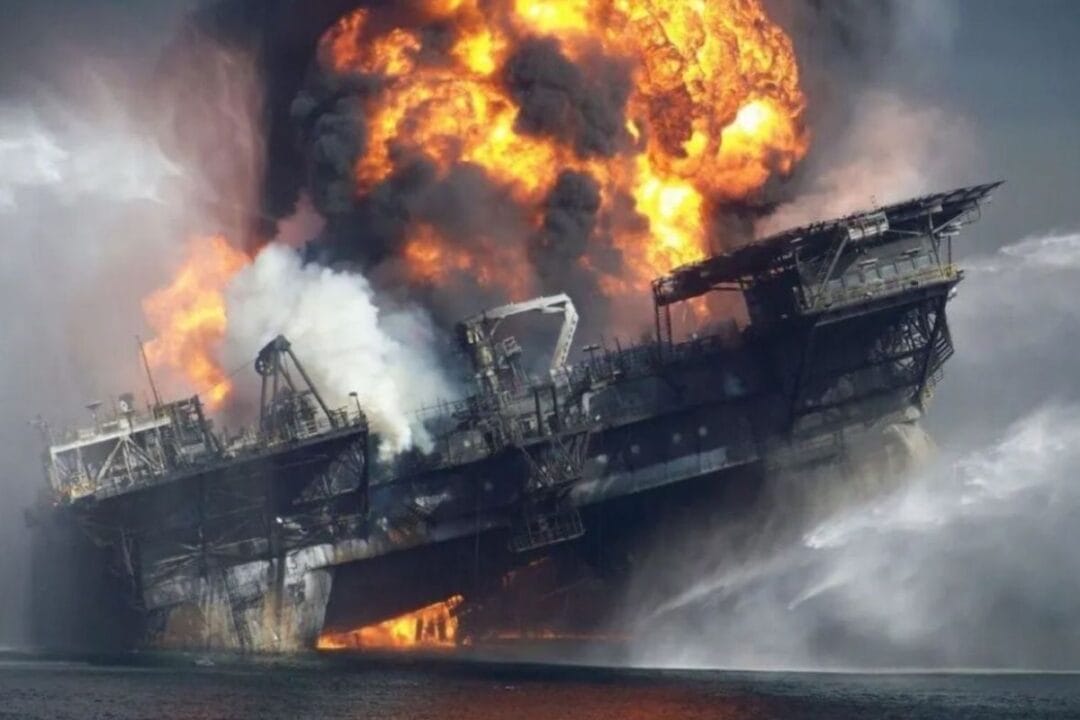
Largest Environmental Disaster in the US Left 11 Dead and Leaked 4.9 Million Barrels in the Gulf of Mexico
On April 20, 2010, the Deepwater Horizon drilling rig exploded during the sealing of the Macondo well, causing an unprecedented human and environmental tragedy. Fifteen years later, the accident is still a symbol of critical failures in safety management.
Deepwater Horizon: 15 Years Since the Largest Environmental Disaster in US History
The Deepwater Horizon drilling rig, operated by Transocean under contract from BP, was in operation at the Macondo field in the Gulf of Mexico, about 1,500 meters deep. The mission was to drill and seal the well for future exploration.
On April 20, 2010, while BP and Transocean executives visited the unit to congratulate the team for a seven-year accident-free record, the scene changed drastically. A catastrophic pressure containment failure caused an explosion. Eleven workers died, and the rig sank two days later.
-
A major turn in the Justice system suspends tax increases and directly impacts oil and gas companies in Brazil by affecting costs, contracts, and financial planning, leaving uncertain what could happen to the sector if these costs had increased.

-
Brava Energia begins drilling in Papa-Terra and Atlanta and could change the game by reducing costs in oil while increasing production and strengthening competitiveness in the offshore market.
-
Petrobras surprises the world again by announcing a new discovery in the pre-salt with excellent quality oil.
-
Offshore industrial demand in Macaé skyrockets with the recovery of oil and gas and could grow by up to 396% by 2026 in the Campos Basin.
The Deepwater Horizon Drilling Rig and the “Well from Hell”

The Deepwater Horizon drilling rig faced six-week delays at the Macondo well. The reservoir was under extremely high pressures. The method to control this pressure was the use of drilling mud, which was supposed to prevent the rise of hydrocarbons to the surface.
However, operational mistakes and rushed decisions during the sealing of the well led to a failure of the safety system. The blowout resulted in a devastating explosion. Oil gushed for 87 consecutive days, pouring approximately 4.9 million barrels into the sea.
Ignored Lessons and Lasting Consequences
Brian Appleton, a technician who participated in the Piper Alpha disaster inquiry, stated that safety is not corporate rhetoric: it is life or death. In the case of the Deepwater Horizon drilling rig, 11 people died, and an ecosystem was severely impacted.
The accident exposed the fragility of safety policies at major oil companies. The final report from the US government identified systematic flaws in design, communication, and decision-making.
15 Years Later: Impact and Legacy
Even after 15 years, the disaster of the Deepwater Horizon drilling rig remains a topic of studies, documentaries, and regulatory reforms. The tragedy led to the creation of new safety and environmental control protocols for deepwater rigs.
Experts still debate whether the changes were sufficient to prevent new disasters. The memory of Deepwater Horizon serves as a warning about the risks of exploration in areas of high geological and operational complexity.






-

-

-

3 pessoas reagiram a isso.