





 Portuguese
  English
  Spanish
  4 min of reading
  0 comments



The INSS Indemnity Benefit Can Ensure Extra Income for Offshore Workers Who Suffer Accidents and Remain with Permanent Sequelae, Even While Continuing in Activity
Offshore work, therefore, remains associated with complex operations, intensive routines, and high risks at sea. In this scenario, accidents continue to occur frequently. In 2024, Brazil recorded 731 accidents in the offshore sector, with 183 workers injured, of whom 78 were in serious condition, according to data consolidated throughout the year. In light of these numbers, the importance of discussing accident assistance grows, a social security right still poorly understood by a large part of the crewed professionals.
Thus, the discussion about financial protection, social security support, and legal security becomes increasingly urgent in the oil and gas sector.
Indemnity Social Security Benefit Ensures Financial Protection
The accident assistance, therefore, is a social security benefit of an indemnity nature, paid by the National Institute of Social Security (INSS) to the insured who, after an accident of any nature, has to live with a permanent sequela that reduces their capacity for habitual activity.
-
With Announcement for ROV Course in Partnership with Zen, Rio das Ostras Aims to Transform Technical Qualification into Real Jobs in the Competitive Offshore Market

-
Free Offshore Steward Course in São Gonçalo Emerges as a Strategic Opportunity for Those Seeking Qualified Work at Sea

-
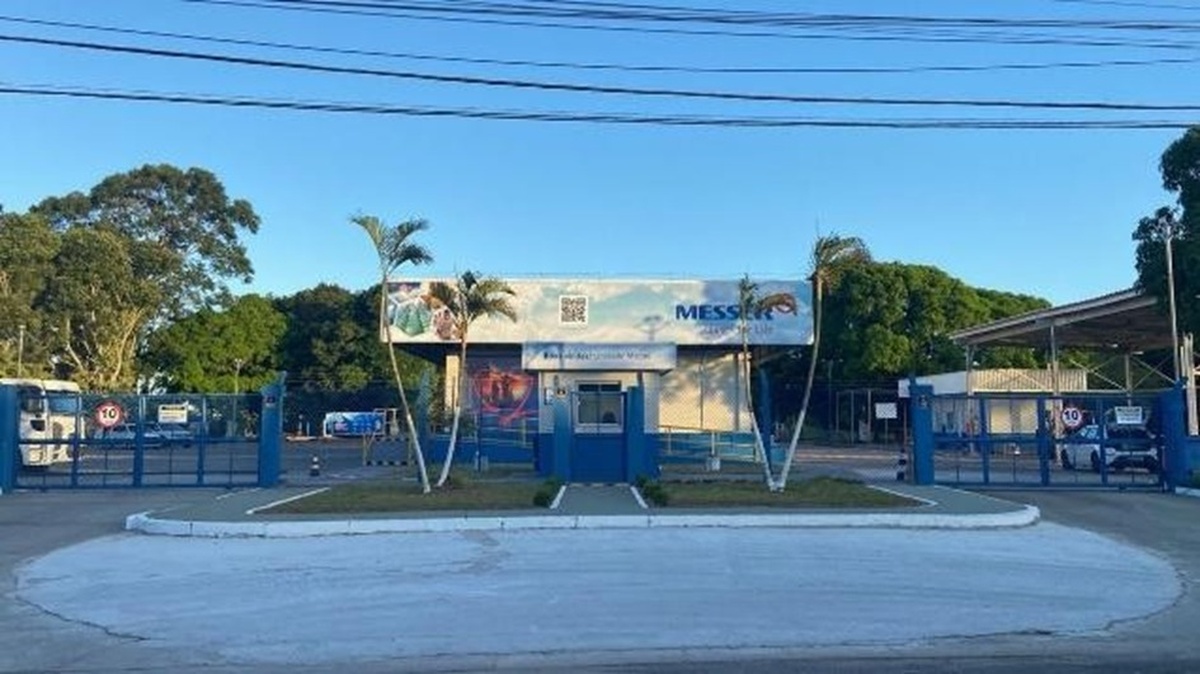
Messer Gases Reopens Branch in Macaé to Serve Offshore Oil and Gas Market in Northern Fluminense with Supply of Oxygen, Argon, and CO₂
-
Offshore Profession Simplified: Comprehensive Guide Reveals How to Trade Common Routine for High Salaries and Long Breaks in Life Aboard in the Oil Sector


In this way, the worker does not need to be totally incapacitated. On the contrary, it is enough that there is a partial and definitive reduction of labor capacity. Furthermore, the amount of assistance does not replace the salary, as it adds to the monthly remuneration, allowing the professional to continue performing their function normally.
The benefit payment occurs until retirement and, in addition, is included in the calculation of future benefit salary, according to applicable social security rules since July 1994.
Requirements for Granting Accident Assistance
To have the right to accident assistance, the offshore worker needs to meet objective criteria. Among the main ones, the following stand out:
• Have suffered a work-related accident or any nature
• Present permanent sequela that reduces labor capacity
• Have received and closed sick leave related to the same event
• Maintain insured status at the time of the request
In this context, consolidated decisions from the Superior Court of Justice (STJ) and the National Uniformization Panel (TNU) reinforce that total incapacity is not required, as long as there is a partial and permanent reduction in working capacity, even when the functional limitation is considered mild.
Risks of the Offshore Environment Reinforce the Importance of the Benefit
The activities performed on offshore platforms, therefore, expose workers to falls, knee and shoulder injuries, continuous physical overload, and occupational diseases associated with repetitive effort or exposure to chemical agents.
Even after medical treatment and return to activities, many professionals remain with irreversible limitations, which affect performance, endurance, or safety in the work environment. In these cases, accident assistance serves as financial compensation, acknowledging the functional loss suffered throughout the work life.
Difference Between Sick Leave and Accident Assistance
Although often confused, the two benefits have distinct purposes. The sick leave is temporary and replaces the salary during the period of incapacity. On the other hand, the accident assistance is indemnity, granted after the consolidation of the sequela, and paid until retirement, even with the worker still active.
In the administrative scope of the INSS, the benefits are identified by the following codes:
• B94 – Accident Assistance related to workplace accidents, resulting from work-related accidents or occupational diseases
• B36 – Social Security Accident Assistance, resulting from accidents of any nature
Calculation of the Amount and Difficulties in Granting
The amount of accident assistance corresponds to 50% of the benefit salary, calculated based on the average of all contribution salaries since July 1994. Thus, a worker with a salary average of R$ 6,000 will receive R$ 3,000 monthly, in addition to their salary.
Although it is a right provided by law, the granting still faces frequent denials from the INSS, often motivated by expert errors, unjustified demand for total incapacity or disregard for the specificities of offshore work. In light of this, workers resort to administrative or judicial channels to ensure the benefit and the retroactive amounts.
Increase in Accidents Reinforces the Need for Information
The rise in offshore accidents in 2024 reinforces the need for clear information, specialized guidance, and social security awareness. The accident assistance, therefore, represents financial support, legal security, and recognition of the extreme conditions faced daily by workers in the offshore sector.
In light of this scenario, the challenge becomes ensuring that this right is effectively applied, promoting social security justice and economic protection for crewed professionals.
Do you believe that offshore workers are fully informed about their social security rights, or is there still a significant information gap in the sector?










Seja o primeiro a reagir!