





 Portuguese
  English
  Spanish
  4 min of reading
  0 comments


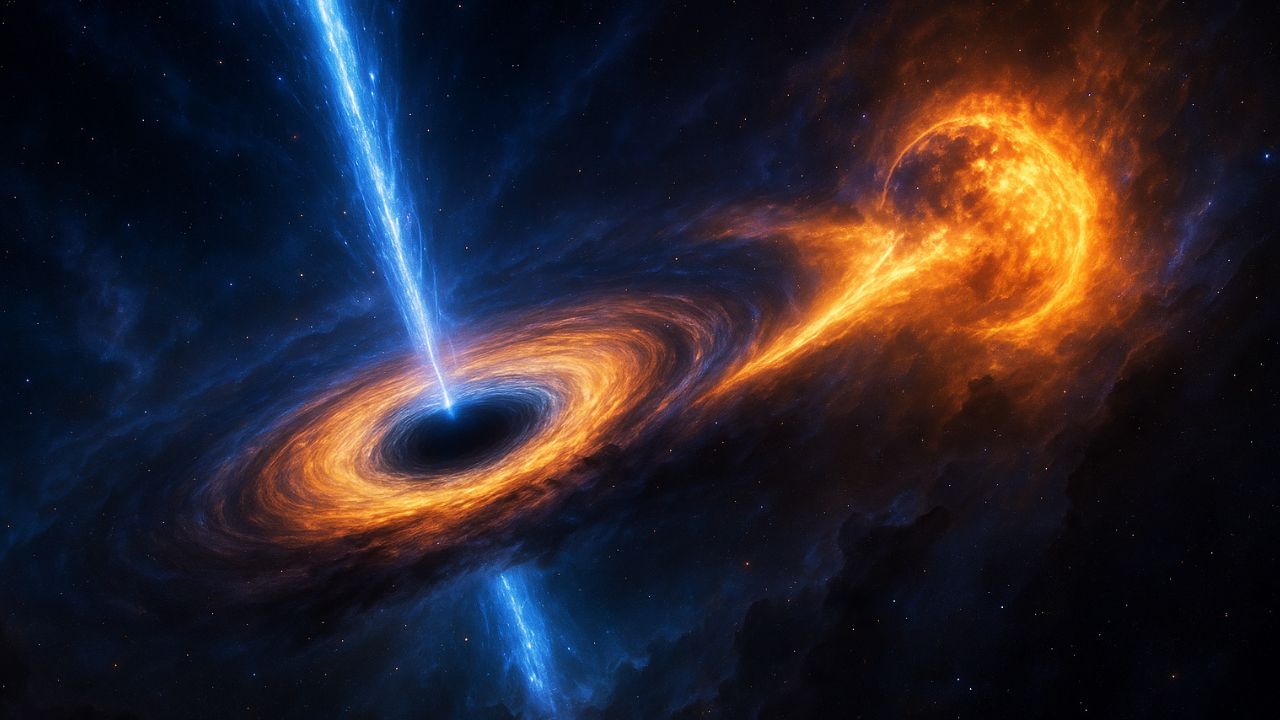
Astronomers Detect Superman Black Hole, Whose Explosion Shone Like 10 Trillion Suns and Could Change What We Know About the Universe.
A colossal explosion detected 10 billion light-years from Earth is redefining scientists’ understanding of black hole behavior.
The phenomenon, nicknamed “Superman”, was triggered by a supermassive black hole that released energy equivalent to the brightness of 10 trillion suns.
The event, considered the largest explosion ever observed in the universe, offers new clues about the presence of giant stars near the centers of distant galaxies.
-
Remains with battle wounds of over 100 soldiers from the Roman Empire are found beneath a football field in Vienna, leaving everyone surprised.

-
Elon Musk notes Brazil and lowers the price of his internet, Starlink, promising to connect all corners of the country with affordable plans, 10,000 satellites, and 1 million active users in the national territory!

-
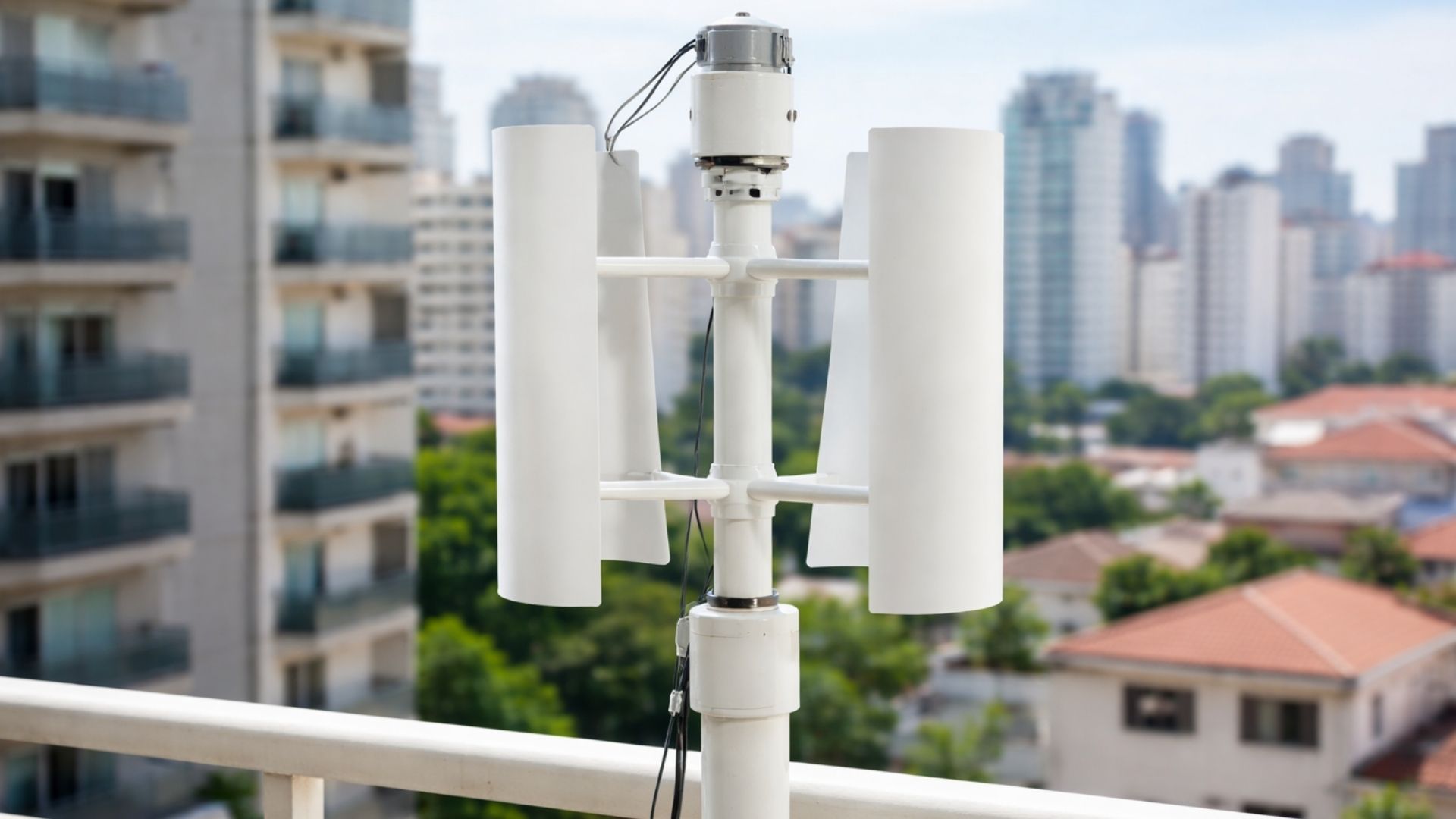
Man creates an infinite source of FREE electricity at home with a PVC wind turbine using a repurposed motor.
-
An aquatic seed consumed for centuries in Asia is going viral in the West after studies highlighted its antioxidant compounds and potential anti-inflammatory properties. It pops like popcorn, has low fat content, and is already being called the new functional snack.


The occurrence was recorded by astronomers in November 2018 and recently confirmed in a study published in Nature Astronomy.
The research led by Matthew Graham from the California Institute of Technology (Caltech) describes Superman as an extreme case that challenges known standards of black hole explosions.
A Black Hole with Stellar Appetite
The phenomenon originated in an active galactic nucleus (AGN) — a compact and bright region at the heart of a galaxy — where a supermassive black hole devours gas and dust that form a rotating disk around it.
As the material is absorbed, it heats up and emits intense radiation, generating the luminous spectacle.
According to researchers, the force of the explosion indicates that the black hole likely swallowed a massive star, equivalent to 30 times the mass of the Sun.
“About 1 in 10,000 AGNs exhibits explosive activity, but this case is so extreme that it represents an event in a million,” Graham explained.
The name “Superman” is not just symbolic: the phenomenon was 30 times brighter than any other similar event ever documented.
The team estimates that the involved black hole has 500 million times the solar mass, making the scale of destruction truly cosmic.
From Common Detection to Extraordinary Discovery
Initially, “Superman” seemed just another bright spot captured by the Zwicky Transient Facility (ZTF) of the Palomar Observatory in the United States.
However, upon revisiting the data years later, scientists noticed unusual changes in the brightness of the object, ruling out the hypothesis that it was a blazar — a type of black hole that jets energy across space.
With the support of telescopes like the W. M. Keck Observatory in Hawaii, the team confirmed that this was an unusual explosion, much more intense than any previously cataloged event.
“This is probably the most massive star ever seen being torn apart by a supermassive black hole,” said astronomer K.E. Saavik Ford, a co-author of the study.
When a Star Becomes a Feast
Astronomers believe the explosion was caused by a tidal disruption event — a phenomenon that occurs when a star gets too close to a black hole and is torn apart by extreme gravity.
Graham compared the scene to a “fish still halfway down the throat of a whale,” emphasizing that the black hole continues to “digest” the star.
The previous brightness record belonged to the event “Scary Barbie,” also observed by the ZTF, but Superman surpassed that feat with an energy 30 times greater.
According to Ford, these episodes reveal that giant stars continue to form and exist in the gas disks surrounding supermassive black holes.
Window into the Heart of Galaxies
The event not only impresses with its intense brightness but also with its scientific impact. The explosion of 10 trillion suns illuminates the relationship between black holes and galaxy evolution.
The light took 10 billion years to reach Earth, allowing astronomers to observe the remote past of the universe.
According to Graham, the phenomenon also demonstrates the effect of cosmological time dilation — in such distant regions, time flows differently due to the expansion of space.
“Seven years here is equivalent to two there. We are observing the event in slow motion,” he explained.
The Scientific Legacy of “Superman”
For scientists, each new detection of a black hole explosion is an opportunity to study the extreme physics of the universe.
Professor Danny Milisavljevic from Purdue University stated that Superman challenges all previous models: “It’s an emerging class of extreme nuclear transients, phenomena we are still trying to understand.”
Meanwhile, astronomer Alex Filippenko from the University of California highlighted the scientific value of the event: “When a supermassive black hole erupts, we have a direct window to observe some of the most powerful forces in the cosmos.”
A New Chapter in the History of the Universe
With the help of modern instruments like the Vera C. Rubin Observatory in Chile, scientists hope to find new events similar to Superman.
These discoveries could help decipher how black holes shape the universe and influence the formation of surrounding galaxies.
After all, by illuminating the cosmos with the brightness of 10 trillion suns, Superman shows that even in the darkest regions of space, there are energy explosions capable of revealing the deepest mysteries of the universe.







-

-

-

3 pessoas reagiram a isso.