





 English
  Francês
  Alemão
  Italiano
  Japonês
  Norueguês
  Portuguese
  Spanish
  4 min of reading
  0 comments


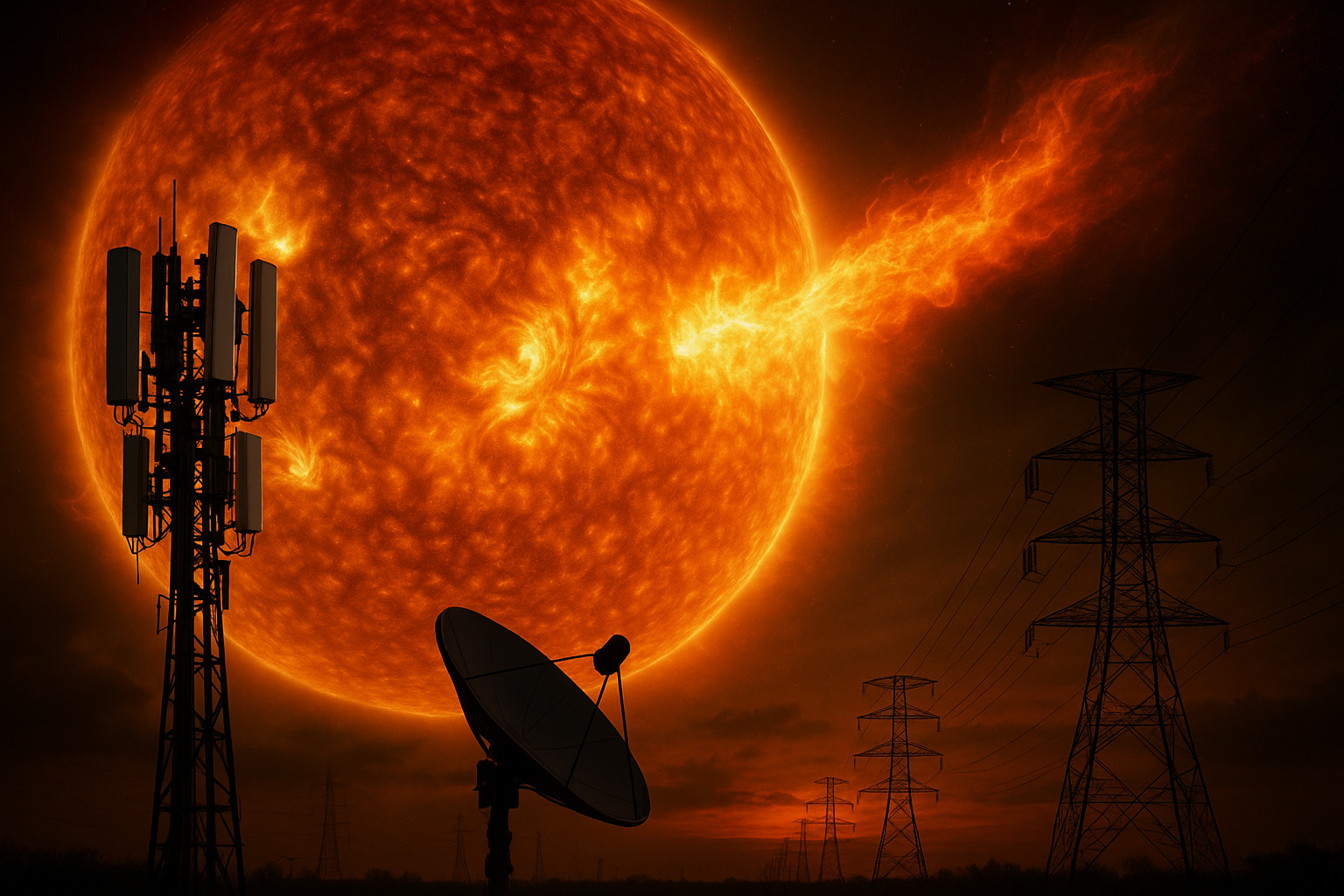
Scientists Warn of Risks in Communications, Satellites, and Power Grids in Light of Escalation of Solar Activity
Solar activity has been high since 2008 and has therefore raised global alarms among experts, as confirmed by NASA in studies published in June 2023 in the journal The Astrophysical Journal Letters. The phenomenon is concerning because it can cause failures in communications, damage to satellites, and instabilities in power grids, in addition to intensely altering space weather.
Solar Cycle Changes Behavior After Decades of Decline
Traditionally, solar activity follows an 11-year cycle. However, between the 1980s and 2008, there was a steady decline in the intensity of this cycle, leading scientists to believe that the sun would enter a prolonged phase of low activity. However, since 2008, the data has indicated the opposite: the sun has regained its strength and has begun to register increasingly intense events.
Furthermore, according to Jamie Jasinski, a researcher at NASA’s Jet Propulsion Laboratory, in an interview with the Independent, “all signs indicated that the sun would enter a low-activity phase. It was surprising to see the trend change. The sun is waking up.” Thus, the phenomenon reversed scientific expectations.
-
Goodbye iron: a common item in households is starting to lose space to technology that smooths clothes in minutes without an ironing board and with less energy consumption.

-
Antarctica reveals an unusual clue high in the Hudson Mountains, and what appeared to be just an isolated rock began to expose a secret hidden under the ice for ages.

-
Salaries of up to R$ 25,000, a shortage of professionals, and exploding demand in 2026 make the no-code automation specialist one of the most sought-after careers in Brazil, even without requiring a degree or programming knowledge.

-
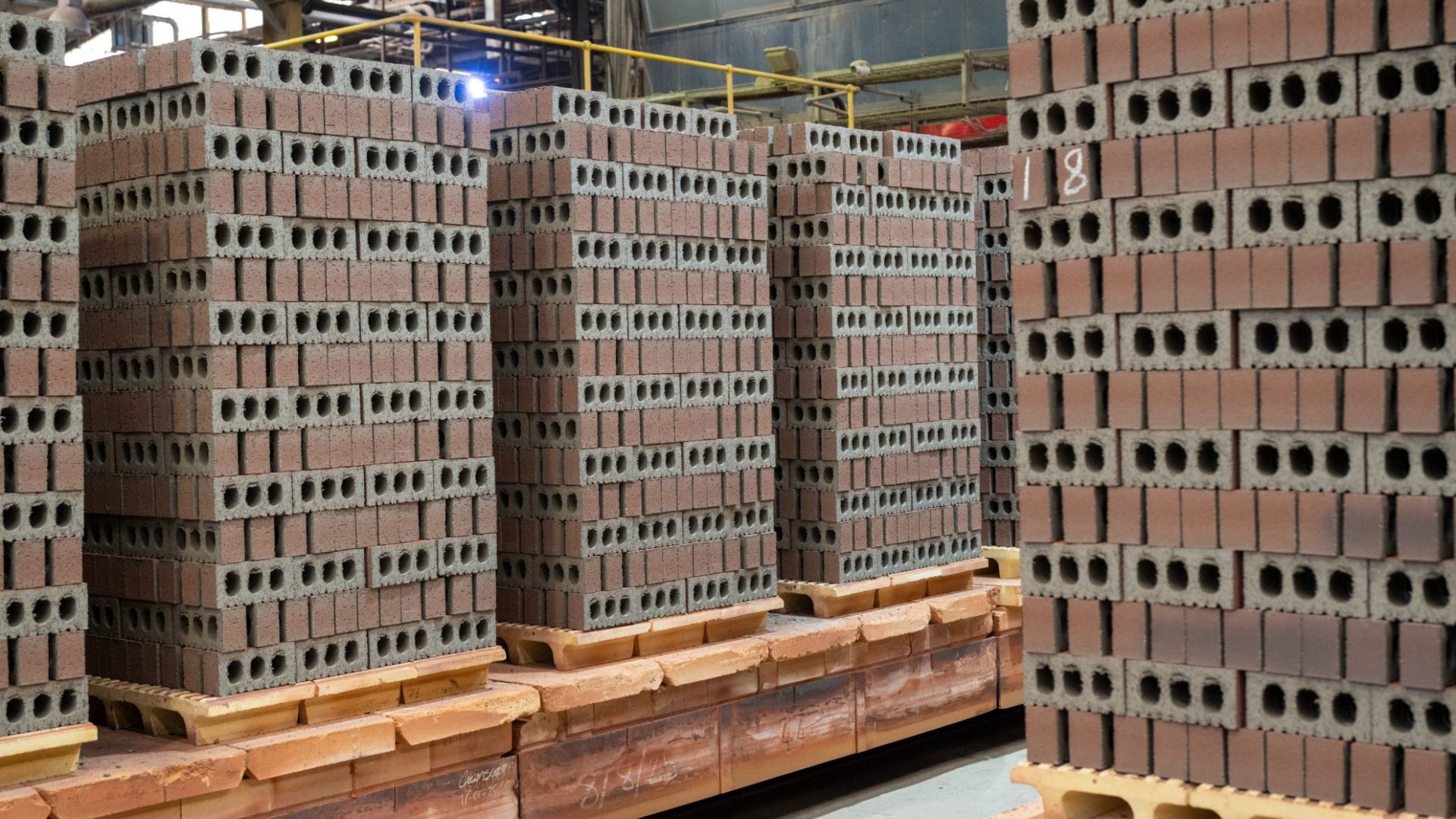
The first commercial-scale hydrogen-powered brick factory will be established.

Direct Impacts of Intensified Solar Activity on Earth
According to experts, coronal mass ejections (CMEs) and solar flares release charged particles that can reach the Earth’s atmosphere and the planet’s magnetic field. Because of this, the following may occur:
- Interruptions in radio transmissions, especially in areas of greater exposure.
- Failures in GPS systems, which directly affect air and maritime transport.
- Risks of permanent damage to satellites, which compromise global communication.
- Temporary outages in electrical power grids, harming entire economies.
- Intense and visible auroras at higher latitudes, known as Northern and Southern Lights.
Consequently, these phenomena have already been observed on several recent occasions, reinforcing fears about technological dependence in a scenario of increased solar aggression.
The History of Solar Silence in the 18th Century
Solar behavior has been monitored since the 17th century. In this sense, between 1790 and 1830, the planet experienced a period of 40 years of low solar activity, when the star remained practically silent. According to Jasinski, “we do not know why the sun went through this minimum for four decades. Long-term trends are still unpredictable.”
Thus, this history shows how solar cycles can change unexpectedly, requiring constant scientific vigilance and adaptation of forecasts.
NASA Bets on New Missions to Understand Space Weather
With the aim of deepening knowledge about the impact of solar storms, NASA will launch two new missions in September 2025. The first is the Carruthers Geocorona Observatory, which will investigate the interaction of solar radiation with the Earth’s atmosphere. The second is the Interstellar Mapping and Acceleration Probe, designed to measure the movement of solar particles through interstellar space.
Therefore, these projects are strategic in the context of the Artemis mission, which aims to take humans back to the Moon after more than 50 years since the last crewed trip in 1972. The safety of astronauts and spacecraft depends on a greater understanding of solar behavior, especially in light of the escalation of solar storms.
Highlights of Increasing Solar Activity
- NASA confirmed in 2023 that the sun has regained strength since 2008, contradicting forecasts.
- Solar flares threaten GPS, satellites, and power grids, increasing technological vulnerability.
- More intense auroras emerge as a visible effect of the phenomenon, attracting global attention.
- Between 1790 and 1830, there were 40 years of solar silence, according to historical records.
- In September 2025, new NASA missions will deepen research on space weather, reinforcing the need for constant monitoring.
Challenges for Science and Society
The intensification of solar activity raises issues of technological, energy, and even geopolitical security. Moreover, countries highly dependent on satellites, such as the United States, China, and members of the European Union, should invest in more robust protection and monitoring systems.
Thus, beyond science, the behavior of the sun directly impacts everyday life, from the accuracy of navigation systems to the stability of the power grids that sustain entire economies.
What do you consider more urgent: to quickly invest in protective technology against solar storms or to prioritize long-term research to understand solar behavior?








Seja o primeiro a reagir!