





 Portuguese
  English
  Spanish
 3 min of reading
  0 comments


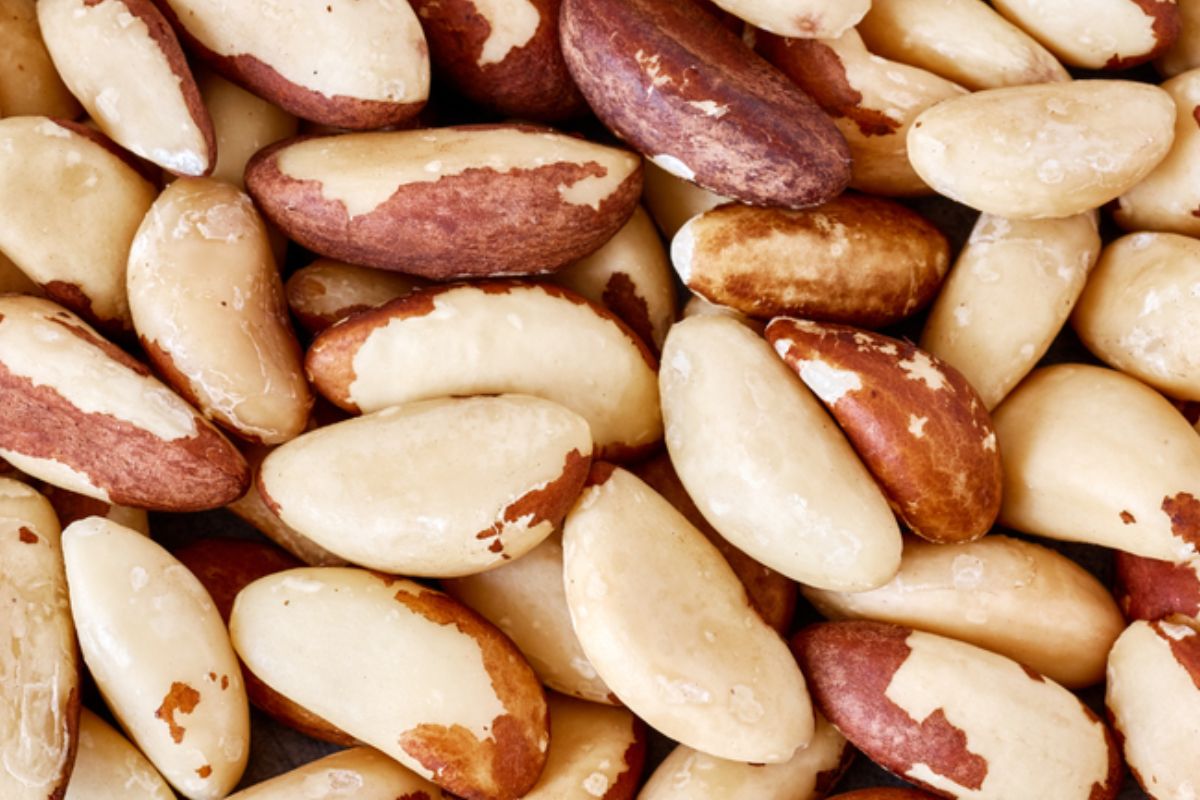
The Brazilian Agriculture Sector Achieves 443 Market Openings and Celebrates the Export of Brazil Nut to Costa Rica, Strengthening Sanitary Agreements, Regional Development, and Sustainable Practices
The export of Brazil nut has gained more international relevance with the recent authorization from Costa Rica to import the Brazilian product, according to a report published.
This achievement represents an important step for the agriculture sector, which has reached 443 market openings since 2023, expanding the country’s presence in 72 destinations.
The inclusion of nuts, with and without shells, strengthens international trade and reinforces sustainability as a competitive advantage for Brazil.
-
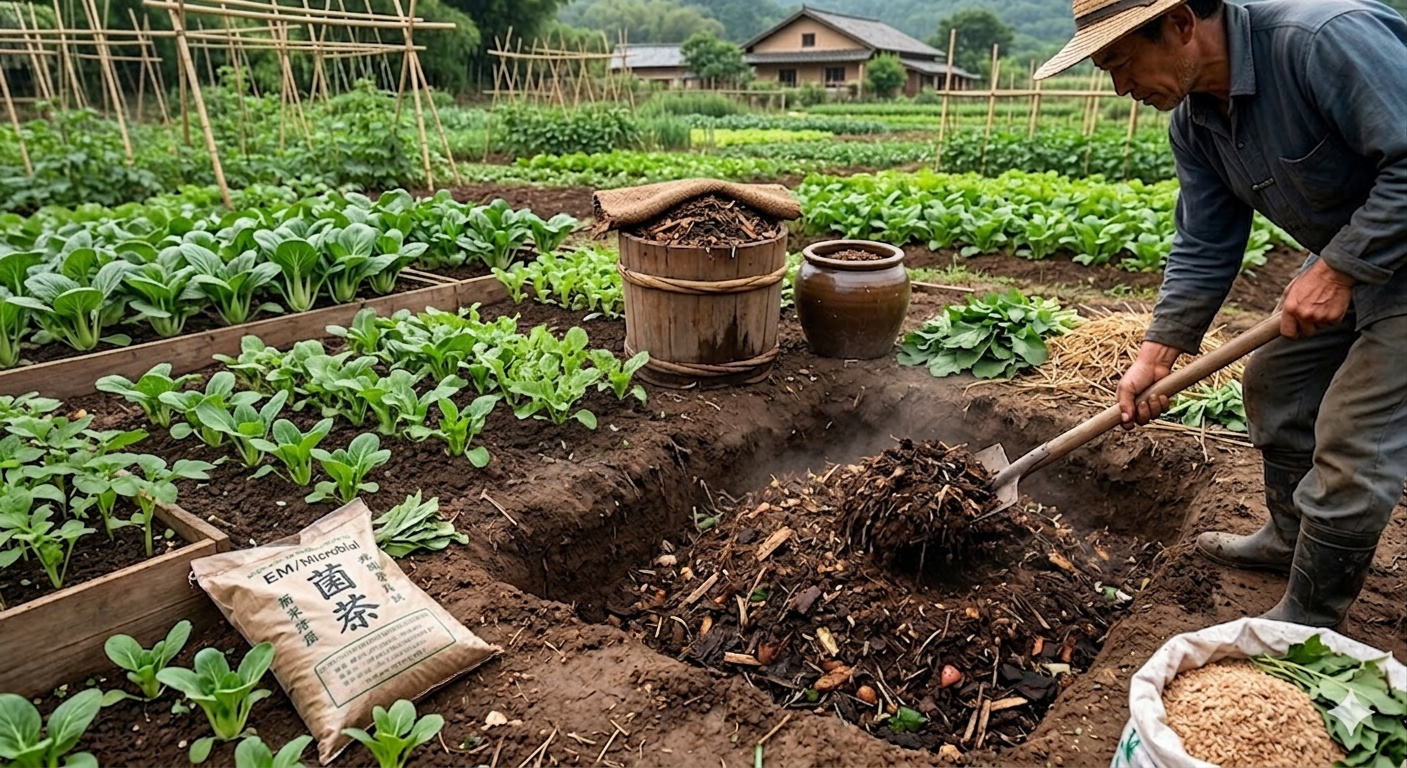
Bokashi, an Asian-origin fertilizer, is formed through the fermentation of husks, organic matter, and microorganisms, gaining traction in agriculture for strengthening beds and accelerating soil life.
-
Money with chickens: how much can 200 laying hens yield per month with eggs at R$ 12 per dozen?

-
As dams and pollution advance, migratory freshwater fish are facing a silent global crisis that has already decimated populations, threatened fisheries, and raised alarms in major basins.

-
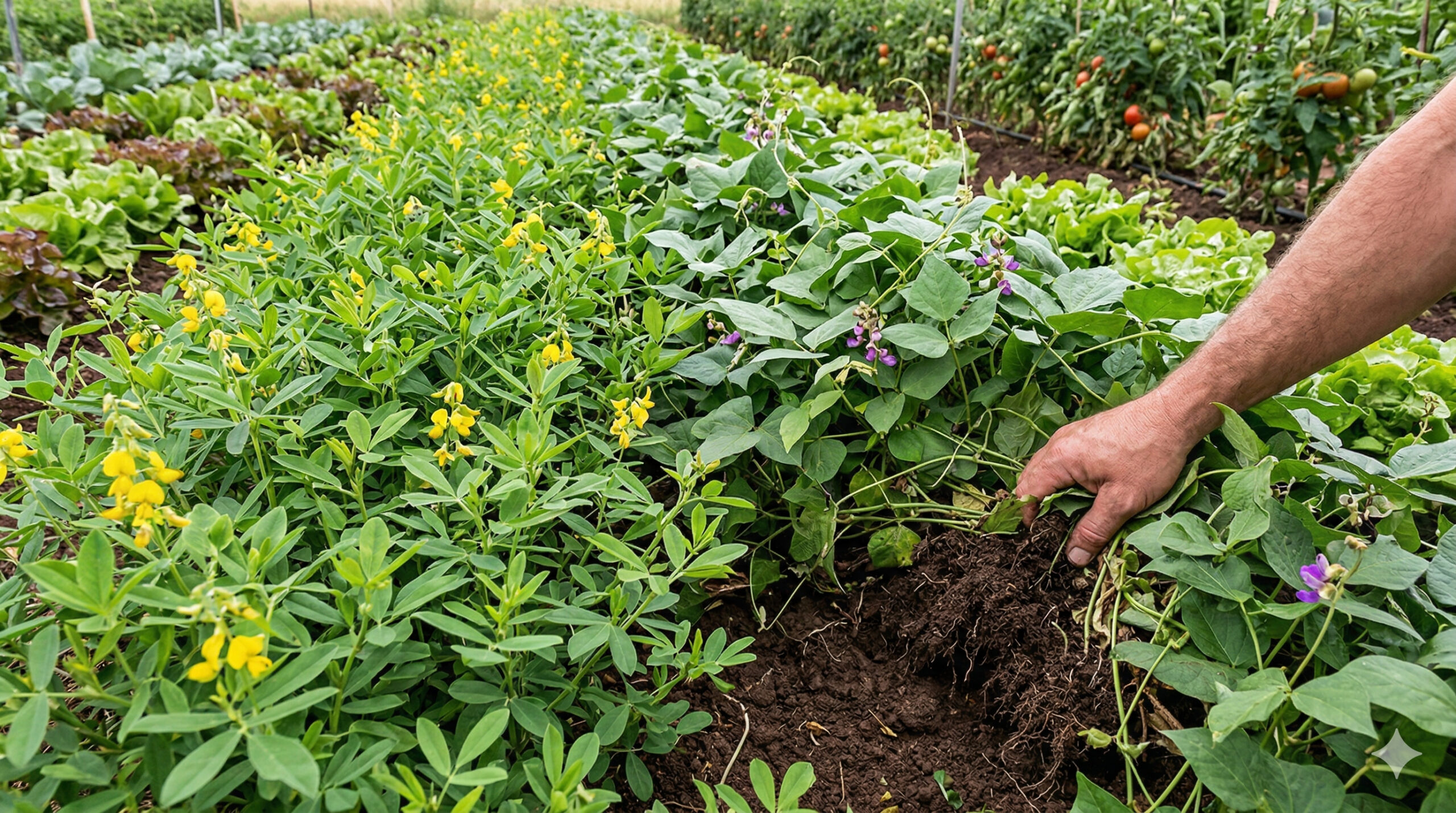
Crotalaria, mucuna, and other cover crops stop being “weeds” between harvests and become central to agriculture by improving the soil, adding biomass, and enhancing green fertilization in vegetable production.

The Costa Rican market generated, just in 2024, over US$ 272 million in Brazilian agricultural imports, mainly of cereals, flours, and soybean derivatives.
Now, the Brazil nut is part of this agenda, expanding the diversification of available products and opening space for extractive communities in the Amazon to strengthen their activities with new consumers.
The economic impact is coupled with environmental value, as the harvesting of the fruit contributes to forest conservation.
International Trade Opens Doors for New Agreements
International trade, by including the export of Brazil nut to Costa Rica, highlights the outcome of sanitary negotiations conducted by the Ministry of Agriculture and Livestock (Mapa) and the Ministry of Foreign Affairs (MRE).
This institutional alignment ensures the necessary confidence for Brazilian products to circulate in different markets.
The new opening expands opportunities and projects constant growth for Amazonian communities, strengthening local productive chains.
Moreover, it drives trade agreements that bring Brazil and Central America closer together, generating greater economic integration and expanding access to consumers concerned with sustainability and nutritional quality.
Sustainability Adds Value to the Product
Sustainability is one of the main differentiators of the export of Brazil nut.
Harvested by traditional communities, production contributes to keeping the forest standing, reducing pressures on deforested areas, and reinforcing the positive image of Brazilian agriculture abroad.
Nutritional studies indicate the nut as a rich source of selenium, proteins, and healthy fats, enhancing its value in the international market.
Thus, in addition to generating income, the product positions itself as an ally of environmental conservation and global food security, factors increasingly decisive in the decisions of importers and consumers.
Regional Development Driven by Agriculture
Regional development gains strength with the export of Brazil nut, as thousands of families in the Amazon depend on this activity to ensure annual income.
It is estimated that each harvest can generate up to R$ 3,000 per collector, a crucial resource for communities operating in hard-to-reach areas.
This inclusion in the Costa Rican market opens new possibilities for sustainable economic growth, increasing the relevance of the product in fair trade programs and international certifications.
Thus, Brazil strengthens its leading position as a supplier of quality food, with a positive social impact.
Consumer Market Seeks Sustainable Products
The consumer market in Costa Rica, aligned with global trends, values sustainable products and traceable origin.
In this scenario, the export of Brazil nut finds fertile ground for expansion, attracting supermarkets, restaurants, and food industries interested in offering differentiated products.
This movement accompanies the diversification of Brazil’s export agenda, reducing dependence on traditional commodities and enhancing the visibility of Amazonian sociobiodiversity.
For Brazil, the strategy represents an image gain, consolidation of diplomatic relations, and strengthening of producer communities.







Seja o primeiro a reagir!