





 Português
  Inglês
  Espanhol
 3 min de leitura



The Operators at the Port of Paranaguá Handling Agricultural Commodity Exports Are Expected to Grow 40% in the First Quarter of 2023 Compared to the Same Period Last Year, With About 7 Million Shipments of Products Such as Soybeans, Soybean Meal, Corn, Wheat, and Sugar, As Announced This Monday by the Port Administrator.
Paranaguá Is Expected to Ship About 3.4 Million Tons of Soybeans This Season, Compared to 3.3 Million Tons in the Same Period Last Year, According to Ports of Paraná, Due to the Anticipated Increase in the 2022/23 Crop.
For Other Agricultural Commodity Exports, Shipments for the Quarter Are Projected at 1.68 Million Tons of Corn, 1.208 Million Tons of Soybean Meal, 670 Thousand Tons of Sugar, and 46.5 Thousand Tons of Wheat.
See the Numbers for Agricultural Commodity Exports
From January to March 2022, 514,120 Tons of Corn Were Exported; 1.34 Million Tons of Soybean Meal; 424,238 Tons of Sugar; and 32,895 Tons of Wheat. According to the Administrator, Projections Are Based on Data from 12 Private Companies and Public Silos (Vertical and Horizontal).
-
São Paulo surprises the world with a colossal railway network project that promises over 1,000 km of tracks, R$ 194 billion in investments, and 40 projects connecting the capital to the interior with fast and sustainable trains.

-
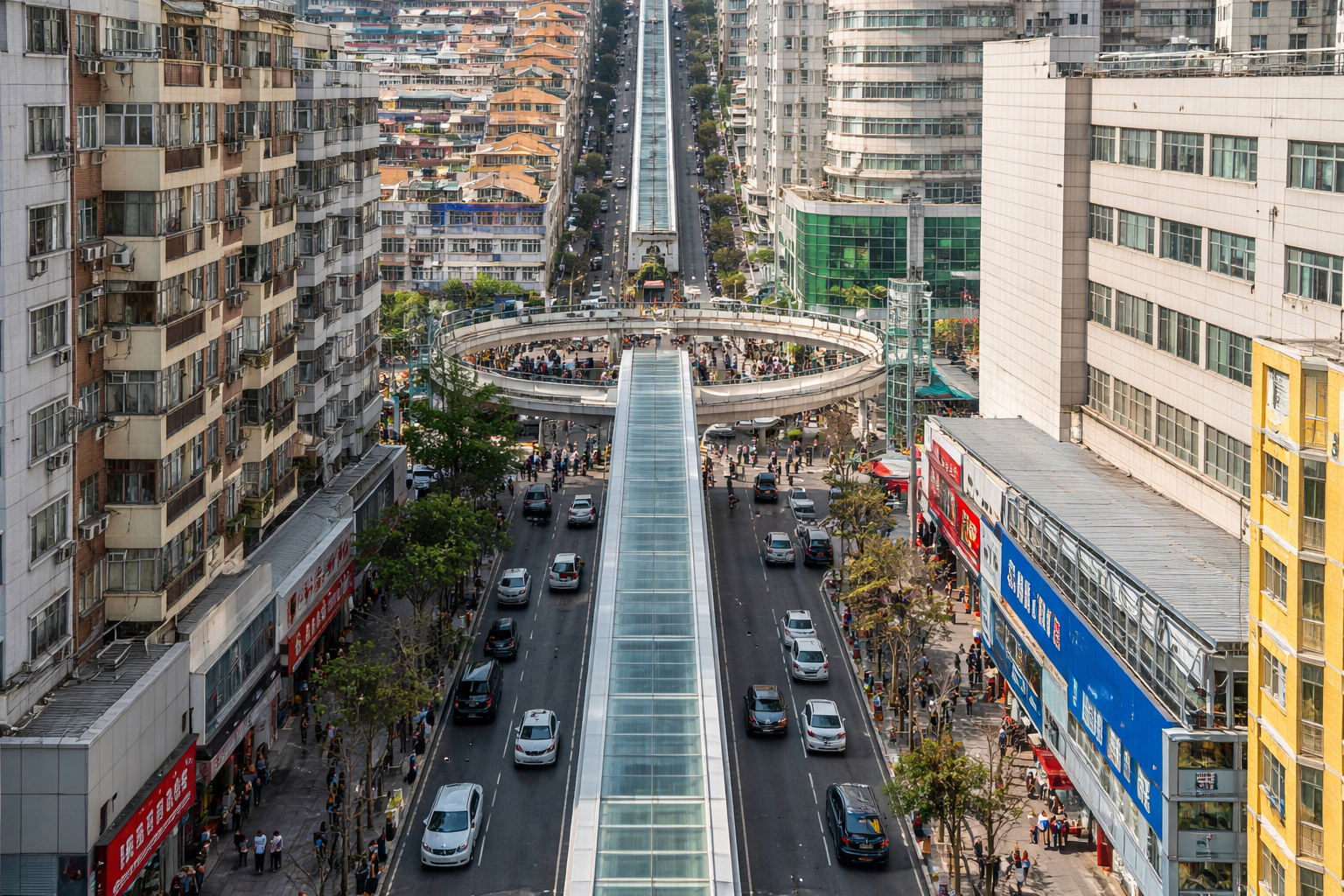
The world’s largest escalator, measuring 905 meters in China, reduces urban travel time from 1 hour to about 20 minutes and transforms mobility in mountainous regions with an engineering solution adapted to the terrain.
-
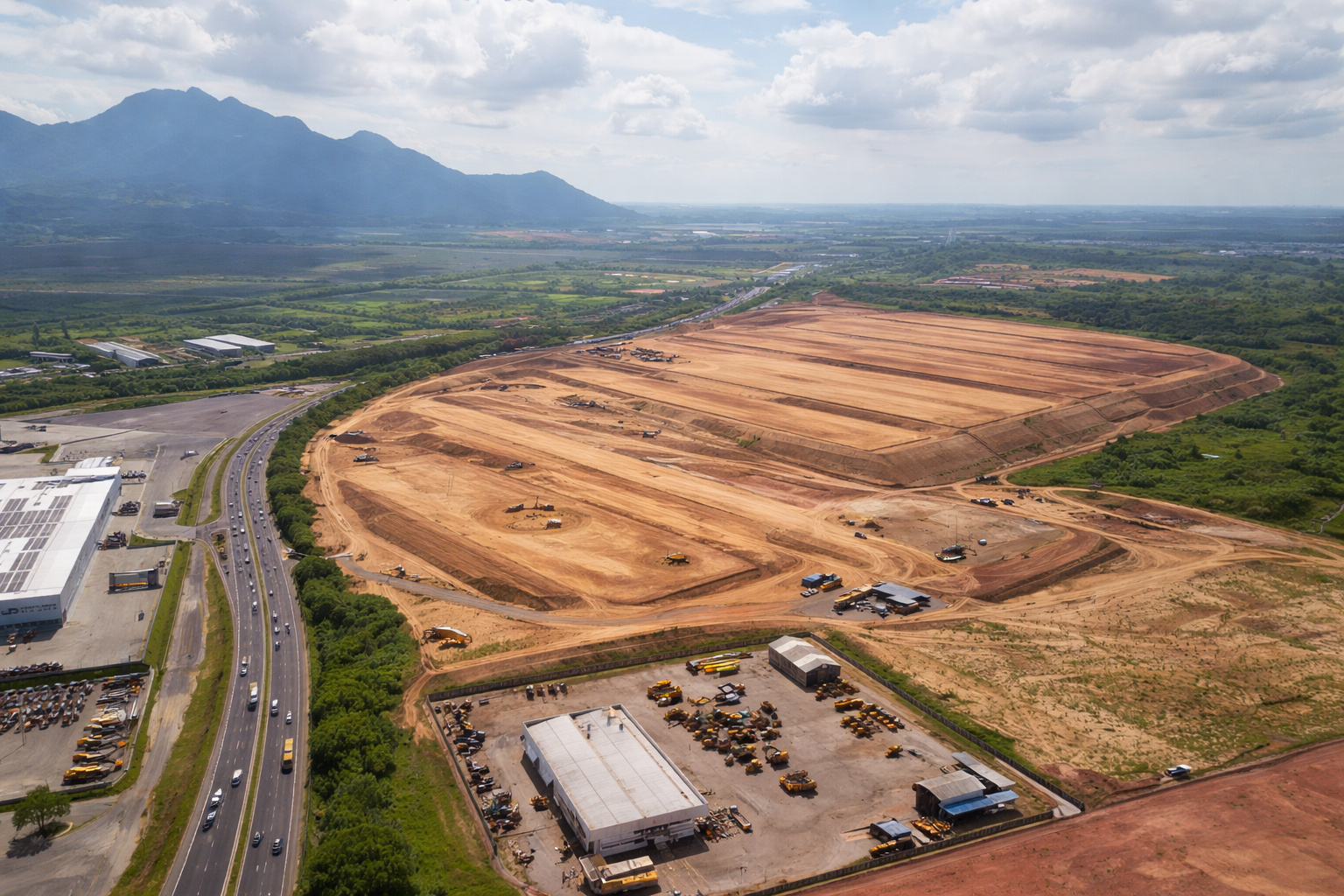
A R$ 300 million logistics giant is taking shape in Serra with over 100,000 m² and raises a question: how can this transform e-commerce and distribution in the state?
-
Could Uber Rides Lose Minimum Fare? Understand What’s Happening!


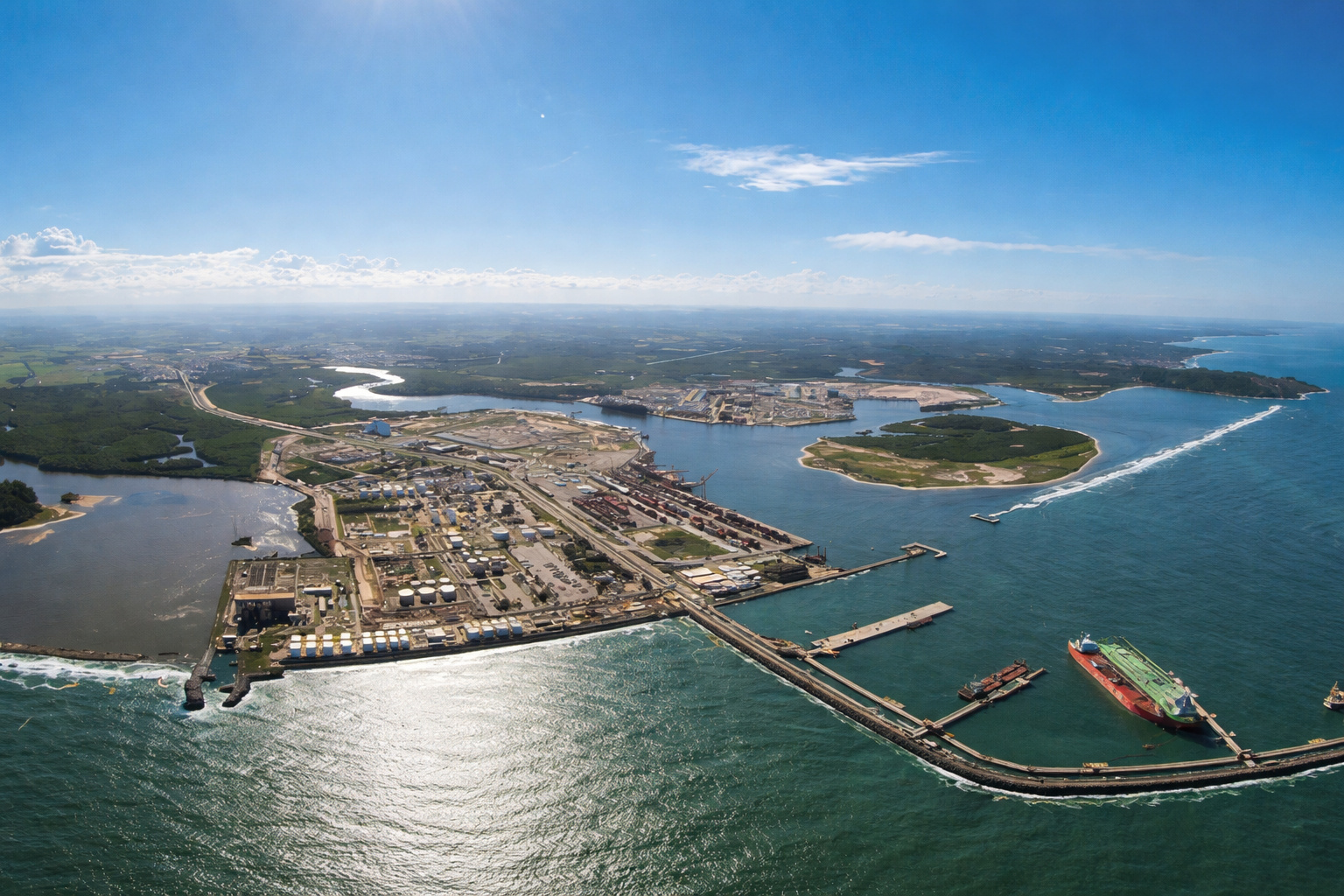
Vegetable Bulk Commodities Are Shipped East and West of the Pier at the Port of Paranaguá by the AGTL, Cargill, Centro Sul, Cimbessul, Coamo (I and II), Cotriguaçu, Interalli, Louis Dreyfus, Rocha, Pasa, Bunge, Cavalca, and Public Silos (Operated by AOCEP).
What Are Commodities?
Commodities Are Products That Are Raw Materials and Can Be Produced on a Large Scale. The Best Way to Illustrate This Is With Examples: Soybeans, Oil, Pulp, Etc. The Most Important Characteristic Is That They Have a Fixed Price, Like a Currency. Therefore, the Great Advantage of Exporting Goods Is Linked to the Volume of Sales. Because They Are the Basic Raw Materials of Industry, This High Circulation Leads to Increasing Volume. Today, Brazil Is a Commodity Power.
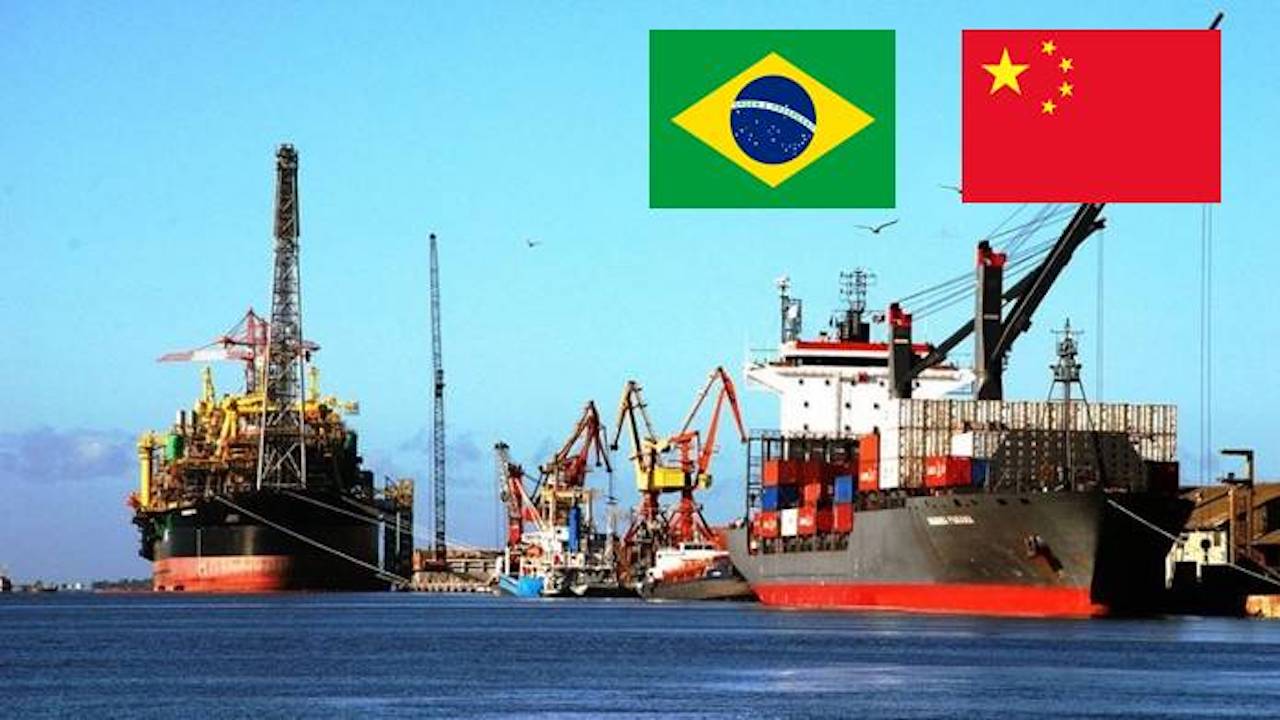
Brazilian Exports in 2018 Reached US$239.89 Billion, While Imports Were US$181.23 Billion, Resulting in a Positive Trade Balance of US$58.66 Billion. The Export Agenda Consisted Mainly of Basic Products, Responsible for 49.73% of Exports. Following Were Manufactured Products, Semi-Manufactured Goods, and Special Operations, With Shares of 36.08%, 12.74%, and 1.45%, Respectively.
The Main Product of Brazil’s Export Agenda Was Soybeans. Grain Exports Accounted for 14% of the Total, and Considering the Exports of Meal, the Share Increased to 16.8%. Grain and Meal Exports Generated a Flow of US$33.19 Billion and US$6.7 Billion, Respectively, in 2018. In Addition to Soybeans, Crude Oil and Iron Ore Also Stood Out, Not Only Among Basic Products but in the Overall Export Agenda, Accounting for 10% and 8.4% of Exports in 2018, Respectively.
Among Manufactured and Semi-Manufactured Goods, None Hold Weight as Much as the Predominant Basic Products. Pulp, the Main Semi-Manufactured Product, Accounted for 3.5% of Total Exports, While Drilling or Exploration Platforms, the Main Manufactured Products, Contributed to 2.4% of Exports.









Seja o primeiro a reagir!