





 Portuguese
  English
  Spanish
 3 min of reading
  0 comments


Imposed Tariff Suspends Exports
The export of organic honey from Piauí to the United States has halted. The new 50% tariff on Brazilian products took effect this month.
The Casa Apis, Cooperative Center for Beekeepers of the Brazilian Semi-Arid Region, confirmed last Sunday, July 13, 2025, that it managed to ship the last batch.
The release occurred after intense negotiations with American buyers. Since then, however, the market has been paralyzed, with no immediate solution.
-
While Russia dominates the global wheat market, Brazil emerges as an unexpected competitor in the Cerrado, offering grain available in July and August when stocks in the Northern Hemisphere are at their lowest point of the year.

-
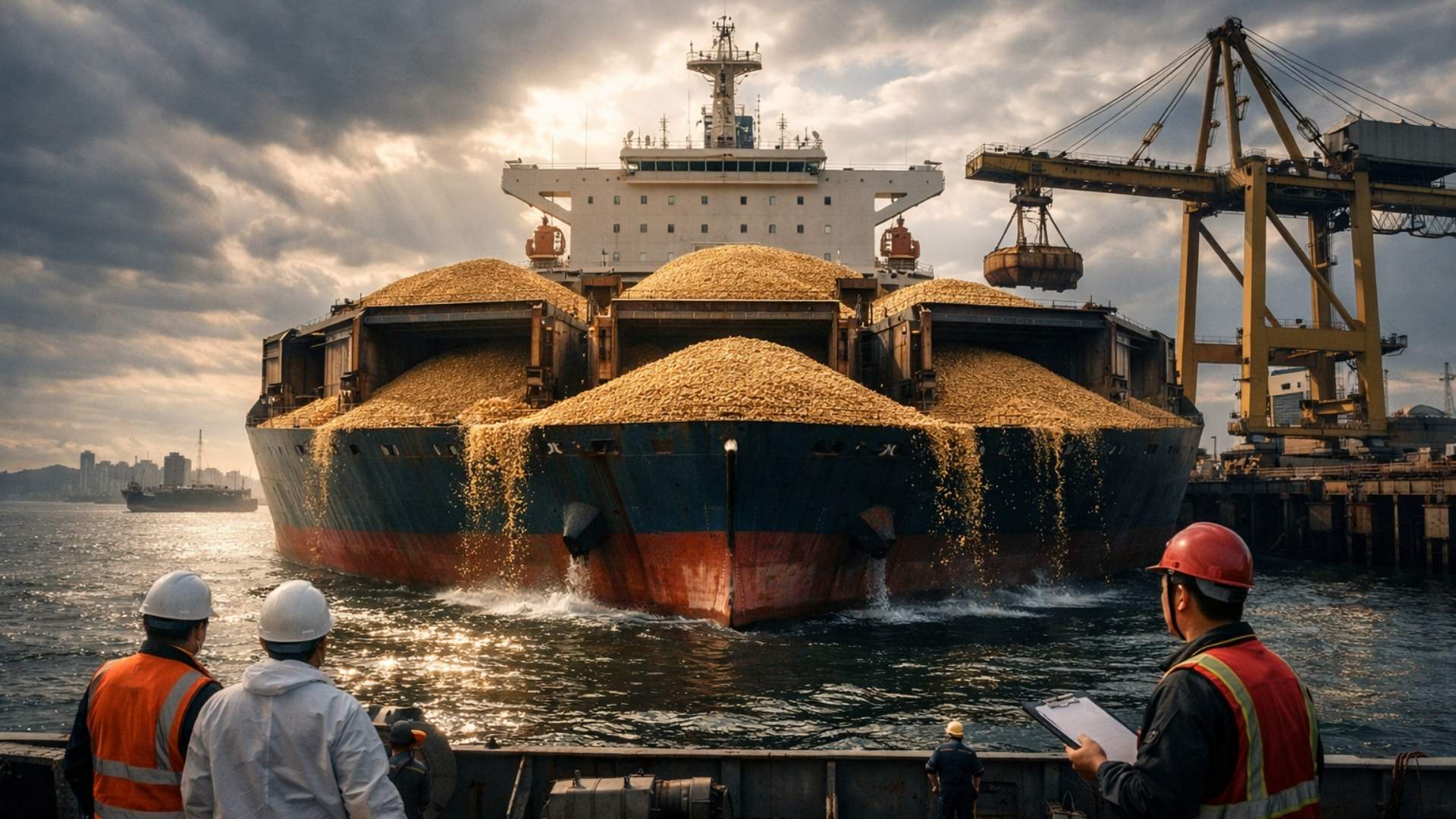
China returned almost 20 Brazilian ships with soybeans, but now everything could change: the country that buys 80% of the grain is considering relaxing regulations after impurities held up shipments of thousands of tons and caused million-dollar losses.
-
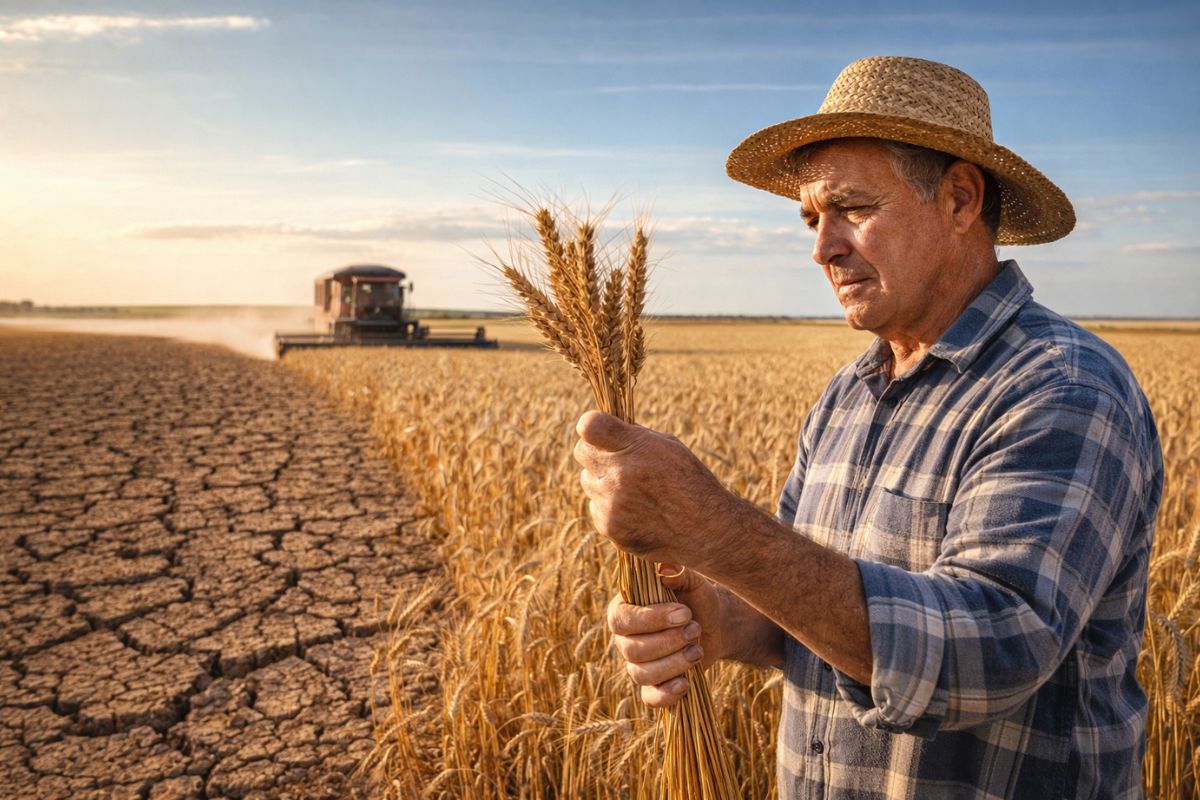
The drought of the cerrado was considered an enemy of wheat, but Brazilian scientists turned the lack of rain into a competitive advantage by creating a grain with quality that is already attracting the attention of international mills around the world.
-
THE OWNER of Brazil: a farmer who came from laundries, created an ’empire’ and today runs a company valued at R$ 42 billion after tripling its value in less than a year and receiving a billion-dollar investment from the USA.


Sitônio Dantas, general director of Casa Apis, stated that American companies are awaiting a solution between the governments to resume purchases.
Despite this, there is frequent dialogue to find alternative solutions. The cooperative’s stocks can store honey for up to two years, which provides some breathing room.
Even so, this timeframe is insufficient to support so many families that depend on this local production.
Producers Feel Immediate Impact
According to Dantas, over 800 families of small farmers depend directly on this export.
The suspension immediately affects the budget of these producers, all of whom are based on family farming.
Casa Apis, located in the northeastern semi-arid region, is a reference in the production of organic honey. This production is distinguished by its quality recognized abroad.
On Friday, July 11, 2025, about 95 tons of honey were held at the Port of Pecém in Ceará.
American buyers canceled the order. The reason was the risk of the shipment arriving in the United States after August 1.
The 50% tariff takes effect on this date. The cooperative managed to release the shipment on Sunday, July 13, after an agreement that transferred the risk to the importers.


Emergency Agreement Avoids Greater Losses
Despite the general suspension, the long-standing commercial relationship was crucial to ensure the shipment of the last batch.
Sitônio Dantas emphasized that if the shipment arrives before the deadline, there will be no tariff incidence.
If not, the American importers have committed to bear the extra cost. This way, the producers will still have immediate financial returns.
This return guarantees part of the production costs in the coming months. Maintaining exports to the United States has thus become unsustainable.
The American consumer will feel the increase in the final price. Therefore, the cooperative is already planning to expand its customer base.
Alternatives May Emerge
Even with diplomatic negotiations between the governments of Brazil and the United States, the beekeepers of Piauí know they need to diversify their clientele.
Casa Apis has intensified contacts with international buyers in Asia and Europe. This opening of new routes may reduce dependence on a single market.
This way, the business becomes more resilient to future tariffs or embargoes. Meanwhile, the honey remains stored, awaiting the evolution of diplomatic discussions.
The entire production chain needs immediate resources to continue operating. Therefore, the effort to make alternative solutions viable does not cease.
Expectation for a Quick Solution
So far, producers, the federal government, and commercial partners remain aligned to reverse this situation that directly affects hundreds of families.
Casa Apis, founded over two decades ago, relies on regular exports for its survival. The cooperative hopes for progress in negotiations by early August.
Thus, the impact can be controlled before it becomes irreversible for so many families.
Despite the uncertainties, the unity among the cooperative, buyers, and government signals hope for the organic honey producers of Piauí.
Even if the tariff remains, the goal is to ensure that the regional agribusiness is not engulfed by such high trade barriers.










Seja o primeiro a reagir!