





 English
  Francês
  Alemão
  Italiano
  Japonês
  Norueguês
  Portuguese
  Spanish
  3 min of reading


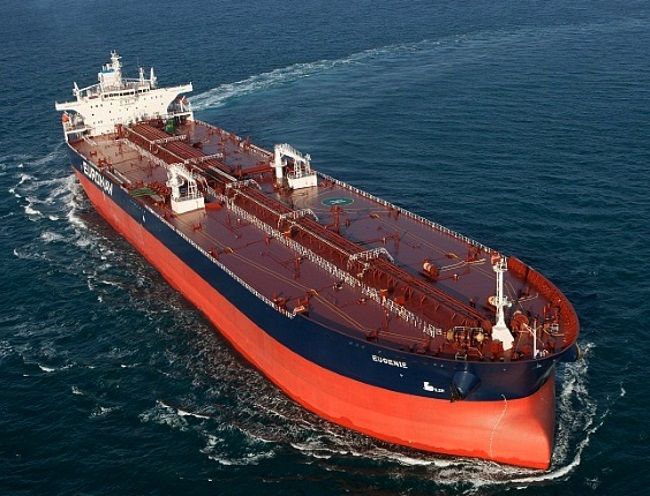
After a Sharp Drop in May, Oil Production Recovered in July, Totaling 3.08Mb/d, Up 11% Compared to the Previous Year
Although the COVID-19 pandemic hit Brazil’s economy hard, oil exports reached record numbers. According to the latest data from the regulator ANP, between January and July, the country exported 316Mb (million barrels), or 1.5Mb/d, an increase of 37% compared to the same period in 2019, which was already a record year for oil exports.
Due to the drop in oil prices, however, oil export revenues fell from US$ 13.9 billion to US$ 12.2 billion.
Oil imports also declined, to 34.7Mb (165,000b/d), or 20.4%, benefiting the oil trade balance, thanks to lower consumption amid quarantines to contain the spread of the coronavirus.
-
Brazilian giant expands borders in the Southeast: Petrobras confirms new oil discovery in ultra-deep waters in the pre-salt of the Campos Basin.

-
Alert in the global energy market: Severe tropical cyclone hits the coast and disrupts gas production at major plants in Australia, threatening global supply.

-
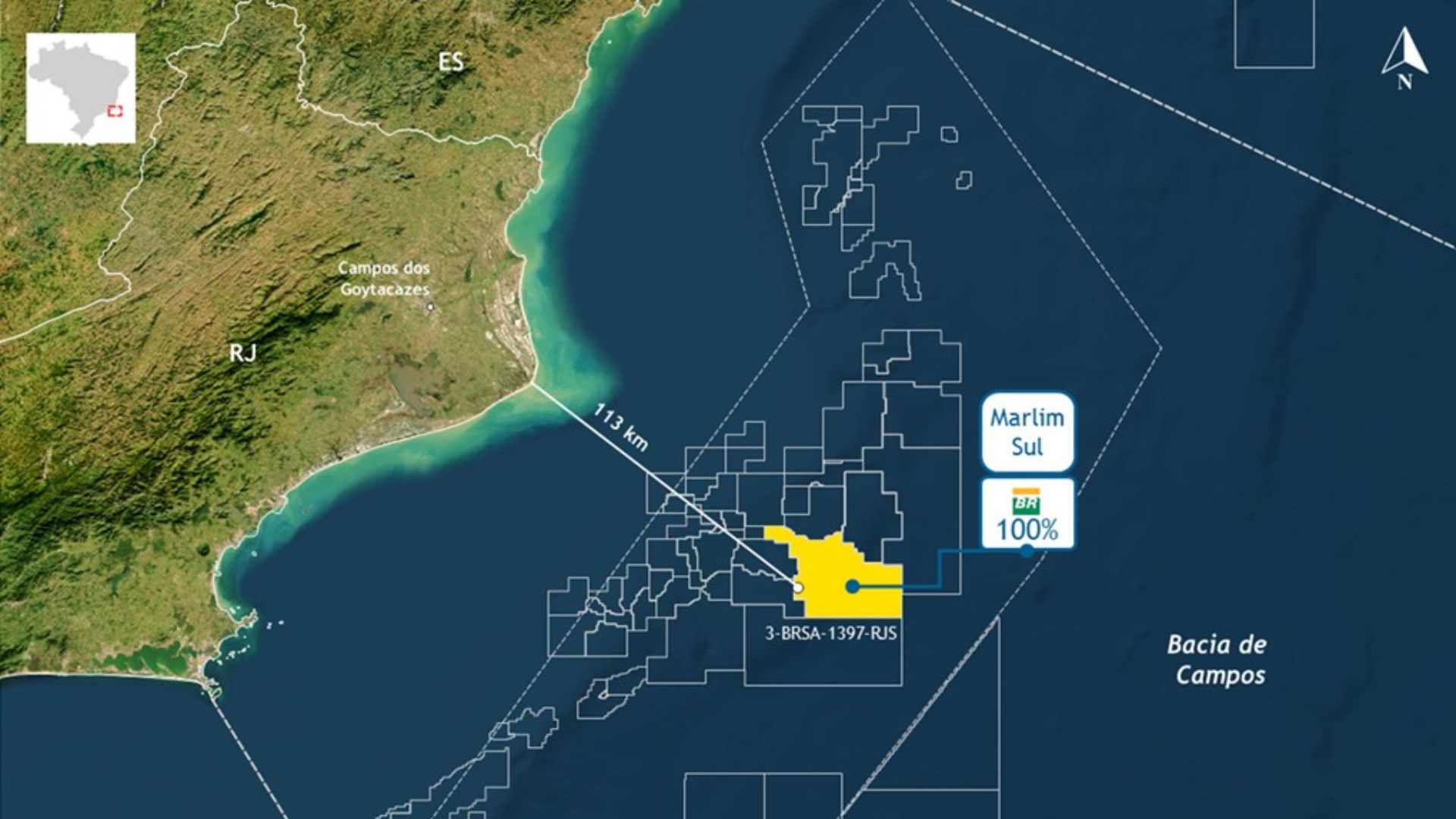
Petrobras finds high-quality oil in the pre-salt at 113 km from RJ and reignites expectations about strategic reserves in the Campos Basin.

-
Ocyan opens registrations for startups focused on innovation in the oil and gas sector and will select projects for Innovation Day with the support of Nexio.


Import spending on oil reached US$ 2 billion, compared to US$ 3 billion in January-July 2019.
Other Related News
- To Build an Offshore Wind Farm, Ceará Signs Agreement with Chinese Wind Turbine Manufacturer
- Port of Santos – Various Job Openings Are Being Offered in the Port Sector This Day 11
- The Largest Brewery in Brazil, Ambev, Has an Open Job Vacancy for Safety Technician in Caruaru
Petroleum product exports were a record 75.8 MB, an increase of 53.7%, but revenues fell to US$ 3.48 billion compared to US$ 3.53 billion a year earlier.
Imports of oil derivatives totaled about 102Mb, a decline of 16%, with total spending of US$ 4.96 billion, compared to US$ 7.9 billion in the same period of 2019.
China’s strategy regarding oil stocks in the first four months of the year, taking advantage of the low price of oil, is one of the reasons for the export growth, said the technical coordinator of the strategic oil studies institute (Ineep), Rodrigo Leão, to BNamericas.
“Moreover, Petrobras has export agreements with China and other countries that ensure international demand for Brazilian oil,” he added. China is the main importer of Brazilian oil.
The growth in oil derivatives is mainly due to Brazil’s competitive advantage in the low-sulfur bunker oil market, whose use has been stimulated by a new International Maritime Organization (IMO) regulation.
Brazil’s advantage comes from the “sweeter” oil from the Santos and Campos basins.
“We were able to quickly convert our refineries to navigation oil, and Petrobras has done a good job in the commercial area, finding demand for a new product that it historically did not have a connection with, finding demand in Singapore, for example,” Leão said.
Leão does not see much room for further export growth, however. “If Petrobras can maintain the current level, that would already be a good performance,” he said, considering that oil consumption has decreased in Europe and the U.S. continues to require less imports due to shale gas and tight oil revolution.
Production
After a sharp drop in May, oil production recovered in July, totaling 3.08Mb/d, up 11% compared to the previous year, and approaching the record level of January, when production surpassed 3.1Mb/d, according to ANP data.









Seja o primeiro a reagir!