





 English
  Francês
  Alemão
  Italiano
  Japonês
  Norueguês
  Portuguese
  Spanish
 4 min of reading


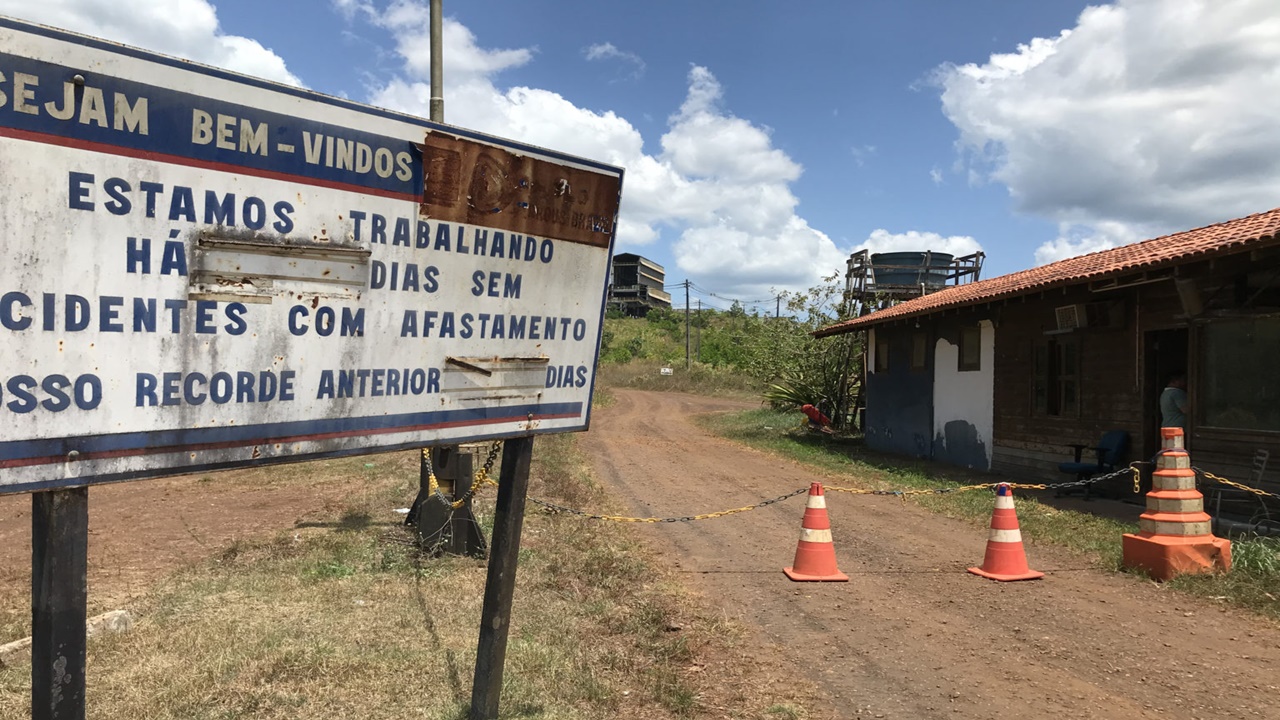
From “Economic Boom” to a City in Misery: Sudden End of Mining in the Amazon Led to Economic Crisis and Unemployed People
Pedra Branca do Amapari, located in the middle of the Amazon rainforest in the state of Amapá, experienced an economic boom from mining between 2007 and 2014, but suffered a tragic history: the collapse of the port of mining company Anglo American in 2013, which left six employees dead and interrupted the economic development of the Amazon, affecting the Amazonian people to this day, according to journalists Abinoan Santiago and Dyepeson Martins from the portal apublica.org.
You Might Also Like
- Together for the Amazon: Ambev, Coca Cola, Nestlé, Petrobras, WEG, and More Companies Unite for Construction of Oxygen Plant
- Subsea 7 Opens in RJ Positions for Candidates Without Experience for Its Internship Program in the Oil and Gas Industry
- Multinational Actemium in Macaé Began Onshore Recruitment and Selection for Many Positions Requiring Elementary and High School Education
The activity, however, was abruptly suspended in 2014, months after the accident. It was the only outlet for mineral production in Amazonas, which made extraction in Pedra Branca unfeasible.
Despite the accident occurring nearly eight years ago, resulting in economic and social damages, mining in the Amazon has left families of the victims mourning to this day.
-
Chinese giant worth nearly R$ 4 billion that manufactures cables for electric cars, solar energy, and robotics wants to open a factory in SC.

-
Many employers do not know, but the law guarantees domestic workers a 25% increase in salary during trips, 50% for overtime, 20% for night shifts, and 17 additional benefits that can lead to labor lawsuits if not paid.

-
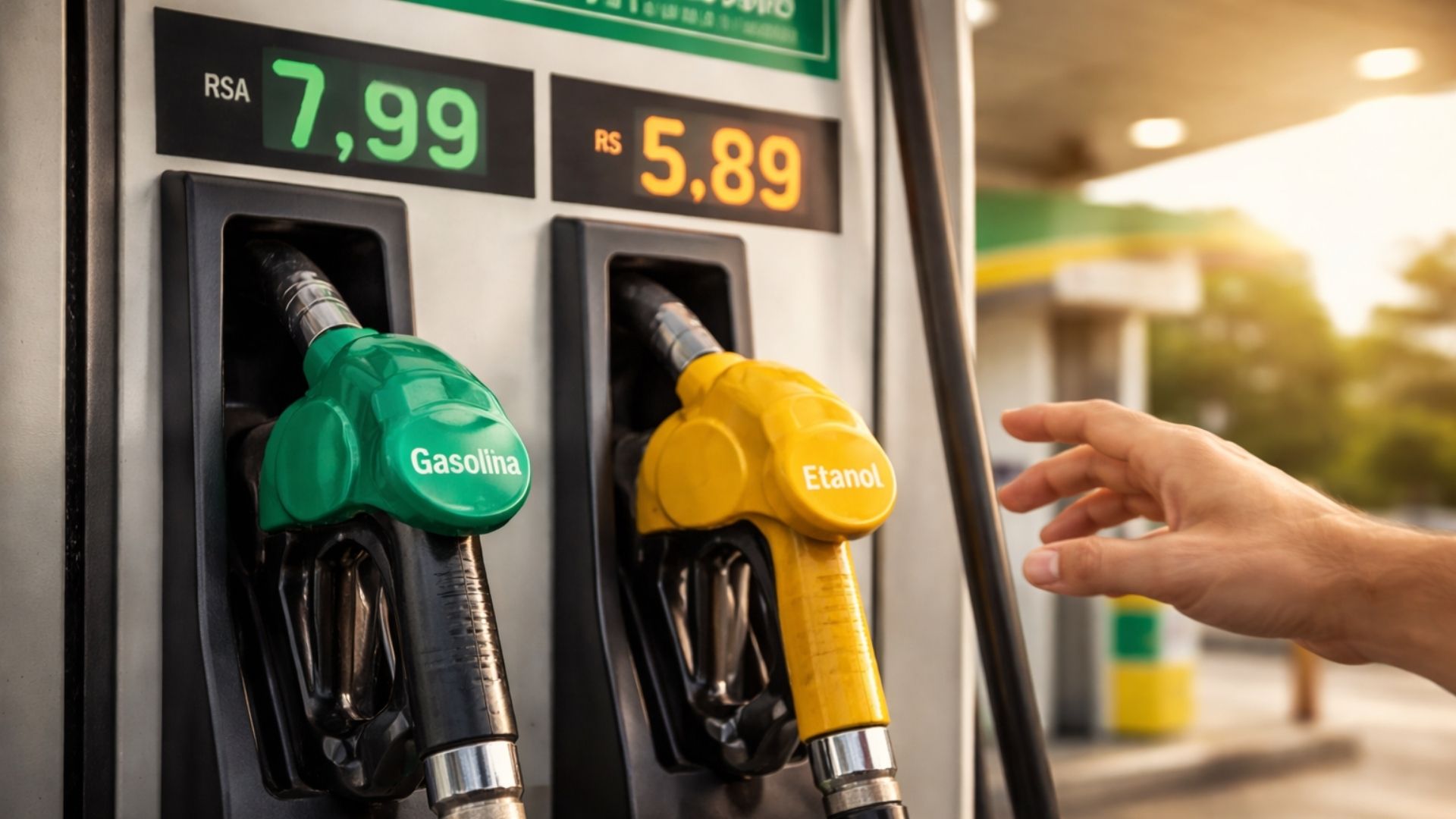
Gasoline prices soar and the question arises: is ethanol more advantageous? The 70% rule reveals the limit with gasoline.
-
The government has made a decision and is starting a test with more ethanol in gasoline, anticipating a mixture of up to 35%, diesel with 25% biodiesel, and a study to assess the impacts on engines.

Mineral Extraction in the Amazon Started by Eike Batista Resulted in Workers’ Deaths and Misery in the Region
The extraction of iron ore in Pedra Branca do Amapari began with former billionaire Eike Batista. Despite the ambitious forecast of 6.5 million tons of iron ore per year, with a lifespan of 20 years, Eike abandoned Amapá, and just one month after the first export in December 2007, he sold the mine, then managed by his company MMX, to the British Anglo American for US$ 5.5 billion.
In March 2013, however, part of the mining company’s loading port collapsed into the Amazon River in Santana, affecting operations. That same year, the Indian company Zamin Ferrous took over the Anglo project. The following year, Zamin suspended extraction, leaving employees unemployed. Today, the Indian mining company is undergoing judicial recovery.
Anglo American justified the sale by claiming that “in a global portfolio review in 2012, the mine in Amapá was considered a non-essential asset in Brazil.” No representative from Zamin – which accumulated a debt of over R$ 1 billion with employees, companies, and banks – was found by the report. A Pública reached out to the company’s lawyers by phone and email but received no response. On the verge of bankruptcy, even the mining company’s website went offline.
The Public Prosecutor’s Office of Amapá (MP) charged Anglo and four of the company’s directors for the deaths of the workers and environmental crimes occurring after the collapse. As explained by prosecutor Adilson Garcia, responsible for the charge, the MP used law 9.605 to hold the company criminally responsible for environmental crimes. According to the charge, the company did not take necessary measures to prevent the tragedy, and the leaders of Anglo had access to studies showing the need for investments in safety at the pier, due to soil instability caused by another accident in 1993. The charge was filed in 2020 and is moving through the 1st Criminal Court of Santana. The process is still in the notification phase, meaning the defendants are being informed about the charges.
From “Economic Boom” to a City in Misery: Sudden End of Mining Led to Economic Crisis and Unemployed People in the Amazon
After the suspension of activities, Zamin left behind a massive structure that helped spur the creation of an “Amapá El Dorado,” true ruins in the middle of the jungle. In the area where the company’s headquarters operated, there is now an environment occupied by weeds, heavy machinery, and scrap metal. The entrance gate has been replaced by pieces of wood placed on top of rusty barrels.
The abandonment transformed the routine of the city, which, after the economic growth driven by mining activities, resulted in a population increase of nearly 300%, jumping from 4,000 to 13,000 inhabitants during the mining cycle from 2007 to 2013.
This directly reflected on the surroundings of the railway. With nowhere to go and unemployed, residents built structures inches from the tracks. Others erected houses where the train should have passed.
At the time, the city hall reported that the miner’s shutdown represented a nearly 35% drop in revenue. A few months later, the situation worsened further with the closure of commercial establishments affected by the financial crisis.
The investment capacity of the Pedra Branca do Amapari city hall, before mining in 2005, was R$ 5 million. It rose to R$ 67 million in 2012 and fell to R$ 47 million in the year following the miner’s departure from the city.
In 2019, the Federal Public Prosecutor’s Office (MPF), the State Public Prosecutor’s Office (MPE) of the Amazon, and Anglo American signed a Damage Composition Agreement for the municipalities affected by the tragedy. They are to receive R$ 47 million for application in education, culture, health, and infrastructure projects.
by – apublica.org










Seja o primeiro a reagir!