





 Portuguese
  English
  Spanish
  3 min of reading
  0 comments


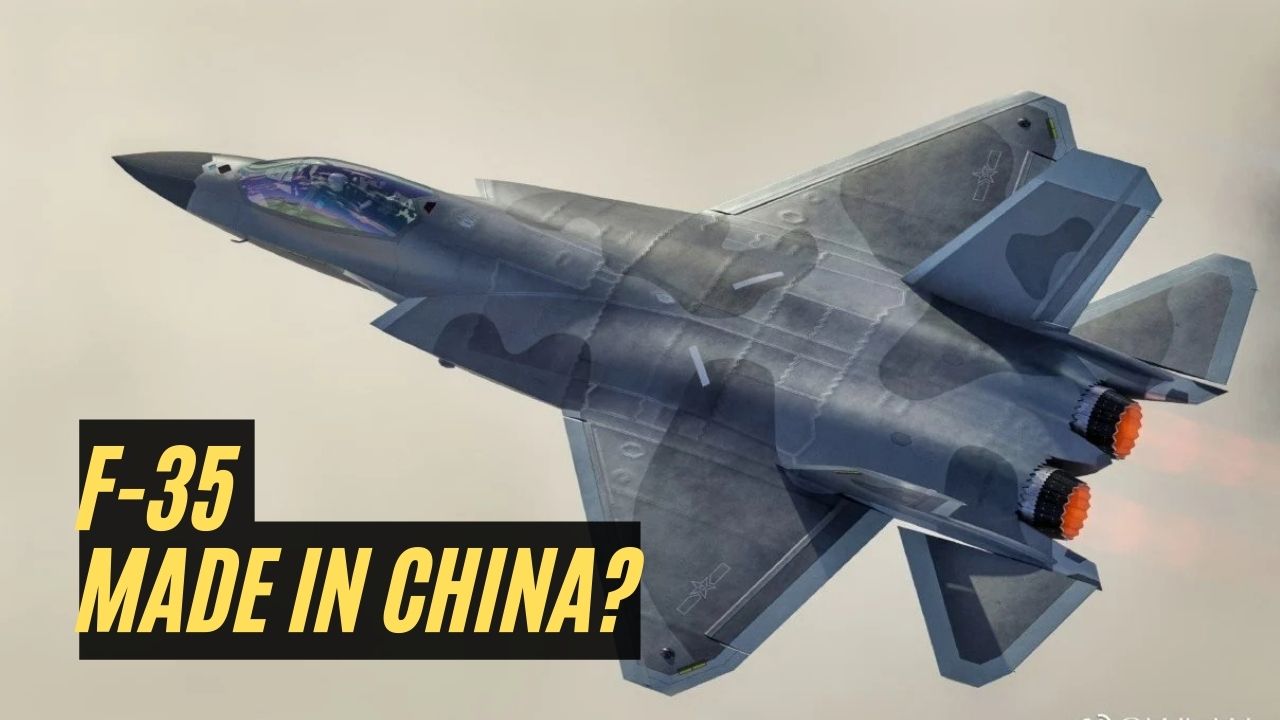
At one of the most anticipated moments of the international aerospace event held in Zai, China, the new fighter J-35A was officially revealed, complete with a flight demonstration. This advancement represents a milestone for the Chinese military industry, as the J-35A, considered the “F-35 of China,” promises to revolutionize the technology and aerial capabilities of the country. The aircraft, which is still in development, had previously been seen in some low-quality unofficial images, but now can finally be observed with greater clarity, generating speculation and global interest about the future of Chinese military aviation.
The J-35A fighter, developed by Shenyang, is classified as a fifth-generation aircraft and brings a number of technological improvements. Visually, the J-35A bears similarities to the American F-35, a point that has already led to accusations of industrial espionage, but also important differences. One of them is the absence of a short takeoff and vertical landing engine, which gives the Chinese fighter a slimmer design, with less weight, but raises questions about its internal capacity for storing weapons and fuel.
One of the most notable features of the J-35A fighter is its refinement in terms of stealth. The serrated engine configurations help disperse radar waves, a sophisticated technology that places it on par with the camouflage capabilities of the F-35 and J-20 fighters. This aspect enhances the competitiveness of the fighter against other air powers and demonstrates China’s progress regarding stealth and camouflage capabilities.
Strategic Plans for the J-35A Fighter
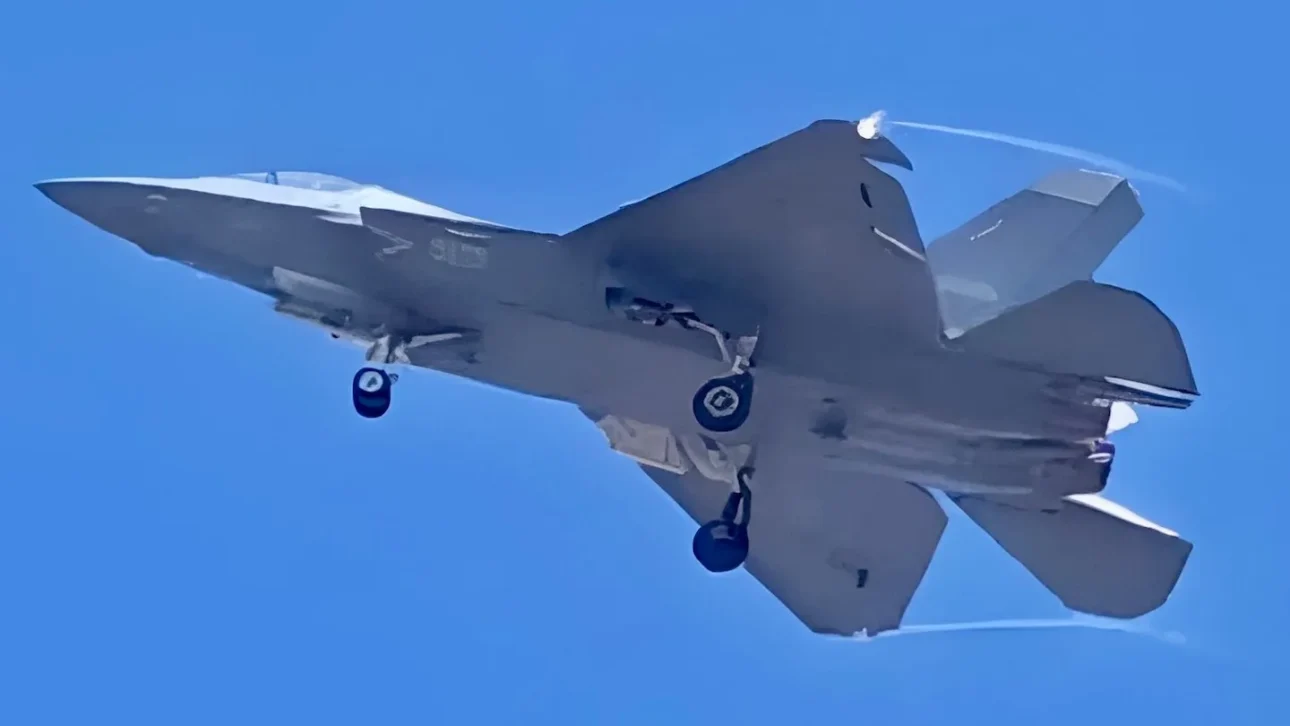
Although the original design of the J-35A fighter was aimed at export, new indications suggest that the Chinese Navy is also expected to adopt an adapted version for carrier operations, aligning it as a low-cost complement to the already known J-20 fighter. This initial version of the fighter, focused on ground operations, has a smaller wing area, which differentiates it from the naval version that has yet to be officially revealed but is expected to be soon.
-
Italian researchers have detected what appears to be a second Sphinx buried under the sands of Egypt, and satellite scans reveal a gigantic underground megastructure hidden beneath the Giza Plateau for over 3,000 years.

-
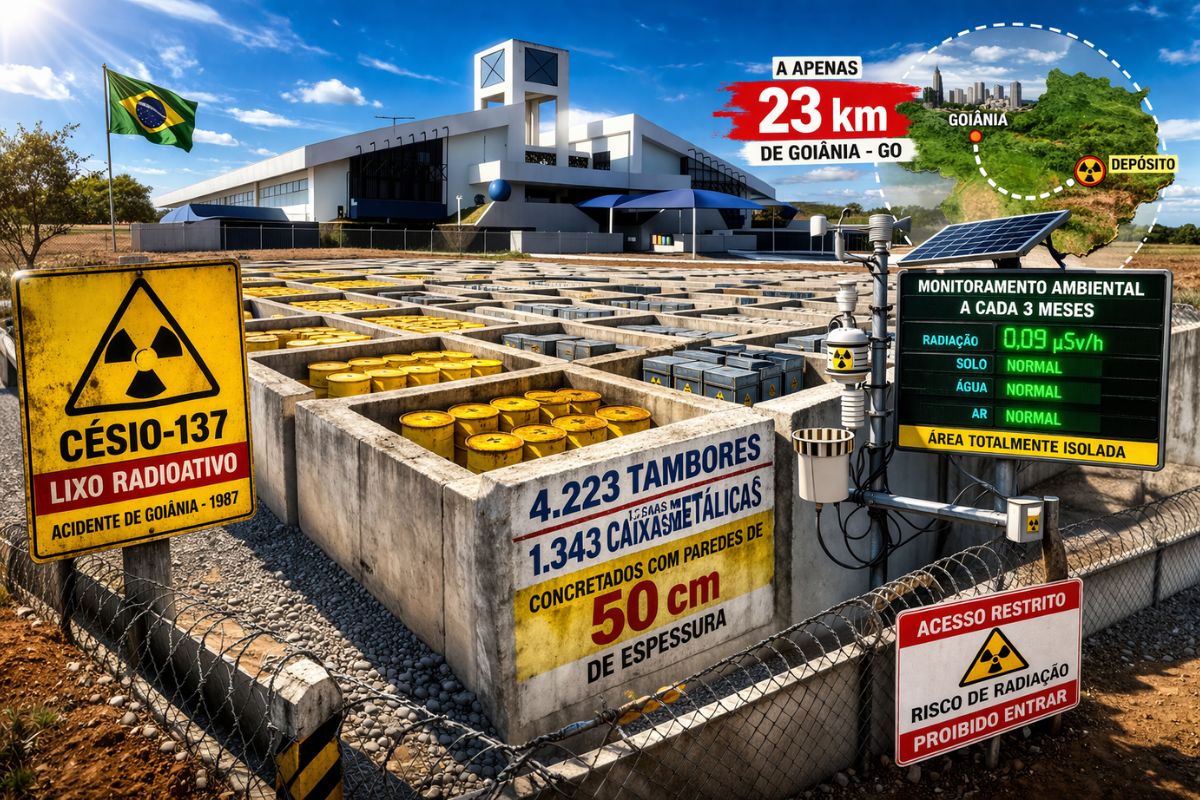
There are 4,223 drums and 1,343 metal boxes concreted with 50-centimeter walls that store the radioactive waste from Cesium-137 in the worst radiological accident in Brazil, just 23 kilometers from Goiânia, with environmental monitoring every three months.
-
Giant Roman treasure found at the bottom of Lake Neuchâtel in Switzerland reveals an advanced trade system, circulation of goods, and armed escort in the Roman Empire about two thousand years ago.

-
He buried 1,200 old tires in the walls to build his own self-sufficient house in the mountains with glass bottles, rainwater, and an integrated greenhouse.


Expectations are that the export version of the J-35A fighter will have a promising international market, especially among countries seeking alternatives to the restrictions imposed by the United States regarding the export of its own fifth-generation fighters.
Unlike the F-35, whose sales are exclusive to a select group of U.S. allies, the J-35A fighter will offer greater operational freedom, attracting the attention of countries wishing to acquire advanced technology without the traditional limitations.
A Significant Advancement in Chinese Military Technology
The advanced stage of development of the J-35A fighter indicates an imminent entry into operation. This aircraft could represent a turning point for China, allowing the country to expand its fleet of fifth-generation fighters in a more accessible and effective way.
With the J-35A, China aims to strengthen its presence in the global military market, offering a viable alternative to the American F-35 and, at the same time, enhancing the capability of its own Air Force.
With the debut of the J-35A fighter at the aerospace event in Zai, China signals to the world that it is willing to compete with global military powers, offering a high-tech stealth aircraft comparable to the F-35.
The revelation of the “F-35 of China” opens new possibilities for the expansion of the Chinese military industry and shows that the country is determined to reach new levels of influence in the aerospace sector. The international community remains attentive to the developments of this launch and the implications it may bring to the geopolitical and military landscape.









Seja o primeiro a reagir!