





 Portuguese
  English
  Spanish
  4 min of reading
  1 comment


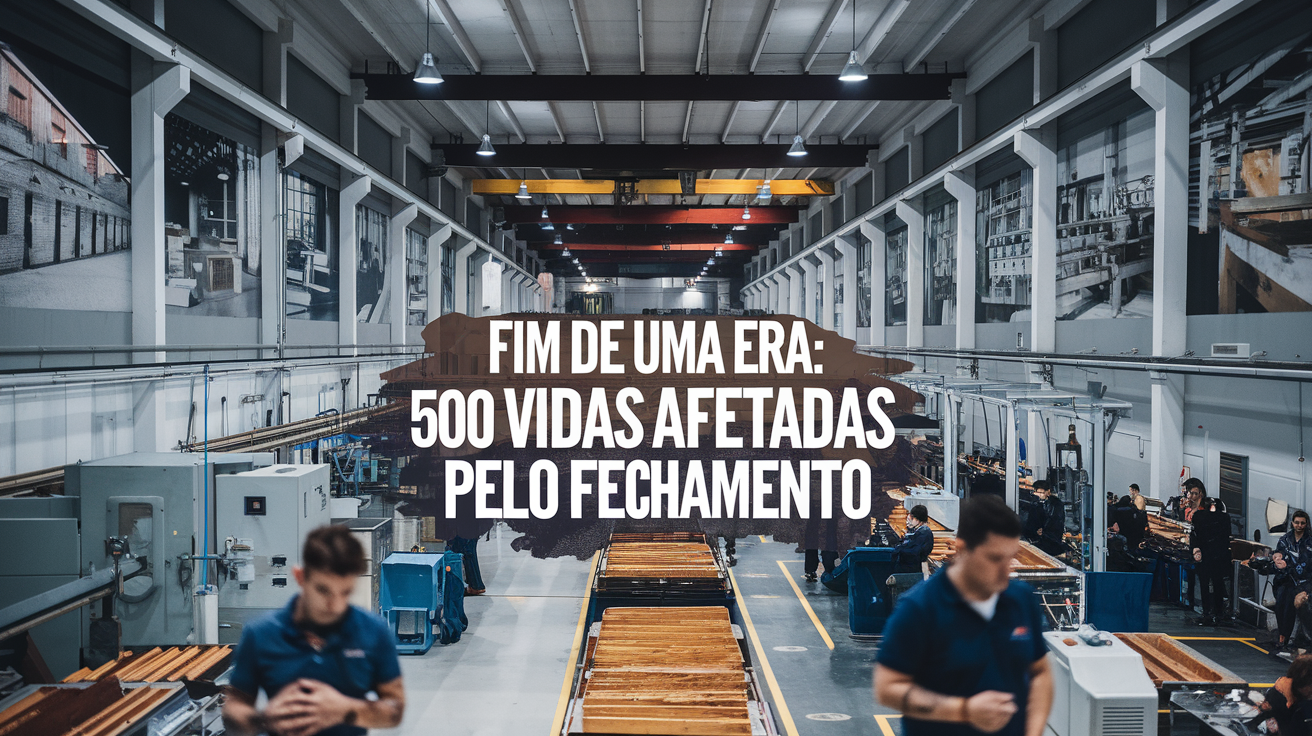


Grupo M. Dias Branco Closed Its Factory in Lençóis Paulista, Resulting in the Dismissal of Approximately 500 Employees. The Company Justified the Decision as Part of a Restructuring to Optimize Costs and Operational Efficiency.
Amid the industrial transformations that mark the Brazilian Food Sector, a recent piece of news draws attention to the challenges faced by traditional companies in times of restructuring and the pursuit of efficiency.
The strategic movement of one of the country’s largest conglomerates reflects not only internal changes but also significant impacts on local communities and the regional economy.
Closure of the Factory in Lençóis Paulista
Last January, Grupo M. Dias Branco, known for brands such as Adria, Piraquê, and Fortaleza, announced the closure of its manufacturing unit in Lençóis Paulista, in the interior of São Paulo.
-
The government requests the Federal Revenue Service for a new system to automate the income tax declaration, reducing errors, time, and bureaucracy for millions of Brazilians.

-
Pix in installments, international Pix, and contactless payment without internet: the Central Bank revealed the new features coming to the tool that is already used by almost every adult in Brazil.

-
Mercado Livre has just started selling medications with delivery in up to three hours to your door, and this move could completely change the way Brazilians buy medicines on a daily basis.

-
In Dubai, rising tensions from the war in the Middle East are causing super-rich individuals to leave the Gulf and direct their fortunes to a new financial refuge in Asia.


This decision resulted in the dismissal of approximately 500 employees, causing concern among workers and the local community.
The company justified the measure as part of a restructuring strategy aimed at optimizing costs and improving operational efficiency.
History of the Deactivated Unit
The Lençóis Paulista factory has a history marked by various transitions. Founded in 1960 under the Zabet brand, the unit gained prominence in cookie production.
In 1997, it was acquired by the Argentine conglomerate Socma, led by former president Mauricio Macri.
Later, in 2003, Grupo M. Dias Branco incorporated the plant into its portfolio, consolidating its presence in the national food market.
Economic and Social Impacts
The closure of operations at the factory brought significant consequences for the local economy. The mass dismissal directly affected hundreds of families who depended on the jobs created by the unit.
Additionally, local commerce and services felt the decrease in income circulation, highlighting the interdependence between industry and the local socioeconomic fabric.
To mitigate the negative effects, the company announced a benefits package for dismissed employees, including special indemnities and professional training programs aimed at facilitating the re-employment of these workers in the market.
Redistribution of Production
With the closure of the Lençóis Paulista unit, Grupo M. Dias Branco plans to redistribute production to its other 21 factories spread across the country.
These units are located in states such as São Paulo, Bahia, Ceará, Paraíba, Paraná, Pernambuco, Rio de Janeiro, Rio Grande do Norte, and Rio Grande do Sul.
The company believes that this relocation will allow for more efficient logistics, reduction in operational costs, and greater agility in the distribution of its products, strengthening its competitiveness both in the domestic and international markets.
Trajectory of Grupo M. Dias Branco
Founded in 1953 by Manuel Dias Branco, the group evolved from a family business to the largest manufacturer of cookies and pasta in Latin America.
Over the decades, it expanded its portfolio through strategic acquisitions, incorporating renowned brands such as Vitarella, Richester, Fit Food, Frontera, and Smart.
Furthermore, the company is publicly traded, with shares traded on the B3, reflecting its relevance in the national economic landscape.
Prospects for Lençóis Paulista
With the deactivation of the factory, uncertainty arises about the future of industrial facilities in the city. The city hall of Lençóis Paulista is evaluating alternatives to attract new investments that could generate jobs and revitalize the local economy.
Meanwhile, former employees are seeking new opportunities, relying on the support of training programs offered by Grupo M. Dias Branco and regional institutions.
The situation highlights the need for public policies and private initiatives that promote economic diversification and the resilience of communities in the face of industrial transformations.
Challenges and Adaptations in the Food Sector
The decision of Grupo M. Dias Branco reflects broader trends in the food sector, where companies are constantly seeking to optimize their operations in response to market demands, technological advances, and economic pressures.
While such restructurings may strengthen the competitive position of corporations, they also raise questions about corporate social responsibility and the role of companies in the sustainable development of the communities in which they operate.
Frequently Asked Questions
Why was the cookie factory closed?
Grupo M. Dias Branco decided to close the unit’s operations as part of a strategy to increase operational efficiency and reduce costs.
How many employees were dismissed?
Approximately 500 workers lost their jobs with the factory closure.
Where will the production from the factory be transferred?
Production will be redistributed among the other 21 units of the group, located in various Brazilian states.
Did the employees receive any support after the dismissal?
Yes, the company offered a benefits package, including special indemnities and professional training courses to assist with job placement.
Who owned the closed cookie factory?
The unit originally belonged to the Zabet brand. It was later acquired by the Argentine conglomerate Socma and, in 2003, incorporated by Grupo M. Dias Branco.








Assim funciona a economia, o empregado se dedica, trabalha, considera a empresa sua segunda casa, os grandes empresários elogiam, dizem que pode empregados são essenciais para a empresa, que tudo está bem e depois demitem todos e fecham a unidade.
Os donos otimizam a operação, ficam mais ricos e os trabalhadores ficam mais pobres.
Sugestão aos empregados demitidos: juntem-se, montem uma cooperativa e comecem a produzir biscoitos melhores. Sejam rápidos, o dinheiro da indenização acaba em poucos meses. Procurem o SESI, BNDS, ICL, vocês conseguirão ajuda. Tem espaço para crescer. O mercado está carente de produtos.