





 Portuguese
  English
  Spanish
  3 min of reading
  35 comments




China Promised US$ 12 Billion Factory, Bioceanic Railway, and 100,000 Jobs in Brazil. Grand Announcements, But Without Execution, Frustrated Expectations. What Does the Future Hold for These Billion-Dollar Promises?
Grand Announcements, Billion-Dollar Figures, and Promises of Economic Transformation.
During historic meetings between authorities from Brazil and China, the speeches were filled with optimism and grand projections.
But, behind the glamour, one question persists: where are the concrete results of these commitments?
-
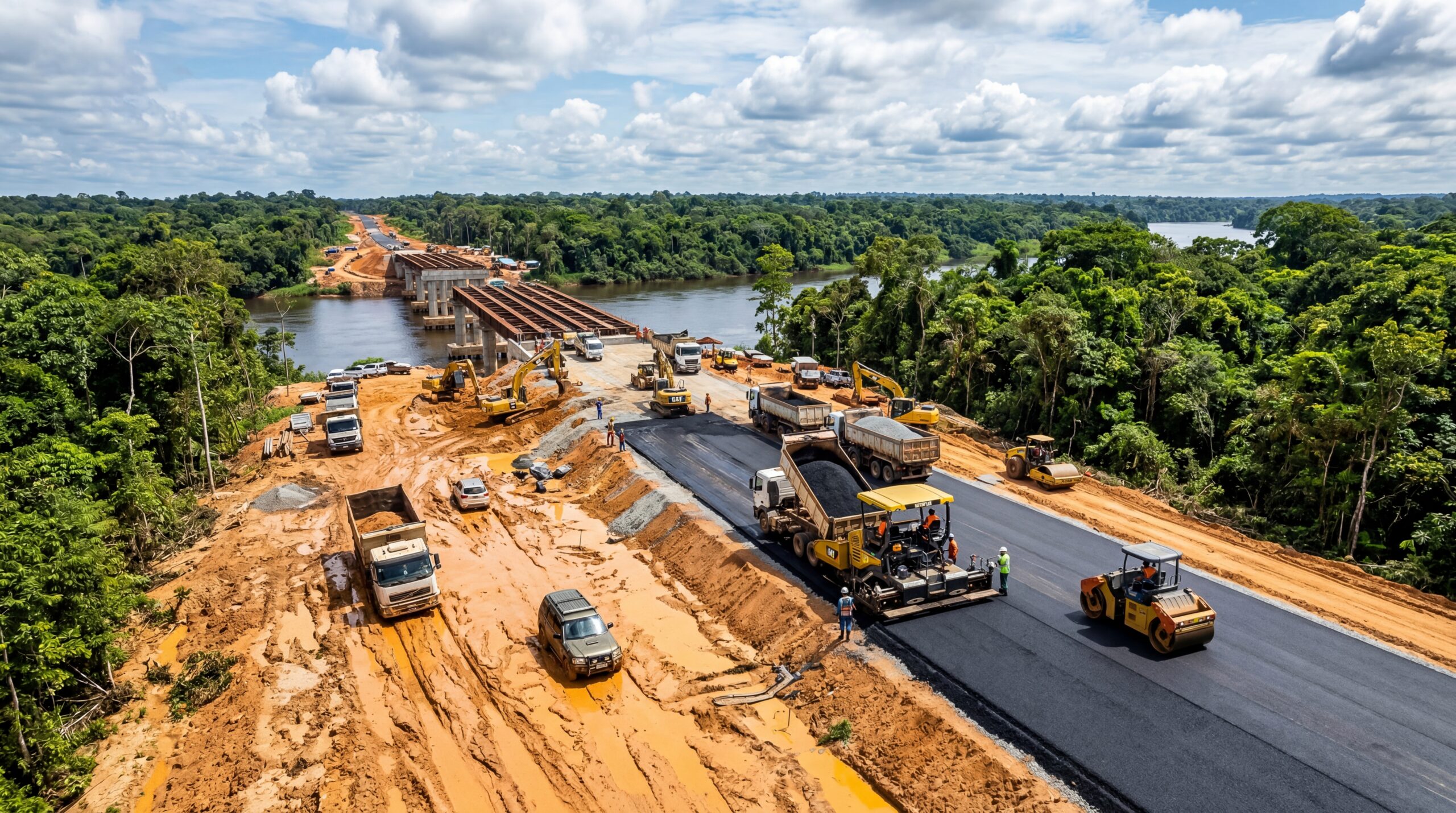
After nearly 50 years of neglect, BR-319 receives R$ 678 million to pave 340 km, gain a 320-meter bridge, and try to lift Amazonas out of the mud, the quagmire, and road isolation.
-
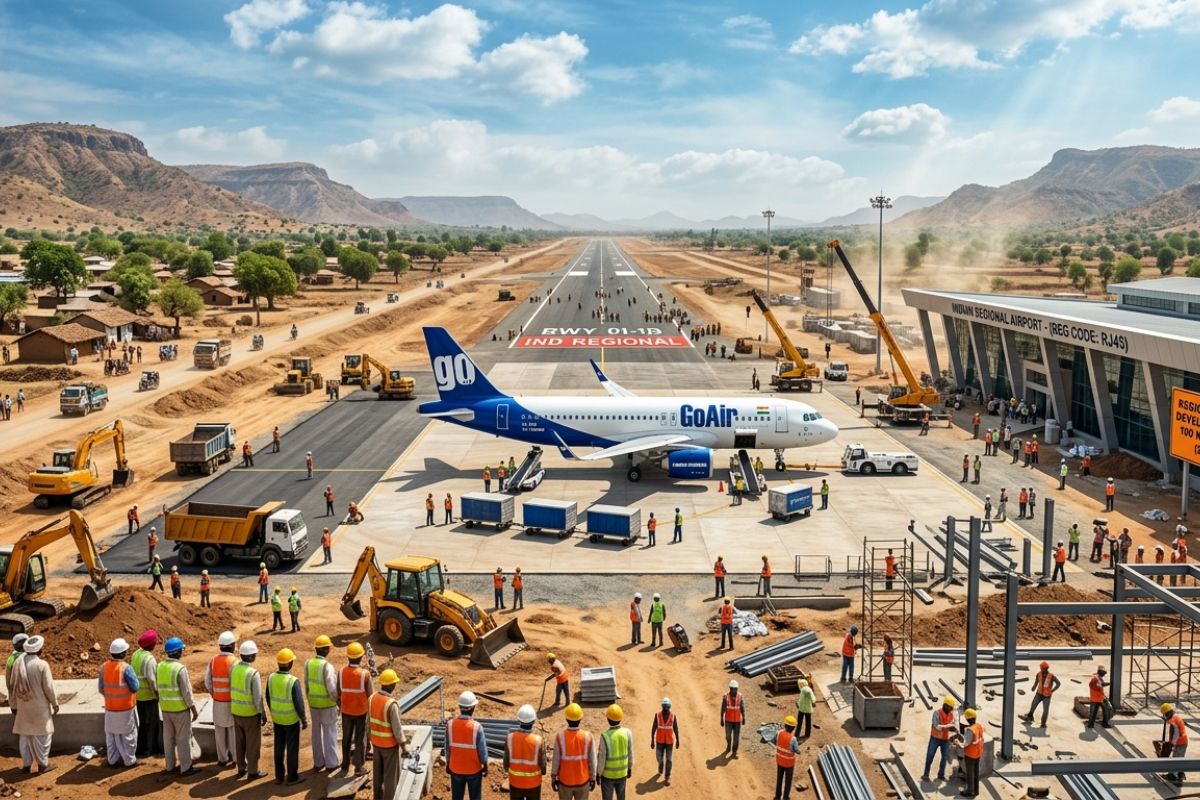
India announces a plan of $3.06 billion to bring aviation to forgotten regions: 100 new airports, $1.07 billion in subsidies, and regional routes guaranteed for 10 years, from 2026 to 2036, away from the centers.
-
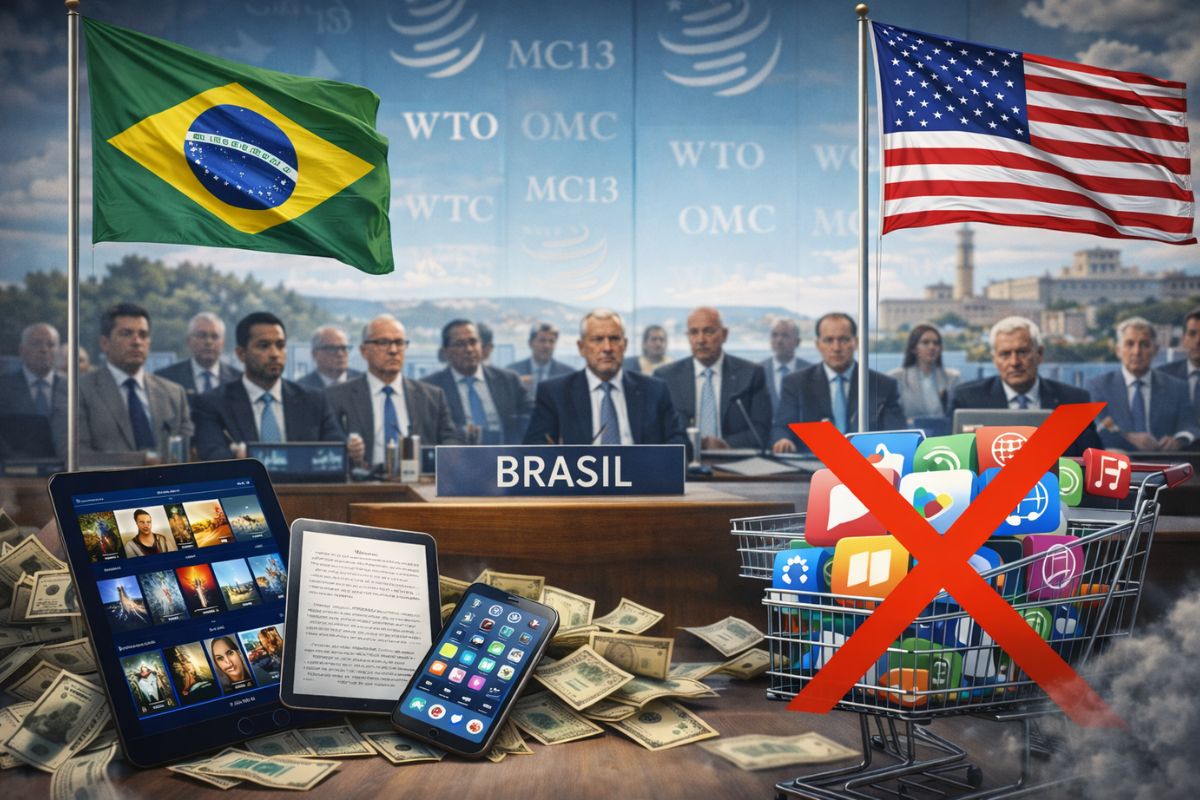
Brazil blocked a proposal from the United States at the WTO that would make the exemption from tariffs on digital products like streaming and ebooks permanent, favoring American tech giants at the expense of developing countries.
-
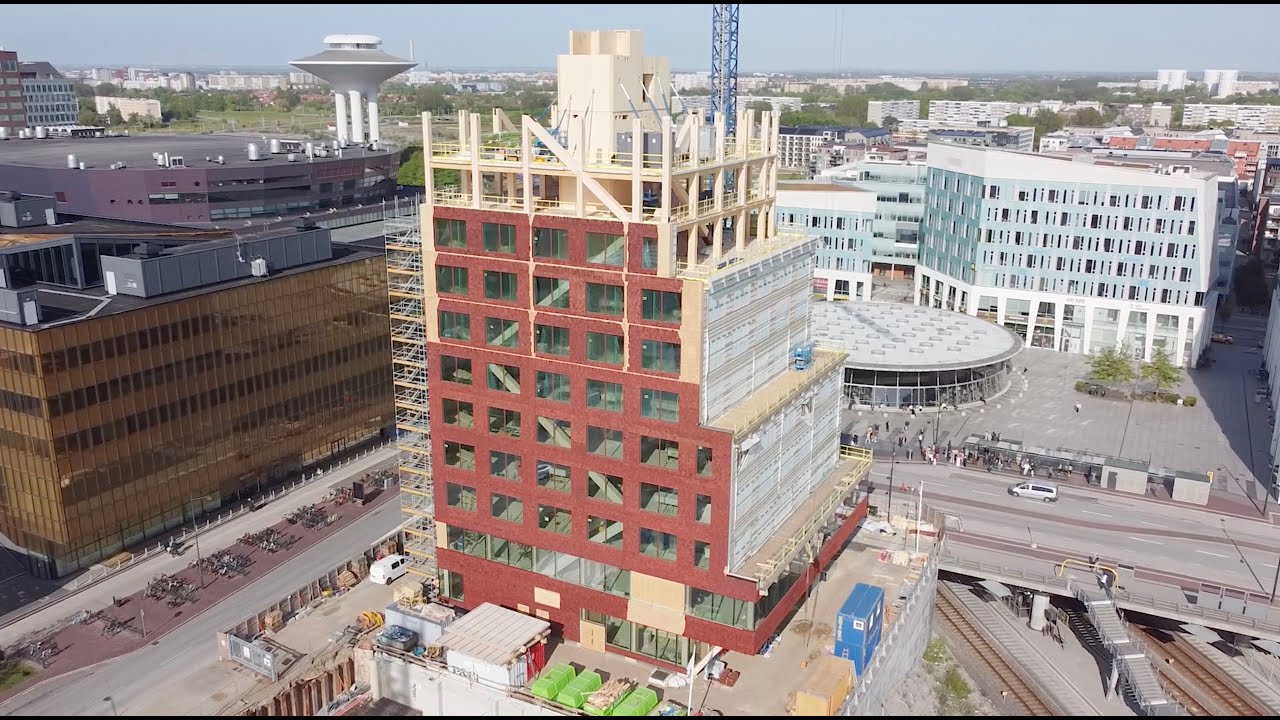
In Sweden, a 51-meter tower was built almost entirely of wood, without a concrete structural core and with solar panels integrated into the facade, using CLT and laminated beams to challenge the dominance of steel and concrete in modern buildings.

According to CNN Brasil, a series of megaprojects involving Brazil and China was announced with significant repercussions, promising to boost Brazilian infrastructure and industry.
Among the most highlighted initiatives were the construction of a monumental factory by Foxconn, a billion-dollar investment fund, and even a transcontinental railway.
However, none of these projects effectively materialized, leaving frustrations and doubts in the wake of the promises.
The Dream of the Foxconn Factory
In 2011, former president Dilma Rousseff (PT) visited Beijing and announced, in an ambitious tone, a historic partnership with Foxconn, the Taiwanese giant supplier of Apple.
The proposal was to establish a factory in Brazil, with an investment of US$ 12 billion and the creation of 100,000 jobs, including 20,000 for highly qualified engineers.
As reported by CNN Brasil, the project even involved the creation of a “factory-city” to host the operations.
However, a series of obstacles arose, from demands for financial support from BNDES to difficulties in attracting private investors.
Foxconn managed to build a small unit in Itu (SP), but the grand plan was abandoned.
The Billion-Dollar Fund from China That Never Took Off
Another promising announcement occurred in 2015, when the then Chinese Premier Li Keqiang and Dilma Rousseff announced the creation of the Brazil-China Cooperation Fund for the Expansion of Productive Capacity.
With US$ 20 billion expected — US$ 15 billion from China and US$ 5 billion from Brazil — the fund aimed to finance industrial and infrastructure projects.
Despite being formally established, the fund was never capitalized.
According to CNN Brasil, the selection of projects was even initiated by the Ministry of Planning, but the Brazilian political scenario and the anti-China discourse at the beginning of Bolsonaro’s government in 2019 halted any advancement.
Bioceanic Railway: An Unfeasible Project
Another milestone was the launch of the proposal for a bioceanic railway in 2015.
The plan envisioned a 3,500-kilometer link between Goiás and Mato Grosso, connecting the Port of Santos to the coastline of Peru.
The promise was to integrate the Atlantic and Pacific Oceans, transforming South American logistics.
As CNN Brasil highlighted, the project faced a series of obstacles.
The lack of economic viability, environmental challenges, and engineering difficulties in crossing the Andes Mountains made the idea unsustainable.
Despite technical visits by Chinese teams, not even the basic engineering project was completed.
The Political and Economic Impact of Unfulfilled Promises from China
The Chinese promises in Brazil did not materialize, bringing negative impacts both on bilateral relations and public perception of these agreements.
Grand announcements without concrete results undermine the credibility of international partnerships and leave doubts about the capacity to execute projects of this scale.
According to CNN Brasil, the obstacles are not limited to Brazil.
Local bureaucracy, political risks, and planning difficulties are common challenges faced by Chinese investors in other countries.
These factors help explain the mismatch between promises and reality.
Expectations for the Future
Despite past frustrations, experts point out that Brazil remains an attractive destination for foreign investments, especially in infrastructure.
The advancement of new public policies and the rapprochement between the two countries could open pathways for future projects to be realized.
After all, the question that remains is: can Brazil still trust in billion-dollar promises from foreign partners or is it time to rethink strategies to attract real investments?








O mundo dos nazifascistas e terroristas é uma bolha de desinformação. Que loco mundo paralelo deles.
Governo que faz, isso é ser progressistas e não nazifascistas e terroristas PATRI-OTARIOS. Engolham e não lacrimejam isso chama ser político e não planejar assassinar e explodir pessoas.
É meu caro jornalista, faltou explicar de qual governo estava em curso de 2016 até 2022. Não tiveram a inclinação de ajustar o IR, muito menos desenvolver a América do Sul. E como está a situação do ex-governo atualmente.