





 Portuguese
  English
  Spanish
  3 min of reading


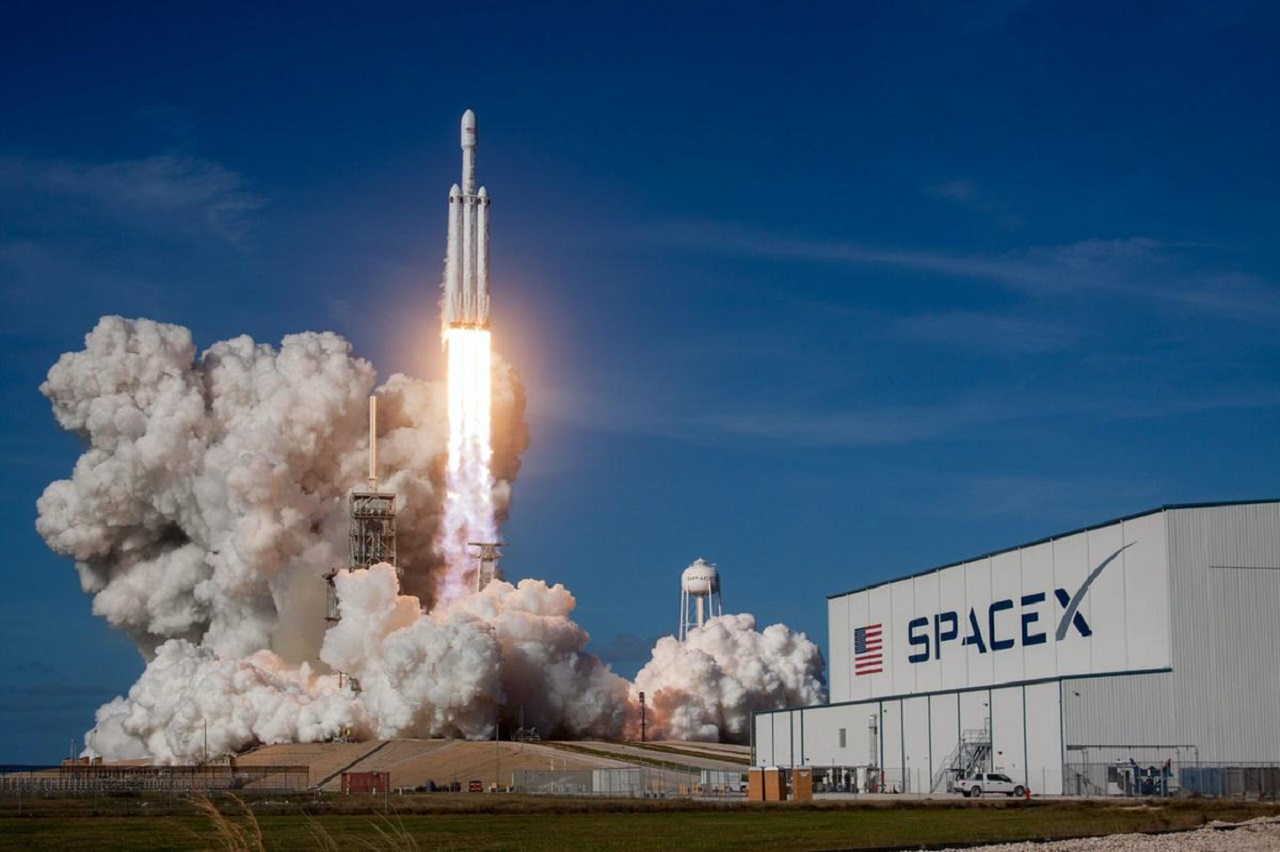
The Goal Is for the Nanosatellite Developed by UNB to Remain in Orbit to Obtain Specific Solutions, as Well as to Experiment with Communication Between the Satellite and the Central System. SpaceX, Led by Elon Musk, Is Excited About the New Feat
SpaceX, led by Elon Musk – who is also CEO of Tesla Motors – kicked off on April 1st a new and determined mission: the launch of the Falcon-9 rocket in the early afternoon of the 1st, in Cape Canaveral, Florida, United States. Called Trasporter-4, this is SpaceX’s fourth mission, whose main goal is to send small satellites into space. Among the satellites launched is a nanosatellite developed by engineering students and professors from the University of Brasília (UNB).
Meet AlfaCrux, Brazilian Nanosatellite Sent to Space by SpaceX, Led by Elon Musk
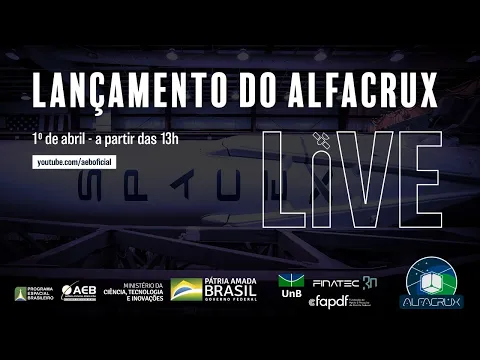

Named AlfaCrux, the project developed by UNB will serve to test and demonstrate various communication experiments via satellite in the orbit of planet Earth.
According to Fernanda Lins, the acting director of the Portfolio Management Office at the Brazilian Space Agency (AEB), the 1U CubeSat, measuring 10cm x 10cm x 10cm, could bring new connection solutions in amateur radio frequency bands.
-
Historic bankruptcy of Centauro shocks the market, and the century-old company puts more than 500,000 products, machines, and complete infrastructure up for online auction.

-
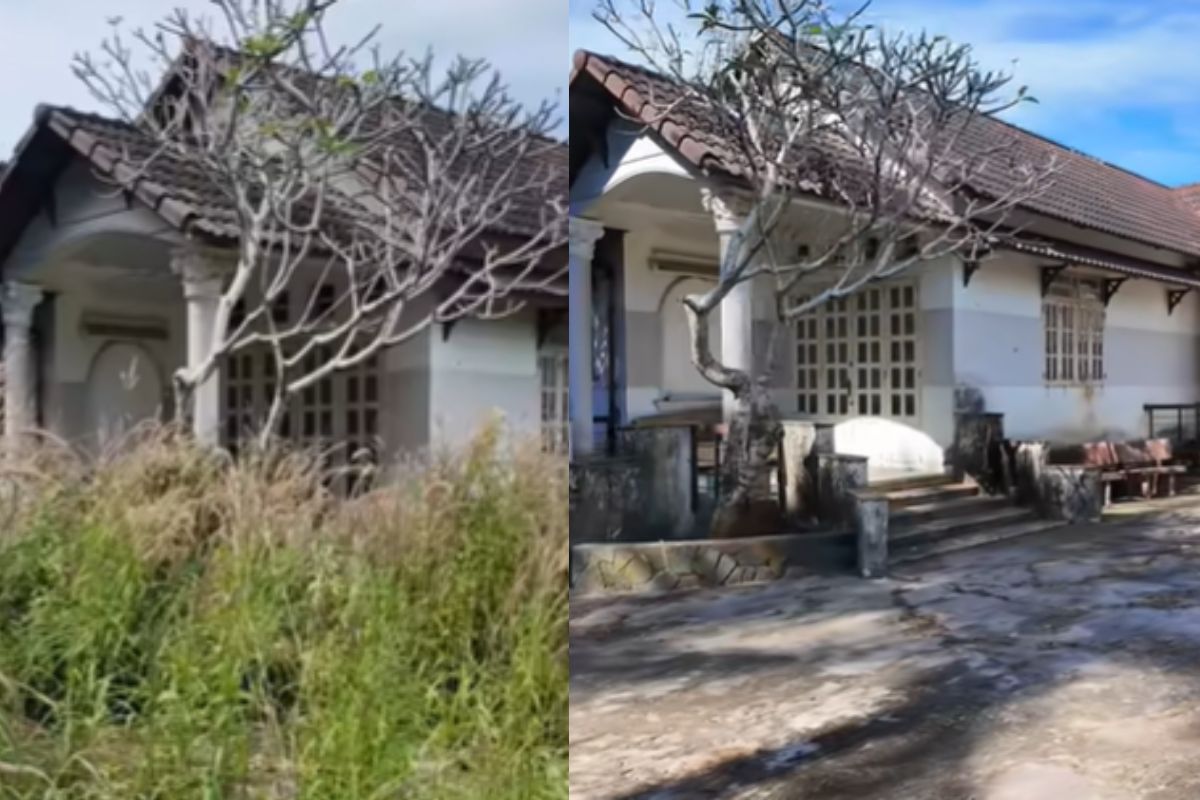
Abandoned house for 15 years disappears in the woods, shocks owner with unrecognizable scenery and is reborn in an intense transformation after almost 90 hours of work in just 10 days.
-
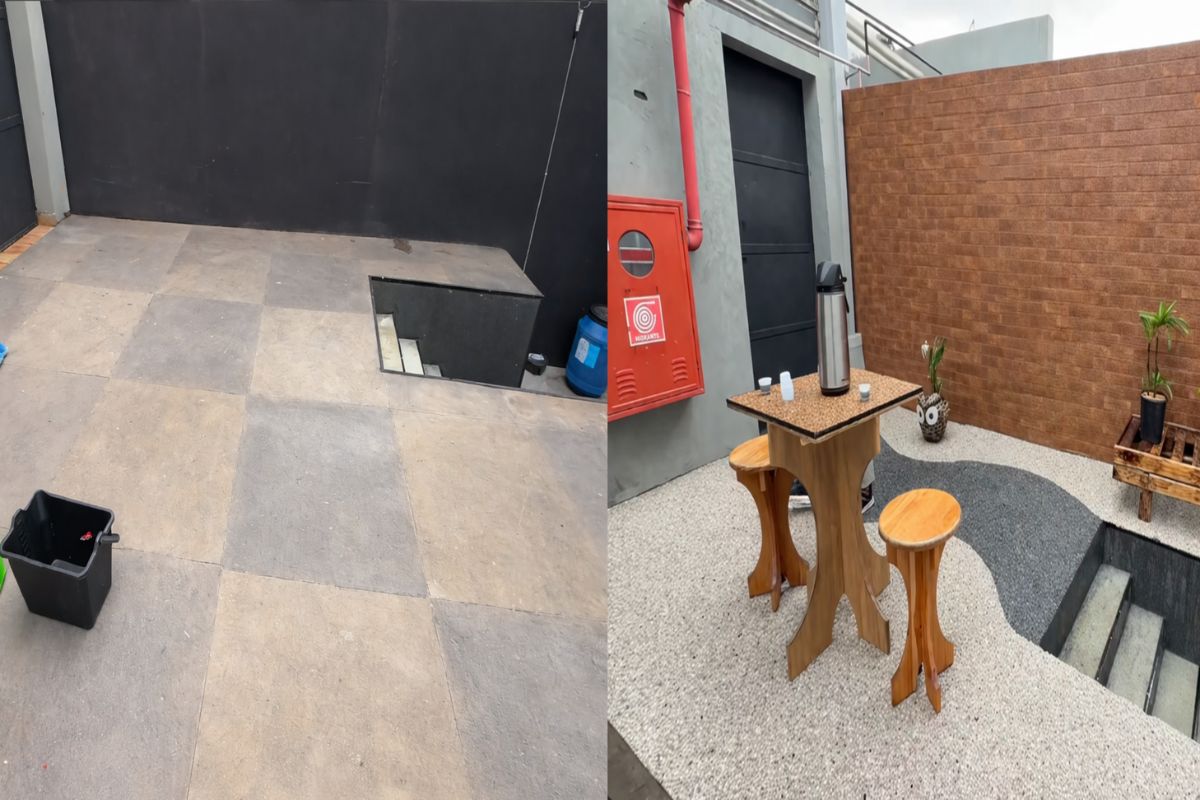
In just three hours, a natural stone floor transforms the entrance of the house with an organic effect, immediate drainage, and a sophisticated non-slip finish that doesn’t puddle water, dries quickly, and impresses with the final result.
-
‘Interlocking brick’ made of earth arrives in the construction industry with cost reductions of up to 40% on the project.


The acting director reported that the solution is important for the reality of our country, as it is a vast territory with many remote areas lacking satisfactory infrastructure. Additionally, this will be a low-cost solution, both in terms of development and launch, as well as operation.
Next Steps
All data collected will be available on the internet and can be used for other research purposes involving amateur radio communication and the community, as well as potentially assisting the Aerospace Systems Simulation and Control Laboratory of UNB in monitoring the CubeSat.
For Fernanda Lins, besides the much-anticipated scientific results, the partnership between UNB and Elon Musk’s space company is an excellent opportunity to train students throughout the entire process of developing a space mission.
But After All, What Are Nanosatellites?
Nanosatellites, also known as “nanosats,” are artificial satellites with a mass between 1 and 10 kg. Larger satellites, which almost everyone is familiar with, are called microsatellites. Smaller satellites are referred to as picosatellites. However, the term “nanosatellite” is recent, introduced by NASA in the mid-2004s, and thus the term is still in the process of adoption.
It is worth noting that nanosatellites have no relation to nanotechnology, which pertains to engineering that requires materials at atomic and molecular scales. Nanosatellites are quite appealing due to their small size, making them accessible and opening up the potential for many more satellites.
Nanosatellites are versatile enough to “ride along” on other larger launches, which avoids the need for exclusive launches. From a military standpoint, a nanosatellite can be useful due to its redundancy, as its small size can help avoid detection. NASA used the term “nanosatellite” for the first time when referring to its satellites with Miniature Autonomous Extravehicular Camera (Mini AERCam), which were the size of a volleyball and weighed around 5 kg.










Seja o primeiro a reagir!