





 Portuguese
  English
  Spanish
  2 min of reading
  0 comments


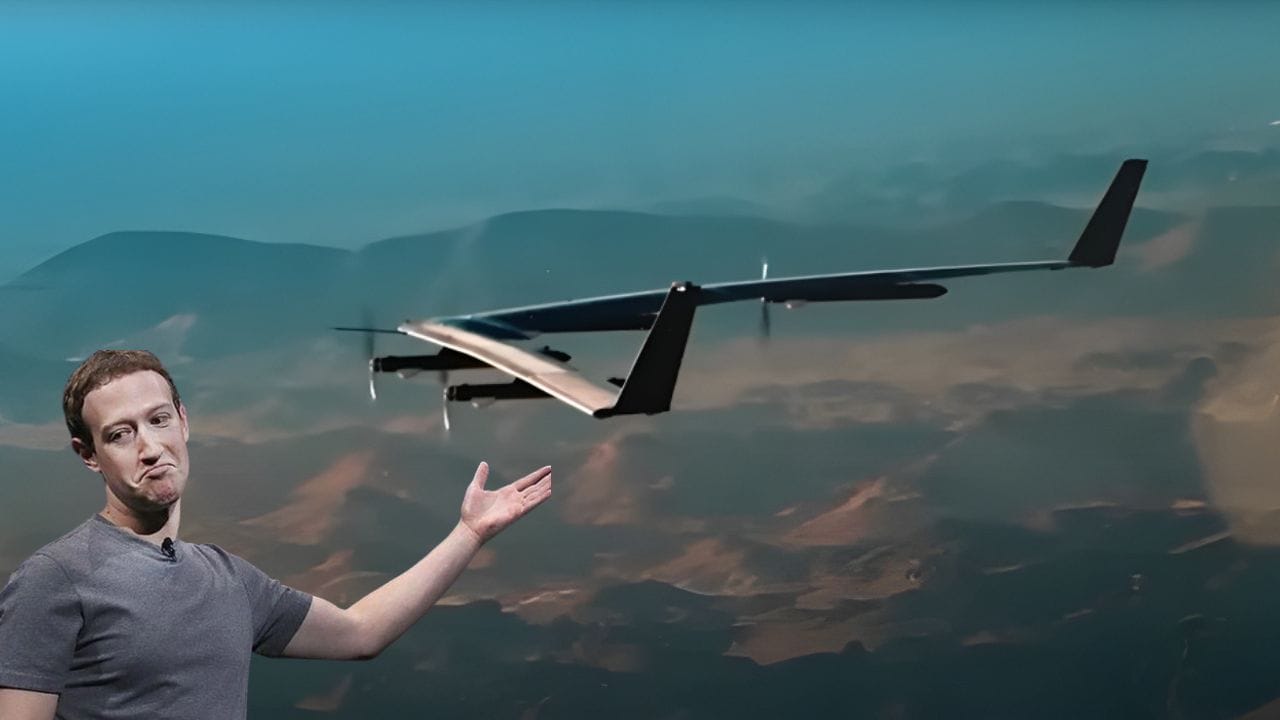
In A Surprising Venture Into Aviation, Mark Zuckerberg’s Facebook Designed The Aquila, A High-Altitude Solar Drone With The Mission To Bring Internet To Remote Regions, Challenging Aerospace Giants.
In A Surprising Turn Of Events For The Aerospace Industry, Facebook, Led By Mark Zuckerberg, Once Ventured Into The Development Of An Experimental Aircraft Called Aquila. This Ambitious Project Was Not Just A Technological Leap, But An Attempt To Connect Over A Billion People Around The World To The Internet.
Launched In 2014, When Facebook Was At Its Peak, The Company Acquired A Team Of Engineers From Ascenta, A Pioneer In Solar Drones. The Ascenta Team, Already Known For Its Contribution To The Development Of The Zephyr, A Lightweight Solar Aircraft Capable Of Flying At Altitudes Above 75,000 Feet, Became Part Of Facebook’s Connectivity Lab. Zuckerberg Envisioned The Creation Of A Fleet Of Drones That Could Transmit Powerful Internet Signals To Areas Of The World With Limited Internet Coverage.
About The Aquila
The Aquila, With A Wingspan Comparable To A Boeing 737, Was A Solar-Powered Drone Capable Of Flying For Months, Or Even Years, At An Altitude Where Clouds And Bad Weather Are Not A Concern. This High-Altitude Long-Endurance (HALE) Drone Was Considered A More Viable Option Than Satellites Or Cell Towers, Especially In Rural Areas.
-
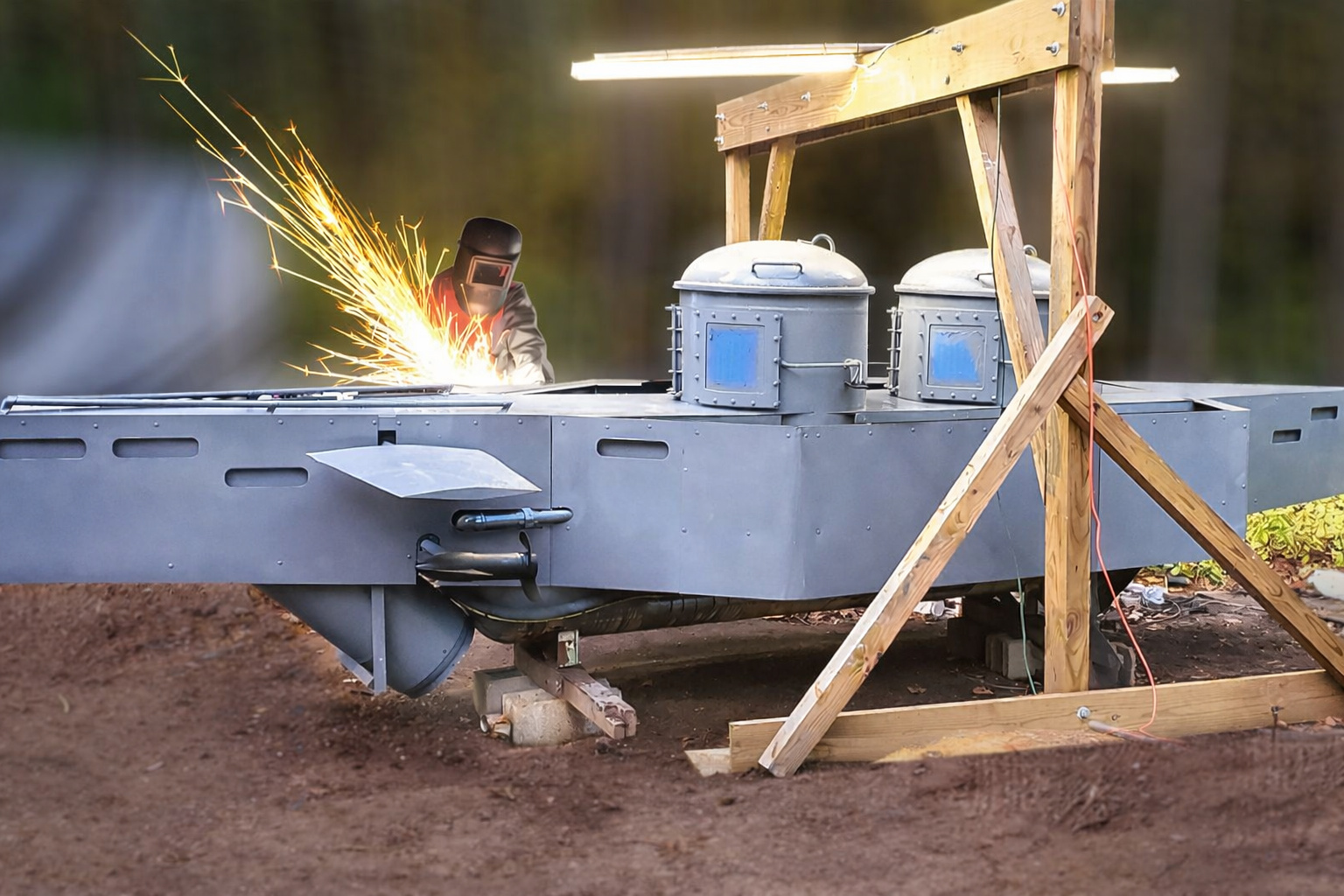
Man builds functional 5-meter submarine in his garage using gas cylinders, PVC pipes, and a refrigerator motor, and navigates with the vessel on a lake in Colombia.
-
Millions of people have been eating yam for centuries without knowing that this humble tuber contains a compound called diosgenin, which scientists have now discovered can improve memory and help control blood sugar levels.

-
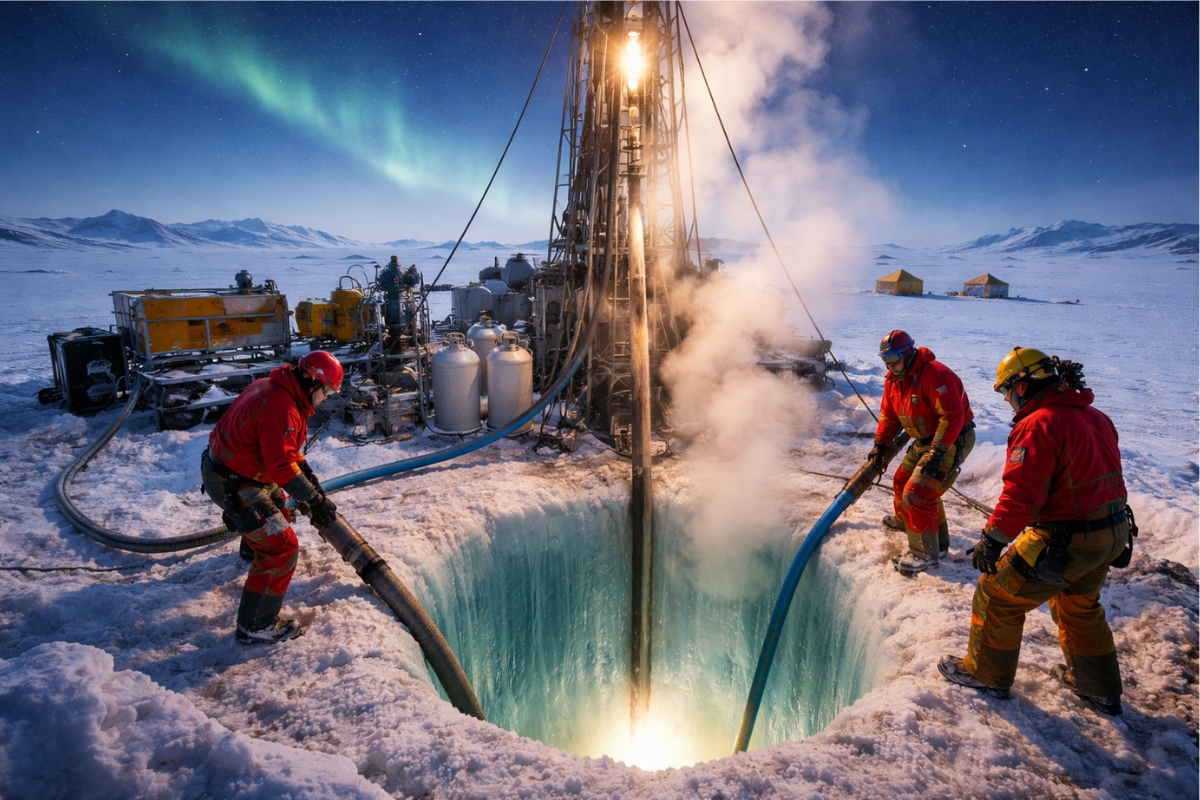
Scientists from an international project drill 1,800 meters of ice in Antarctica using hot water and discover details about one of the most intriguing places on planet Earth.
-
Seen from space, a colossal volcano nearly 5,000 meters high in Russia has released 1,600 km of smoke over the Pacific, forming “devil’s horns” of lava and revealing the brutal force of the Ring of Fire.


The First Flight Of The Aquila Prototype Took Place In 2016 In Yuma, Arizona. Despite A Rough Landing, The Flight Was Considered A Success, Proving The Aircraft’s Potential. However, The Increasing Competitiveness In The High-Altitude Drone Market, With Players Like Airbus And Lockheed Martin, Led Facebook To Reassess Its Priorities.


In An Unexpected Move, The Aquila Project Was Discontinued, As Facebook Decided To Focus On Developing Its Connectivity Technology In Partnership With Airbus, Leveraging The Advances Achieved With The Aquila, Such As Millimeter Wave Technology, Flight Control Computers, And High-Density Batteries.
Although The Aquila Did Not Achieve Its Final Goal, Facebook’s Journey In The Field Of Experimental Aviation Highlighted The Growing Intersection Between Information Technology And Aerospace. The Aquila Project Remains A Fascinating Example Of How The Boundaries Between Different Industries Can Be Crossed In The Pursuit Of Innovation And Global Connectivity.






Seja o primeiro a reagir!