





 Portuguese
  English
  Spanish
 4 min of reading
  0 comments


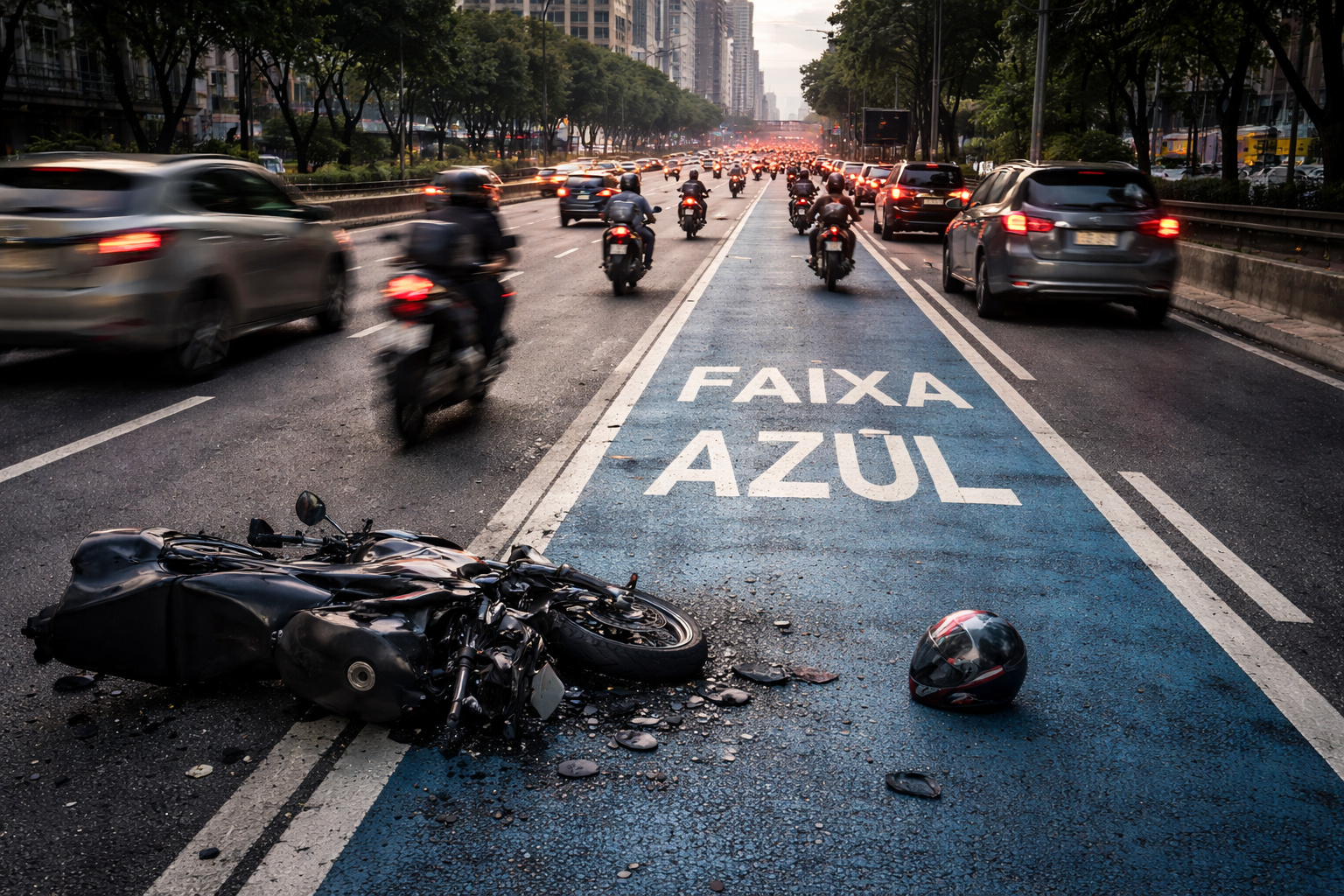
Study Indicates Up to 120% Increase in Fatal Motorcycle Accidents After Implementation of the Blue Lane in São Paulo and Reignites Debate on Road Safety.
In 2024, the Cordial Institute, in partnership with the international organization Vital Strategies, published the study “Impact of the Blue Lane on Road Safety,” analyzing sections of the city of São Paulo where the Blue Lane for motorcycles was implemented. The survey used official accident data and speed measurements recorded on the capital’s roads. The result drew attention: in some analyzed sections, there was an increase of up to 120% in fatal accidents involving motorcyclists after the implementation of the exclusive lane.
The data refers to specific segments studied, not the entire city. Still, the number raised an important alert about the real effects of the measure. The Blue Lane was created with the aim of organizing traffic, reducing conflicts between cars and motorcycles, and increasing safety. But the study indicates that, at certain points, the result may have been the opposite.
What Is the Blue Lane and Why Was It Created
The Blue Lane is a marked corridor on the asphalt to organize the flow of motorcycles on busy avenues. The proposal from the São Paulo City Hall was simple: provide more predictability for motorcycles and reduce space disputes with cars.
-
A French brand placed a car on four huge red balloons to prove that its suspension made the vehicle “float,” and the surreal scene became one of the most iconic and unusual images in automotive history.

-
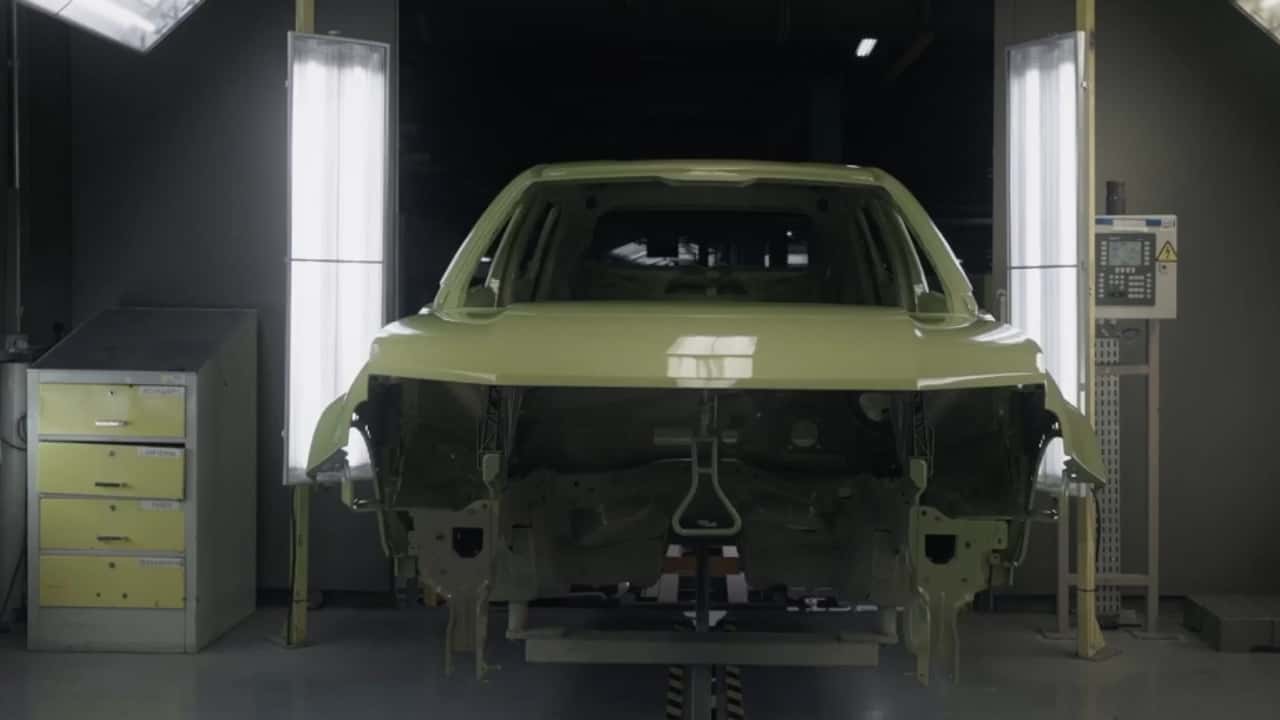
Jeep Avenger begins production in Brazil, debuting as the brand’s new entry-level SUV and inaugurating an unprecedented phase by becoming the first national Jeep manufactured outside of Goiana, as part of a R$ 3 billion plan.
-
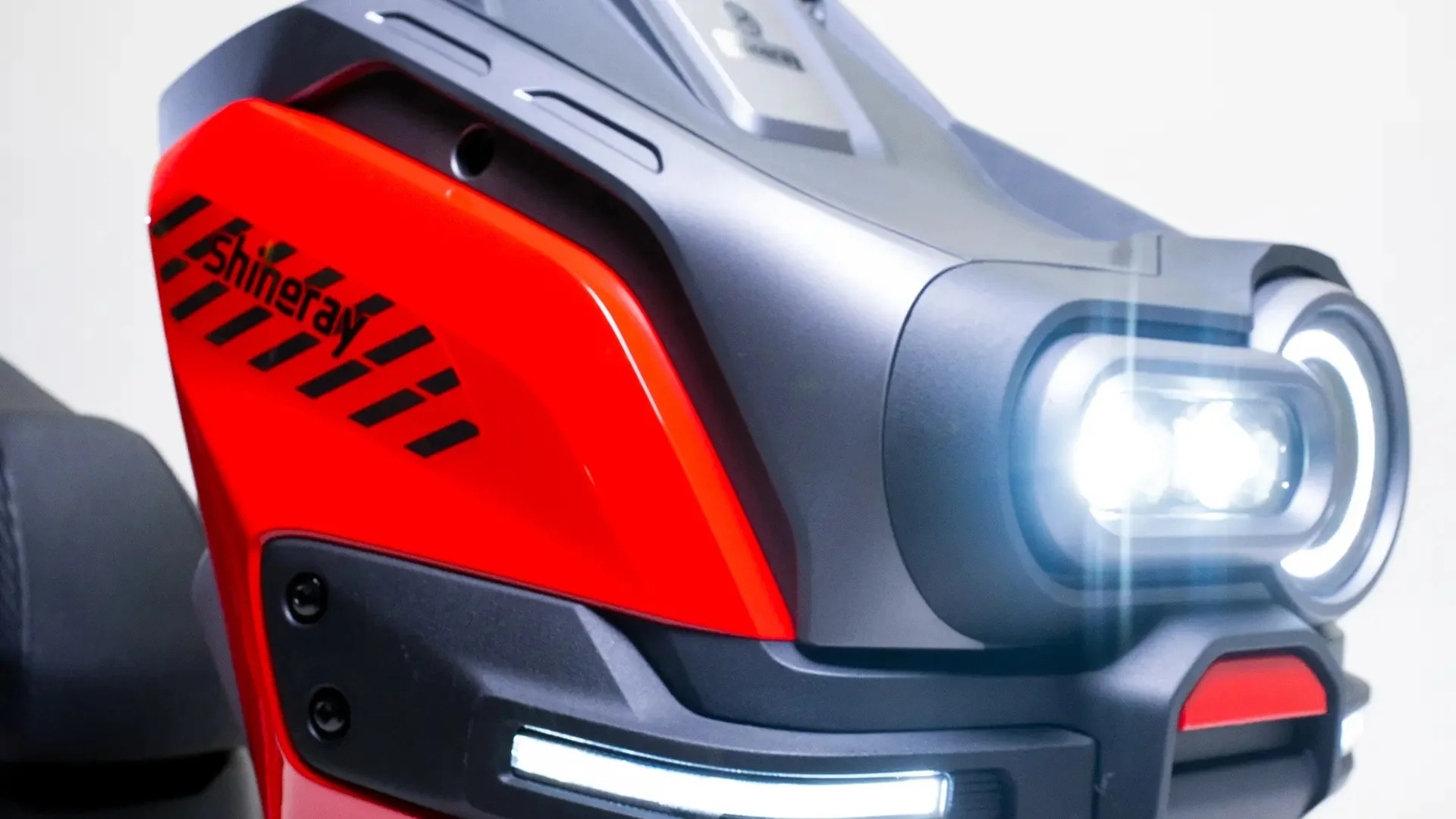
Costing R$ 12,490, the new Shineray Urban Lite 150 “cheap one” arrives in Brazil with a CVT transmission, digital dashboard, and LED lights, making it more affordable than the Biz and targeting those who want to abandon the bus.
-
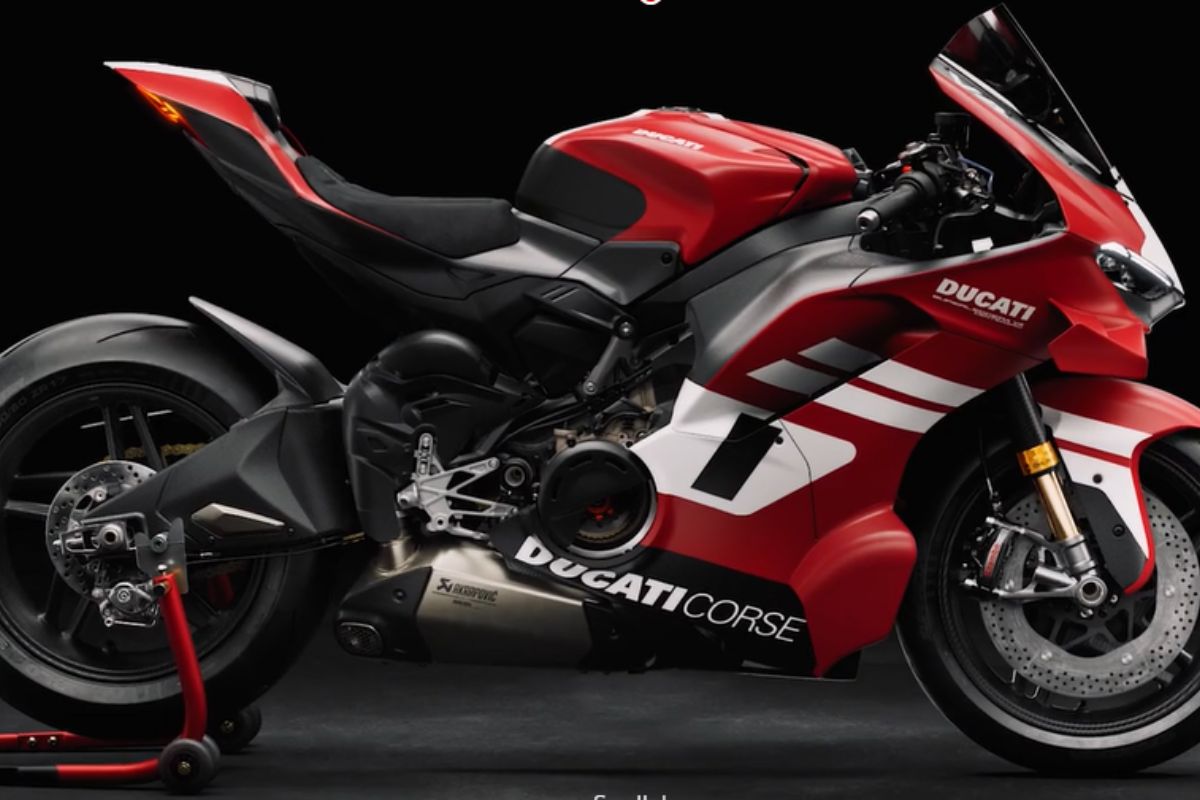
Ducati brings to Brazil the Superleggera V4 Centenario: 228 hp that become 247 with a track kit, carbon fiber and carbon-ceramic brakes, estimated price between R$ 1.5 and 2 million, deliveries only in 2027.


In theory, separating the flows should reduce lateral collisions and falls caused by abrupt lane changes. The measure began to be implemented in strategic corridors of the city.
The city of São Paulo has one of the largest fleets of motorcycles in the country. The high number of motorcycles circulating daily makes any traffic policy involving this mode extremely relevant. The expectation was to improve flow and reduce severe accidents.
What the Study Found in the Analyzed Sections
The report compared periods before and after the implementation of the Blue Lane on certain avenues. To avoid distortions, the researchers analyzed the proportional rate of fatal accidents, considering traffic volume. In some segments, especially near intersections, an increase of up to 120% in the death rate involving motorcyclists was recorded.
The researchers also observed an increase in the average speed in certain sections after implementation. Even small increases in speed can significantly raise the severity of an accident. As speed rises, the force of the impact increases exponentially. This means that collisions that could have resulted in injuries now have a greater chance of fatality.
The study does not claim that the Blue Lane is the only cause of the increase. But it indicates that changes in driver behavior and road dynamics may have influenced the result.
Why Intersections Can Become More Dangerous
One of the most critical points identified was intersections. While the Blue Lane organizes traffic in a straight line, it does not eliminate conflicts when cars turn, vehicles enter side streets, or direction changes occur.
If the average speed increases and the driver does not correctly anticipate the presence of a motorcycle in the exclusive lane, the risk of collision grows.

Experts explain that exclusive corridors need to be accompanied by reduced speed, reinforced signaling, and adjustments to the geometry of intersections. Without these complementary measures, the road design may create a sense of safety without real protection.
Technical Debate and Authorities’ Response
The release of the study sparked debate among experts and public managers. The São Paulo City Hall had already presented its own data indicating a reduction in accidents in specific corridors with the Blue Lane.
The divergence lies in the methodology and the segments analyzed. While the study points to increases in specific segments, municipal data considers other cuts.
This illustrates how public traffic policies require constant and transparent evaluation. Road safety depends on multiple factors: speed, enforcement, driver behavior, road design, and traffic education.
What Is at Stake for Motorcyclists
Motorcyclists are one of the most vulnerable groups in urban traffic. Unlike car drivers, they do not have a metal protective structure.
Any change in traffic dynamics that influences speed or conflict patterns can have a direct impact on the severity of accidents. The discussion about the Blue Lane is not just technical. It involves lives, urban behavior, and engineering decisions that affect millions of daily commutes.
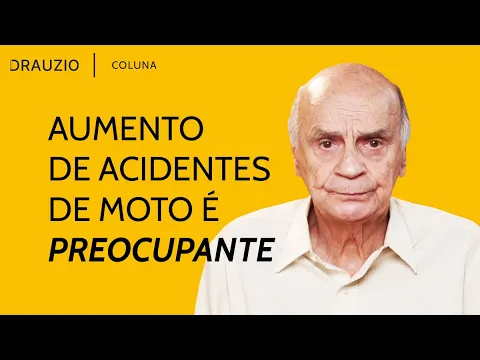
The study by the Cordial Institute and Vital Strategies does not end the debate. But it raises an important point: reorganizing road space is not enough if there is no strict speed control and adaptation of critical points.
Changes in Traffic Can Save Time — or Cost Lives, Data Suggest
In large cities like São Paulo, where the volume of motorcycles is high and traffic is intense, every change in urban design needs to be accompanied by continuous monitoring.
The increase of up to 120% in fatal accidents in analyzed segments shows that traffic interventions can produce unexpected effects. Road engineering needs to balance flow and safety based on real data.
The debate about the Blue Lane is still open. And the numbers presented in the study reinforce that public mobility policies need to be evaluated carefully, transparently, and with a total focus on reducing traffic deaths.









-

Uma pessoa reagiu a isso.