





 Portuguese
  English
  Spanish
  4 min of reading
  0 comments


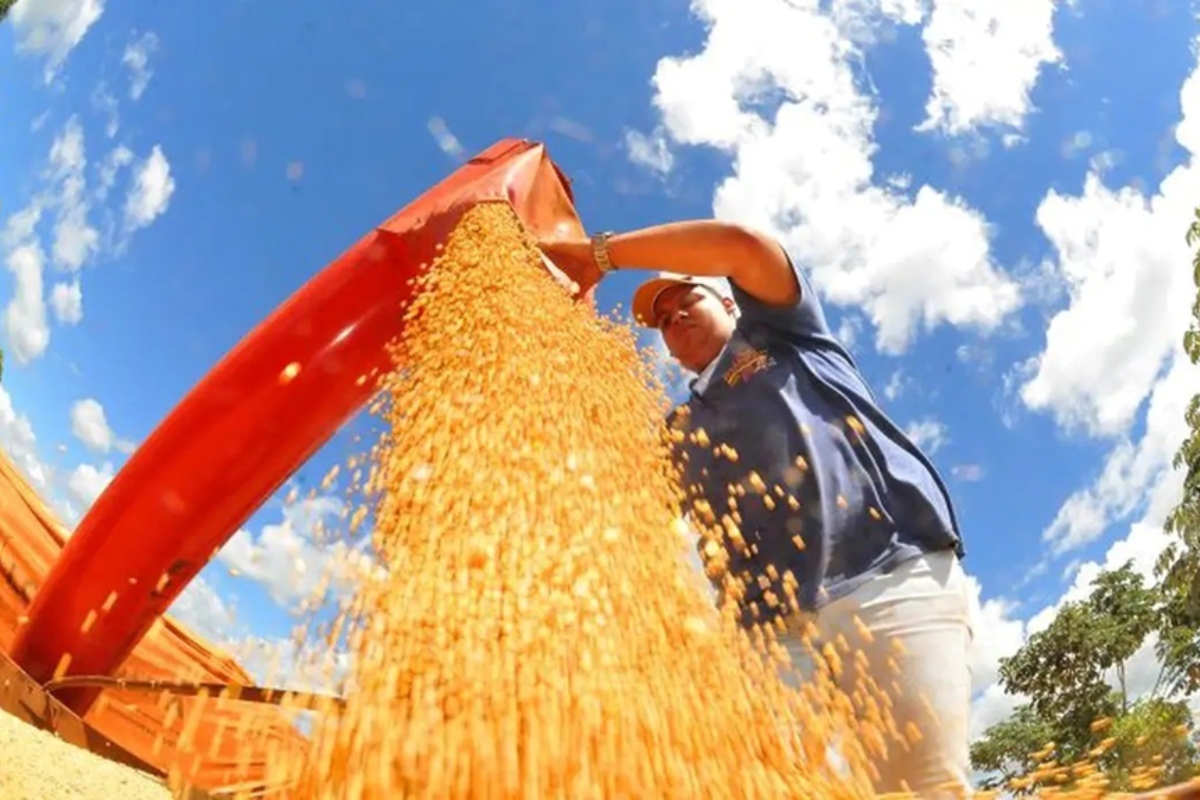
In 2026, Brazilian Companies Must Face Record Bankruptcy Rates with High Interest Rates and Restricted Credit, Especially Impacting Agribusiness and Small Businesses, Triggering an Increase in Bankruptcy Filings and Alerts Among Economic Sector Experts.
The year 2026 is already seen by experts as one of the most challenging for the Brazilian productive sector. The combination of high interest rates, more difficult credit, and political uncertainties creates a worrying scenario for companies of all sizes.
The basic interest rate, Selic, remains at a high level, raising the cost of financing, working capital, and debt renegotiation. At the same time, the electoral environment increases the caution of banks.
The result could be historic: a possible record of bankruptcies and bankruptcy filings in the country, directly impacting jobs, production, and supply chains.
-
The sugar-energy sector advances with agricultural technology, but agricultural productivity still raises concerns.

-
The eggshell that almost everyone throws away is made up of about 95% calcium carbonate and can help enrich the soil when crushed, slowly releasing nutrients and being reused in home gardens and vegetable patches.

-
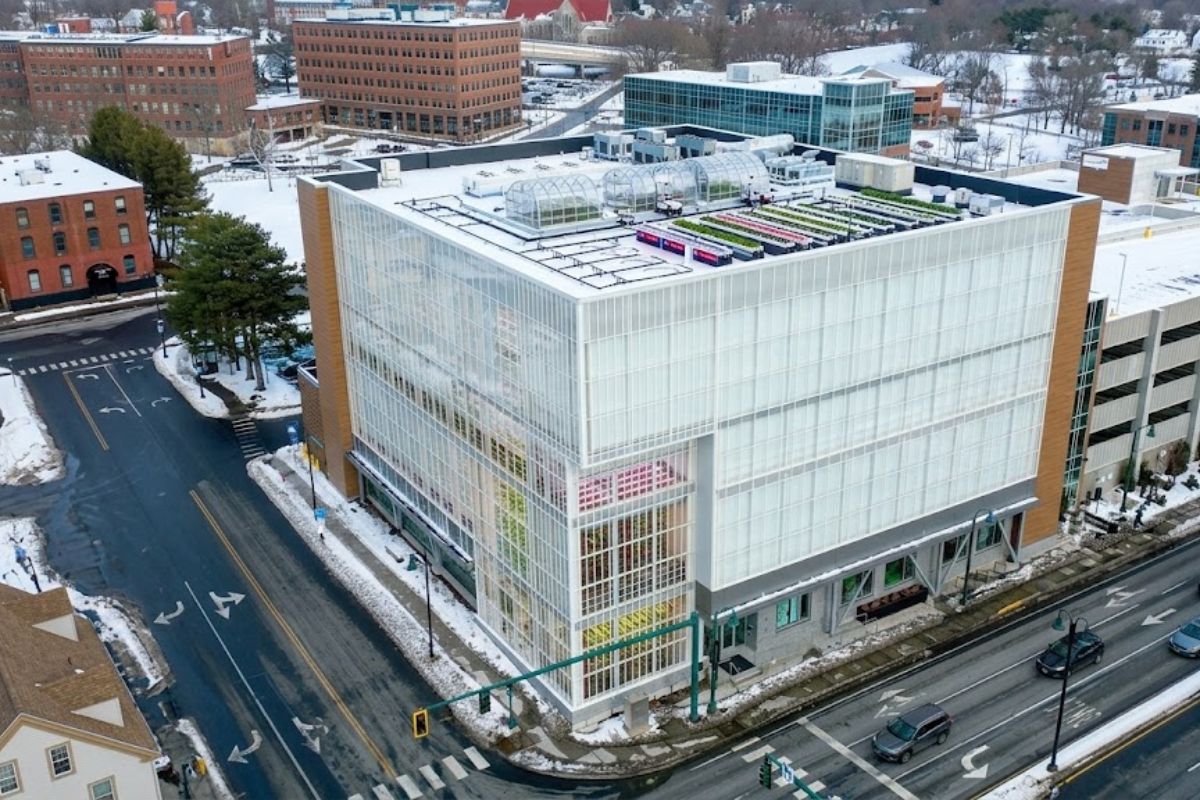
This farm in the United States does not use sunlight, does not use soil, and produces 500 times more food per square meter than traditional agriculture: the secret lies in 42,000 LEDs, hydroponics, and a system that recycles even the heat from the lamps.
-
The water that almost everyone throws away after cooking potatoes carries nutrients released during the preparation and can be reused to help in the development of plants when used correctly at the base of gardens and pots, at no additional cost and without changing the routine.


High Interest Rates and Election Year Create Critical Scenario for Companies
The elevated Selic acts like a domino effect. When interest rates rise, the cost of money skyrockets. Loans become more expensive, deadlines shorten, and pressure on company cash flow increases rapidly.
In 2026, this factor combines with presidential elections. In election years, banks tend to adopt a more conservative stance, reducing credit supply and demanding more guarantees.
The so-called perfect storm forms when high interest rates, scarce credit, and political uncertainty act simultaneously. Many companies simply cannot manage to pay their bills.
And there is one more element in this scenario.
Tax Reform Requires Adaptation and Increases Operational Costs
The transition of tax reform also factors into the equation. Companies will need to adapt systems, internal processes, and fiscal planning.
This change requires investment and financial restructuring just at a time of tight cash flow.
For already indebted businesses, any new cost can be decisive. The sum of these factors increases the risk of insolvency in 2026.
Agribusiness Leads Bankruptcy Filings and Surprises the Market
One of the most striking points is the performance of agribusiness. Traditionally seen as a solid pillar of the Brazilian economy, the sector now leads bankruptcy filings.
Crop failures, lower prices, and a high level of debt explain the scenario. Producers who invested with expensive credit are struggling to meet their financial commitments.
What once seemed like a crisis-proof sector now shows signs of fragility, reflecting the change in the economic environment.
Micro and Small Businesses Represent About 80 Percent of Filings
If agribusiness is concerning, micro and small businesses are suffering even more. They represent about 80 percent of bankruptcy filings.
With little reserve capital, these businesses are the first to feel the impact of the lack of credit. Without access to working capital, delays accumulate rapidly.
The effect is widespread. Suppliers do not receive payments, contracts are interrupted, and the entire production chain loses strength.
Bankruptcy Protection Does Not Always Prevent Bankruptcy
Bankruptcy protection exists to provide breathing room for companies. The mechanism allows for renegotiating debts and reorganizing finances to avoid the definitive closure of operations.
The problem is that many business owners seek help too late. When the request is made, there is often insufficient cash or assets to offer as collateral.
Without new money to support the recovery plan, the process fails. The result is bankruptcy, which officially ends the company’s operations.
Experts Recommend Speed and Quick Decisions to Survive
In light of this scenario, the main recommendation is to act quickly. Waiting for an automatic improvement in the economy can be a fatal mistake.
Debt-ridden companies need to assess alternatives before the situation becomes irreversible. Creditors are also advised not to delay collections, as financial deterioration can reduce the chances of recovering amounts.
In 2026, according to experts, efficient management and quick decision-making will no longer be a differential but a matter of survival.
The possible record of bankruptcies in Brazil is not the result of a single factor, but a combination of high interest rates, restricted credit, political uncertainty, and tax adaptation—a scenario that could redefine the business environment in the coming years.
And you, do you believe that Brazilian companies are prepared to face 2026, or could the country experience a historic wave of bankruptcies? Leave your opinion in the comments.
Suggested SEO Keywords: bankruptcies 2026, bankruptcy protection Brazil, impact of high Selic, restricted credit companies, agribusiness crisis, indebted small businesses, high interest rates Brazil, Brazilian economy 2026, election year credit, tax reform companies
Meta Description: High interest rates, restricted credit, and election year could lead Brazil to a record number of bankruptcies and bankruptcy protection in 2026.
Suggested Slug: record-bankruptcies-brazil-2026-high-interest-restricted-credit-agribusiness-crisis










-

Uma pessoa reagiu a isso.