





 English
  Francês
  Alemão
  Italiano
  Japonês
  Norueguês
  Portuguese
  Spanish
  3 min of reading


Learn About the Consequences of Using “Illicit” Products and How to Find Genuine Lubricants and Not Be Deceived
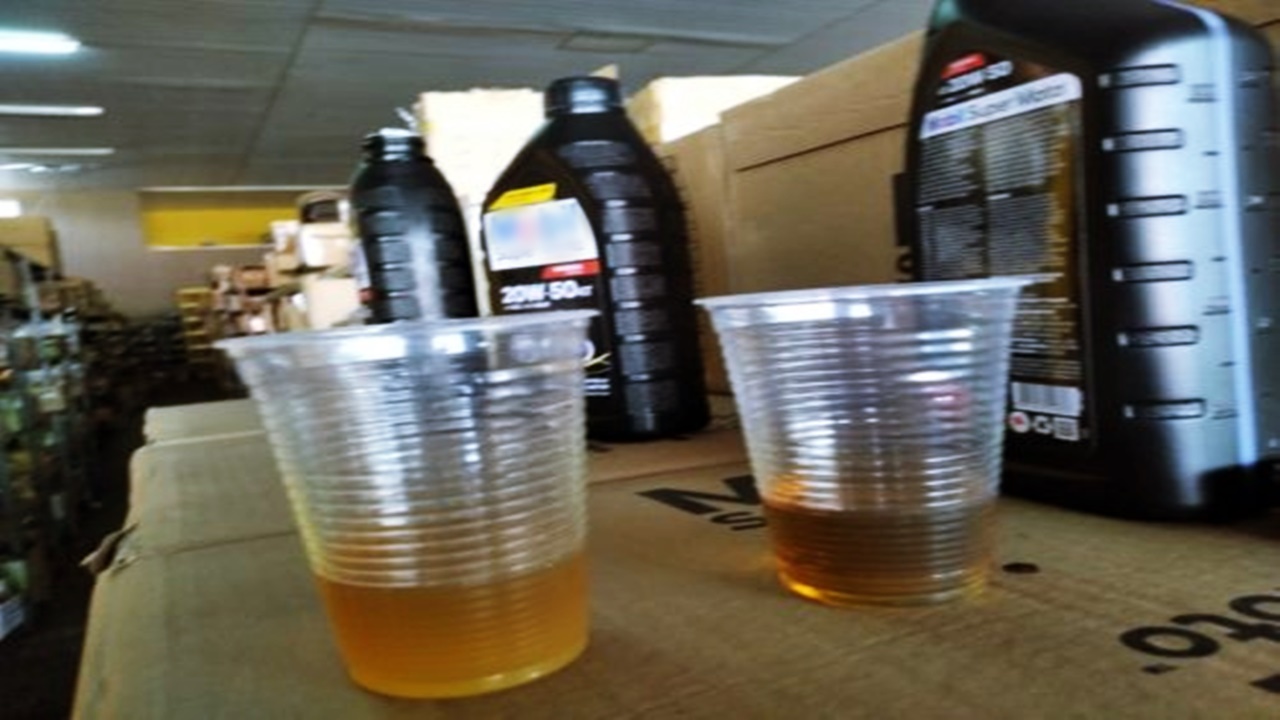
The lubricant oil has entered the list of counterfeit products spreading through the Brazilian market. About 30% of all counterfeit products in the country are concentrated in items for vehicle engines, according to the Brazilian Association for Combating Counterfeiting (ABCF).
Read Also
- To Ease the Burden Amid Rising Prices of Gasoline, Ethanol, Diesel, and CNG, Consumers Turn to the Kit Online That Promises Water-Powered Cars Starting at R$ 200
- Brazilians Rush to Buy Gasoline at Half Price, Fuel Is Limited to 15 Liters to Prevent Shortages at Gas Stations
- Petrobras Announced This Morning (11/19) the Discovery of Hydrocarbons (Oil) at a Pioneer Well in the Pre-Salt Layer of the Santos Basin
- PUC Calls for 400 Spots in a Free Online Professional Qualification Course with Certificate; Students Will Have the Opportunity to Apply for Internships at the Multinational Volvo
The manufacturing of lubricants may seem simple, but its composition involves mixing base oils with additives – substances that enhance the characteristics of base oils or provide them with new properties, which are responsible for creating a protective layer for the engine parts.
The Cost of Using a Fake Lubricant Oil in an Engine Can Exceed R$20 Thousand
The counterfeit product, although it may look similar in color, does not contain the essential additives for proper engine functioning and performance. The financial loss from using a fake lubricant oil can exceed R$20 thousand for the consumer.
-
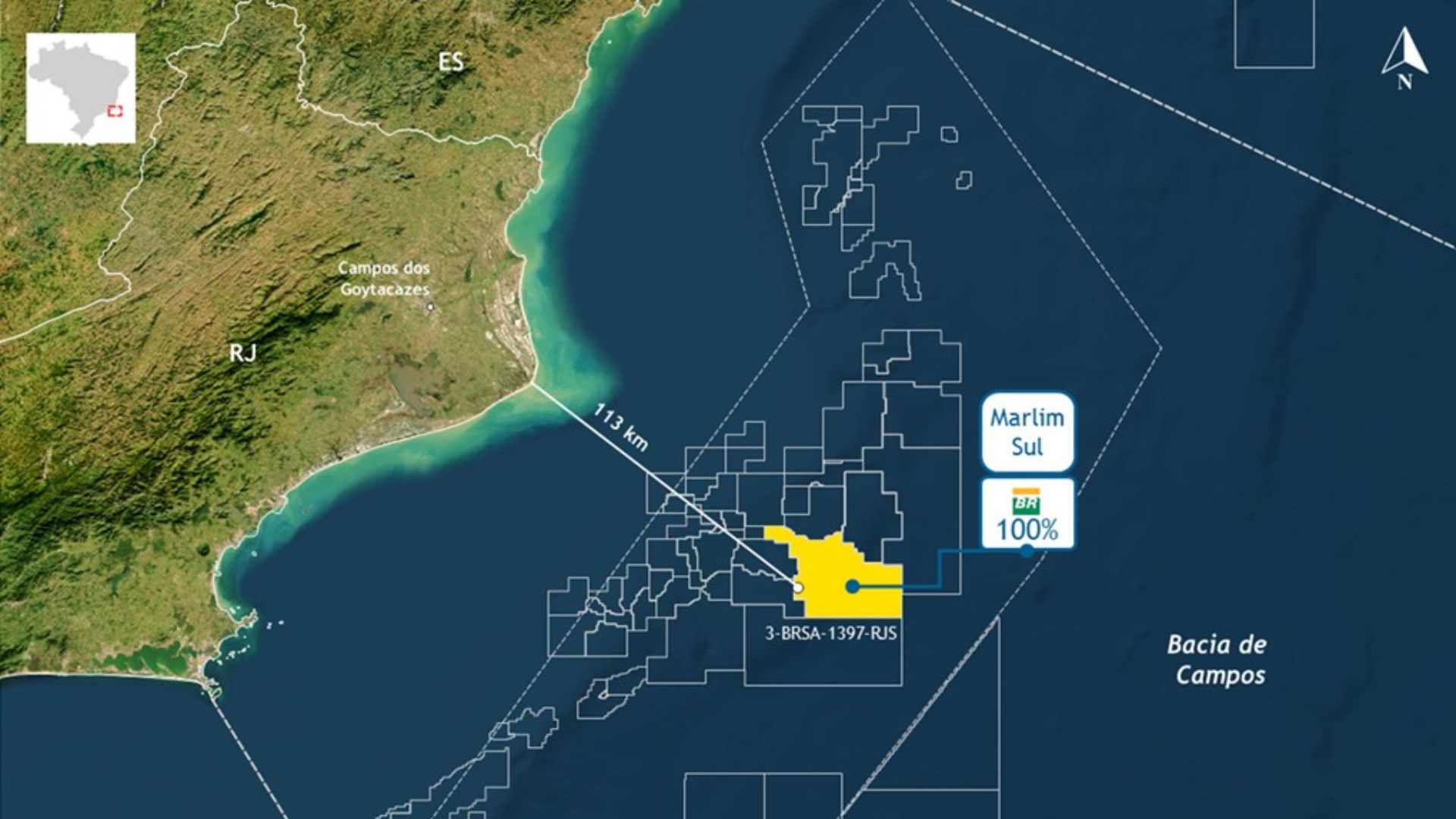
Petrobras finds high-quality oil in the pre-salt at 113 km from RJ and reignites expectations about strategic reserves in the Campos Basin.

-
Ocyan opens registrations for startups focused on innovation in the oil and gas sector and will select projects for Innovation Day with the support of Nexio.

-
Petrobras announces new oil discovery in the pre-salt of the Campos Basin and reinforces Brazil’s prominence with high-quality reserves that can increase production and energy revenues.
-
Alert in the fuel market: Analysts and a former director of ANP warn that oil prices may worsen in the coming months due to global instability.

Denilson Barbosa, quality coordinator at YPF Brasil, one of the largest oil and gas companies in Latin America, explains that fake lubricant oil can not only cause financial losses due to the damage to parts but also pose risks to the lives of vehicle users. “A counterfeit lubricant wears down engine parts that can even break. For example, piston and engine block failures can happen any time soon after using the fake product, putting the driver and passengers at risk, whether due to a fire or an accident,” Denilson comments.
The composition of lubricant in Brazil is determined by the National Petroleum Agency, in conjunction with other international agencies.
Caution When Changing Engine Lubricant Oil
To avoid the risk of using a counterfeit lubricant, some simple measures can help: consumers need to check the manufacturing date and lot number on the packaging, as well as the seal and manufacturer’s brand on the cap.
It is important to be wary of prices significantly below the market average, and not to rush the lubricant change or the choice of the best oil for the engine.
“To avoid risks, consumers can research the CNPJ of the distributing company on the back of the package. If there are doubts about which oil to use, it is important to follow the manufacturer’s guidelines to ensure they do not buy counterfeit lubricant and to use the one that provides the best performance for their car,” Denilson concludes.









Seja o primeiro a reagir!